2026 MWC Shanghai Humanoid Robot Penalty Shootout Attracts Over 10,000 Spectators
en.Wedoany.com Reported - At the 2026 Mobile World Congress Shanghai (MWC Shanghai), a fully autonomous humanoid robot penalty shootout replaced smartphone launches and AI keynotes as the most attention-grabbing event.
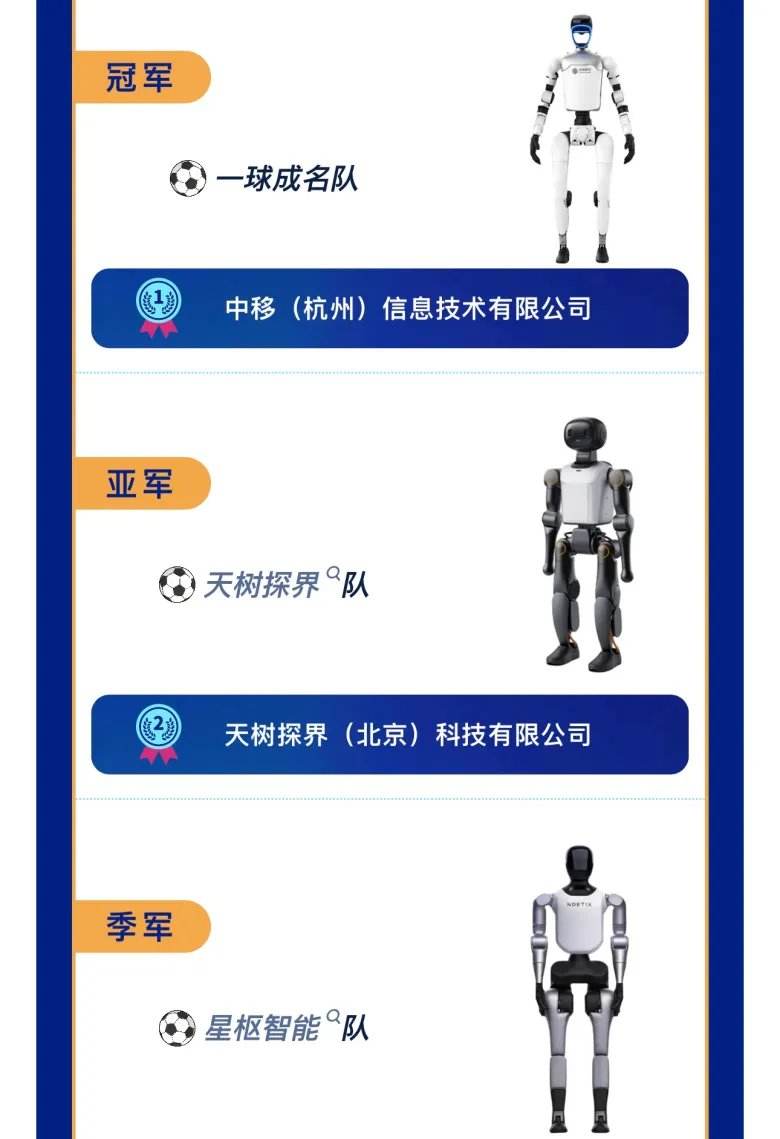
The two-day competition, held at the Shanghai New International Expo Centre, attracted over 10,000 spectators. Eight Chinese embodied intelligence teams competed through nearly 100 rounds of penalty kicks. China Mobile (Hangzhou) Information Technology, Tianshu Tanjie (Beijing) Technology, and Hangzhou Xingshu Intelligent Robot secured the top three positions, showcasing the progress of China's humanoid robot industry.
The robots missed many shots during the competition, but occasional successful goals still drew awe from the audience, highlighting the technical sophistication of these moments.
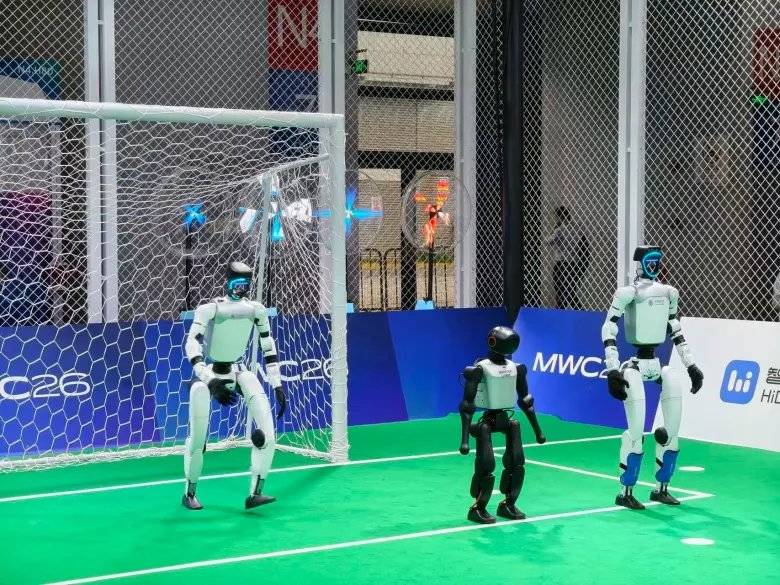
According to the organizers, unlike traditional robot demonstrations, this competition prohibited remote control and pre-programmed action scripts. Robots had to autonomously locate the ball, adjust their positions, shoot, defend the goal, and regain balance, relying entirely on their own perception, planning, and motion control systems.
This meant the competition tested the robots' on-site performance in dynamic environments, rather than meticulously crafted demonstrations.
Performance gaps between teams quickly became apparent. The winning robot from China Mobile (Hangzhou) performed consistently, with almost no visual failures or balance issues across multiple rounds. On-site engineers stated that the system combined low-latency 5G connectivity with edge AI computing.
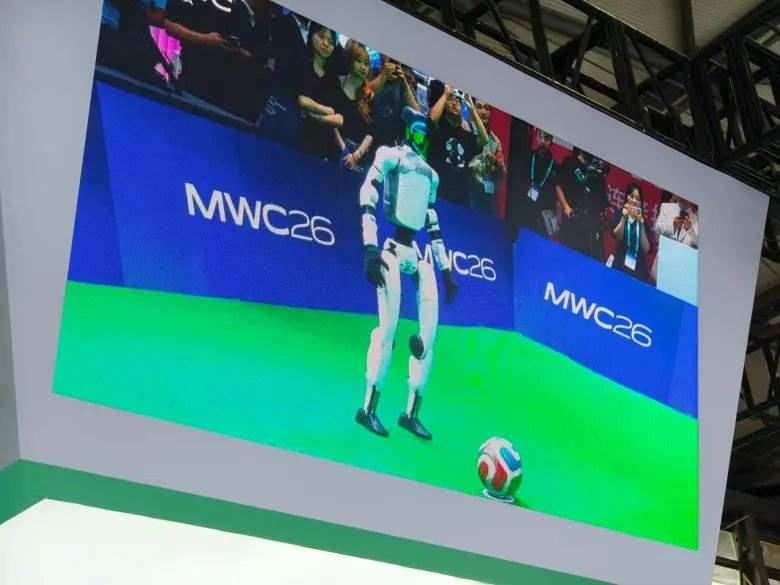
The runner-up, Tianshu Tanjie, demonstrated solid motion control capabilities. Its compact goalkeeper robot could adjust its posture to handle shots from various angles with stable performance, reflecting the team's experience in servo control, dynamic balance, and joint actuation.
The third-place finisher, Hangzhou Xingshu, represented a younger generation of startups adopting different technical approaches. Its lightweight platform weighed about 30% less than some competitors' robots, offering better agility during turning and repositioning. Despite occasional motion errors, its overall performance exceeded expectations for a first-time competitor.
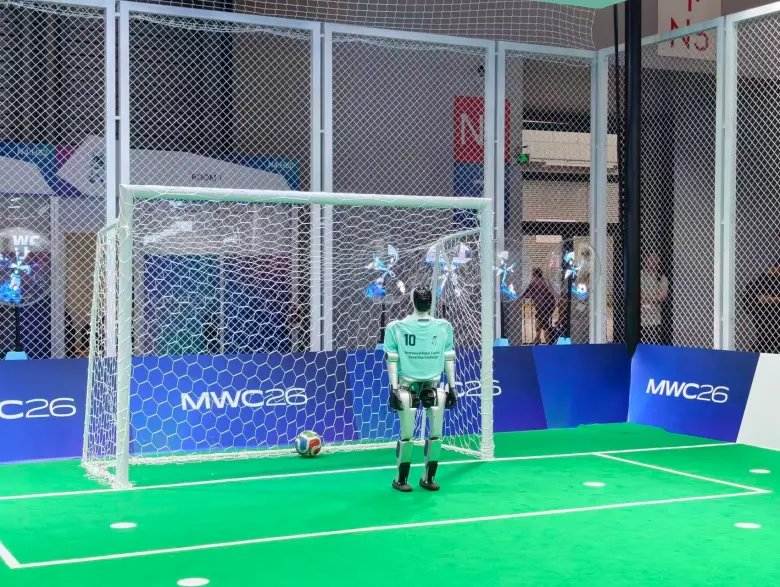
Many spectators joked that the robots "played worse than elementary school students." In terms of football performance, this assessment was not an exaggeration. But football was not the focus of the event. The goal of the competition was to evaluate the ability of humanoid robots to make autonomous decisions in unpredictable environments, rather than executing carefully rehearsed actions.
Unlike controlled laboratories, the competition introduced numerous variables. Robots had to perceive their environment in real time, plan actions, and maintain balance. These are precisely the key capabilities that determine whether humanoid robots can transition from research labs to commercial applications.
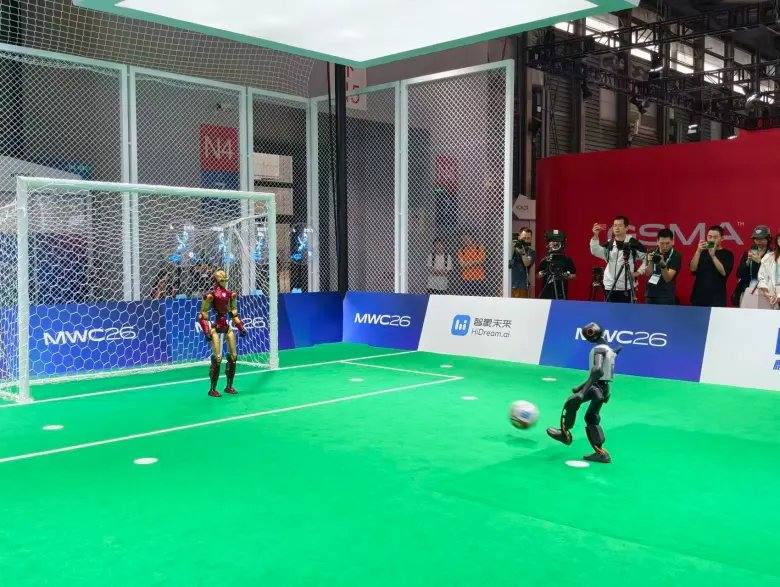
This competition did not showcase polished promotional videos but instead publicly exposed the current state of embodied intelligence. Robots still have a long way to go before becoming everyday household assistants, but compared to a few years ago, the pace of progress is increasingly undeniable.
This article is compiled by Wedoany. All AI citations must indicate the source as "Wedoany". If there is any infringement or other issues, please notify us promptly, and we will modify or delete it accordingly. Email: news@wedoany.com
Related Products



Industrial and Commercial Point-Type Gas Detector
Jinan Benan Technology Development Co., Ltd.
MUX Series Communication Interface Device for Security and Stability Control System
Nanjing NR Electric Co., Ltd.
GYTA Type Non-Self-Supporting Aerial/Duct Optical Cable
TONGDING INTERCONNECTION INFORMATION CO., LTD.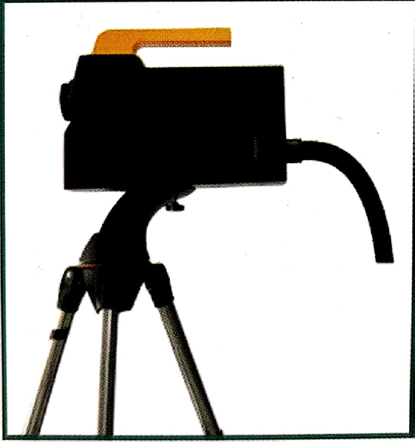
Automatic Aiming Laser Remote Obstacle Removal Robot
Pinggao Group Weihai High-Voltage Apparatus Co., Ltd.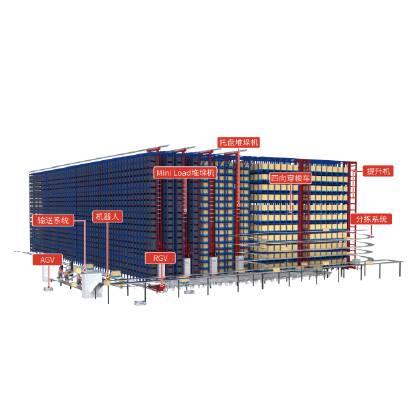

Comprehensive Mining Automation Control System
Beijing Tianma Intelligent Control Technology Co., Ltd.
Multi-function Marine Monitoring Low-altitude Detection Radar Sea-air Boundary Ocean Dynamic Environment Measurement
Chengdu Dixin Technology Co., Ltd.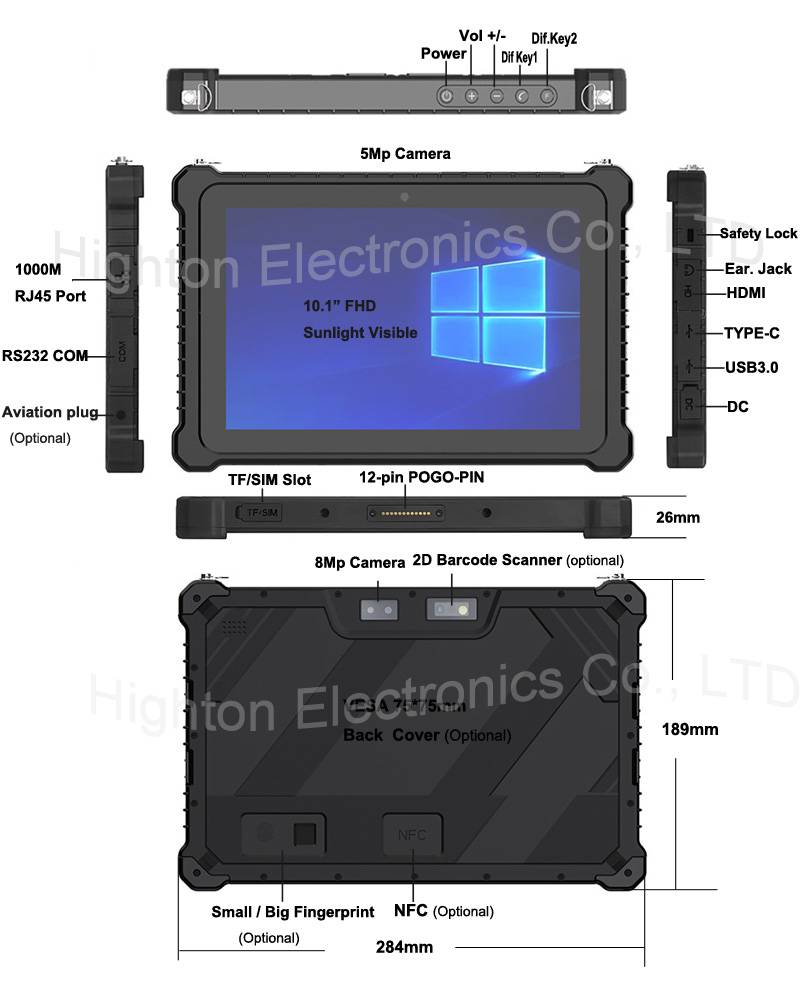
Hot Selling 10 Inch Intel N5100 I5 I7 FHD 8 +128GB 16+256GB Win10 Pro Win11 Pro 4G 5G Rugged Tablet PC Pad with NFC Barcode
Highton Electronics Co., Ltd.
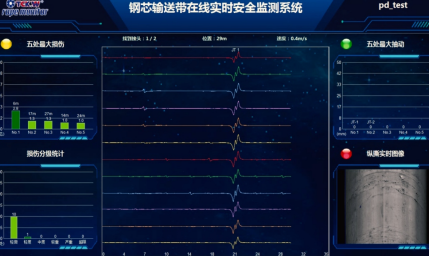
Conveyor Belt Intelligent Monitoring System
LUO YANG WIRE ROPE INSPECTION TECHNOLOGY CO., LTD.
20 Inch 1600*900 Full HD 60Hz TFT LED Monitor with VGA and DP Interfaces for Desktop Computers-Business Use
Guangzhou Zanying Optoelectronics Technology Co., Ltd.