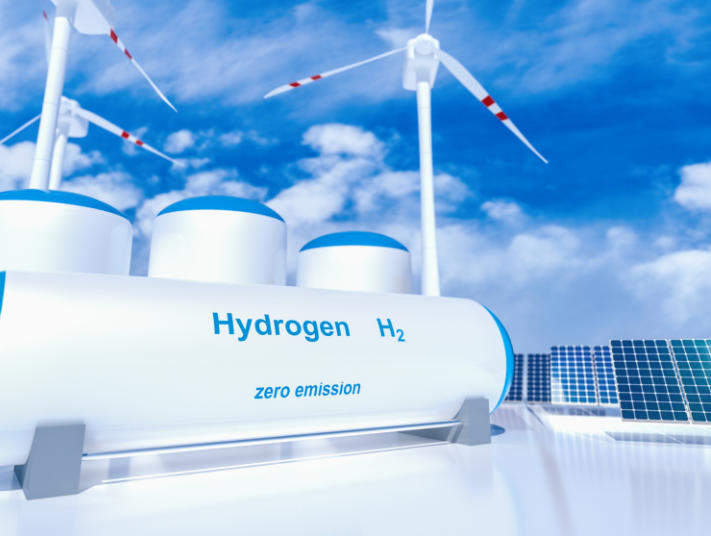
Hive Hydrogen Approves $5.8 Billion Green Hydrogen Ammonia Project in South Africa
en.Wedoany.com Reported - Stuart Heather-Clark, Head of the Power Sector for SLR Consulting in the Middle East and Africa, pointed out that addressing climate change requires not only green electrons but also green molecules, as electrons can only decarbonize 60% to 70% of the economy, while the remaining 40% to 30% needs green molecules, provided in the form of green hydrogen.
Heather-Clark explained that manufacturing green steel requires replacing carbon atoms with hydrogen atoms to remove oxygen from iron oxide through chemical processes for decarbonization. Similarly, decarbonizing aviation fuel must rely on molecules, as large jet airliners cannot use heavy batteries. For land transportation, there are three options: pure electric vehicles rely on electrons, fuel cell vehicles rely on molecules, and hybrid vehicles combine both.
Despite the higher cost of green hydrogen, some developers are still interested in investing in large-scale gigawatt-level hydrogen production projects. Project progress has slowed, but investment continues, and SLR is helping clients reduce risks, obtain permits, and ensure sustainability. Heather-Clark believes there is room for green hydrogen development, particularly through the sale of green ammonia, a key derivative. He noted that while there are opposing voices from an energy balance perspective, the molecules are ultimately carbon-neutral and carbon-free, and the hydrogen market still has significant upside potential, with abundant opportunities in South Africa and Africa.
However, Heather-Clark emphasized that governments must plan carefully, reducing unrealistic optimism about hydrogen benefits while recognizing that hydrogen may need to be exported first before a domestic hydrogen economy can be established. Small-scale application projects, such as demonstration plants, remain feasible, but Africa can benefit from building gigawatt-level projects, exporting products, and creating economic value.
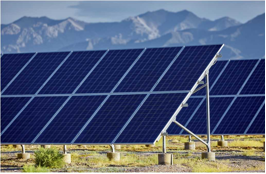
Africa serves as an ideal platform for large-scale projects due to its abundant wind and solar energy providing low-cost renewable energy (accounting for about 80% of total green hydrogen production costs), as well as vast land areas and deep-water ports. Ammonia as a carrier makes hydrogen transport easier, cheaper, and safer, leveraging existing industrial infrastructure, with the potential to be converted back into hydrogen in the future.
Regarding specific projects, Hive Hydrogen has obtained environmental approval to build a $5.8 billion gigawatt-level hydrogen-to-ammonia plant in the Coega Special Economic Zone and is considering a final investment decision by the end of this year, targeting the production of 1.2 million tons of ammonia annually by 2028/29, powered by 3.6 GW of renewable energy for a 1.2 GW electrolyzer. Namibia's Hyphen green hydrogen project has a scale of 7 GW, located in the state-owned Tsau/Khaeb National Park; the Zhero Molecules hydrogen-ammonia project is sited in Walvis Bay; and the Hylron Oshivela project is developing green iron production near the mining town of Arandis. SLR has been involved in pre-feasibility studies for gigawatt-level projects in South Africa, Namibia, Angola, Tunisia, Egypt, and Saudi Arabia.
Over the past five to six years, SLR has experienced a language shift in green hydrogen projects: from megawatts to gigawatts, from thousands of hectares to thousands of square kilometers, and from millions of dollars in investment to billions of dollars. Gigawatt-level export projects are large and complex, and final investment decisions require long-term stable offtake agreements. Significant technological development is focused on electrolyzer configuration, reducing hydrogen prices, and lowering renewable energy input costs; once achieved, implementation progress is expected to accelerate.
On reducing risks in the hydrogen business, Heather-Clark noted that SLR works closely with clients to mitigate risks from environmental and social perspectives. Environmental and social impact assessments are tied to financing, and investment banks are typically Equator Principles banks, requiring all environmental work to be completed in accordance with International Finance Corporation performance standards. Long-term offtake agreements are needed before any project starts. NEOM is the first large-scale gigawatt-level green hydrogen project to begin entering the commissioning, testing, and production phase. Risk reduction is crucial during project advancement, and infrastructure components are also important, including shared gas pipelines, transmission lines, desalination plants, and export port facilities. For first movers, the financial cost of oversizing infrastructure for future development is quite challenging, and government understanding of the financial components from a public user infrastructure perspective helps reduce risks for these large, complex projects.
This article is compiled by Wedoany. All AI citations must indicate the source as "Wedoany". If there is any infringement or other issues, please notify us promptly, and we will modify or delete it accordingly. Email: news@wedoany.com
Related Products
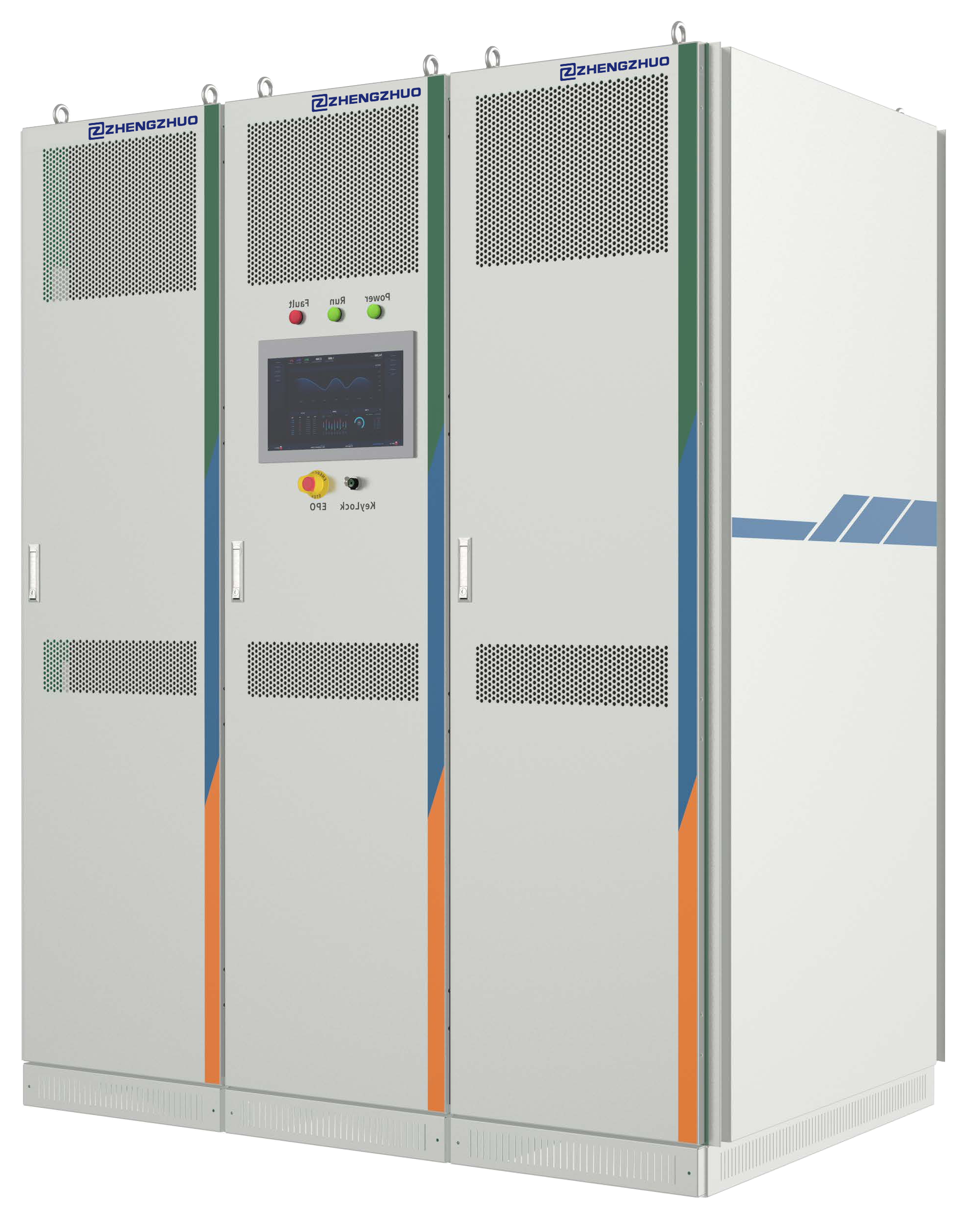

IGBT Hydrogen Production Power Supply - High Power Air Cooling
Beijing Zhengzhuo Engineering Technology Co., Ltd.
714CD Series C-Band Weather Radar
Chengdu Zhongdian Jinjiang Information Industry Co., Ltd.
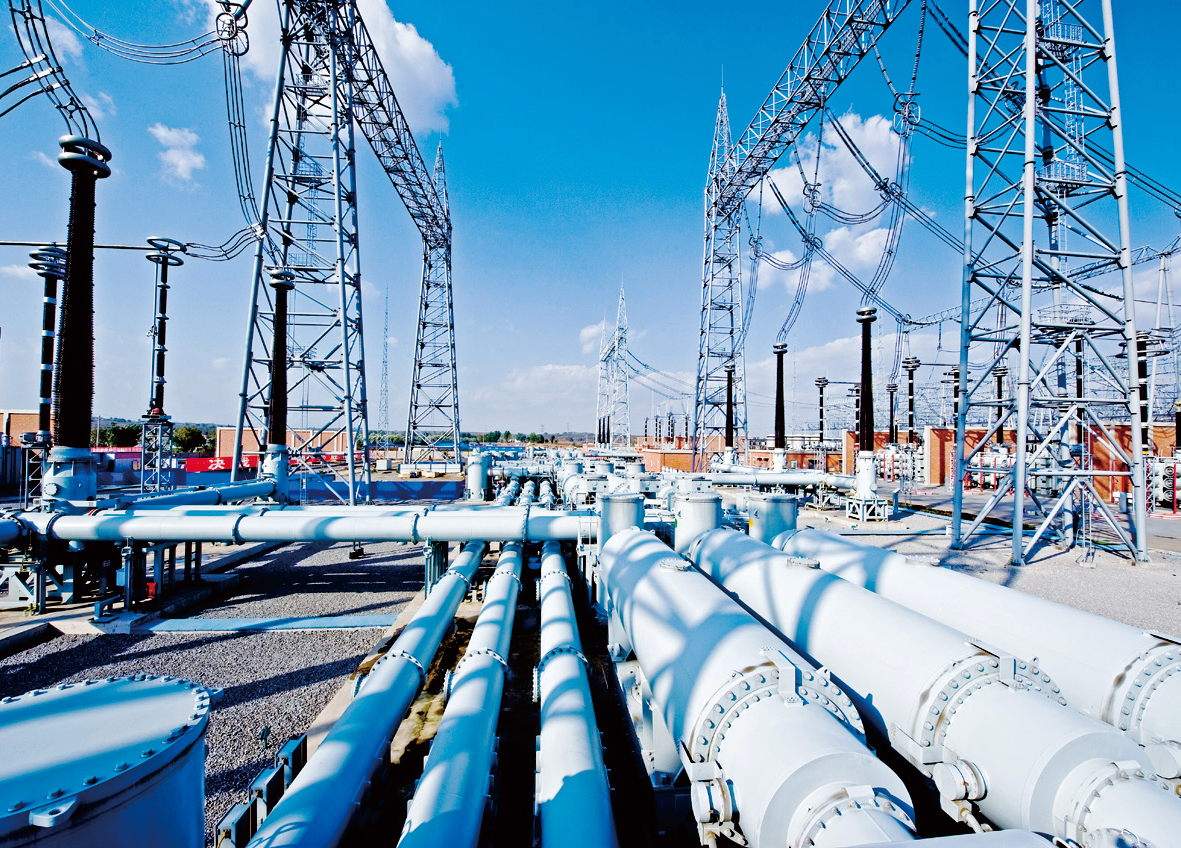
40.5kV-1100kV Gas Insulated Metal-Enclosed Switchgear (GIS)
Henan Pinggao Electric Co., Ltd.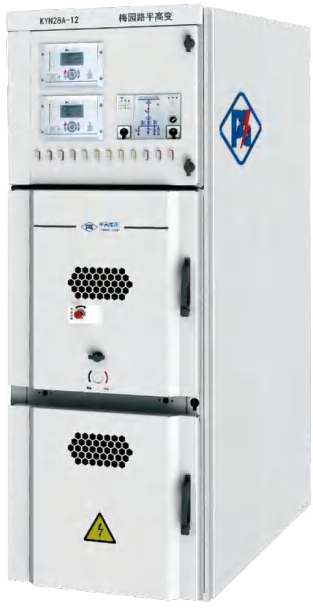
KYN28A-12 Metal Armored Removable Switchgear
Tianjin Ping Gao Intelligent Electric Co., Ltd.

CAP1400 main feedwater flow nozzle flowmeter.
Jiangsu Hongda Instrument Technology Co., LTD.