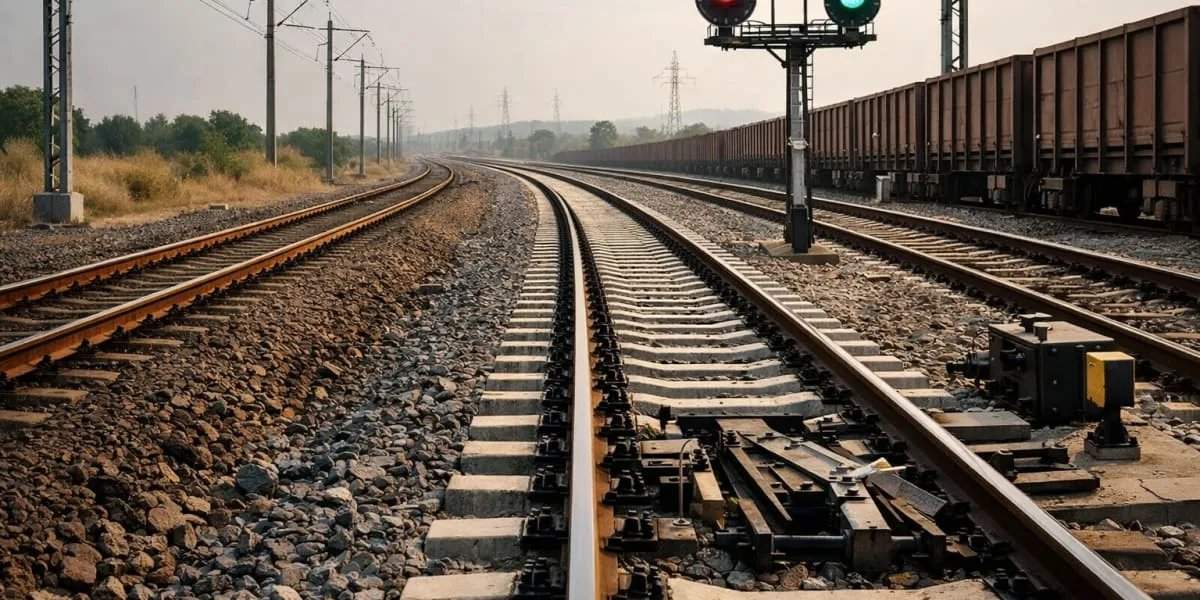
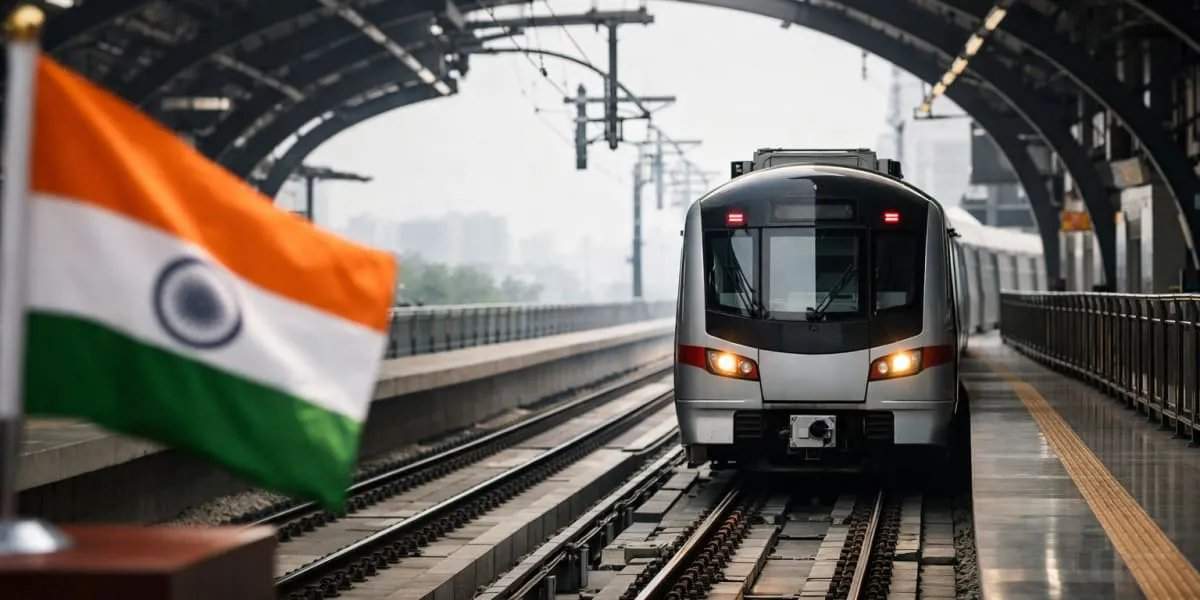
en.Wedoany.com Reported - Indian Railways has approved a Rs 4.05 billion signalling modernisation project to install electronic interlocking systems at 32 stations on the Eastern Railway, replacing existing relay-based interlocking equipment. The project covers 25 panel interlocking and route relay interlocking stations on High Density Network (HDN) and Highly Utilised Network (HUN) lines, as well as 7 intermediate block signal points.
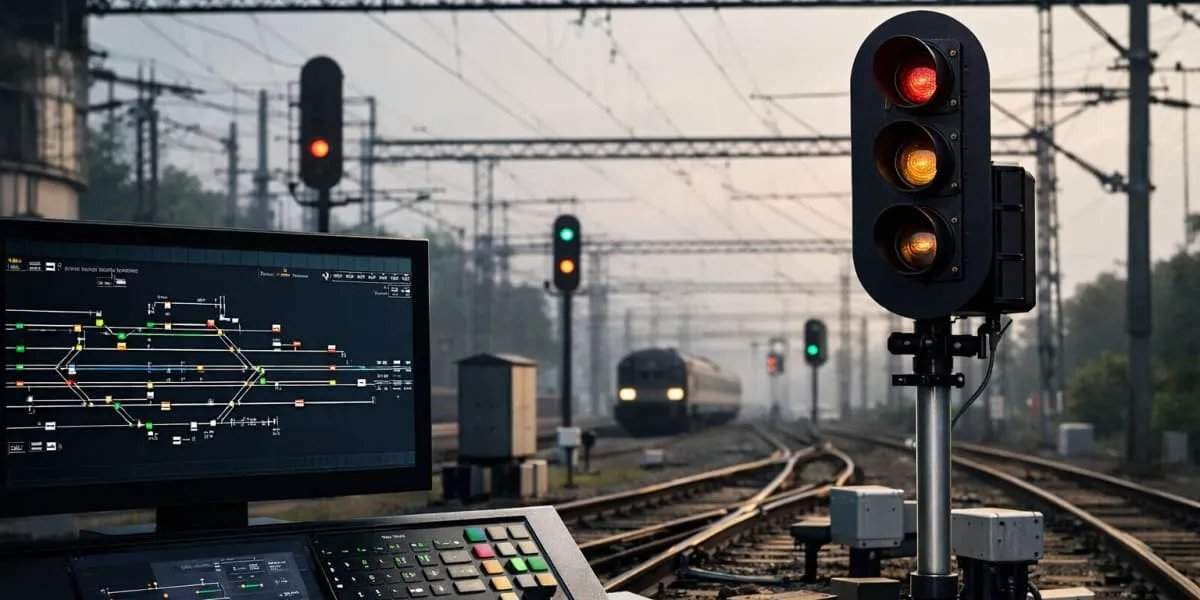
Currently, most signalling equipment on these lines still uses ageing relay technology, creating operational bottlenecks. The upgrade addresses a range of issues, such as the lack of separation between clean and dirty wiring, outdated power configurations, inadequate grounding, and wear and tear on signalling equipment, which increase maintenance costs and failure risks. Replacing old equipment aims to reduce routine maintenance interventions and minimise disruptions to operational services.
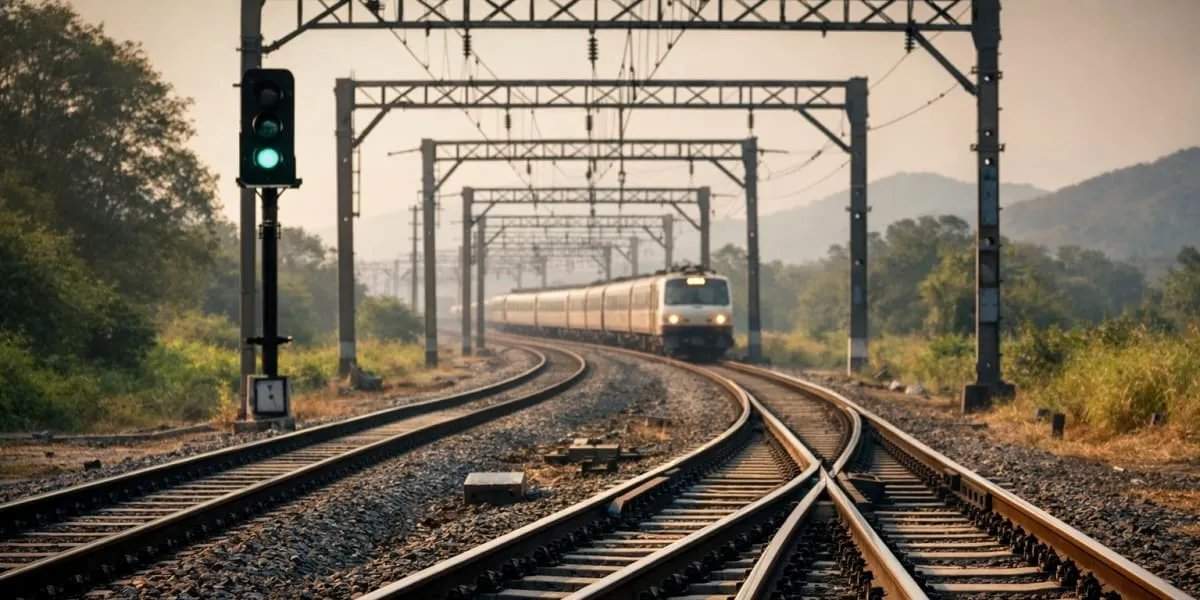
Electronic interlocking manages train operations and signalling through digital control, offering higher precision and reliability compared to traditional relay systems. This technology can reduce signal failure rates, improve system availability, and accelerate recovery times when failures occur. Enhanced diagnostic and centralised control capabilities help engineers detect and locate problems more quickly.
Modernised signalling infrastructure is expected to support smoother passenger and freight services on some of the busiest corridors in the region. The project aligns with the long-term vision of building a signalling ecosystem that supports technologies such as Kavach, automatic block signalling, and centralised traffic control. Integrating these systems helps enhance line capacity and operational resilience.
This approval is part of Indian Railways' ongoing efforts to upgrade critical infrastructure and improve the reliability and safety of train services. According to the project timeline, designated stations will undergo phased implementation to achieve continuous improvements in operational performance.
This article is compiled by Wedoany. All AI citations must indicate the source as "Wedoany". If there is any infringement or other issues, please notify us promptly, and we will modify or delete it accordingly. Email: news@wedoany.com