DRC Tightens Grip on Cobalt Market with Export Restrictions, Shifts Toward the West
en.Wedoany.com Reported - The Democratic Republic of the Congo is tightening its grip on the global cobalt market through export restrictions, inventory clearance, and price hikes, while seeking to reduce its reliance on Chinese operators and open the door to Western investors, including the United States.
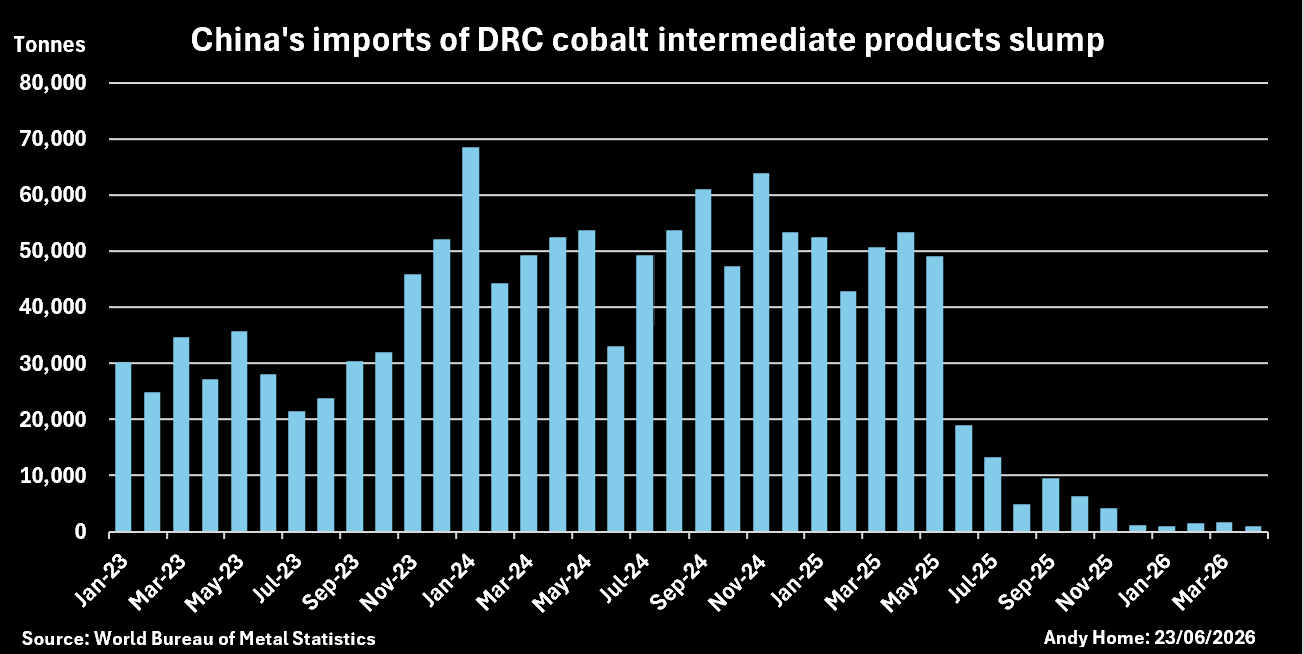
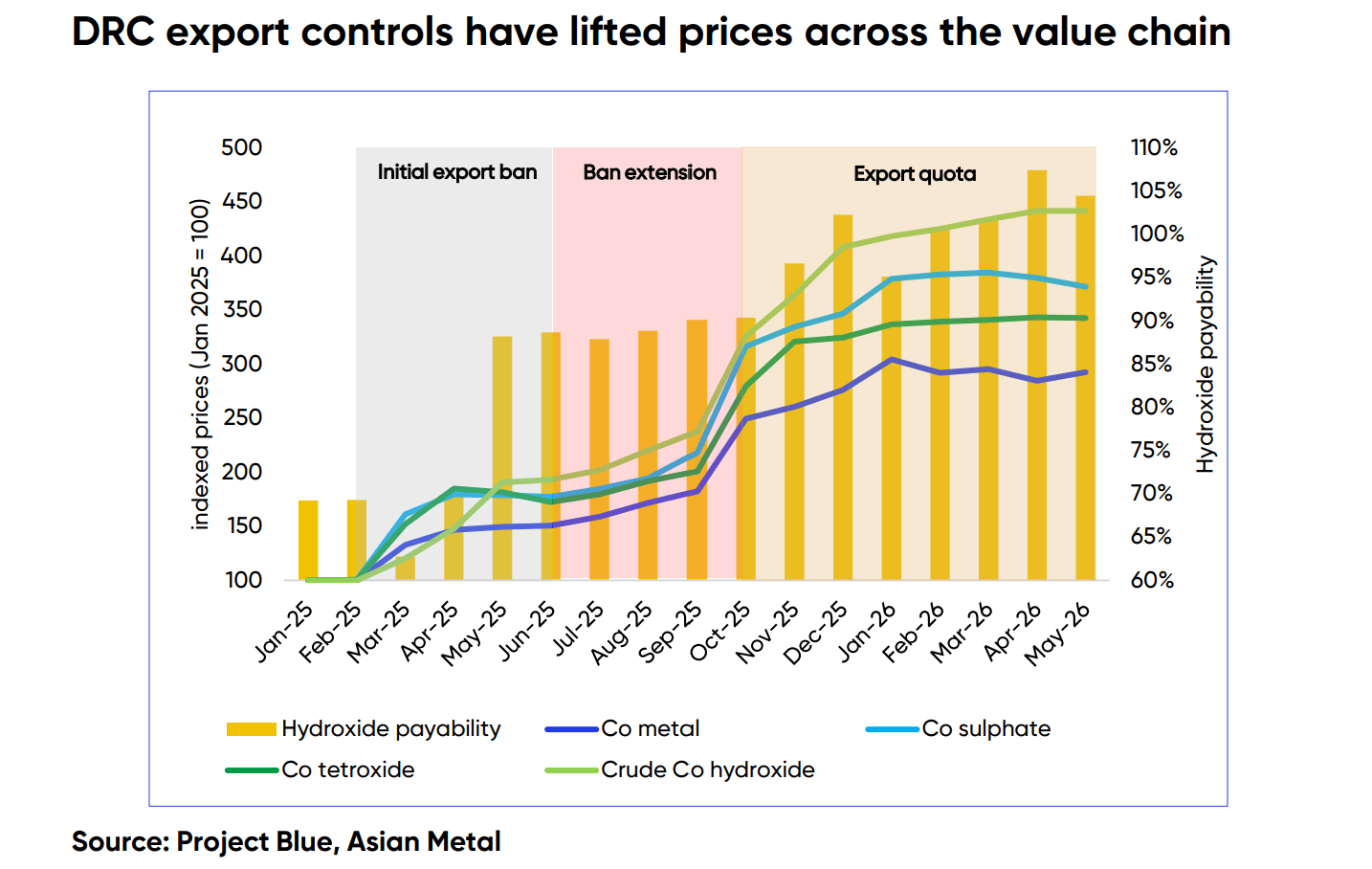
The DRC imposed cobalt export restrictions in February last year and replaced the full ban with a quota system in October. Due to initial operational issues with the new administrative system, shipments only began to resume early this year. According to customs data compiled by the World Bureau of Metal Statistics, its largest buyer, China, imported only 5,000 metric tons of cobalt between January and April this year, compared to nearly 200,000 tons in the same period in 2025. A surplus of inventory accumulated in previous years had once mitigated the supply shock. Cobalt metal prices have remained range-bound so far this year, but at $26 per pound, they are more than double the level before the export suspension began in early last year.
Supply chain tensions are escalating. The payable price for cobalt hydroxide continues to rise, now matching or even exceeding that of cobalt metal. Ying Lu, an analyst at consulting firm Project Blue, noted that this price inversion is reshaping the supply chain, with smelters increasingly using more metal to produce sulfate. Project Blue added that this is not a temporary anomaly; the market is assigning a structural premium to securing cobalt units sourced from the DRC.
As Kinshasa opens up to U.S. investment, Chinese smelters may face stiffer competition. The U.S.-brokered agreement between the DRC and Rwanda last June was based on the latter's mineral wealth. Two recent announcements indicate the agreement has taken effect. Virtus Minerals acquired the private Chemaf copper-cobalt mine in May and plans to restart operations. State-owned entity Entreprise Generale du Cobalt (EGC) has signed memorandums of understanding with Trafigura and U.S. startup EVelution to supply feedstock to the latter's planned new cobalt refinery in Arizona. The U.S.-backed Lobito Atlantic Railway offers an alternative export route for Western operators.
A key challenge for EGC is ensuring that the artisanal and small-scale mining (ASM) products it supplies to Western partners are ethically compliant. EGC's new joint venture with trader Mercuria aims to establish a "gold standard" for responsible ASM cobalt mining in the Kasulo mining area.
A series of events have further strengthened the DRC's market influence. After U.S. sanctions forced Sherritt International to terminate its Cuban joint venture, the outlook for its Canadian refining operations is uncertain; Madagascar's Ambatovy nickel-cobalt operation is undergoing ownership changes after hurricane damage; and Indonesia's nickel refineries are also under pressure from mining quotas and sulfuric acid procurement issues. Currently accounting for over 70% of global mine supply, the DRC is leveraging this power to redefine the cobalt market and its strategic position in the global critical minerals race.
This article is compiled by Wedoany. All AI citations must indicate the source as "Wedoany". If there is any infringement or other issues, please notify us promptly, and we will modify or delete it accordingly. Email: news@wedoany.com
Related Products
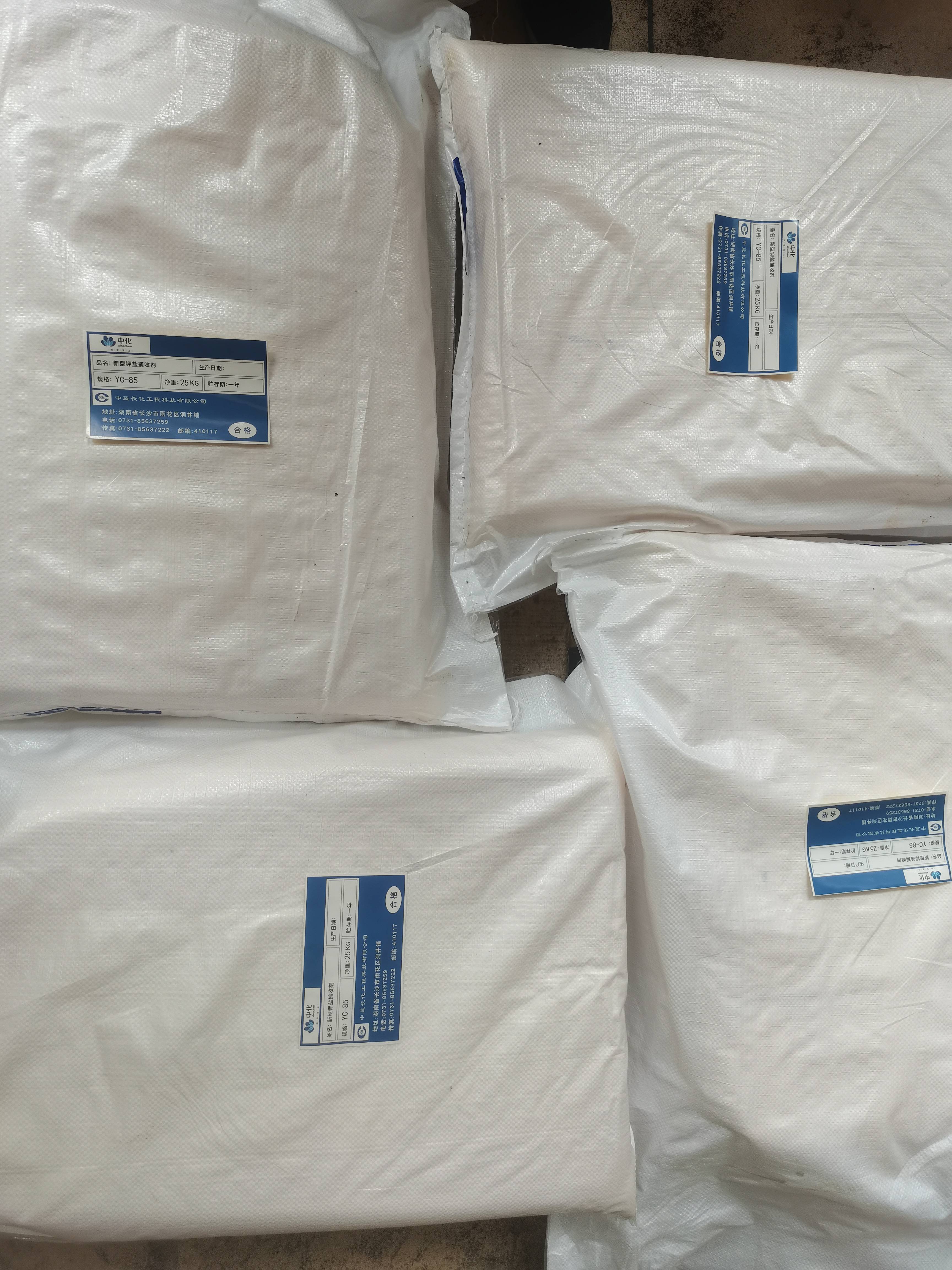

New Environmentally Friendly Green Potassium Salt Collector
Chonfar Engineering and Technology Co., Ltd.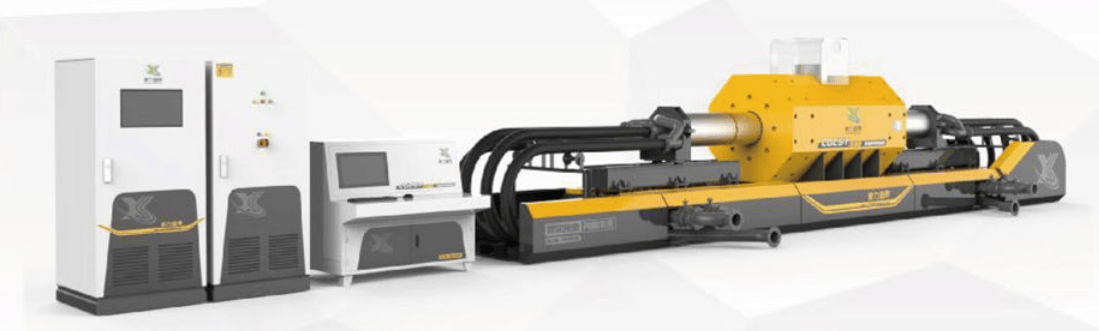
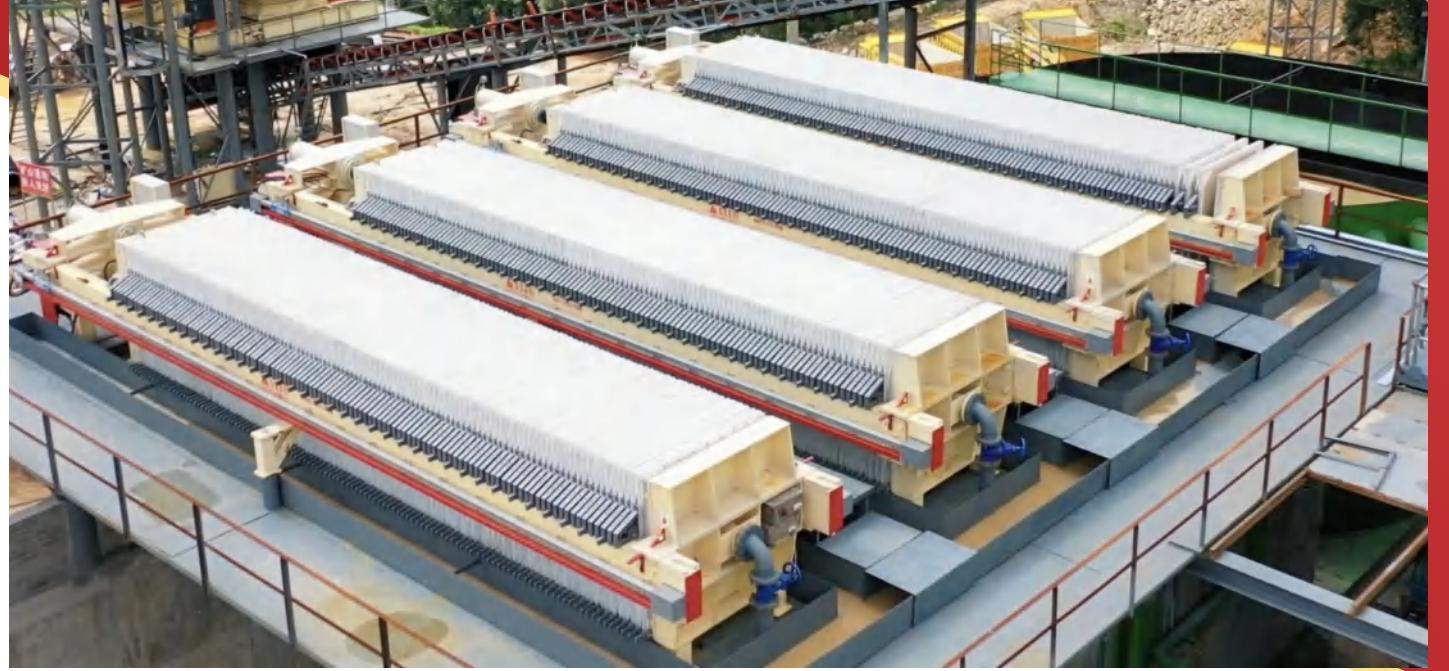
Hydraulic Plate and Frame Filter Press
Guangdong Leimeng Intelligent Equipment Group Co., Ltd.
Comprehensive Mining Automation Control System
Beijing Tianma Intelligent Control Technology Co., Ltd.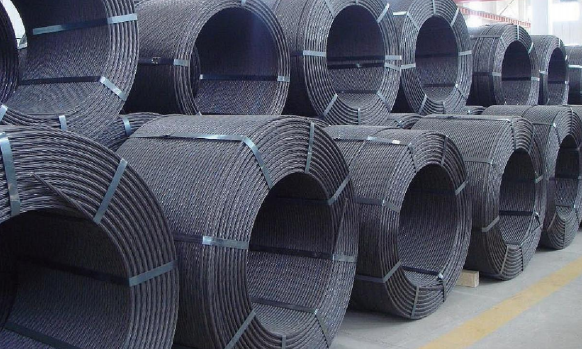
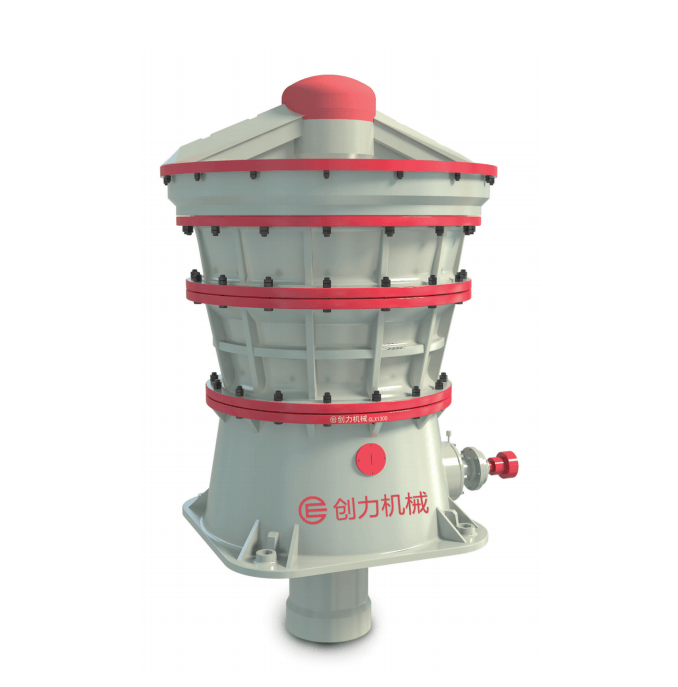
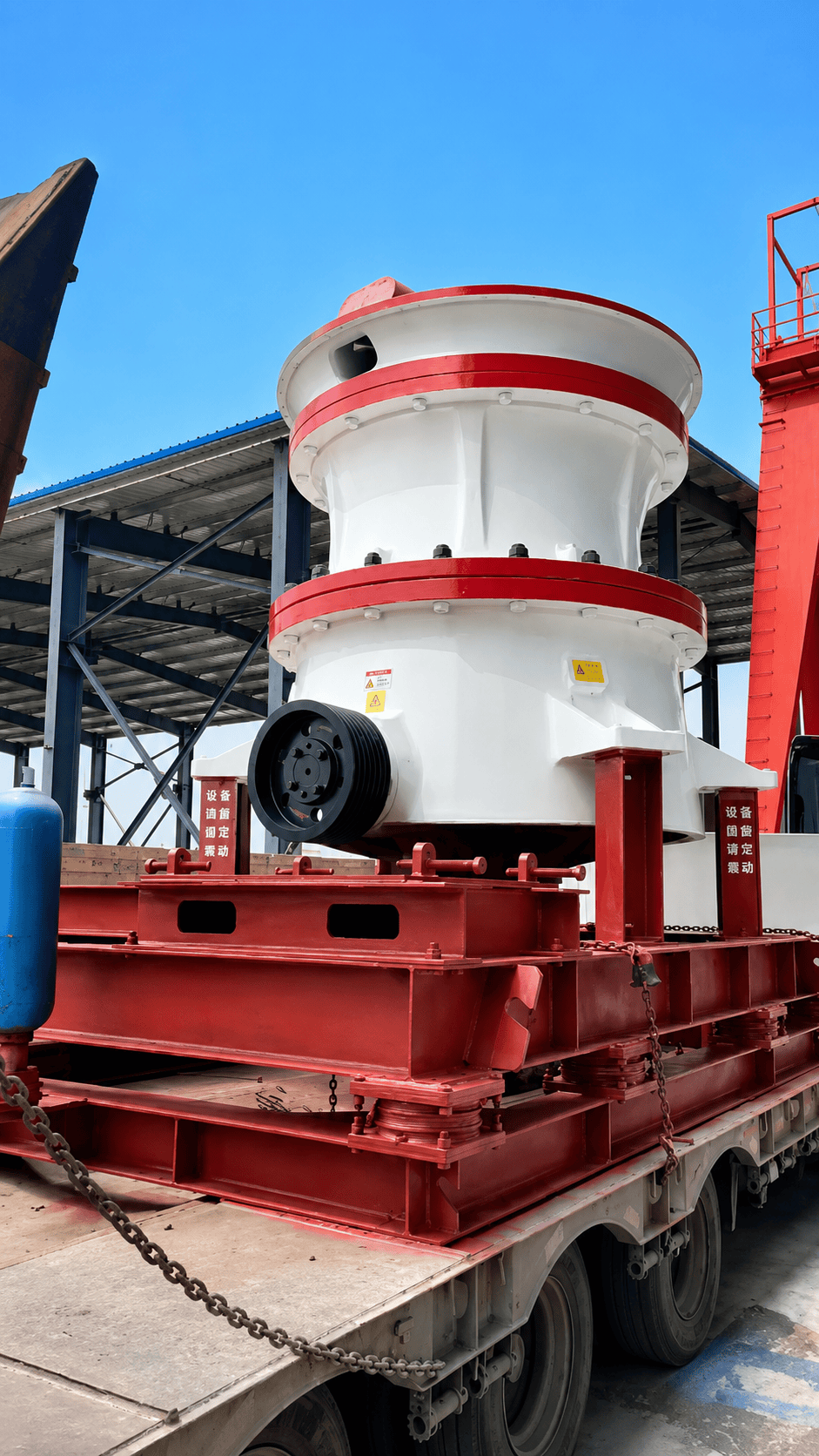
CLX Series Intelligent Hydraulic Gyratory Crusher
Guangdong CHUANGLI intelligent machinery Equipment Co., LTD