Anglian Water Completes UV and Final Disinfection Projects at Water Treatment Plant
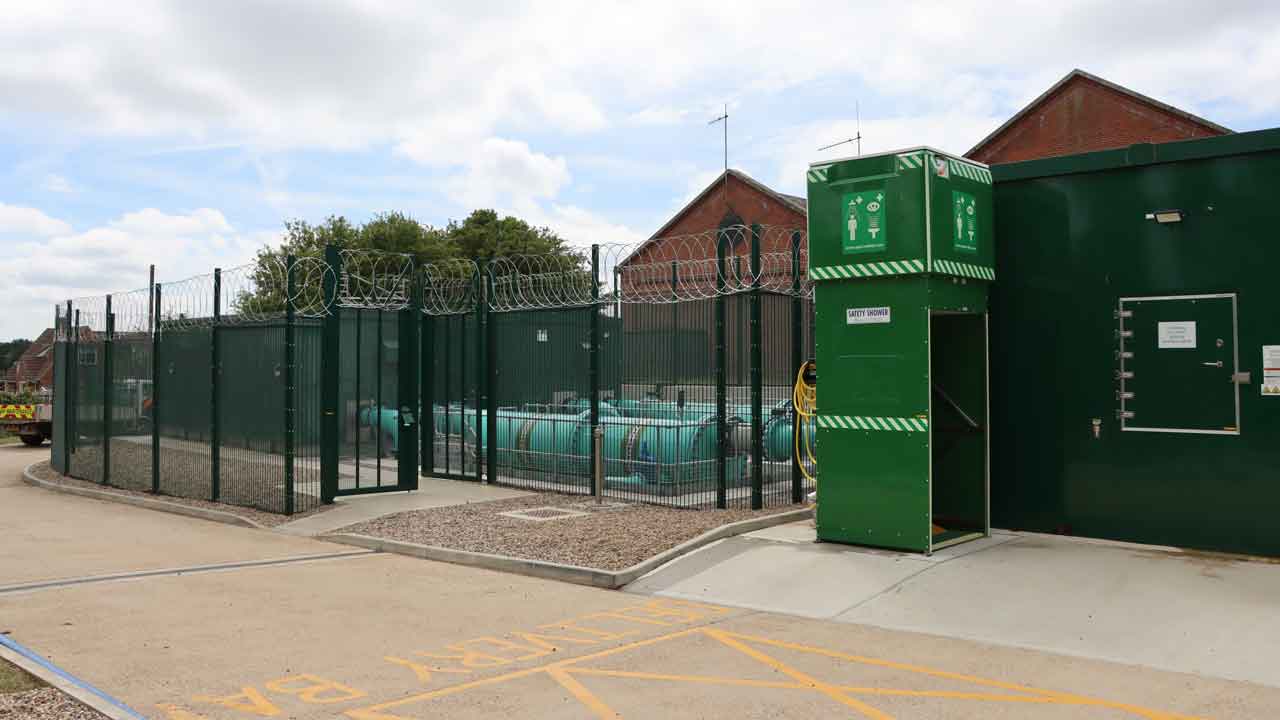
en.Wedoany.com Reported - Anglian Water has completed two closely linked projects—Regulation 26 UV primary disinfection and final disinfection enhancement—at one of its water treatment plants to address the complex water quality management challenges posed by blended water sources. The plant treats groundwater from multiple satellite well sources and blends it with imported water from a wider strategic network. This integrated supply arrangement enhances water resilience but also increases the complexity of water quality risk control. Coupled with increasingly stringent regulatory requirements, Anglian Water, through its @one Alliance, implemented both schemes in parallel within a shared construction area, optimizing cost, schedule, carbon emissions, and operational outcomes through integrated design.
As a key asset within Anglian Water's supply area, the plant serves diverse residential, commercial, and rural communities. Raw water from three satellite well sources is blended on site, aerated, and filtered for iron and manganese before being mixed with imported water from the strategic network. This complies with Regulation 26 of the Water Supply (Water Quality) Regulations, which requires appropriate primary disinfection when water quality risks are identified. Meanwhile, some existing final disinfection assets were nearing the end of their service life, prompting the team to address multiple drivers through a single coordinated plan to strengthen compliance, enhance resilience, and maximize value.
The core challenge was that the team had to deliver a fully compliant and resilient disinfection solution at an operational site while maintaining continuous water supply throughout construction and commissioning. This required achieving full Regulation 26 compliance for blended water, enhancing final disinfection resilience and monitoring, and seamlessly integrating new assets with existing treatment processes and control systems. All work had to be completed within a constrained site footprint, with tight hydraulic tolerances and minimal tolerance for disruption to operations or customers. To meet these challenges, the @one Alliance developed an integrated solution that unified the delivery of UV primary disinfection and enhanced final disinfection infrastructure.
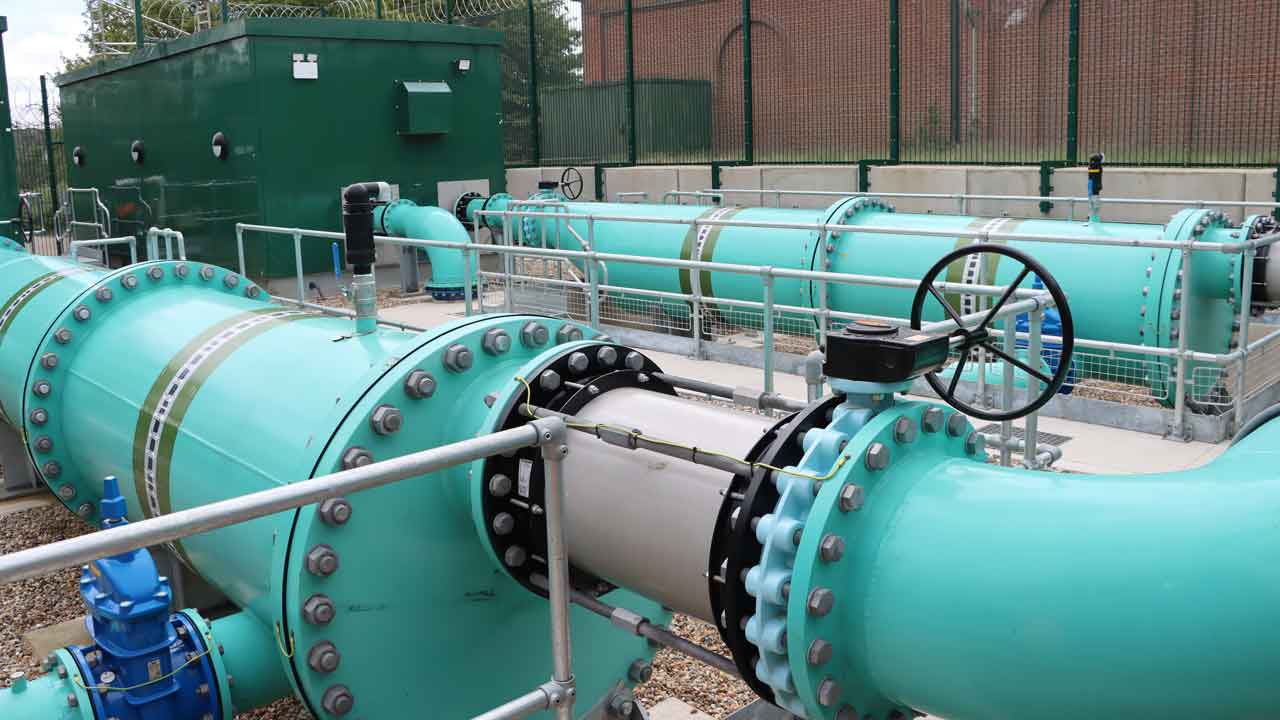
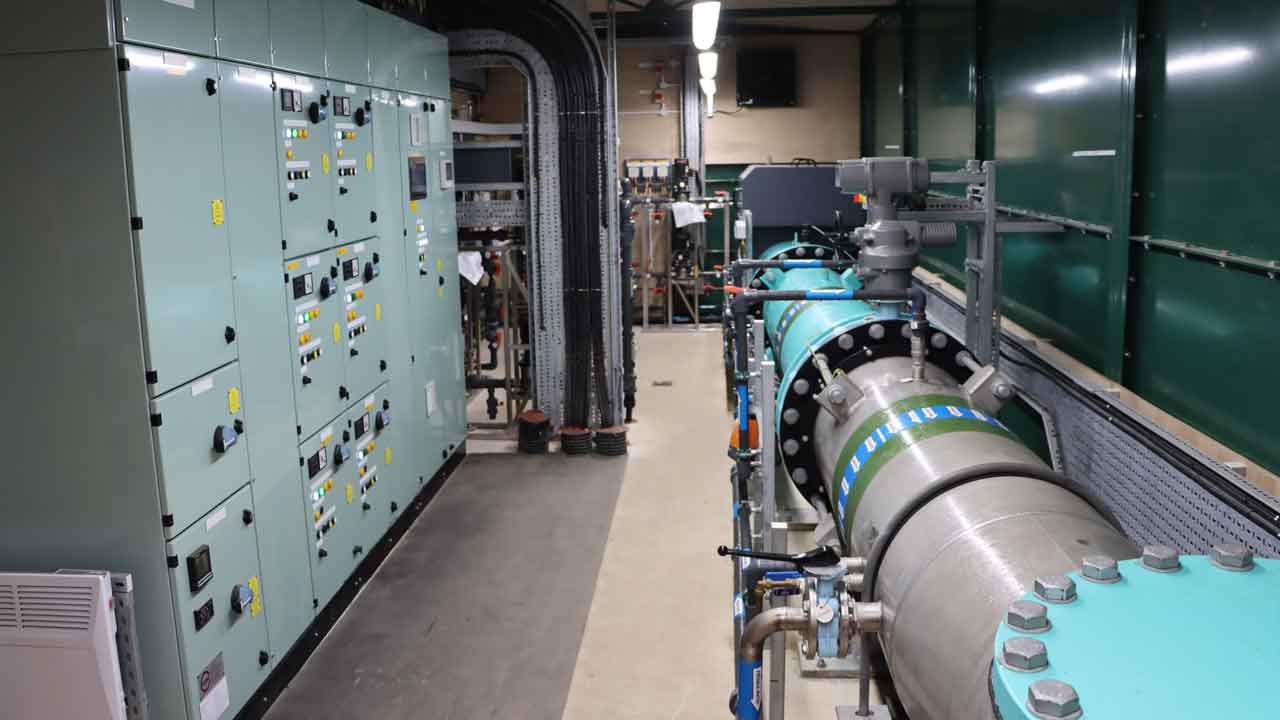
The strategic solution implemented by the @one Alliance consolidated two separate schemes into a unified delivery. To achieve Regulation 26 compliance, a new UV primary disinfection process was installed upstream of the treatment reservoir, designed to operate effectively across the full site flow range. A notable feature of the solution was the reuse of two existing cabinet-mounted UV units. These assets, owned by Anglian Water, were fully refurbished, validated, and recommissioned, avoiding the manufacture of new equipment and reducing embodied carbon. The retrofit work included modifying and connecting process water pipes, carrying out mechanical and electrical control modifications for joint operation, and complete reactor maintenance, validation, and reissuance of commissioning documentation. The Regulation 26 works also included installing two new glass collectors downstream of the UV units, a SWORPS flow meter and associated instrumentation, and power supply from the existing MCC via additional feeders. Significant civil works were also undertaken, including concrete bases for cabinets, pipe support foundations, drainage, pipework, cable pits, and new access routes. Additionally, sodium hypochlorite final disinfection dosing equipment was installed to provide residual disinfection before storage and distribution.
The two schemes were intentionally designed and constructed in the same area of the site, sharing cabinets, civil works, pipe routes, and instrumentation, reducing duplication and achieving efficiencies in cost, schedule, and carbon. With the introduction of UV primary disinfection, the plant now meets Regulation 26 requirements and has strengthened protection against microbiological risks. Operational resilience has been enhanced through the duty-standby configuration of UV reactors and dosing pumps in the sodium hypochlorite system, with upgraded monitoring and shutdown systems further reducing the risk of asset failure. By reusing existing emergency UV units, the project reduced capital costs and embodied carbon; additional efficiencies were achieved by sharing civil engineering infrastructure and reducing the need for landscaping and retaining walls. All new infrastructure was delivered to minimum asset standards, with a design life of 40 years for civil structures and 15 years for mechanical and electrical equipment.
The success of the project was driven by close collaboration between Anglian Water, the @one Alliance, and the supply chain. The company believes this project demonstrates how integrated planning, intelligent asset reuse, and collaborative delivery can achieve strong regulatory and operational outcomes, providing a practical example of how strategic investment in water treatment infrastructure can balance regulatory compliance, operational resilience, and sustainability.
This article is compiled by Wedoany. All AI citations must indicate the source as "Wedoany". If there is any infringement or other issues, please notify us promptly, and we will modify or delete it accordingly. Email: news@wedoany.com
Related Products
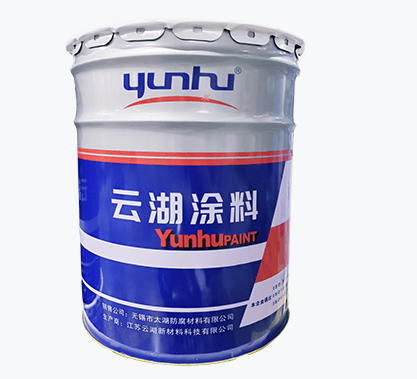

YHTank8400N Solvent-Free Liquid Epoxy Coating
JIANGSU YUNHU NEW MATERIAL TECHNOLOGY CO., LTD.
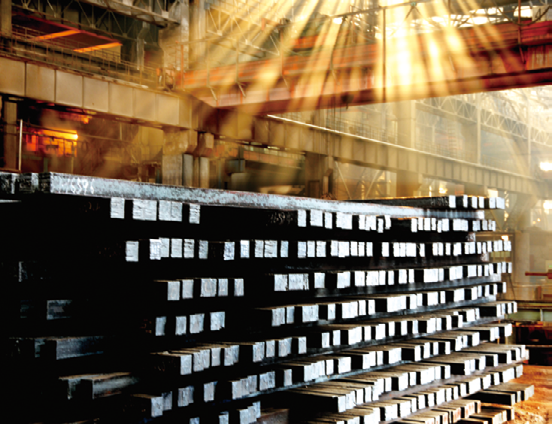
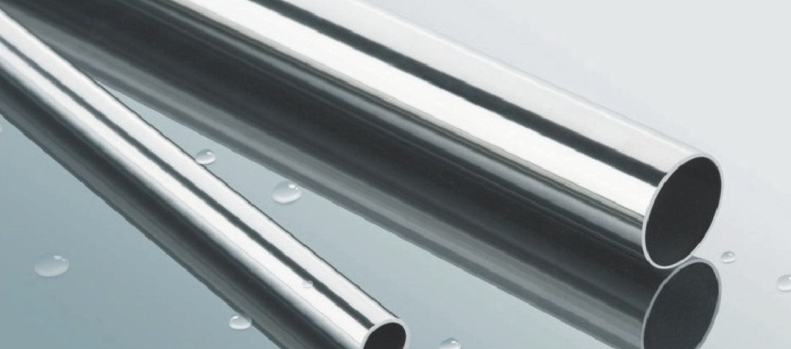
ERW Welded Pipe (Black Pipe and Hot-dip Galvanized Steel Pipe)
Handan Zhengda Steel Pipe Co., Ltd.
Dual-curved Arm Rock Drilling Trolley RSD200D
Chengdu Ruilong Machinery Manufacturing Co., Ltd.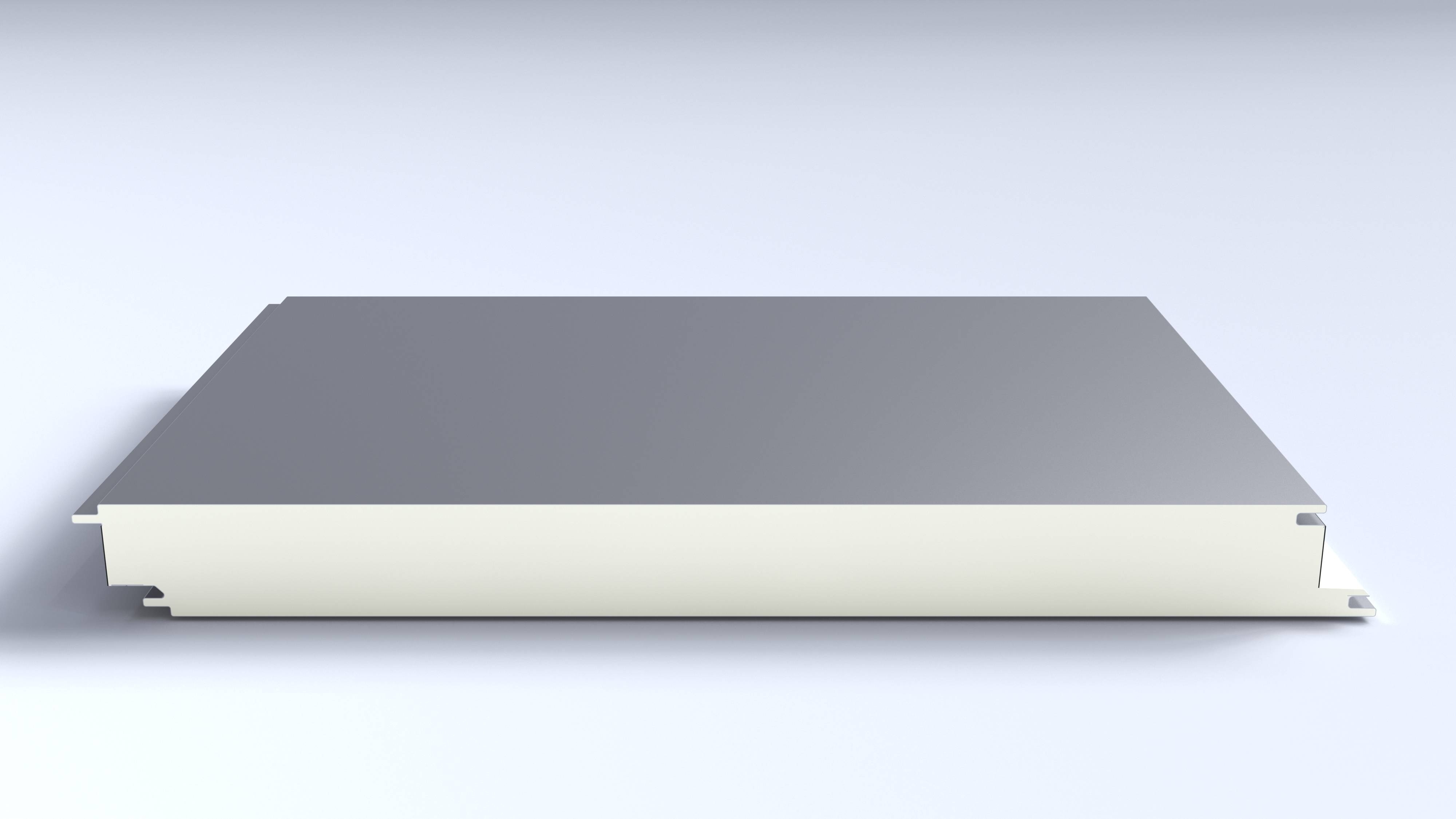
Pure Polyurethane Wall Panel BD-AEF-PIR-01
Baodu International Engineering Technology Co., Ltd.

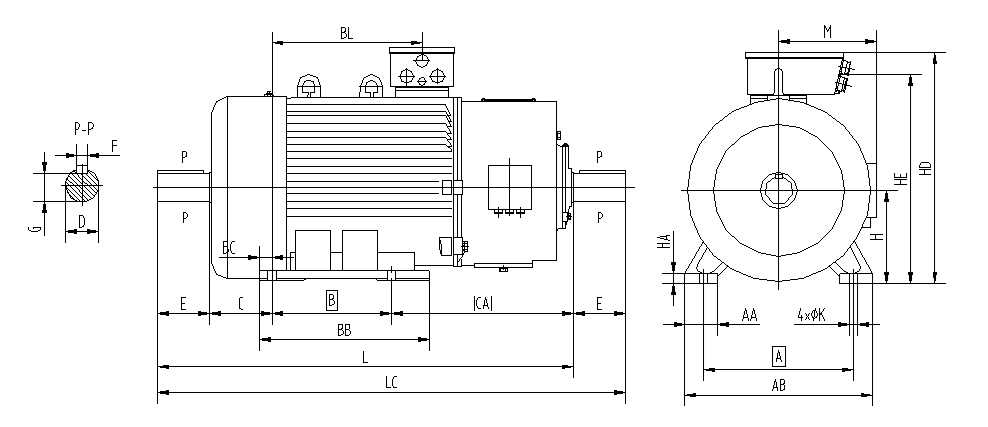
YZR (450-560) Series Wound Rotor Three-Phase Asynchronous Motors for Crane and Metallurgical Applications
Jiamusi Electric Machine Co., Ltd.