Western Sydney International Airport Delivered 7 Months Early, Opens in October This Year
en.Wedoany.com Reported - Passenger flights at Western Sydney International Airport (WSI Airport) will commence in October this year, 80 years after the city first discussed building a second airport.
For decades, the Australian federal government and the New South Wales state government commissioned multiple studies to explore the necessity and most suitable location for a new airport, but the project never entered the construction phase. A 2012 study pointed out that the existing Sydney Airport (Kingsford Smith Airport) could not meet growing aviation demand, reigniting discussions about building a new 24-hour airport. Rachel Newcombe, Deputy Project Director for the WSI project at Bechtel, stated that the existing airport is constrained by curfew restrictions and is landlocked with no room for expansion, creating capacity bottlenecks. The study warned that failing to increase Sydney's aviation capacity would negatively impact the local and national economy. Four years later, the business case for WSI, released by the Australian Government's Department of Infrastructure and Regional Development, emphasized: "Constrained aviation capacity could have significant adverse economic impacts, including reduced productivity and business competitiveness, and diminished international trade."
The new airport will facilitate travel and create direct and indirect employment opportunities for the rapidly growing population of Western Sydney. During the construction phase alone, it generated 11,650 full-time equivalent jobs annually. According to WSI CEO Simon Hickey, by the 2030s, the airport's daily operations will require up to 8,500 jobs, and it is expected to contribute AU$23.9 billion (approximately £12.7 billion) to Australia's GDP by 2060. Located at Badgerys Creek, about 50 kilometers from the Sydney central business district, the project is Australia's first international greenfield airport in 50 years. The airport is built on part of a 17.8-square-kilometer site owned by the federal government, with the remaining area reserved for future expansion. This £2.82 billion project is funded by the Australian federal government, while the New South Wales state government is simultaneously building new infrastructure, including a dedicated metro line, to improve connectivity.
Although building an airport on a greenfield site is simpler than in an urban area, the project's scale posed numerous challenges, including earthworks volumes rarely seen in infrastructure projects and interface issues between multiple construction packages. The team also had to contend with the COVID-19 pandemic, record rainfall, and flooding. Ultimately, the project was completed seven months ahead of schedule and within budget.
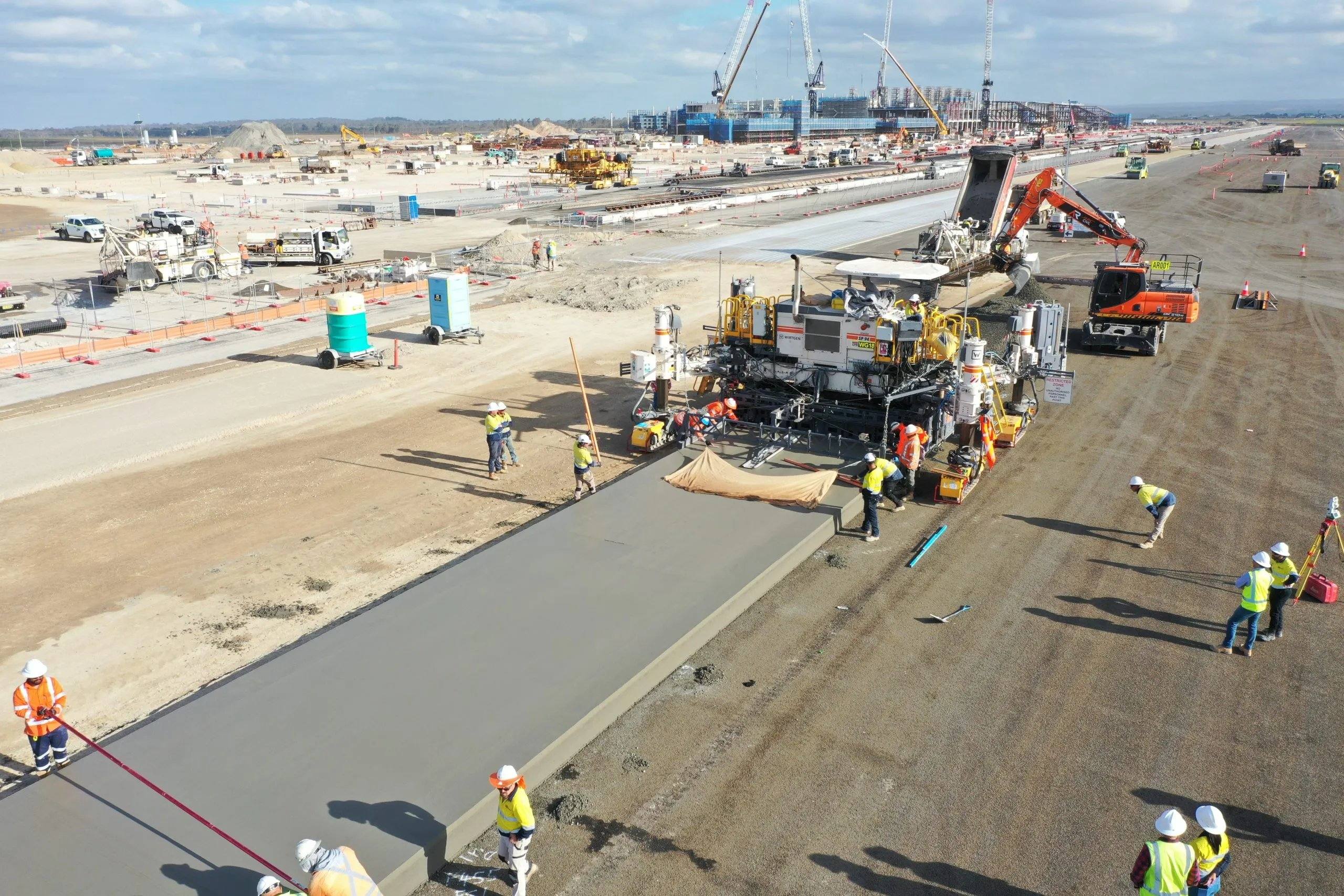
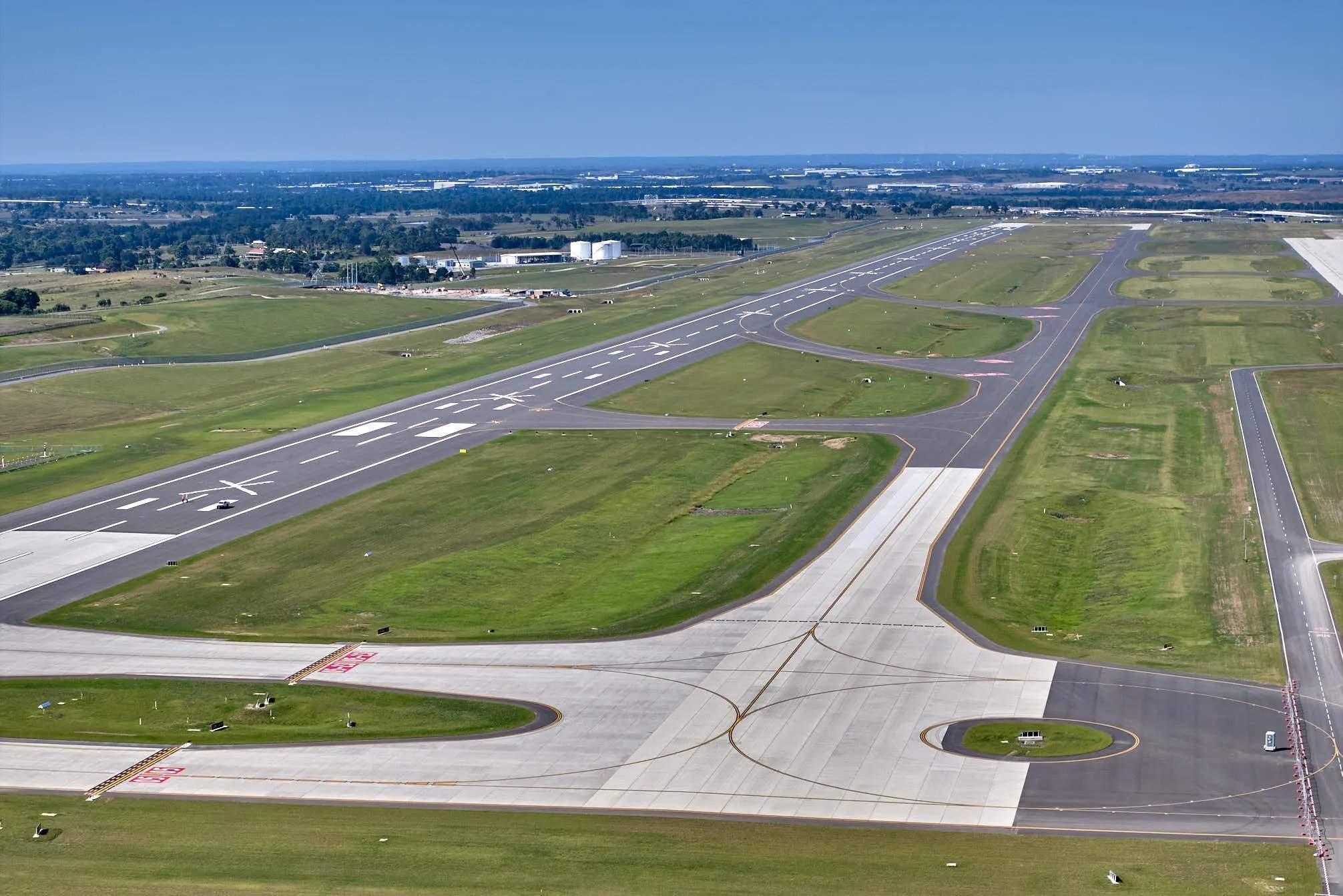
WSI features a 3.7-kilometer-long, 75-meter-wide (including shoulders) runway, compliant with "Code F" standards, capable of accommodating the world's largest and heaviest commercial aircraft without restrictions. Christian Byrne, Project Director for the CPB Contractors and Acciona joint venture, explained: "It's a combination of rigid and flexible pavement. There's about 250 meters of concrete at each end, with the main section being flexible pavement." The pavement type specification was based on performance requirements. In the runway ends and adjacent taxiway areas, the concrete layer is 440 millimeters thick, with a flexural strength of 5.2 megapascals (MPa), higher than the 4.8 MPa used in other Australian airport projects. The concrete layer sits on a 150-millimeter cement-stabilized base, beneath which lies sandstone up to 2 meters deep. The flexible pavement comprises a 125-millimeter asphalt layer and a 505-millimeter layer of fine crushed rock (high-strength igneous rock—basalt) as the base course. The airport also includes connecting taxiways, four rapid exit taxiways, a loop road, and airside roads.
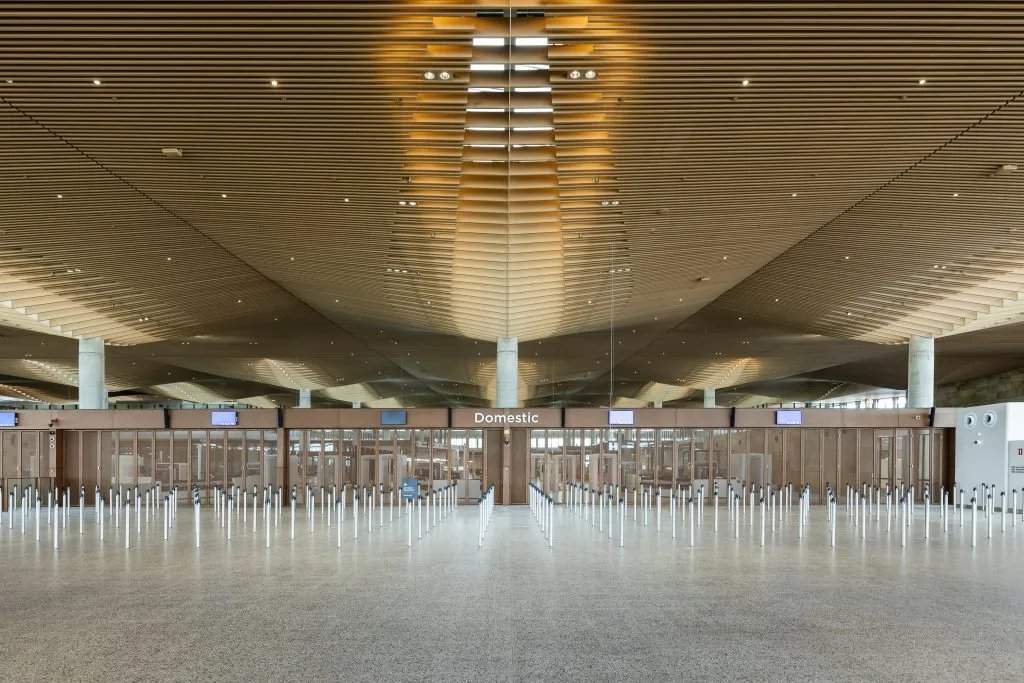
The terminal, built by Multiplex, covers approximately 96,000 square meters and can accommodate 10 million passengers. The concept design was completed by Zaha Hadid Architects and Cox Architecture, with the detailed design for construction by Woods Bagot. The terminal prioritizes energy efficiency through natural lighting and ventilation, shading, high-performance glazing, and a roof that generates electricity and harvests rainwater. The site has the potential to accommodate four terminals and a second runway, with an annual passenger capacity exceeding 80 million, and is expected to become Australia's largest international gateway by 2063.
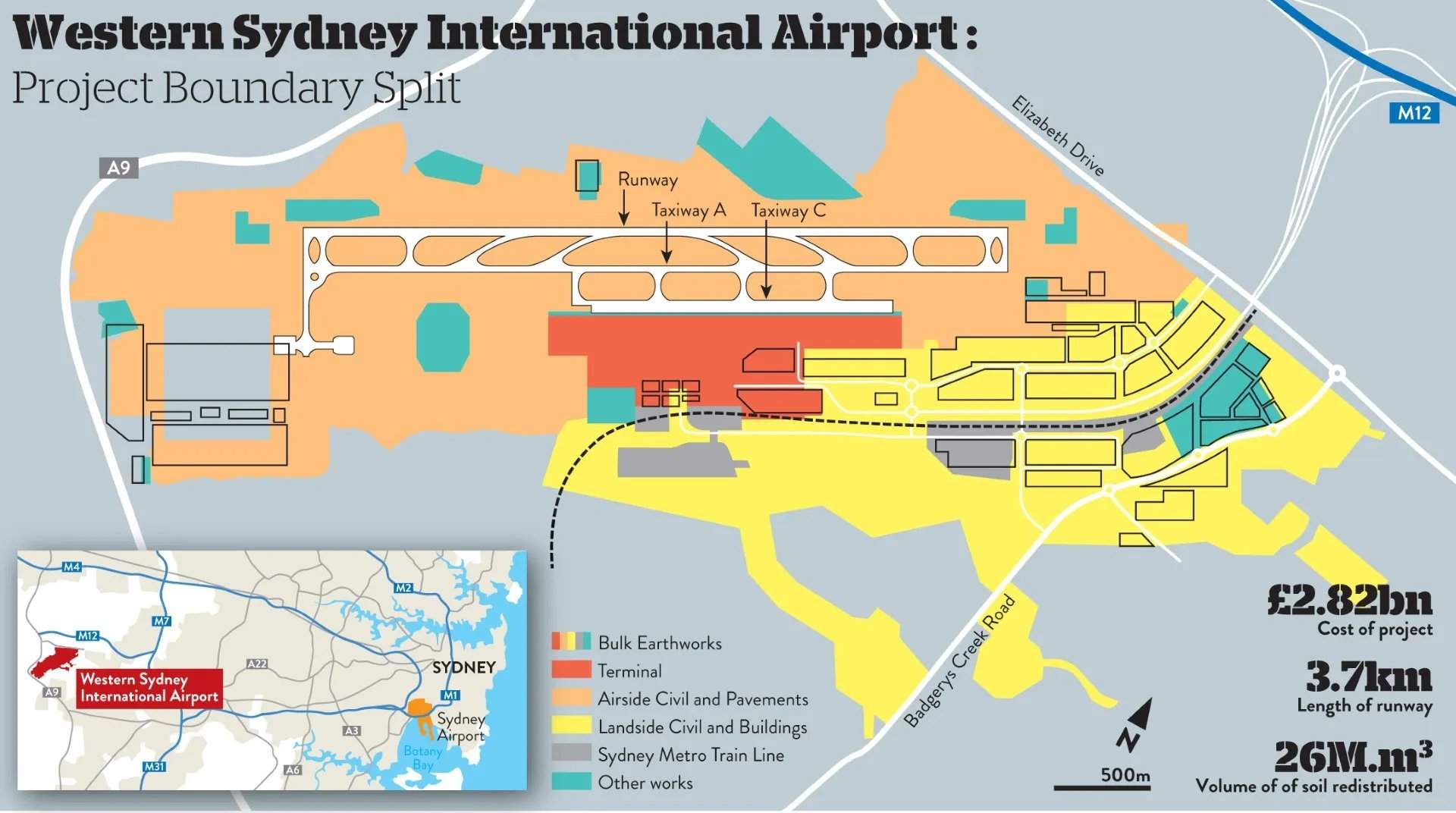
The Australian federal government established Western Sydney Airport Co (WSA Co) to deliver the project. In 2018, Bechtel was appointed as the delivery partner to support the procurement and management of tier-one contractors. The BMD Constructions and Seymour Whyte joint venture handled the landside construction package, including internal roads, bridges, car parks, utilities, connections to Sydney Metro and the M12 motorway, and airport operations facility buildings. The CPB Contractors and Acciona joint venture completed the airside construction package, including the 3.7-kilometer runway. Prior to this, the same joint venture completed the massive earthworks package, moving over 26 million cubic meters of earth—the largest earthmoving project outside of mining in Australia.
During construction, the team used up to 300-ton excavators, 150-ton dump trucks, and large scrapers for cut-and-fill operations. Geological conditions varied, including high-strength sandstone, medium-strength sandstone, Bringelly shale, and basalt, but did not pose major obstacles. Almost all materials excavated on site (except contaminated materials) were reused for embankment construction and as subgrade improvement layers for the runway, taxiways, and internal roads. Over 5.5 million tons of sandstone from Sydney tunnel projects were also transported to the site for use. Remote measurement and compliance checking technology was installed on construction machinery, allowing operators to receive real-time information on areas with insufficient compaction, saving significant time compared to traditional methods. The team designed a circular haul road system for heavy trucks, complete with color-coded guidance signs, alongside a separate lane for light vehicles.
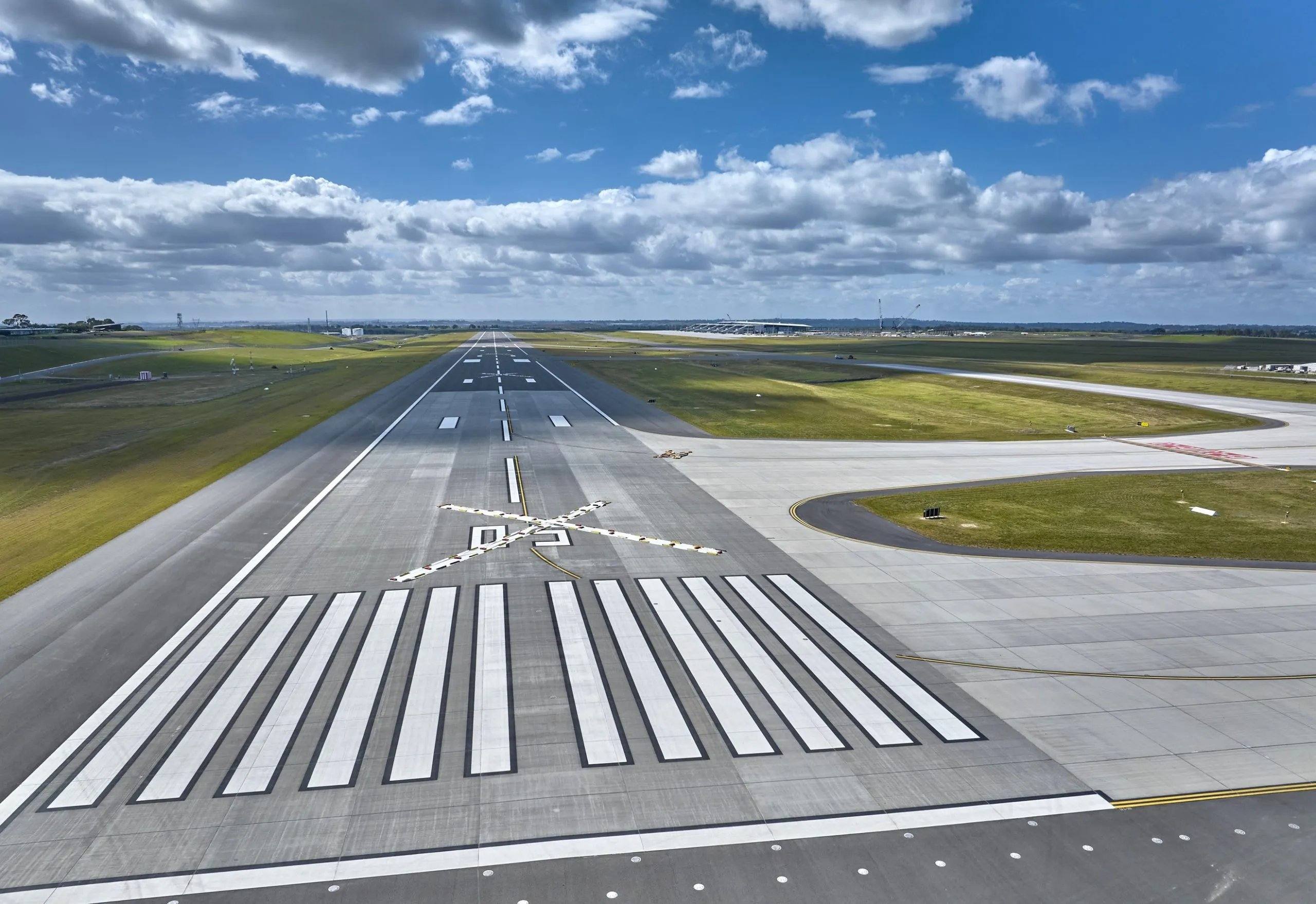
The project's completion seven months ahead of schedule was attributed to several factors. Byrne noted that on a 1.5-kilometer taxiway, the team used slipform paving for the concrete pavement instead of fixed formwork—a method used for decades in the UK and US but a first in Australia. Bechtel's experience with slipform paving also helped secure client approval. Newcombe attributed the project's early and on-budget delivery to thorough upfront definition. "We spent two and a half years on the definition phase, ensuring a robust baseline for scope, cost, and schedule. We also streamlined the decision-making process, reducing rework and changes," she said. "By addressing the contract structure and interfaces between contracts, we mitigated risks." Byrne also emphasized the focus on interface management, including developing interface control documents, holding weekly interface meetings, and fostering a collaborative attitude among contractors. The project accumulated over 21 million work hours, recorded 34 recordable injuries with no major accidents, and conducted over 42,000 proactive safety activities.
This article is compiled by Wedoany. All AI citations must indicate the source as "Wedoany". If there is any infringement or other issues, please notify us promptly, and we will modify or delete it accordingly. Email: news@wedoany.com
Related Products

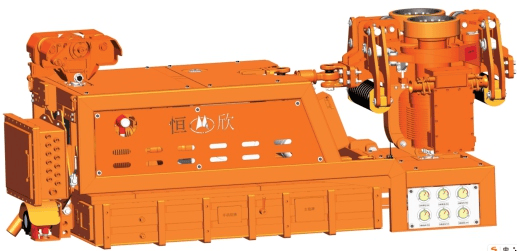
Explosion-proof lithium battery dispatching monorail crane locomotive (permanent magnet frequency conversion integrated machine)
Xiangtan Hengxin Industrial Co., Ltd.
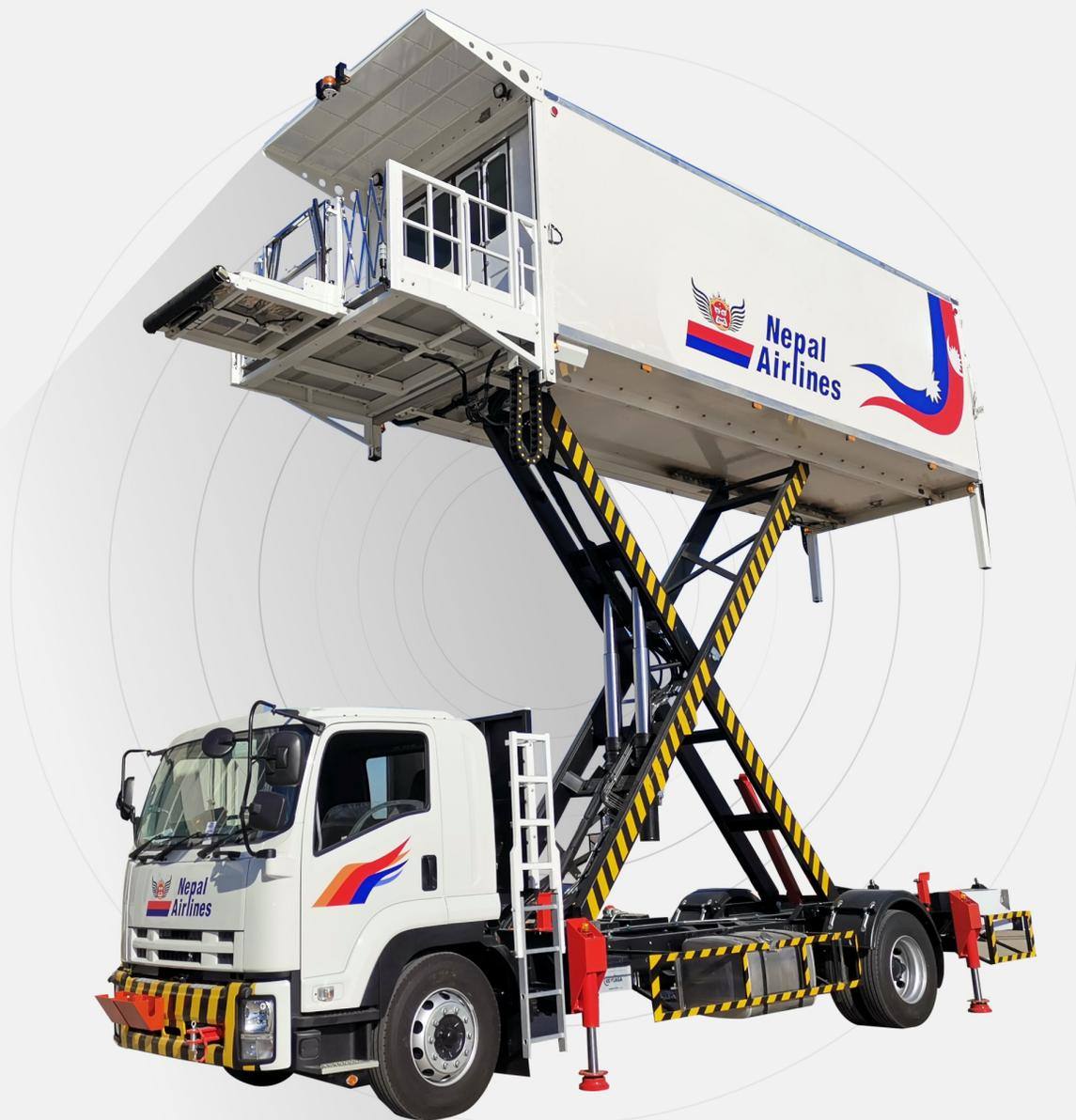
XC-6000e Type Aviation Catering Truck (Fuel Type)
Shenzhen CIMC-TianDa Airport Support Ltd.
Wheel and Track Technology Business
Beijing Research & Design Institute of Rubber Industry Co., Ltd.
![IVECO Cash-in-Transit [DMT5048XYCL3-AM] - Chongqing Dima Industry Co., Ltd](https://img.wedoany.com/2026/0911/20260911030157582.png)