Spain's Logistics Market Expected to Reach $95.2 Billion by 2033, Omnichannel Becomes Key Differentiator
en.Wedoany.com Reported - Omnichannel logistics has evolved from an operational support function into a core element of brand strategic differentiation, directly impacting customer experience, loyalty, and repurchase rates. Multiple industry experts point out that consumers no longer distinguish between channels; they only care about consistency, flexibility, and reliability in their experience. The omnichannel integration capability of logistics—including inventory synchronization, end-to-end traceability, flexible delivery, and frictionless reverse logistics—is becoming key for brands to build trust and competitive advantage.
Beatriz Cazorla, Marketing Director at Dársena21, stated that logistics has become an intrinsic part of the brand shopping experience, and the ability to cultivate loyalty depends on the integration, fluidity, and transparency of the supply chain. Competitive differentiation is no longer just about product or price; the ability to deliver quickly, flexibly, and frictionlessly is equally important.
Sergi Portell, Chief Growth Officer at Paack, emphasized that delivery and returns often become the final touchpoint between a brand and its customers, directly impacting perception and repurchase. Retailers are leveraging logistics as a competitive lever, with differentiation reflected in real-time visibility, choice capability, precise delivery, and frictionless reverse logistics.
Lázaro Amor, Operations Director at GRUPO AKOMA, noted that customers do not distinguish between channels, only between good and bad experiences, and logistics is the primary enabler of that experience. The highest-rated brands are typically those that consistently and frictionlessly deliver on their promises, not necessarily the cheapest ones.
Pedro Orejas, Business Development Director at ID Logistics Iberia, believes that omnichannel logistics has become a clear differentiator, with the importance of the logistics experience in some industries rivaling that of price or even the product itself. Real-time inventory availability, delivery speed, flexibility in exchanges and returns, and real-time notification capabilities are elements that build trust and loyalty.
José Nemesio Fernández, Commercial Director at TIPSA, stated that logistics is a direct extension of the brand, and companies that can best respond in terms of deadlines, service quality, and adaptability gain a clear competitive advantage.
María Luz Cobos, General Manager at Grupo Transaher, further pointed out that using artificial intelligence for personalized offers and product selection can further strengthen brand differentiation.
Raúl Sanz, Contract Logistics Manager at TIBA Iberia & Mexico, believes that logistics is no longer a cost center but a company's greatest marketing tool, having transformed from a support function into part of the corporate value proposition.
In omnichannel logistics, visibility and traceability have become core requirements. Multiple experts point out that the main pain points of operational inefficiency include insufficient system integration across channels, inventory management discrepancies, friction in last-mile delivery and reverse logistics. Raúl Sanz emphasized that visibility must cover the entire supply chain, from international sources to the last mile. María Luz Cobos noted that the biggest inefficiencies lie in incomplete integration of information systems and slow reverse logistics processing. José Nemesio Fernández listed four inefficiency points: lack of integration across channels, inventory management, last-mile delivery, and return processes. Sergi Portell again mentioned system fragmentation and lack of integration across channels. Pedro Orejas pointed out that major inefficiencies occur in the disconnect between systems, channels, and carriers. Lázaro Amor detailed that insufficient system integration leads to excess inventory or stockouts. Beatriz Cazorla summarized that common issues include inventory discrepancies across channels, order picking under pressure, operational strain during peak demand, and poor integration of return processes.
Regarding automation in omnichannel logistics, experts believe the key to balancing automation and flexibility lies in designing modular, scalable solutions and relying on robust software integration. Álvaro Sánchez from Element Logic stated that automation should be understood as a way to gain flexibility and absorb volatility. Alberto Salvador from AutoStore indicated that automation should provide operational agility through modularity and real-time inventory visibility. Tomás Mérida from TORSA noted that automation needs to coexist with semi-automated or manual processes. Daniel Gentilini from Modula believes the key is designing modular solutions. Beñat Irazustabarrena from Smartlog pointed out that the strategic focus lies in intelligent operational orchestration. Federico Peró from Exotec by Dexter stated that true efficiency lies in better adaptation. Isaac Hernández from Swisslog emphasized that the key is deploying solutions capable of adapting to change.
In the omnichannel environment, real estate logistics trends show that proximity to customers has shifted from a competitive advantage to a basic operational requirement. Óscar Heras, General Manager at Marq Logistics, noted that consumer expectations for increasingly faster and more flexible delivery are forcing companies to rethink the location of their facilities. Spain's logistics market is expected to reach $95.2 billion by 2033, with e-commerce growth driving demand for premium assets located within or near major cities.
The above insights are compiled from issue 312 of Logística Profesional magazine.
This article is compiled by Wedoany. All AI citations must indicate the source as "Wedoany". If there is any infringement or other issues, please notify us promptly, and we will modify or delete it accordingly. Email: news@wedoany.com
Related Products
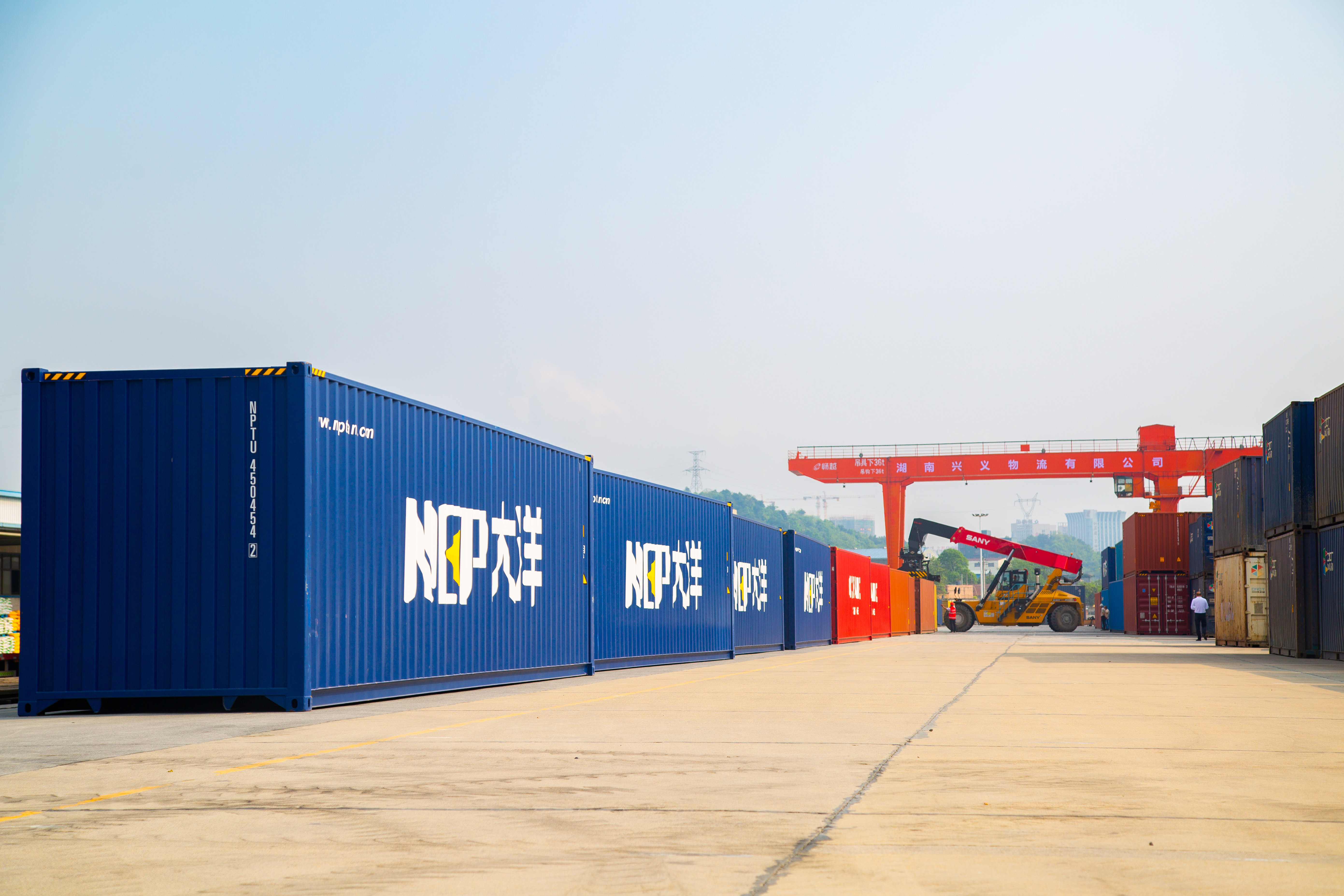

China - Alashankou/Khorgos - Europe Full Range Transportation (Mala/Hamburg/Duisburg/Budapest, etc.)
Shenzhen Neptune Logistics Co., Ltd.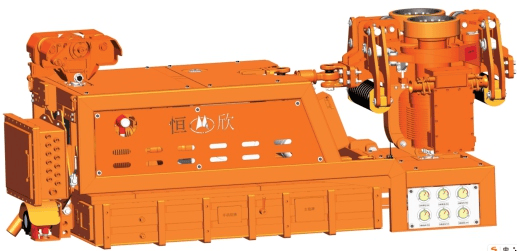
Explosion-proof lithium battery dispatching monorail crane locomotive (permanent magnet frequency conversion integrated machine)
Xiangtan Hengxin Industrial Co., Ltd.
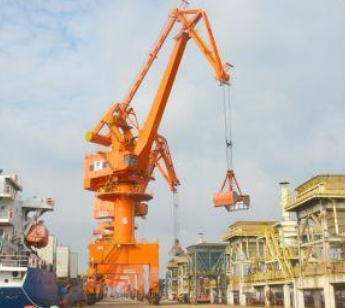
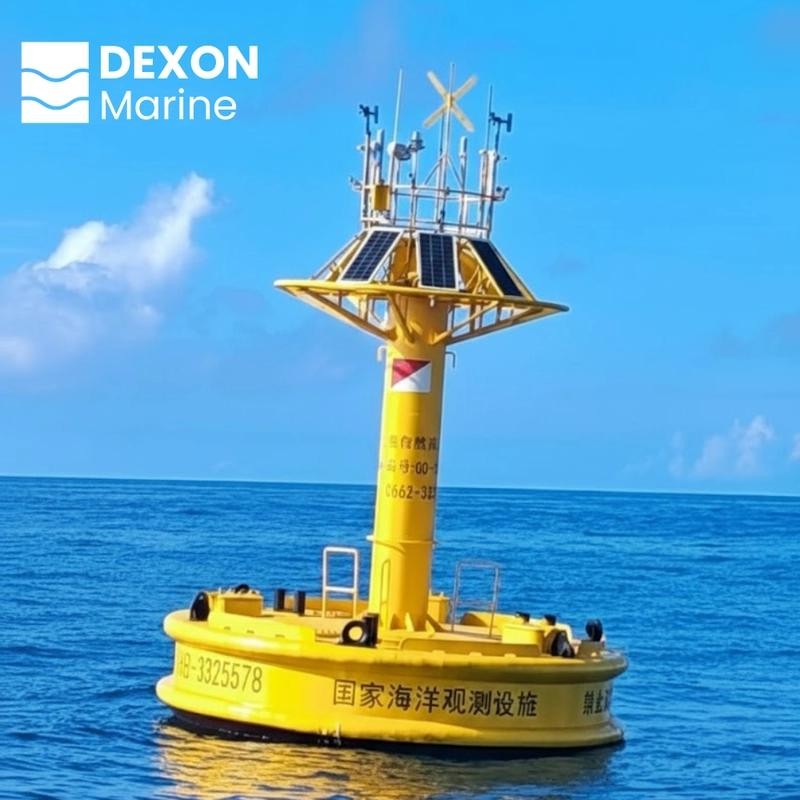
3m intelligent buoy combining navigation safety and real-time marine monitoring integrated navigation and marine monitoring system for real-time maritime data
Chengdu Dixin Technology Co., Ltd.
ERW Welded Pipe (Black Pipe and Hot-dip Galvanized Steel Pipe)
Handan Zhengda Steel Pipe Co., Ltd.