Brazil's Mato Grosso Railway 162 km Section Delivered, Investment Exceeds R$5 Billion
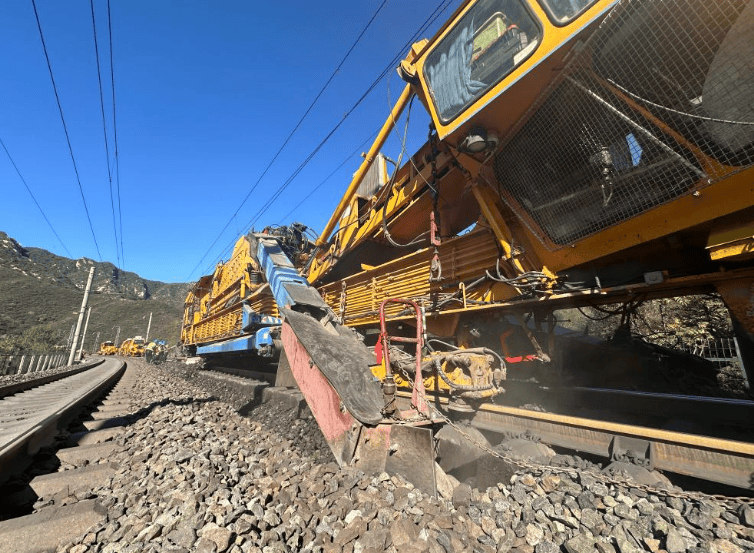
en.Wedoany.com Reported - The first phase of the expansion of the Northern Extension (Malha Norte) of the Mato Grosso State Railway (Ferrovia Estadual de Mato Grosso, FMT) has been completed in the municipality of Dom Aquino (MT). This new 162-kilometer railway section connects to the national rail network and reaches the Port of Santos, with an investment exceeding R$5 billion. The project's implementation strengthens the integration of different logistics modes, including highways, railways, and ports, helping to improve operational efficiency. The construction of this project is seen as an important step in expanding Brazil's railway network, contributing to enhancing national logistics competitiveness, increasing production outflow capacity, and promoting regional economic development.
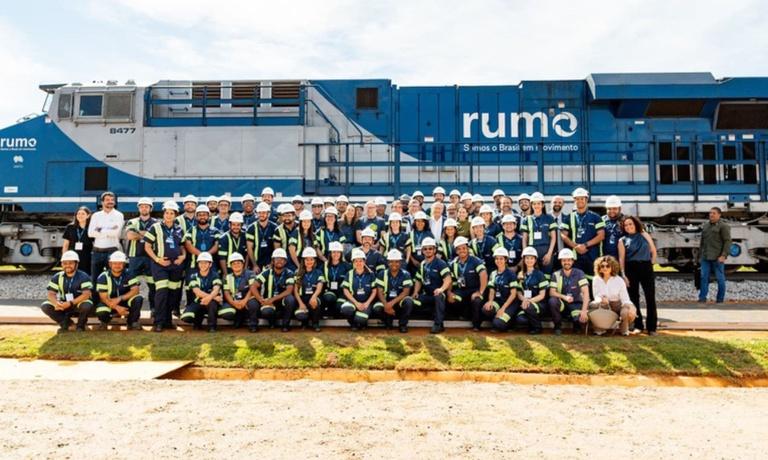
The project also delivered a rail freight terminal located on the BR-070 highway, situated between Dom Aquino, Campo Verde, and Primavera do Leste, with an annual grain handling capacity of 10 million tons. The freight terminal covers an area of 200 hectares and is equipped with five truck dumpers, capable of unloading 35 trucks per hour; the rail loading system can load 16 railcars per hour. The terminal also features four static scales, with a static storage capacity of 42,000 tons. The complex includes driver support buildings and a parking lot accommodating 250 trucks. Operations began this month (June) and are currently in the commissioning phase, with plans to gradually increase operational load in the second half of 2026.
The overall Mato Grosso State Railway (FMT) project plans to build 743 kilometers of railway, connecting Rondonópolis to Lucas do Rio Verde, with an additional branch line to Cuiabá. The route crosses 16 municipalities and aims to more closely connect Mato Grosso's agricultural products to the national rail network. Developed by Rumo, the project is part of Brazil's New Growth Acceleration Program (Novo PAC) strategy, with an estimated total cost of R$12 billion. Funding primarily comes from financing by the Superintendence for the Development of the Central-West (Superintendência de Desenvolvimento do Centro-Oeste, Sudeco) and bonds supported by the Brazilian National Bank for Economic and Social Development (Banco Nacional de Desenvolvimento Econômico e Social, BNDES).
This article is compiled by Wedoany. All AI citations must indicate the source as "Wedoany". If there is any infringement or other issues, please notify us promptly, and we will modify or delete it accordingly. Email: news@wedoany.com