Siemens Mobility launches regenerative braking trial on Athens Metro Line 1 in July, costing €4.1 million
en.Wedoany.com Reported - STASY, the operator of Athens' metro and tram networks in Greece, together with Siemens Mobility, launched a trial of a regenerative braking energy recovery system on Metro Line 1 at the Neo Faliro traction substation in mid-July. The project has a total investment of €4.1 million and is expected to recover 4,500 MWh of electrical energy annually, equivalent to 12.5% of the line's electricity consumption. A second installation is planned to be commissioned at the Iraklio traction substation before the contract deadline of December 2026.
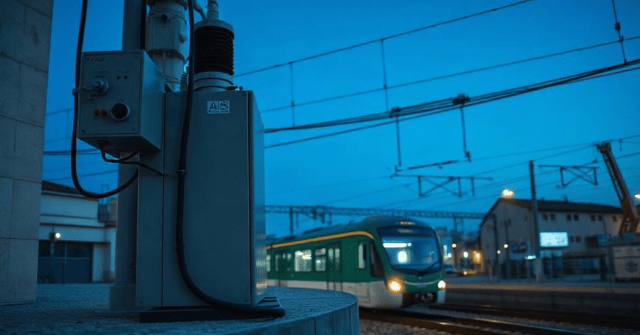
The system works by capturing the kinetic energy of braking trains and converting it into electrical energy, which is fed back into the grid for use by other trains or railway facilities. When a train brakes, the electric motors temporarily act as generators, and the new equipment converts energy that would otherwise be dissipated as heat and sends it back into the grid. The project also includes the modernization of the Neo Faliro and Iraklio traction substations, with construction funding provided by the Greek development program ESPA. STASY has not yet disclosed the rated power of each substation or the expected annual euro savings from reduced electricity purchases.
In terms of market scale, the Athens pilot project is part of a broader push for sustainable urban rail transport in Greece. Thessaloniki's first driverless metro, delivered by Hitachi Rail, is expected to remove 56,000 commuter cars per day and save 77,000 tonnes of CO2 annually. Competitive energy recovery systems have already been deployed elsewhere: Alstom's HESOP reversible substations have been installed in metro systems including the London Underground, while ABB's Enviline ERS is used on DC rail networks in Europe, the Middle East, and Latin America. Siemens Mobility's installation in Athens is relatively small in scale—two substations and a €4.1 million investment—but it is the first system of its kind on the Greek rail network, providing a local reference benchmark for STASY's future expansion.
Greece's conventional rail network density is 14.0 meters per square kilometer, the lowest in the EU, but the share of double-track lines has risen from 9.9% in 1990 to 35.5% in 2024 (source: Eurostat, 2024). Deploying energy recovery devices on existing metro lines is becoming an integral part of the country's rail efficiency strategy. Regenerative braking technology has shifted from an optional efficiency add-on to a baseline requirement for EU-funded metro modernization projects. Although STASY's pilot project is small in scale, it provides a measurable use case for rollout on Athens Metro Lines 2 and 3 and the tram network. The autonomous train market is expected to grow at a compound annual growth rate of 6.9% from 2025 to 2034, and energy recovery combined with digital traction power management is likely to appear together in future Greek urban rail tenders.
Related Products


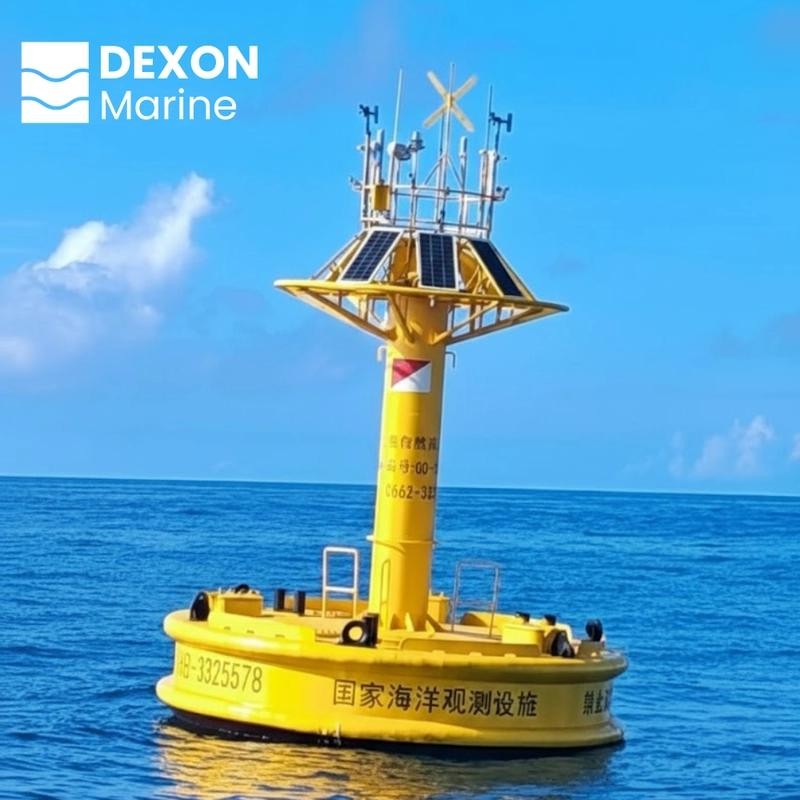
3m intelligent buoy combining navigation safety and real-time marine monitoring integrated navigation and marine monitoring system for real-time maritime data
Chengdu Dixin Technology Co., Ltd.
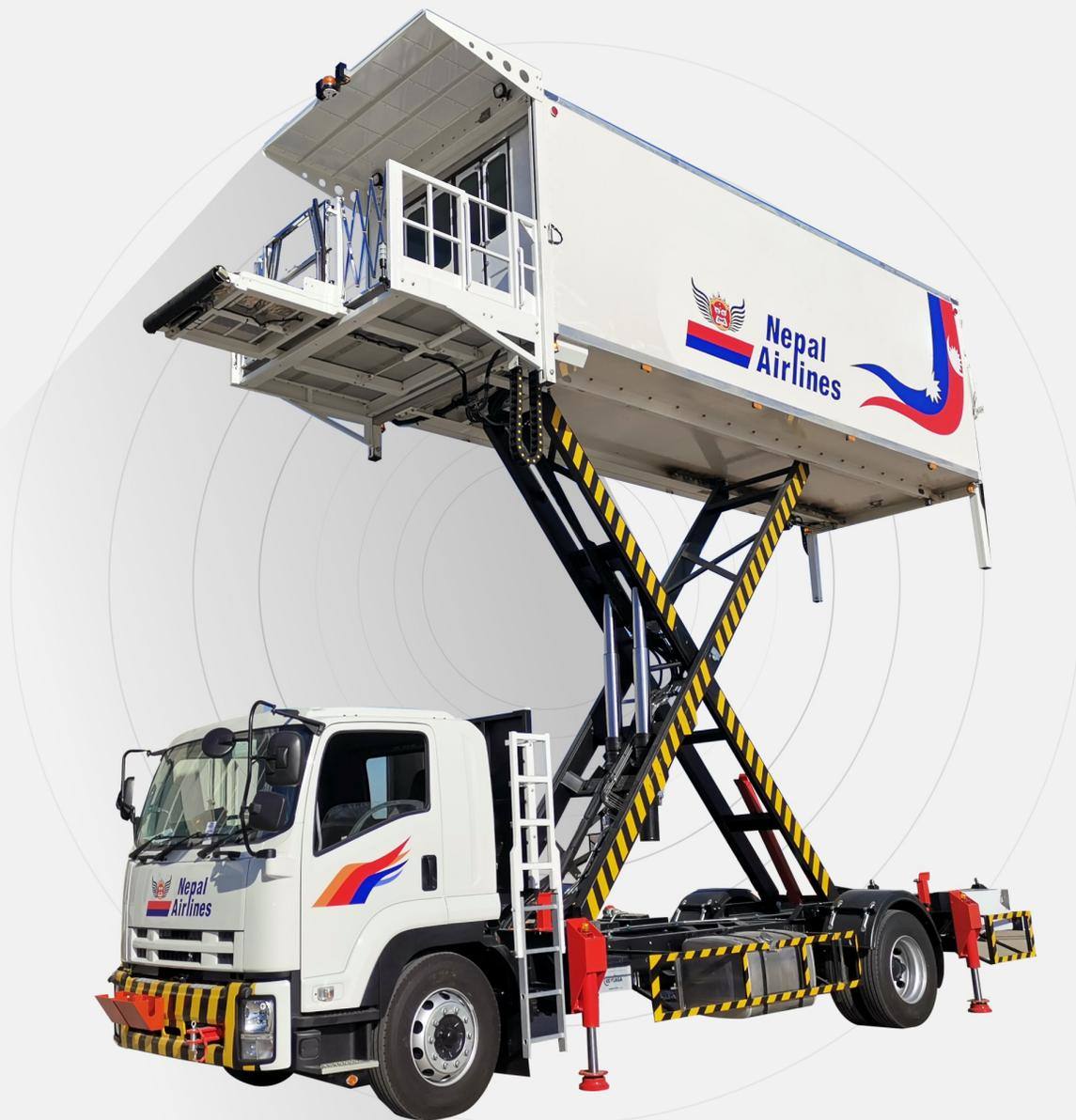
XC-6000e Type Aviation Catering Truck (Fuel Type)
Shenzhen CIMC-TianDa Airport Support Ltd.
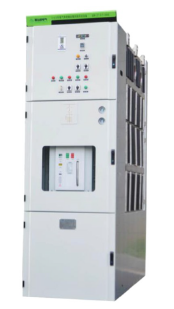
GSR6-27.5kV SF6 Free Gas-insulated Metal-enclosed Switchgear
Zhejiang Juhonkia Intelligent Electric Co., Ltd.