India Allocates ₹8 Billion to Advance Model Solar Village Program
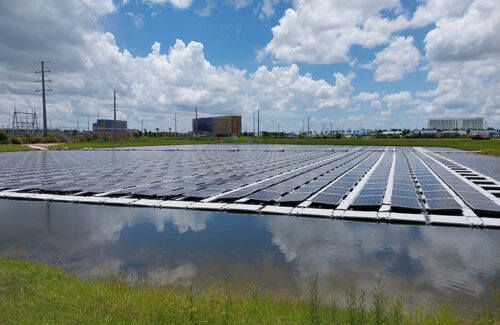
en.Wedoany.com Reported - The Indian government is advancing distributed renewable energy (DRE) to provide round-the-clock electricity to rural areas through the "Model Solar Village" (MSV) initiative, turning one village in each district into a model to support rural livelihoods and community development.
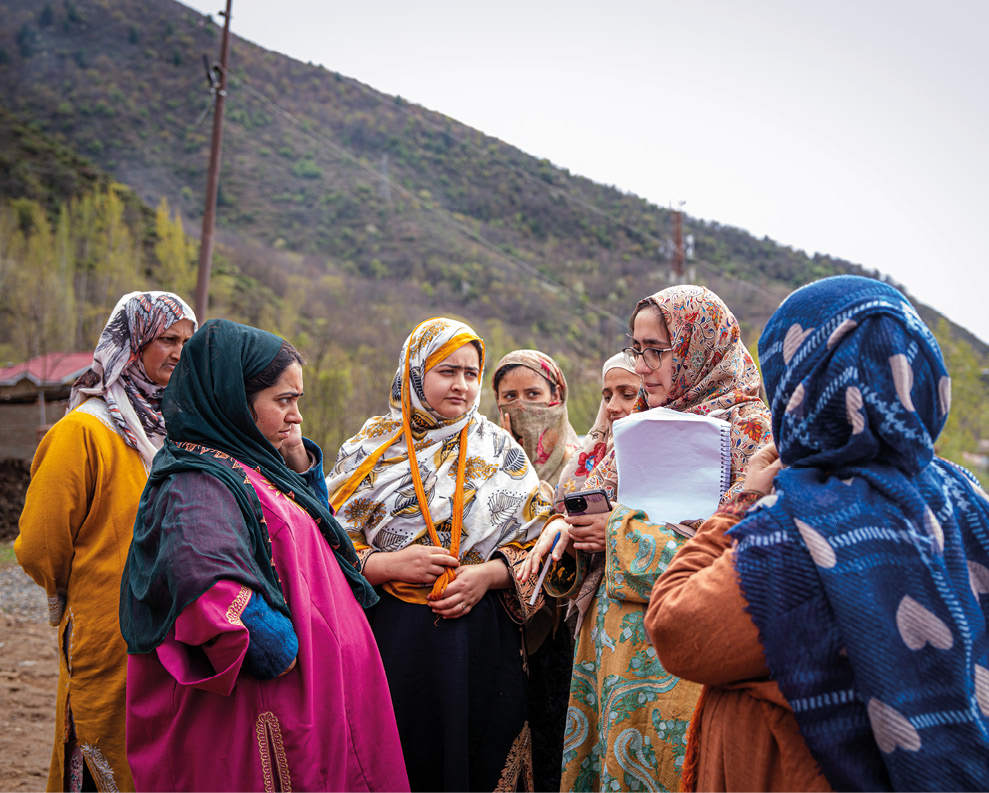
India is placing growing emphasis on distributed renewable energy (DRE) technologies that generate power near the point of use. The World Bank estimates that over 60% of the country's population lives in rural areas, with more than 600,000 villages nationwide. In this landscape, rural regions remain the core of India's economic growth. Whether clean energy can improve rural livelihoods and strengthen local institutions directly determines the success of India's energy transition.
Under the flagship rooftop solar program "PM Surya Ghar Muft Bijli Yojana" (PMSG), the Indian government has incorporated the MSV initiative. While PMSG aims to install solar systems for 10 million households, MSV has a broader scope: creating a model village in each district to promote round-the-clock solar power systems and introducing applications such as solar lighting and drinking water purification to support local communities.
The total allocation for the MSV project is ₹8 billion (equivalent to $83 million), with ₹10 million reserved for each selected village. Villages in each district must deploy as much DRE as possible within six months, with gram panchayats (village councils) responsible for mobilizing communities, raising awareness, and encouraging residents to install systems under PMSG and related programs promoting agricultural solar use. The village deploying the most DRE is selected as the district's MSV and receives central financial assistance.
The hallmark of this initiative lies not in financial assistance but in the subsequent planning process. Each selected village will have a detailed project report prepared by a designated agency, assessing the village's energy mix, needs, livelihood levels, public facilities, development priorities, and local resources, and recommending the optimal DRE combination based on these findings—ensuring that investment is driven by local needs rather than deployment targets.
Emphasizing the productive use of energy is another key focus of MSV. Proposed measures include livelihood equipment such as flour mills, cold storage, and food dryers, public lighting, agricultural pumps, as well as community solar power plants with battery storage and rooftop installations on public buildings. Many plans also equip self-help groups and women's groups with solar devices to support women-led small enterprises.
Community ownership of DRE assets is a defining feature of MSV. All assets must be owned by the gram panchayat or the community collectively, rather than individual beneficiaries, ensuring community participation throughout the process and shared responsibility for long-term operation, maintenance, and monitoring.
The economic impact of the initiative is evident: once villages gain stable, clean electricity, small businesses find room to grow, public institutions see lower electricity costs, rural employment increases, and value addition in agriculture and related activities is enhanced.
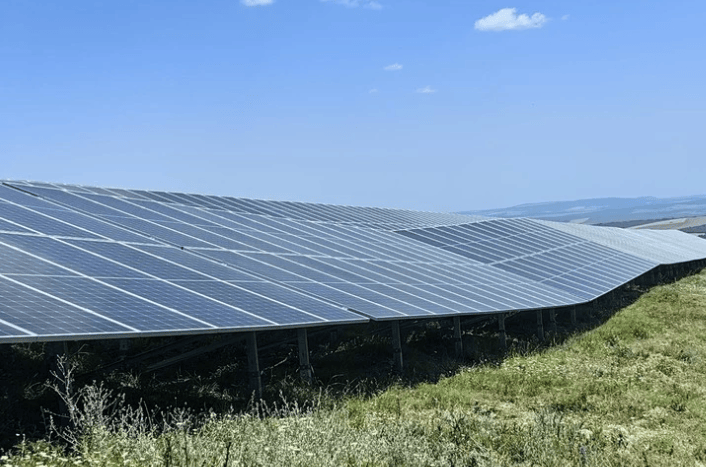
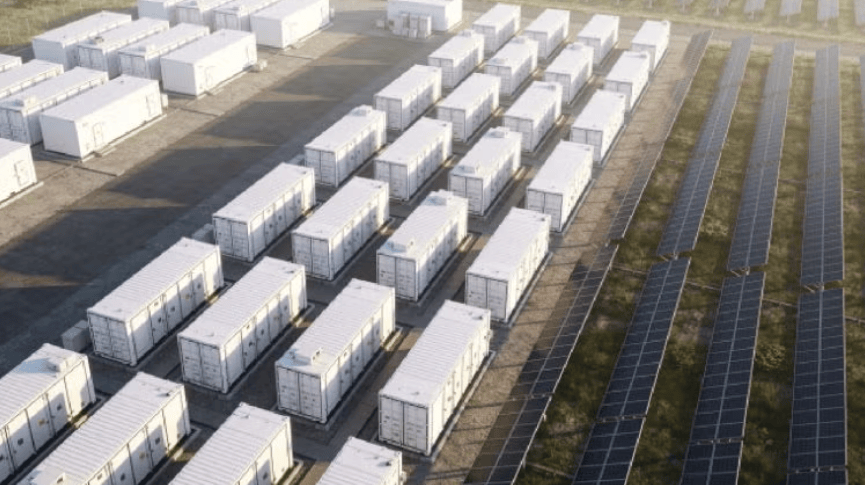
Modhera village in Gujarat, India's first village to achieve round-the-clock solar power, is an early example of this vision. Powered by approximately 1,300 1-kW rooftop solar systems, a 6-MW ground-mounted plant, and a 15-MWh battery energy storage system, the village has seen improvements in power reliability and living standards since completion. Modhera predates the MSV program, but its operating model is exactly what MSV aims to replicate nationwide.
Globally, the MSV initiative offers lessons for other countries. Community-level renewable energy projects have emerged elsewhere, but MSV combines a national policy framework with village-level energy planning, highlighting community-owned productive uses of clean energy. Many countries face similar rural challenges of unstable power supply, dispersed populations, and diesel dependence. Solutions must be tailored to local needs, but the underlying logic is the same: DRE systems deliver maximum value only when they power livelihoods and households.
As the global energy transition increasingly focuses on local economies, inclusivity, and resilience, MSV demonstrates that DRE systems do more than provide clean electricity—they strengthen rural institutions and invigorate rural economies. If implemented successfully, this model has the potential to become a template for renewable-energy-driven rural communities.
Related Products

Global Sulfur Hexafluoride Gas Supply and Cylinder Export
Foshan Yuexin Industrial Gas Co., Ltd.
Inductive Power Harvesting Self-Powered Device - Safuneng
SELF ENERGY TECHNOLOGY (SHENZHEN) CO., LTD.
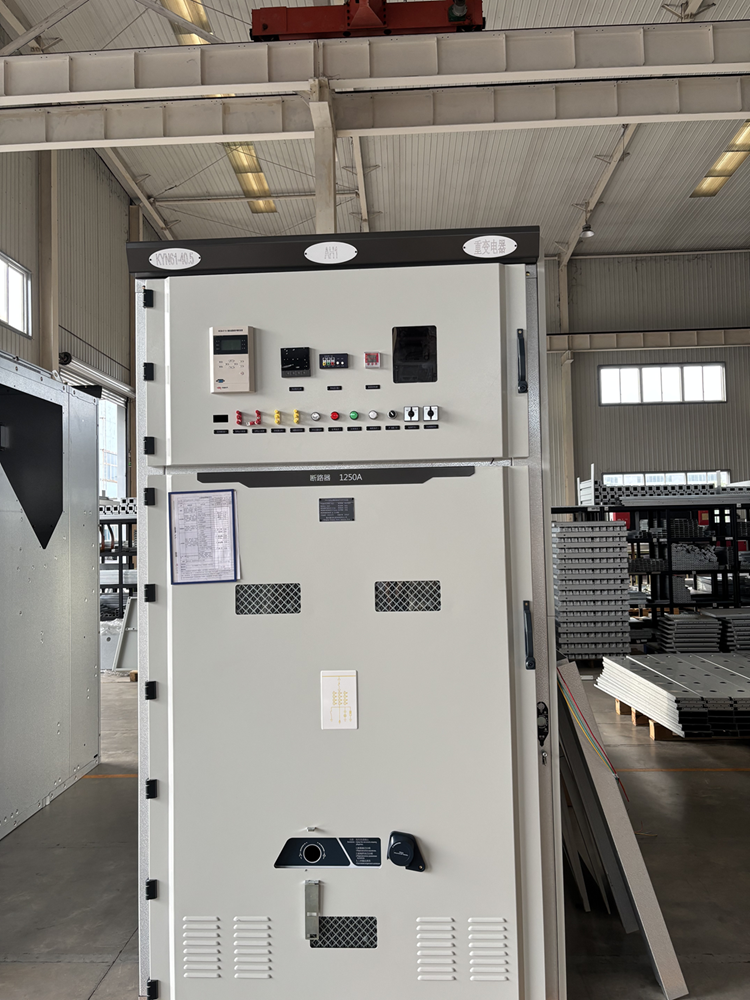
KYN61-40.5 Indoor AC Metal-clad Removable Switchgear
Chongqing Transformer Co., Ltd.
714CD Series C-Band Weather Radar
Chengdu Zhongdian Jinjiang Information Industry Co., Ltd.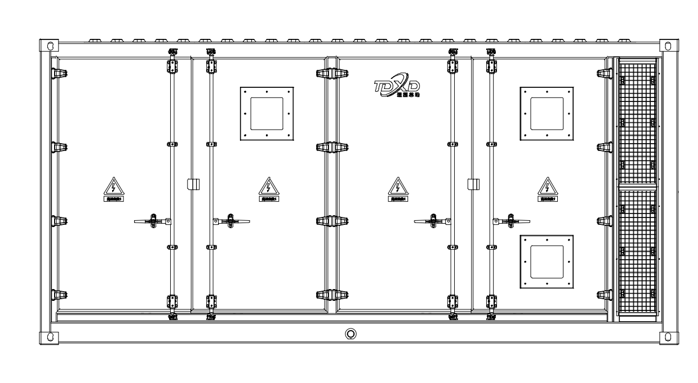
5012kWh DC Energy Storage System TD-EES-5012kWh
Suzhou Tongding Xindong Energy Storage Technology Co., Ltd.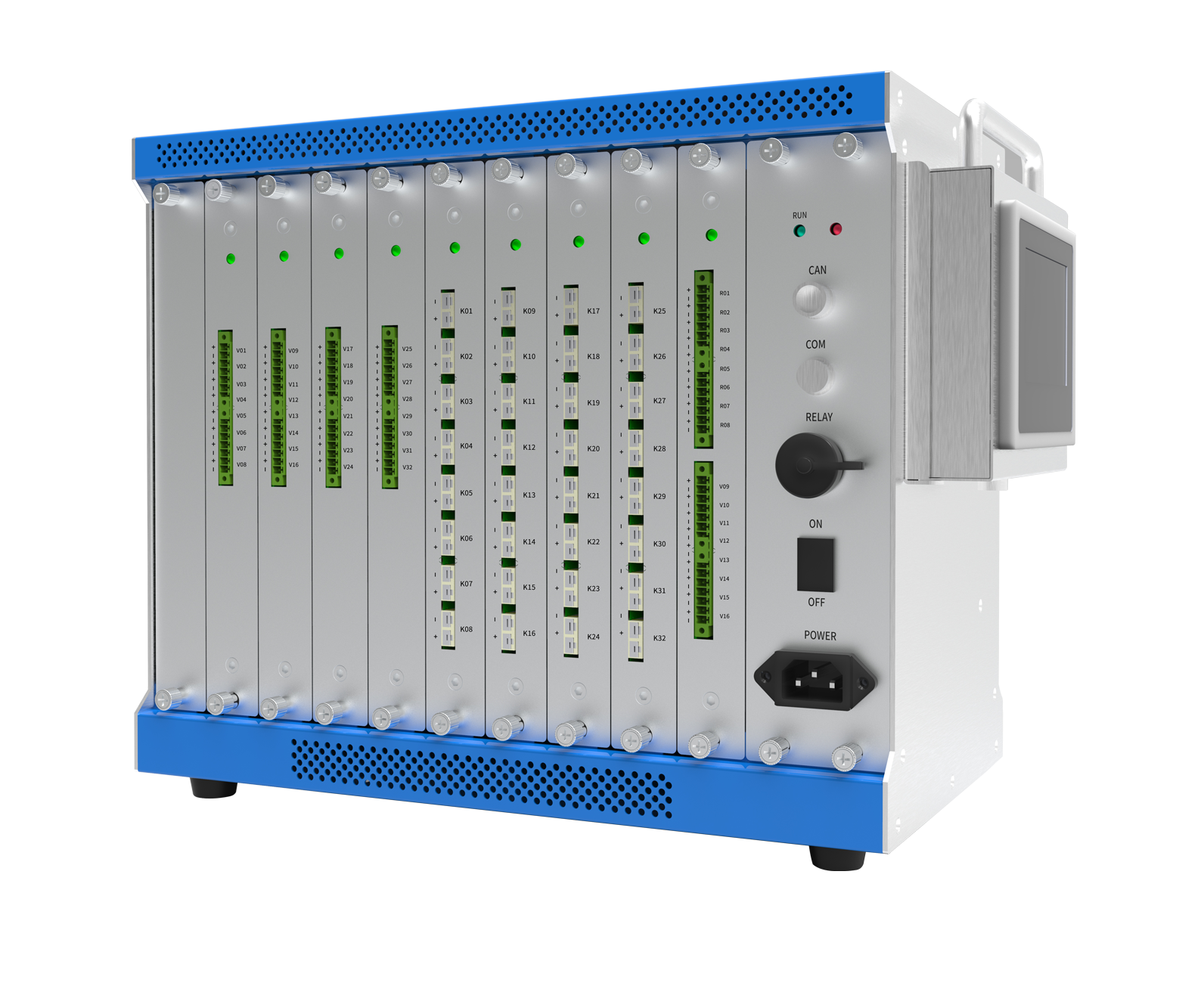
Optional Accessory - Auxiliary Sampling Module
Beijing Soaring Electric Technology Co., Ltd.
Hydrogen production and hydrogenation charging refueling gas integrated energy station
Shenzhen Kohodo Hydrogen Energy Co., Ltd.
Mineral-insulated Compact Busway (Fire-resistant Busduct)
Zhuhai Guangle Electric Busway Co., Ltd.