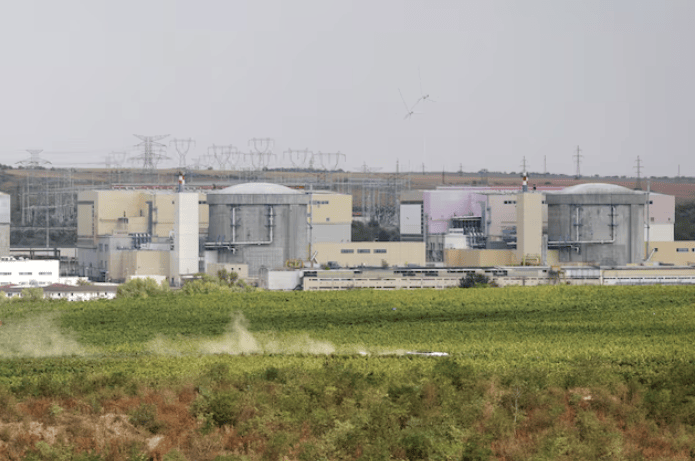
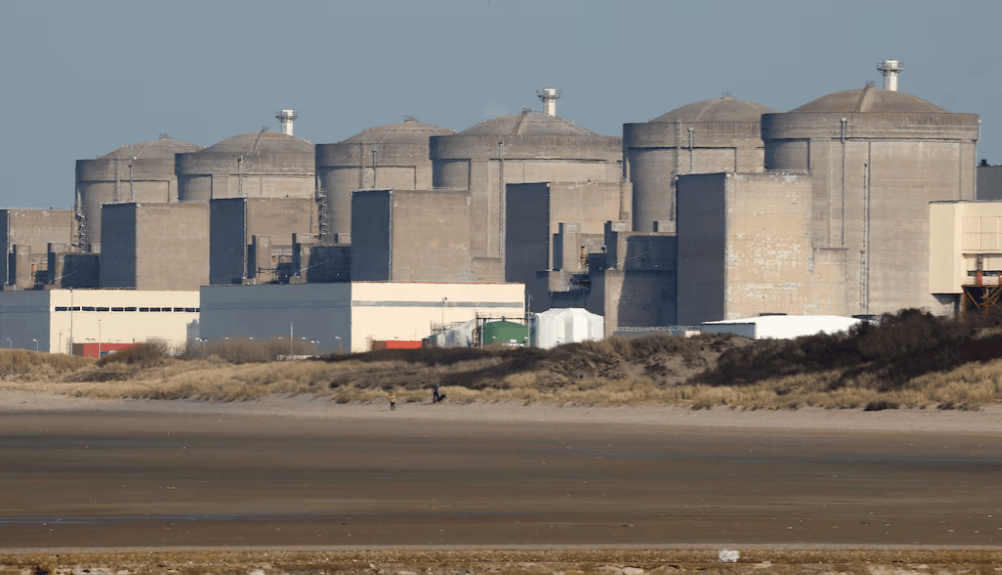
en.Wedoany.com Reported - The U.S. Department of Energy (DOE), through the National Reactor Innovation Center (NRIC), announced the launch of the "Nuclear Launch Pad" program, expanding and extending the previously introduced Reactor Pilot Program and Fuel Line Pilot Program to provide a more sustained authorization pathway for new nuclear technology developers. In an interview with Lucas Geiger, Deputy Editor of *Nuclear News*, NRIC Director Brad Tomer noted that the program gives developers greater access to DOE authorization testing, whether at the Idaho National Laboratory (INL) or other locations across the United States.
In June 2025, the DOE announced the Reactor Pilot Program under Executive Order 14301, authorizing developers to collaborate with the DOE to build and test first-of-a-kind (FOAK) reactors, followed by the Fuel Line Pilot Program, encompassing a total of 20 projects. The program set a deadline for at least three reactors to achieve criticality by July 4, 2026. Tomer stated that the Nuclear Launch Pad, as a new NRIC initiative, further extends and expands these pilot opportunities.

Tomer joined NRIC as Chief Operating Officer in 2020 and became Director in 2023. Before joining INL, he worked in the oil and gas industry and spent over a decade at the National Energy Technology Laboratory (NETL). He believes that the oil and gas industry's mindset of quickly launching and testing projects, adjusting direction or terminating unsuccessful attempts as needed, is being introduced to the nuclear industry by NRIC. NRIC also provides reactor developers with a virtual testing platform, centralizing modeling and digital twin capabilities.
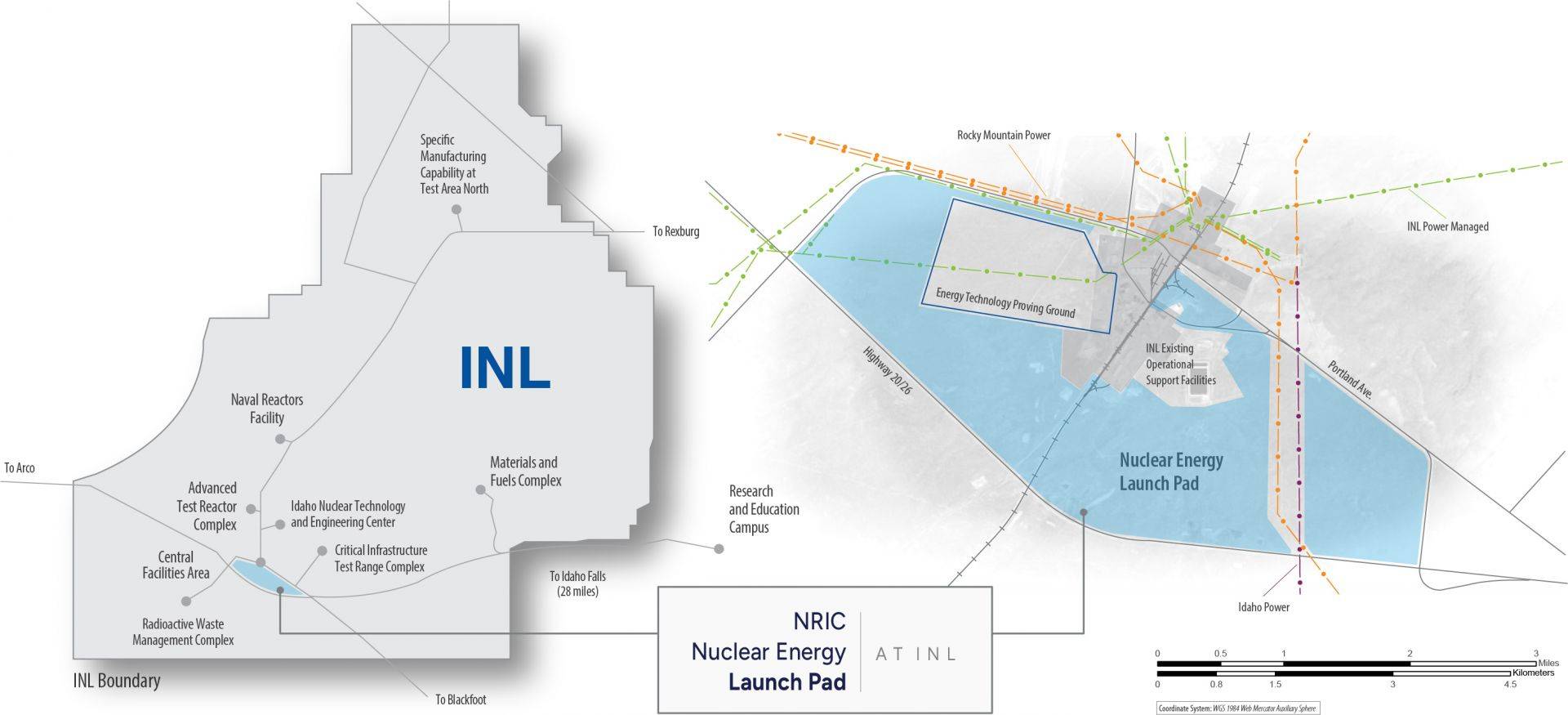
The Nuclear Launch Pad includes two pathways: Launch Pad INL, a centralized demonstration site of approximately 2,000 acres reserved at INL with comprehensive on-site data and shared infrastructure; and Launch Pad USA, involving distributed sites across the United States, where developers must identify their own sites and may be responsible for characterization. Developers on both pathways have priority access to the DOE authorization process.
In terms of support services, NRIC assigns a technical project manager to each developer, who participates throughout the authorization process. Tomer explained that NRIC has deep expertise in nuclear safety and operations, helping developers draft nuclear safety documents, establish operational systems, and guide them through the DOE authorization process. For companies in the early development stage, NRIC resources will provide support at every step, regardless of whether their project is at INL or other sites. Tomer estimates that the first call for applications may involve 10 to 15 projects, with applications remaining open on a rolling basis thereafter. Research reactors with commercialization plans will also be considered.
For gigawatt-scale reactors, NRIC does not plan to participate in their DOE authorization testing, but technologies to reduce construction risks developed through the Advanced Construction Technology Initiative are available for reactors of any size. In maritime applications, NRIC, through collaboration with the DOE Office of Nuclear Energy and the Maritime Nuclear Applications Group (MNAG), promotes the maritime demonstration and commercialization of advanced nuclear energy. The group's nearly 200 members represent approximately 80 companies, universities, and regulatory agencies.
This article is compiled by Wedoany. All AI citations must indicate the source as "Wedoany". If there is any infringement or other issues, please notify us promptly, and we will modify or delete it accordingly. Email: news@wedoany.com
Related Products


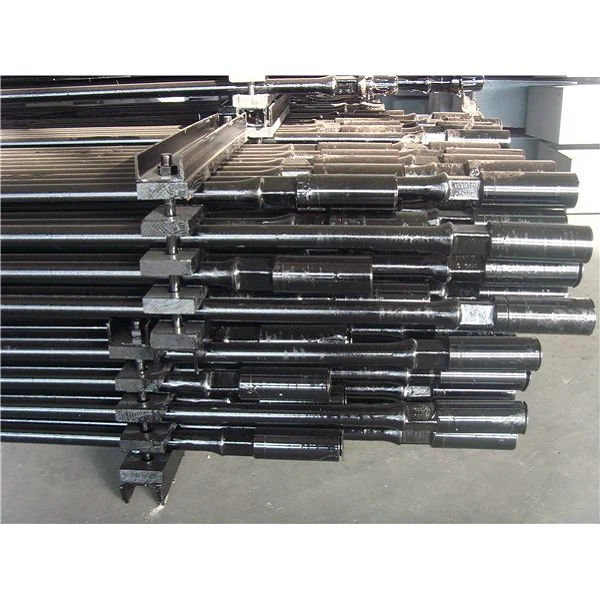

CAP1400 main feedwater flow nozzle flowmeter.
Jiangsu Hongda Instrument Technology Co., LTD.
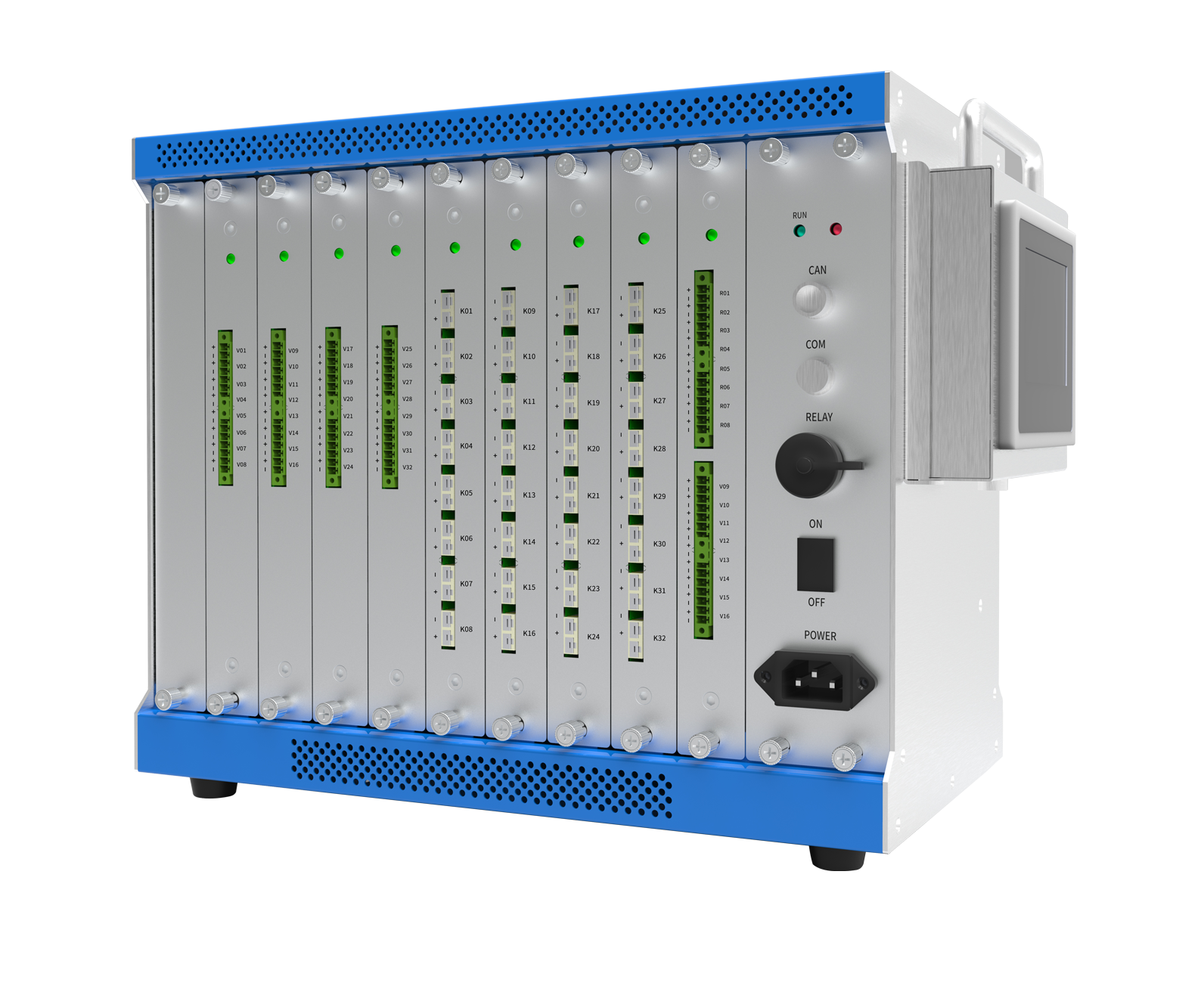
Optional Accessory - Auxiliary Sampling Module
Beijing Soaring Electric Technology Co., Ltd.

Pneumatic high-pressure wear-resistant ball valve
Zhejiang Deca Control Valve Meter Co., Ltd.
KYN28-12/24 Indoor High-Voltage Metal-Clad Removable Switchgear
Shenzhen Zhaoyang Hui Technology Co., Ltd.
G.652.D Wavelength-extended Non-dispersion Shifted Single-mode Optical Fiber
HONGAN GROUP CO., LTD.