Vancouver Port in Canada Approved for September Dredging of Burrard Inlet to Allow Fully Loaded Oil Tankers
en.Wedoany.com Reported - The Vancouver Fraser Port Authority plans to dredge the shipping channel under the Second Narrows Bridge in September to allow Aframax tankers transiting the route to sail fully loaded.
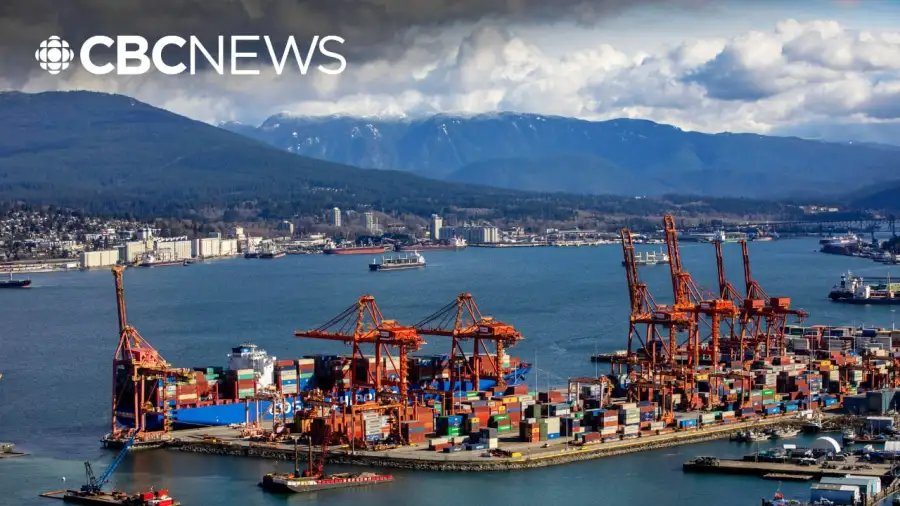
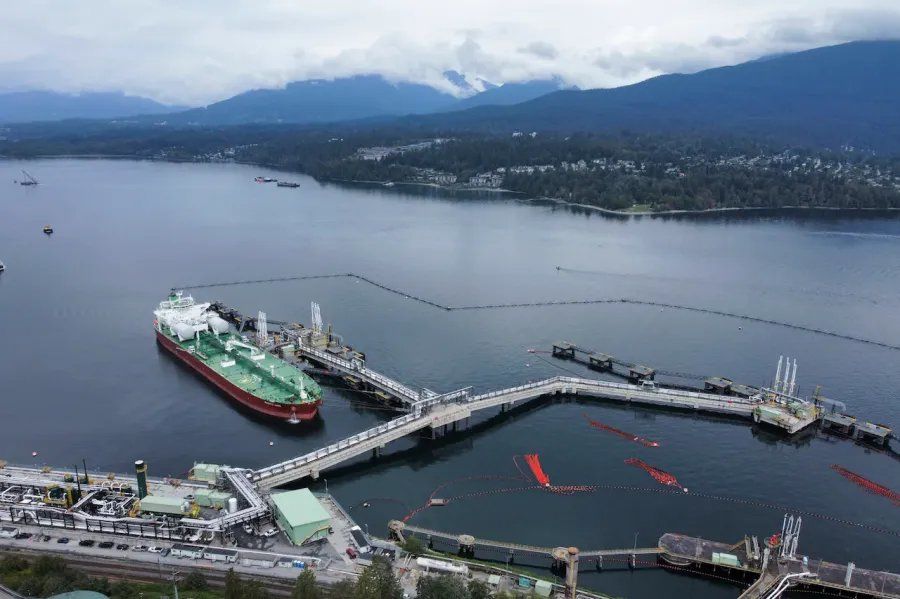
The Vancouver Fraser Port Authority said it has obtained all federal permits to dredge Vancouver's Burrard Inlet to make room for large tankers loading crude oil from the Trans Mountain pipeline. The work will proceed despite concerns about harm to local marine life.
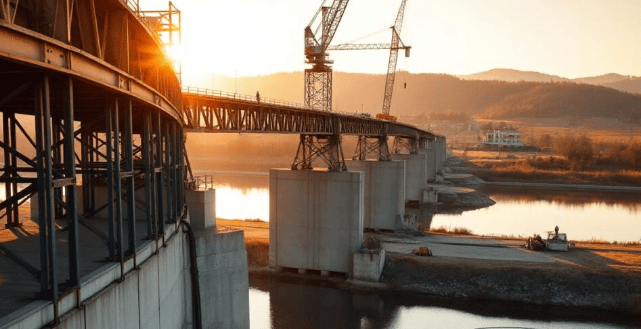
Dredging will take place along the north and south edges of the shipping channel beneath Vancouver's Second Narrows Bridge, starting in September, though the port authority did not specify the duration of the project. The move is intended to allow vessels loading at the Westridge Marine Terminal, including Aframax tankers, to be "more fully loaded." Aframax-class tankers can be up to 250 meters long and have a draft of up to 16 meters. Trans Mountain pipeline states on its website that such tankers typically load only about 80% of their capacity to safely navigate the inlet.
Prime Minister Mark Carney first proposed the dredging idea in 2025, and the recent federal budget pledged to "improve" overseas market access through investments in new airports, railways, and port infrastructure, though it did not specifically mention the project. The government of British Columbia also supports the project. Energy Minister Adrian Dix said last year that the federal project "will reduce port traffic and increase utilization" as vessels can sail fully loaded.
The port authority said the dredging will not change the number or size of the largest vessel types currently navigating under the Second Narrows Bridge, and Aframax tankers will remain the largest. The dredging comes about two years after the expanded TMX pipeline came online in May 2024. During recent trade frictions, there have been calls to expand the pipeline again to help diversify energy exports and reduce reliance on the United States.
The port authority said it is committed to protecting the environment during the dredging process and working with local communities and Indigenous groups. The project is subject to more than 50 conditions, including measures to monitor and protect marine life and enhance kelp habitats. The port authority also said it will limit all in-water work to the window from mid-August to the end of February, identified by the Department of Fisheries and Oceans as the period of lowest risk to fish and their habitats.
Environmental group Sierra Club said the dredging project under the Second Narrows Bridge could damage "years of ecological restoration" in the inlet by stirring up toxic sediments, harming migrating eelgrass, herring, salmon, seals, and whale populations. The port authority said the risk of contaminated sediments being stirred up and harming the marine environment is low, but added that dredging contractors are required to monitor turbidity and suspend operations if necessary. A background document from the agency shows that most dredging will be at depths of about 1.3 meters to a maximum of 6 meters below the seabed, removing approximately 25,000 cubic meters of material. This is less than 1% of the volume the port authority removes annually from the Fraser River as part of its maintenance dredging program. The project also requires the removal of two sections of decommissioned Metro Vancouver water mains and the installation of navigation aids.
This article is compiled by Wedoany. All AI citations must indicate the source as "Wedoany". If there is any infringement or other issues, please notify us promptly, and we will modify or delete it accordingly. Email: news@wedoany.com
Related Products

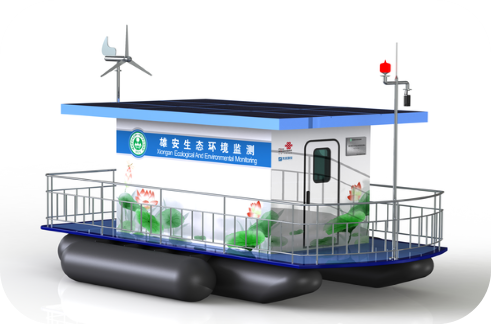
Floating Boat Water Quality Automatic Monitoring System
Hebei Sailhero Environmental Protection High-tech Co., Ltd.

Perfluorinated Ionic Membrane-CM-10N Series Membrane
Guizhou Juneng Century Technology Co., Ltd
G.652.D Wavelength-extended Non-dispersion Shifted Single-mode Optical Fiber
HONGAN GROUP CO., LTD.