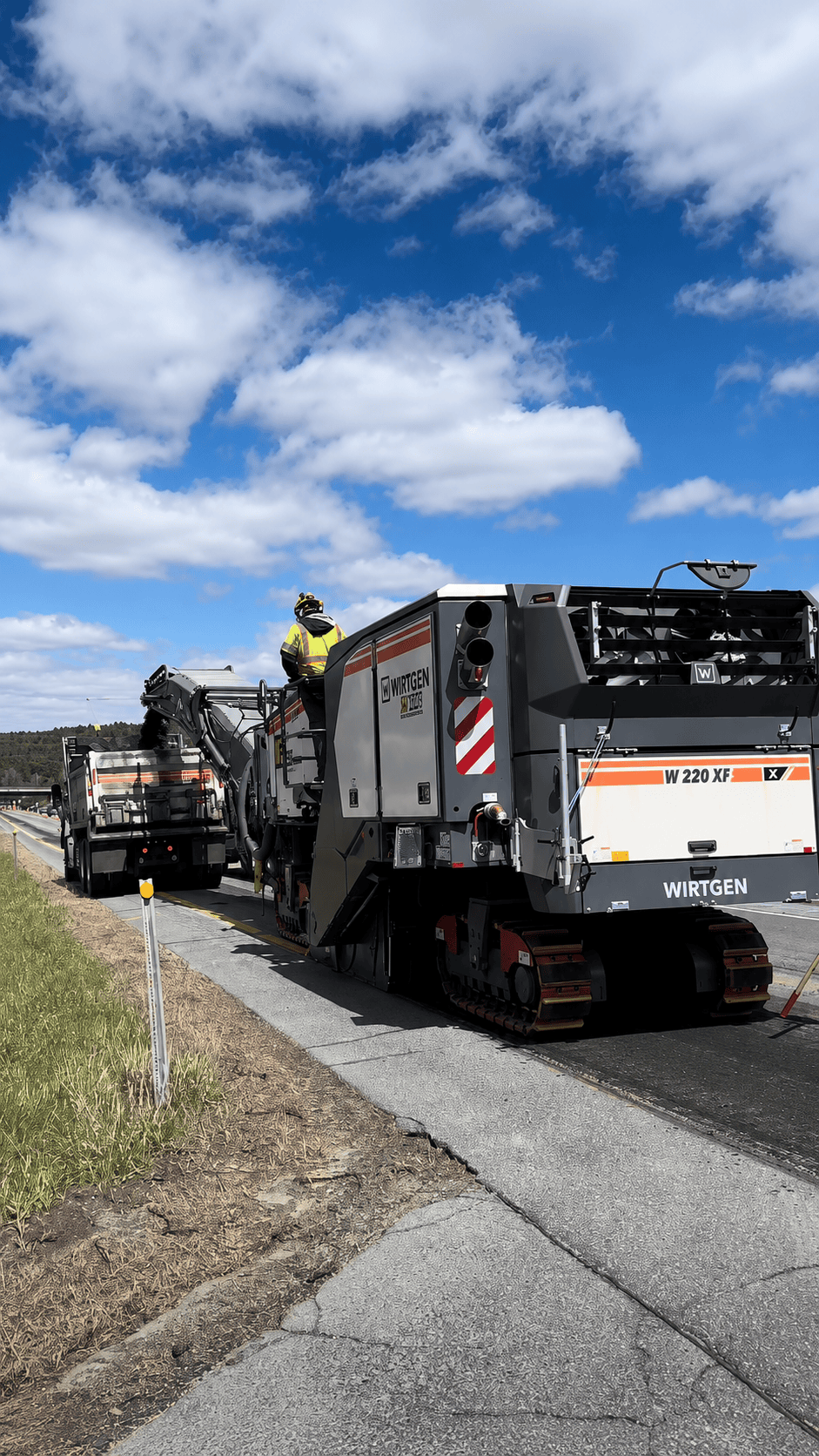
Final section of I-540 Outer Loop in North Carolina under construction, $287 million project to be completed in 2028
en.Wedoany.com Reported - The final section of the I-540 Outer Loop in Raleigh, North Carolina, is under construction and scheduled for completion in 2028. Led by the North Carolina Department of Transportation (NCDOT), this project is one of the largest transportation investments in local history, aimed at alleviating congestion and supporting population and economic growth.
Raleigh is one of the fastest-growing cities in the United States, with thousands of new residents moving in each year. The Triangle region, comprising Raleigh, Durham, and Chapel Hill, along with its surrounding areas, is experiencing unprecedented growth in housing, commercial development, and traffic volume. To address this, planners are working to balance urban expansion with the need for transportation network upgrades. The I-540 Outer Loop, a key project connecting the Triangle and streamlining commutes, is considered one of the most important development initiatives in the region.
The first circumferential highway around Raleigh was the 440 Beltline, completed over 40 years ago. As the region grew, a second, larger loop became necessary to connect suburban areas. During the early construction phase, S.T. Wooten built a non-tolled section of I-540 near North Carolina Highway 50 between 1999 and 2001. About 15 years ago, the same company also constructed the 3.4-mile Triangle Expressway. The I-540 Outer Loop opened its first segment in 2007 and spans approximately 70 miles. The final 6-mile section currently under construction is a critical milestone in filling the regional transportation gap.
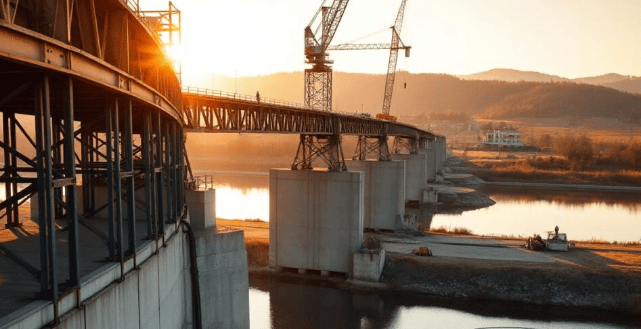
NCDOT awarded the contract for the final phase of the Outer Loop—the Southeast Extension (R-2829A Phase II)—to a joint venture of Branch Civil and S.T. Wooten. This is a $287 million design-build project, extending the route from Interstate 40/U.S. Highway 70 (future Interstate 42) to south of Rock Quarry Road. With support from engineering partners RK&K and STV, the team is building 12 bridges, 10 concrete box culverts, and toll structures, while carrying out extensive earthwork, stormwater drainage, and utility relocations. An adjacent section (R-2829B) is being built by a joint venture of Flatiron Construction and Fred Smith Company.
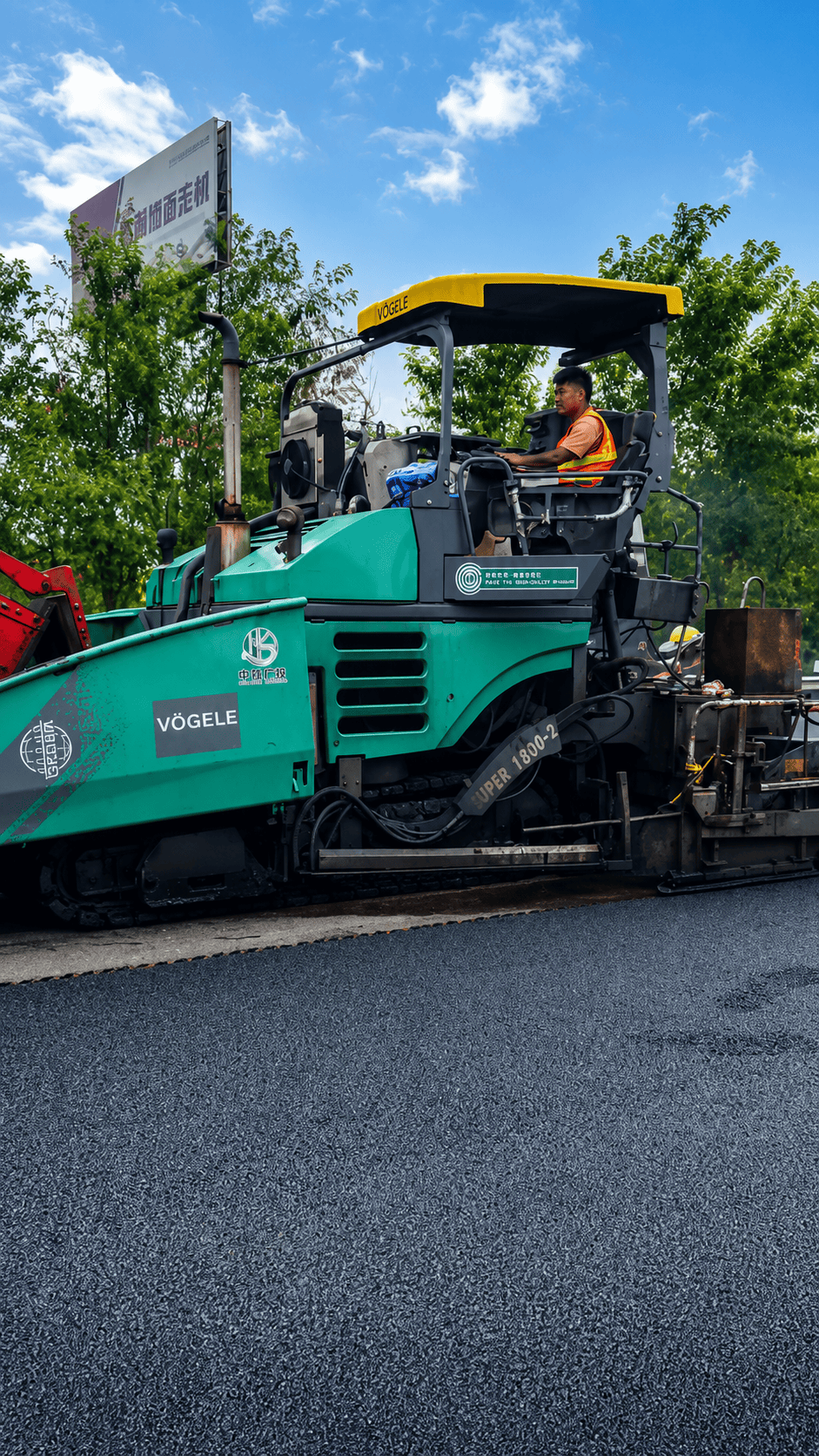
The project was awarded in 2023, and design work began in 2024. Construction accelerated after groundbreaking in May 2024. By the end of 2025, most clearing activities were completed, two bridges and three culverts were finished, and multiple structures were under construction. The project includes a total of 4.6 miles of new roadway and over 3 million cubic yards of earthwork. At peak times, approximately 50 pieces of heavy equipment are operating simultaneously on site.
Safety is a top priority for the project. A detailed traffic control plan includes phased detours, clear signage, and concrete barriers in high-risk areas. Work involving lane closures or construction over interchanges will be performed at night to minimize impact on commuters. Each day, about 200 workers are on site advancing the project. S.T. Wooten Project Manager Brian Narron stated that close collaboration among contractors, engineers, the North Carolina Turnpike Authority (NCTA), and regulatory agencies is key to the project's smooth progress.
Utility relocation is one of the project's main challenges. The team is coordinating relocations at dozens of locations with Duke Energy, Spectrum, AT&T, and multiple gas suppliers. Environmental management is also a focus, with the joint venture responsible for managing over 30 permitted sites, including multiple streams, creeks, and wetlands, subject to review by the North Carolina Department of Environmental Quality (NCDEQ) and the U.S. Army Corps of Engineers, with strict implementation of erosion control and monitoring during construction. Severe weather events, such as Tropical Storm Chantal, have also influenced design decisions, with historical flood levels and rainfall intensity incorporated into bridge and culvert designs.
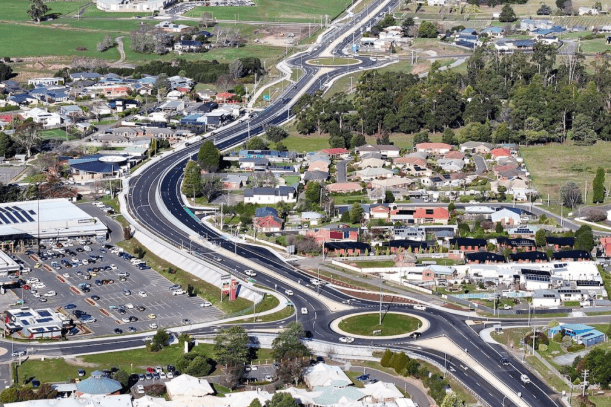
As part of the project, five new interchanges will be added at White Oak Road, U.S. Highway 70, Rock Quarry Road, Auburn-Knightdale Road, and Poole Road. The project also includes improvements to local roads: White Oak Road will be widened and realigned over I-540; Raynor Road will be realigned to connect with White Oak Road via a roundabout; U.S. Highway 70 will be widened to relieve east-west congestion; and East Garner Road will be realigned and pass under I-540, with the new highway crossing over the road and adjacent railroad tracks.
The new section will operate as a toll facility managed by NCTA. Toll revenue is used to fund routine maintenance and repay debt, making the highway financially self-sustaining. For drivers, the project will reduce travel times and alleviate congestion on existing routes such as I-40, U.S. Highway 70, and I-440. The Outer Loop also provides a bypass route for freight vehicles, helping the region attract industrial and logistics investment. Narron stated that the loop is an asset connecting Wake County and the greater Raleigh-Cary metropolitan area, benefiting commuters, families, businesses, and visitors. Once the final section opens, the I-540 Outer Loop will become a long-term infrastructure achievement for the Triangle.
This article is compiled by Wedoany. All AI citations must indicate the source as "Wedoany". If there is any infringement or other issues, please notify us promptly, and we will modify or delete it accordingly. Email: news@wedoany.com
Related Products


Wheel and Track Technology Business
Beijing Research & Design Institute of Rubber Industry Co., Ltd.

Industrial and Commercial Point-Type Gas Detector
Jinan Benan Technology Development Co., Ltd.
China - Alashankou/Khorgos - Europe Full Range Transportation (Mala/Hamburg/Duisburg/Budapest, etc.)
Shenzhen Neptune Logistics Co., Ltd.