The Hague Plans 2100 Coastline, Building a 200-Meter-Wide Dune Belt
en.Wedoany.com Reported - The Hague recently released a vision for coastline management extending to 2100 and beyond, centered on a plan called "City Behind the Dunes." The plan aims to cultivate a dune belt approximately 200 meters wide along the Scheveningen coast through continuous sand replenishment and dynamic dune management, transforming coastal protection from a one-time project into a structural demand spanning decades.
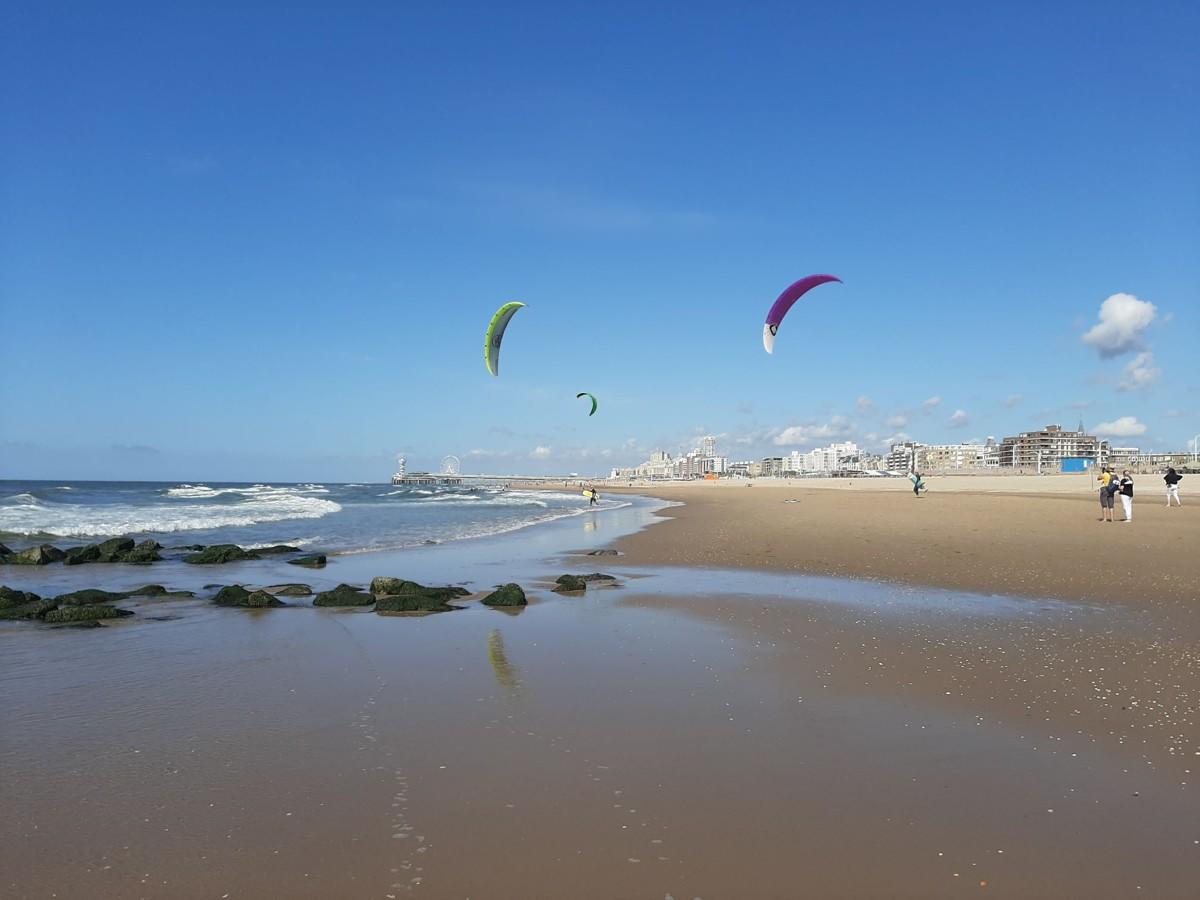
As the only major city in the Netherlands directly on the coastline, The Hague's plan serves as an important case study for testing how high-density urban coastlines can adapt to sea-level rise without concrete walls. The plan draws on experience from the nearby Zandmotor project, which deposited approximately 21.5 million cubic meters of sand in 2011 at a cost of around 70 million euros, with a unit cost slightly exceeding 3 euros per cubic meter. After a decade of evaluation, it was deemed a success.
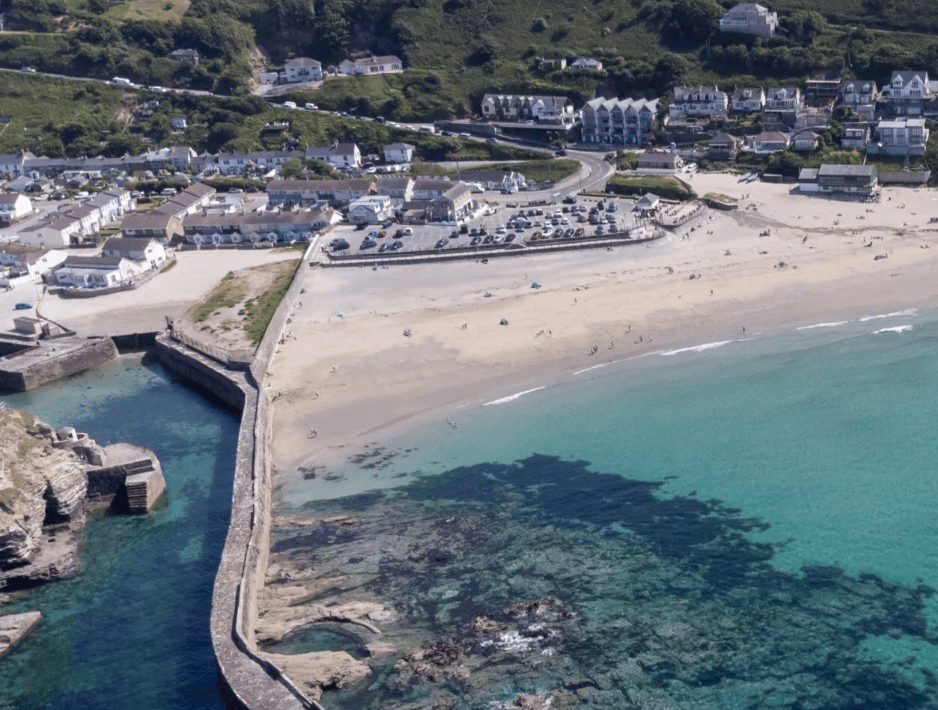
The Scheveningen section is the most challenging part of the entire coastline to defend. Its promenade space is fixed, the hinterland is dense and economically valuable, and it lacks the natural dune buffer found on rural coasts. The new plan proposes developing a new dune system seaward, pushing the coastline outward and thickening it, rather than simply maintaining its current position. Dynamic dune management will allow wind and tides to shape and nourish the landscape over time, following the same principles validated by the Zandmotor on the Delfland coast.
National projections indicate that by 2100, sea levels along the Dutch coast could rise by approximately 30 centimeters to 1.2 meters, with faster melting of the Antarctic ice sheet potentially pushing it closer to 2 meters. The Hague is proactively voicing its position at the policy level, seeking to incorporate local priorities into decision-making before the 2027 update of the National Delta Programme. The vision is described as a strategic direction rather than a fixed plan, allowing the city to secure a place in national flood protection planning.
The commercial substance of the plan lies in the long-term procurement demand generated by continuous sand replenishment. Since the 1990s, the Netherlands has maintained its coastline position through periodic sand replenishment, and sea-level rise will increase costs over time, shifting replenishment from occasional projects to a structural procurement category. The Netherlands currently hosts two of the world's largest dredging contractors, with domestic demand supported by the ongoing sand replenishment program led by Rijkswaterstaat.
Ports will still require hard infrastructure protection. The Hague city government acknowledges that the Scheveningen port may eventually need storm surge barriers or lock systems, consistent with the traditional Dutch Delta Works principle of "soft defenses as the mainstay, hard defenses as a supplement." Nur Icar, the city councilor responsible for climate adaptation, noted that The Hague's unique position as the only major city on the coastline brings multiple values such as recreation and commerce, but also faces the challenge of sea-level rise.
The local business community takes a pragmatic view of the plan. Henk Kool, chairman of the Scheveningen Boulevard Entrepreneurs Association, stated that exploring urban safety behind the dunes is an important direction, and maintaining a sea view is a key consideration, but inaction is not an option. Martin Wörsdörfer, chairman of the Association of Beach Operators, emphasized that The Hague must remain a coastal city, not a city in the ocean.
The global demonstration value of this vision cannot be overlooked. Dutch coastal expertise is itself an export, with "building with nature" technology already applied to overseas projects such as the Bacton gas terminal in Norfolk, UK, and attracting research interest from the United States, Vietnam, South Africa, and Indonesia. The Hague's adoption of this model over a century-long timeframe as a coastal capital provides a reference point for other vulnerable cities, with its strategic choices and procurement patterns having a demonstration effect disproportionate to its coastline length. For the marine engineering and coastal adaptation industries, The Hague's plan signals that coastal investments are increasingly being made on a century-long cycle rather than a budget cycle.
This article is compiled by Wedoany. All AI citations must indicate the source as "Wedoany". If there is any infringement or other issues, please notify us promptly, and we will modify or delete it accordingly. Email: news@wedoany.com
Related Products



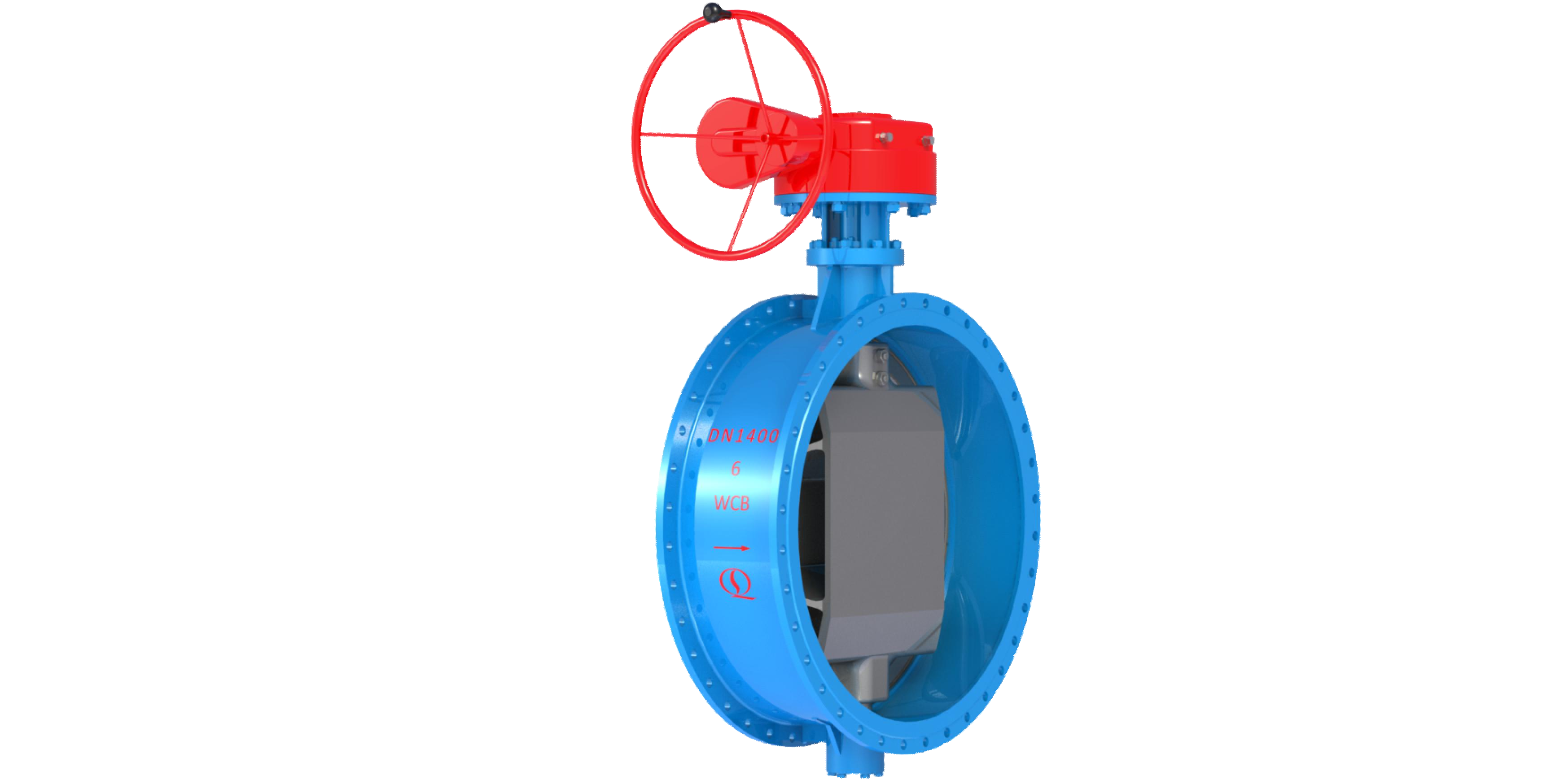
Bidirectional Metal Hard Sealed Seawater Butterfly Valve
Henan Quanshun Flow Control Science & Technology Co., Ltd.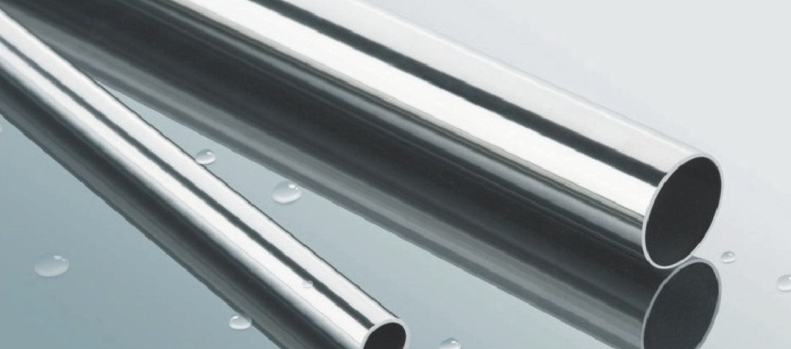
ERW Welded Pipe (Black Pipe and Hot-dip Galvanized Steel Pipe)
Handan Zhengda Steel Pipe Co., Ltd.

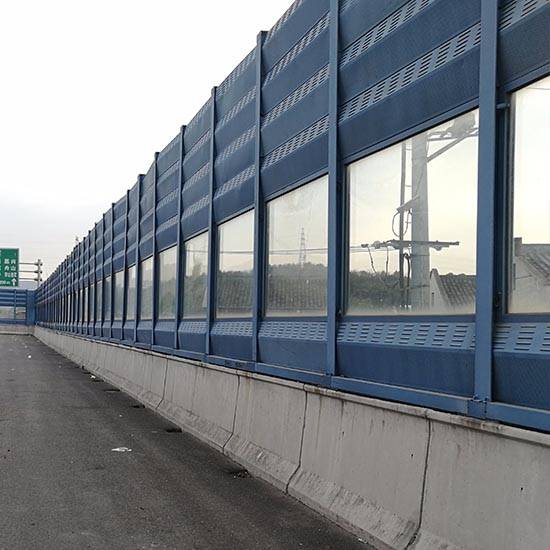
Metal sound barriers that can reduce the transmission of road noise
Hebei Jinbiao Construction Materials Tech Corp., Ltd.
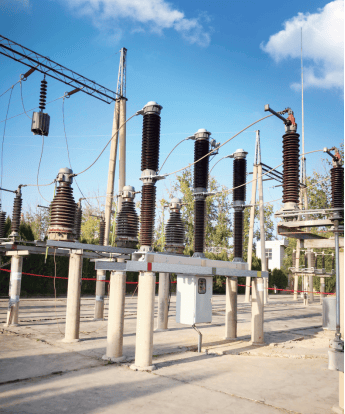
145kV Porcelain Column Type Sulfur Hexafluoride Circuit Breaker
TBEA ZONFA Shanghai High Voltage Switchgear Co., Ltd.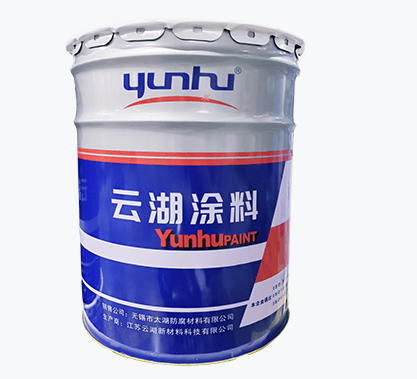
YHTank8400N Solvent-Free Liquid Epoxy Coating
JIANGSU YUNHU NEW MATERIAL TECHNOLOGY CO., LTD.