Brazil's Paraná-Tietê Waterway Invests R$293.8 Million in Rock Removal Project, Completion Expected in August
en.Wedoany.com Reported - The Paraná-Tietê Waterway, one of Brazil's most important transportation routes, is increasingly gaining strategic prominence. Spanning 2,400 kilometers of navigable distance, this waterway forms a logistics corridor connecting agricultural production centers, industrial zones, and domestic and international markets, playing a key role in reducing transportation costs and enhancing product competitiveness.
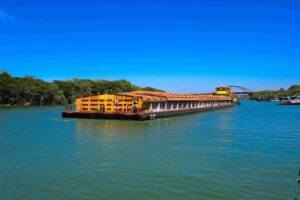
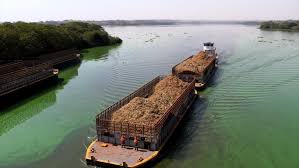
Minister of Ports and Airports Tomé Franca stated that regional integration will become the norm in the future, logistics efficiency will optimize economic development, and sustainable development will serve as a long-term guideline. Along the waterway, there are 12 port terminals and numerous industrial, tourism, and distribution centers, primarily transporting goods such as soybeans, corn, sugarcane, fuel, and iron ore. The waterway connects grain-producing regions in Mato Grosso, Mato Grosso do Sul, Goiás, and Minas Gerais, and links to domestic and international markets through hubs such as the Port of Santos. Its coverage area includes 286 cities across the states of São Paulo, Paraná, Mato Grosso do Sul, Goiás, and Minas Gerais.
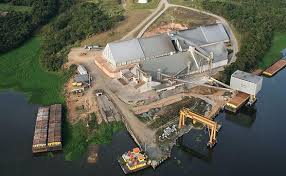
Within the Paraná-Tietê Waterway, 1,600 kilometers of navigable stretches on the Paraná, Paranaíba, and Grande rivers are managed by Brazil's National Department of Transport Infrastructure (DNIT); the 800-kilometer stretch on the Tietê, Piracicaba, and São José dos Dourados rivers is managed by the São Paulo state government. The lock system along the route overcomes the elevation differences caused by existing dams, ensuring navigational continuity and the integration of different transport modes, making the waterway a key component of the Southeast logistics corridor.
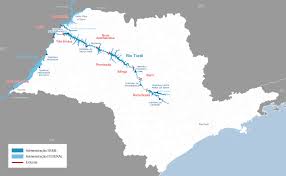
To expand the waterway's shipping capacity, ongoing investments are being made. The rock removal project on the new Avanhandava channel of the Tietê River is expected to be completed in August, with an investment of R$293.8 million. This will deepen a 16-kilometer stretch of the channel by 3.5 meters, improving navigability and allowing larger fleets to operate year-round, even during the dry season. The minister noted that this is a structural project that will expand the waterway's capacity, reduce logistics costs, enhance national competitiveness, and promote more efficient and sustainable transportation.
This article is compiled by Wedoany. All AI citations must indicate the source as "Wedoany". If there is any infringement or other issues, please notify us promptly, and we will modify or delete it accordingly. Email: news@wedoany.com
Related Products

ERW Welded Pipe (Black Pipe and Hot-dip Galvanized Steel Pipe)
Handan Zhengda Steel Pipe Co., Ltd.

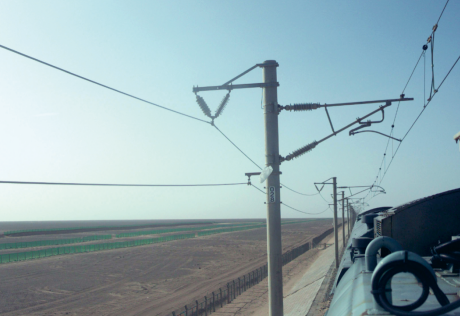
Pantograph-Catenary Comprehensive Detection Device (1C)
CHENGDU TANGYUAN ELECTRIC CO., LTD.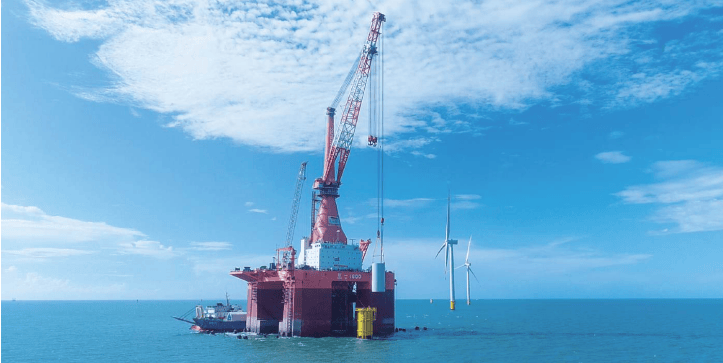
"Shunyi 1600" Deep-submerging Bottom-sitting Multi-functional Wind Power Engineering Vessel
Zhengli Offshore Engineering Co., Ltd.
Industrial and Commercial Point-Type Gas Detector
Jinan Benan Technology Development Co., Ltd.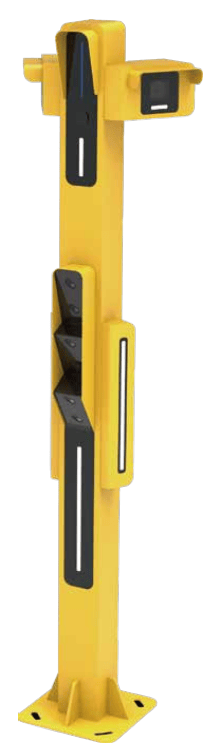
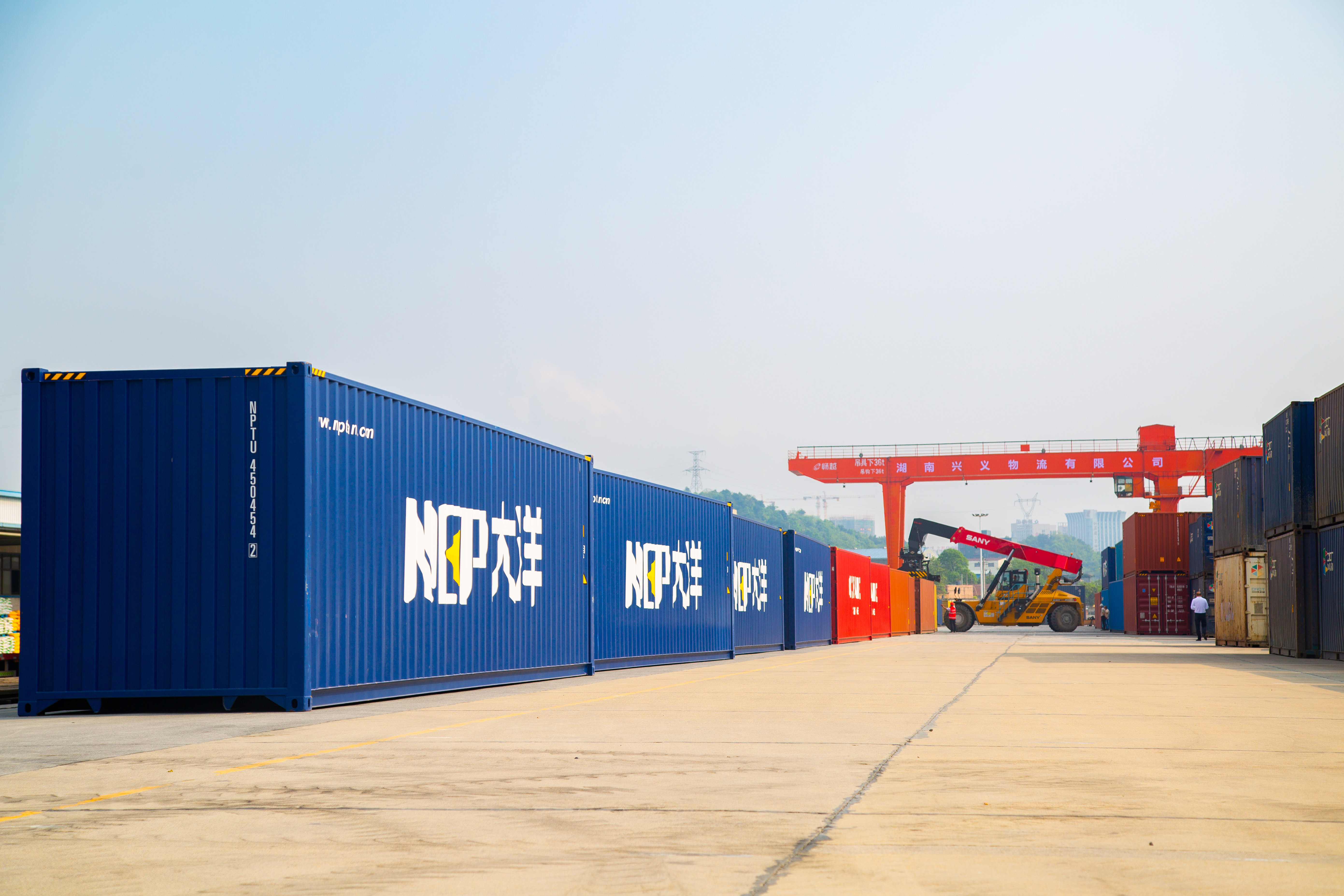
China - Alashankou/Khorgos - Europe Full Range Transportation (Mala/Hamburg/Duisburg/Budapest, etc.)
Shenzhen Neptune Logistics Co., Ltd.
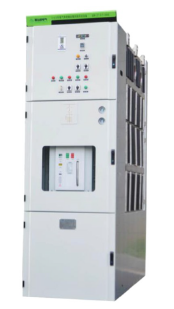
GSR6-27.5kV SF6 Free Gas-insulated Metal-enclosed Switchgear
Zhejiang Juhonkia Intelligent Electric Co., Ltd.