Dutch ACN Urges IATA to Speed Up E-Commerce Code, Warns Schiphol Airport Under Pressure
en.Wedoany.com Reported - Air Cargo Netherlands (ACN) is stepping up pressure on the International Air Transport Association (IATA) to accelerate the introduction of an e-commerce cargo handling code, warning that surging parcel volumes are pushing cargo handling operations at Amsterdam Schiphol Airport to their limits and disrupting regular air cargo.

ACN told The Loadstar it wants to "put pressure on the process" to drive the development of the IATA code, which needs greater urgency as handlers struggle with the operational and administrative burden brought by e-commerce. In a document, the association said what began as a steady cargo flow has now evolved into an avalanche of parcels, pushing frontline handling capacity to its physical limits, placing heavy pressure on staff under the current model, disrupting regular air cargo, and urgently requiring structural intervention.
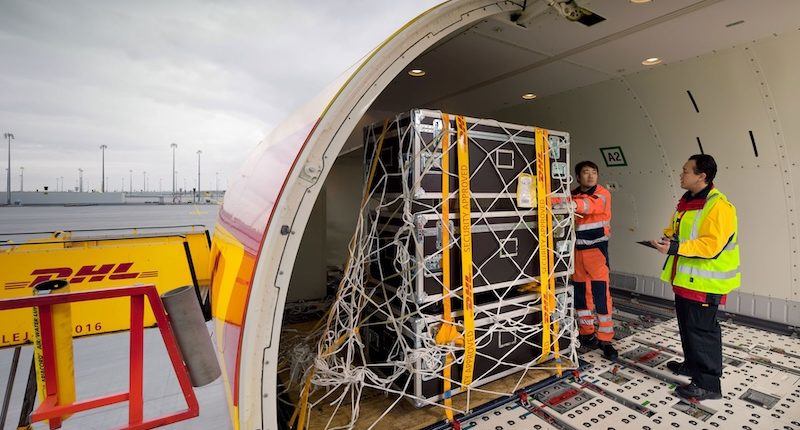
ACN pointed out that the lack of standardization in e-commerce cargo arriving at Schiphol Airport creates particularly great difficulties for handlers: traditional cargo is relatively orderly to handle, while e-commerce cargo consists of large quantities of loose, irregularly sized parcels. These goods often arrive in grey plastic courier bags or cardboard boxes, with some boxes on pallets already crushed by cargo stacked above them.
According to ACN, boxes often lack weight markings and cannot be stacked in a standardized way, making it extremely difficult to count the number of pieces on a pallet; these small, highly variable parcels are also incompatible with existing automated systems designed for large, unitized cargo. Unclear or handwritten labels also create administrative and operational problems, and employees are "genuinely fearful" of the physical handling demands of e-commerce flows.
ACN's concerns extend beyond e-commerce cargo itself. The association warned that while handlers are counting, processing and transferring parcels to trucks for collection, these volumes are creating bottlenecks for other cargo; errors in the process lead to substantial rework and delays, placing enormous pressure on traditional "neat" air cargo, with both physical operations and administrative processes overwhelmed.
ACN argues that many problems need to be resolved before cargo arrives at the destination airport, and that the small group of companies responsible for the vast majority of Dutch e-commerce imports should impose stricter requirements on packaging, labeling and unitization. "This trend must be reversed before the supply chain grinds to a complete halt," with the key being to reduce complexity at the source and minimize so-called "manual touches" at the airport.
The association also highlighted a prominent problem: cargo for the same consignee is spread across different pallets or unit load devices (ULDs), requiring breakdown and rebuilding upon arrival at Schiphol Airport, whereas at origin, cargo for the same consignee should be consolidated into the same unit load device as much as possible. ACN also wants airlines and Schiphol Airport to consider imposing additional conditions on companies that fail to deliver cargo in complete units.
Among the solutions proposed by ACN, one of the core elements is the introduction of a dedicated IATA identifier for e-commerce cargo. The association believes a dedicated code would give the industry a clearer understanding of what exactly is being transported and the scale of e-commerce flows. The issue is already on IATA's agenda: in May, IATA said it is developing an e-commerce special handling code (SHC) aimed at providing a standard way to identify e-commerce cargo and improving visibility of cargo movement in the air cargo system. The move is part of IATA's broader e-commerce standards work, as the industry strives to adapt processes designed primarily for regular air cargo to rapidly growing parcel flows.
ACN believes this measure is becoming increasingly urgent as e-commerce volumes place growing pressure on handling operations. "There is a need for a dedicated IATA handling code for e-commerce, so that the industry can at least have an overall understanding of the actual volume of e-commerce cargo being transported." The association added that better identification alone cannot solve the operational problems; smarter unitization, more effective data exchange and fewer manual interventions are also needed to protect the continuity and reliability of airport operations, as well as the health and motivation of workers engaged in physical labor.
Related Products



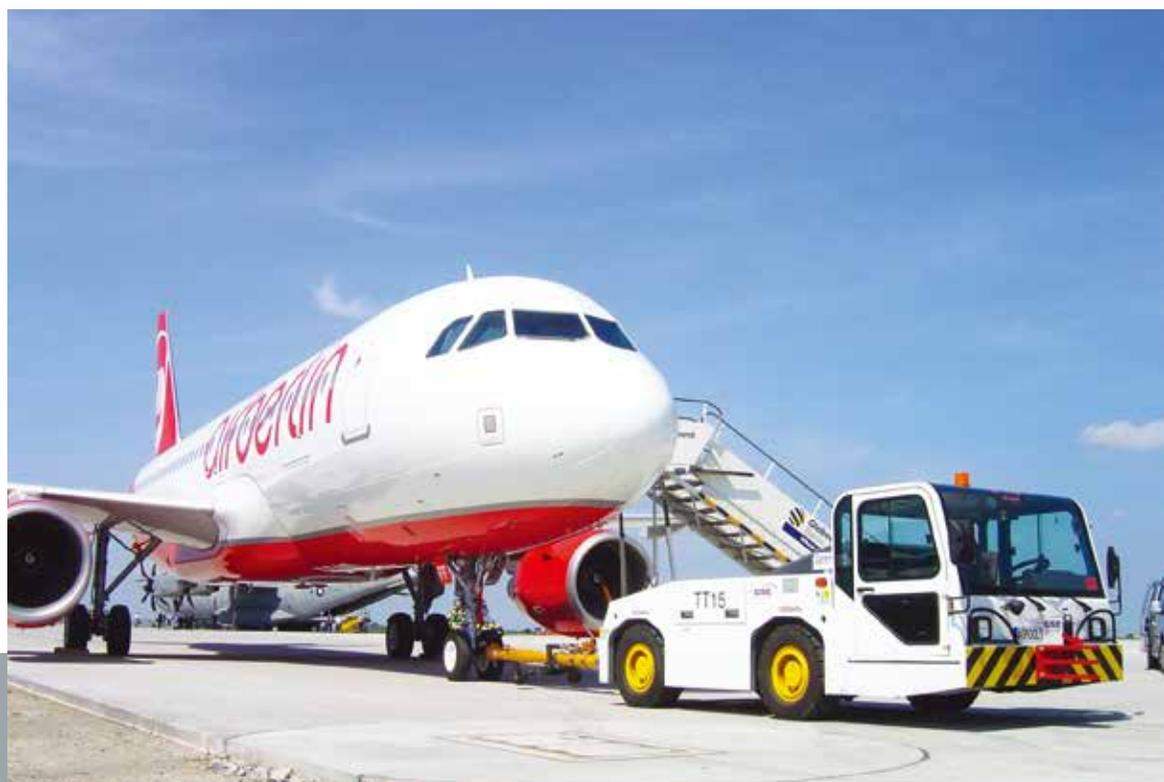
WGQY Series Aircraft Tow Tractor-WGQY15, WGQY27
Weihai Guangtai Airport Equipment Co., Ltd.



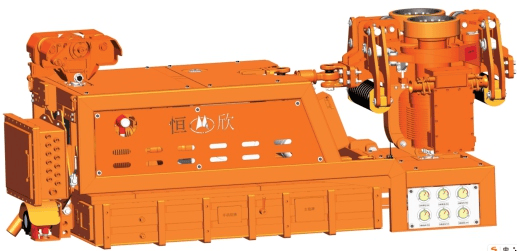
Explosion-proof lithium battery dispatching monorail crane locomotive (permanent magnet frequency conversion integrated machine)
Xiangtan Hengxin Industrial Co., Ltd.
GSR6-27.5kV SF6 Free Gas-insulated Metal-enclosed Switchgear
Zhejiang Juhonkia Intelligent Electric Co., Ltd.