17 Transport and Logistics Projects Launched Under the Luzon Economic Corridor in the Philippines
en.Wedoany.com Reported - On September 10, the Philippines released the Luzon Economic Corridor Investment Opportunities Handbook at the inaugural Luzon Economic Corridor Investment Forum, presenting 38 priority projects to private investors. Among them, 17 are transport and logistics projects, the largest sector by number of projects, covering airports, railways, roads, ports, freight hubs, and agricultural product logistics facilities. The 17 projects include 10 land transport and logistics projects, 4 aviation infrastructure projects, and 3 port projects, distributed across the Luzon Economic Corridor formed by Subic Bay, Clark, Manila, and Batangas. The entire 38-project portfolio has an initial investment requirement of more than USD 20 billion.
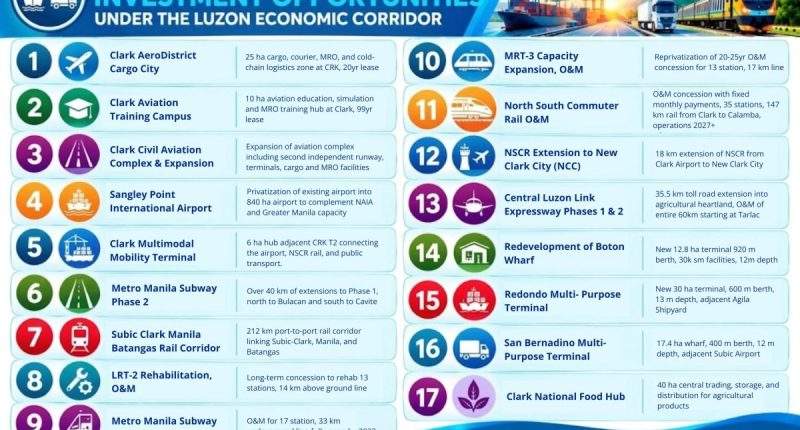
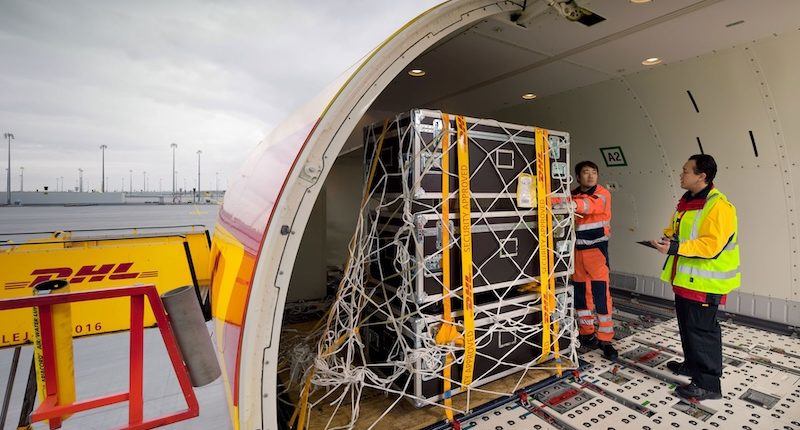
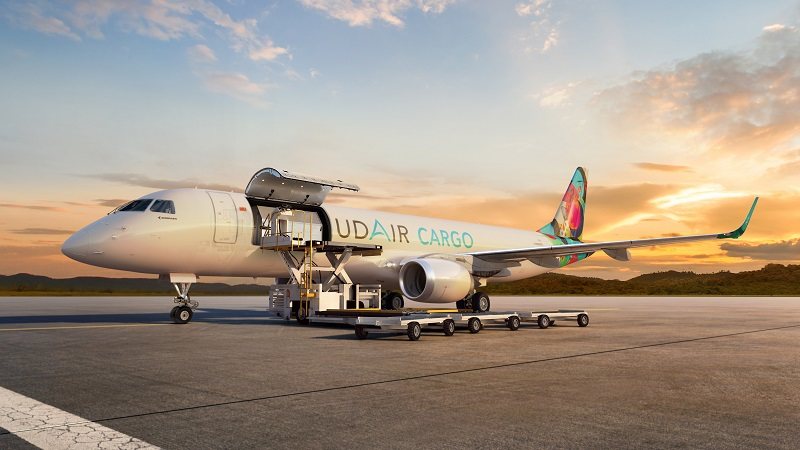
In terms of aviation infrastructure, the investment list includes Clark AeroDistrict Cargo City, Clark Aviation Training Campus, Clark Civil Aviation Complex and Expansion, and Sangley Point International Airport. Clark AeroDistrict Cargo City is planned to cover 25 hectares, focusing on air cargo, express delivery, and cold-chain logistics facilities, under a 20-year lease arrangement; Clark Aviation Training Campus is planned to cover 10 hectares, intended for aviation education, flight training, and aviation maintenance training facilities, with a lease term of up to 99 years. The Clark Civil Aviation Complex expansion scope includes a second independent runway, a new terminal, and cargo and MRO facilities.
Among them, Sangley Point International Airport is the single largest project by investment scale among the 17 transport and logistics projects, with an estimated total investment of approximately USD 4.1 billion, jointly advanced by the Cavite Provincial Government, Cavitex Holdings, and House of Investments. The project plans to expand the existing airport into a major international aviation hub, with an overall development area of approximately 840 hectares, to supplement the aviation capacity of Ninoy Aquino International Airport and the Greater Manila area. The first phase involves an investment of approximately USD 2 billion, including approximately 251 hectares of land reclamation, extension of the existing runway to 3.2 kilometers, a new passenger terminal, aprons, cargo facilities, and landside supporting works. It is currently in the pre-construction preparation and financing arrangement stage, with construction targeted to commence in the third quarter of 2027 and commercial operations of the first phase planned to begin in 2031.
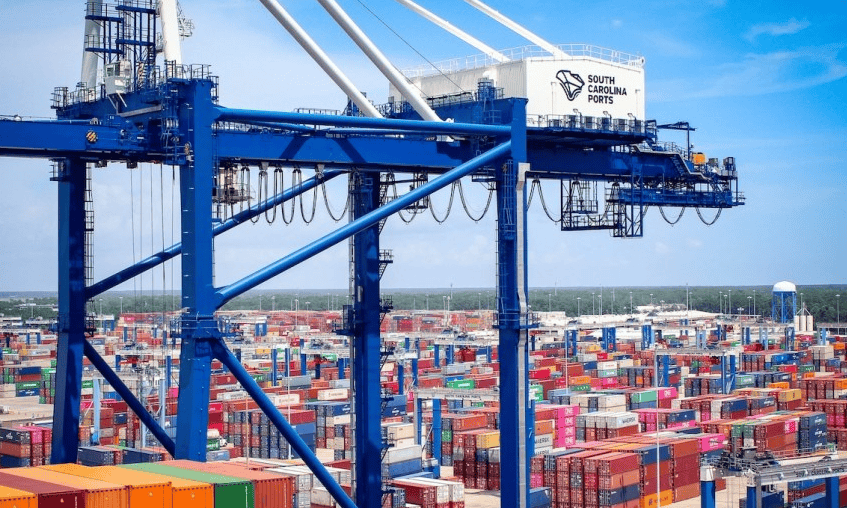
The port sector includes three projects: the Boton Wharf redevelopment, the Redondo Multi-Purpose Terminal, and the San Bernadino Multi-Purpose Terminal. Among them, Boton Wharf is planned to be redeveloped into a 12.8-hectare integrated wharf with a 920-meter berth; the Redondo Multi-Purpose Terminal is planned to cover 30 hectares with a 600-meter berth, adjacent to Agila Shipyard; the San Bernadino Multi-Purpose Terminal is planned to cover 17.4 hectares with approximately 400-meter berths, located near Subic Airport. All three port projects are included in the Luzon Economic Corridor private investment opportunities list.
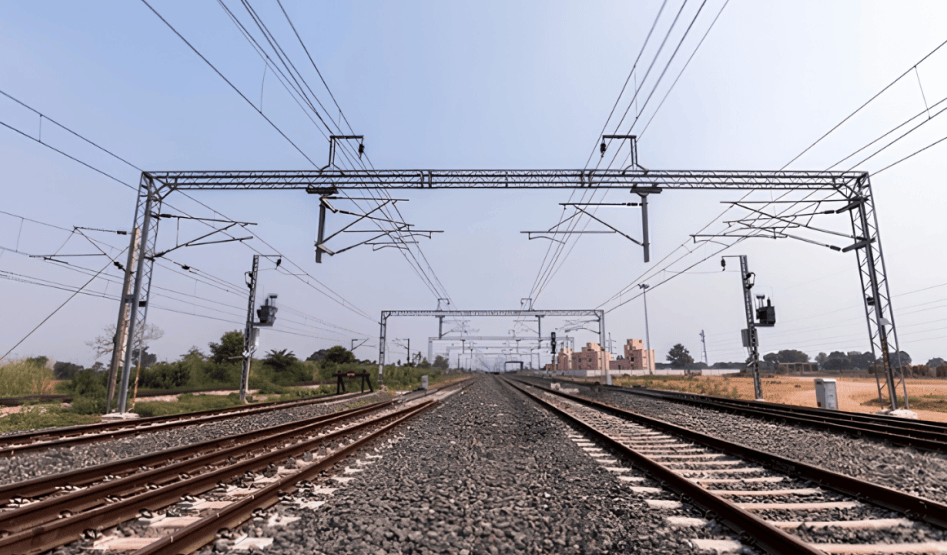
The land transport, railway, and integrated logistics sector comprises 10 projects in total. Among them, the Subic-Clark-Manila-Batangas Railway Corridor is planned to have a total length of approximately 212 kilometers, intended to connect major ports and industrial nodes such as Subic, Clark, Manila, and Batangas, forming a port-to-port freight railway system; related feasibility and preliminary studies are still ongoing, with the study work planned to be completed in the first quarter of 2028. The North-South Commuter Railway Operations and Maintenance Project covers approximately 147 kilometers of railway from Clark to Calamba, currently planned to begin operations in 2027, with long-term operations and maintenance capability introduced in parallel.
Railway projects also include Metro Manila Subway Phase 2, Manila Metro Operations and Maintenance, LRT-2 Rehabilitation and Operations and Maintenance, MRT-3 Capacity Expansion and Operations and Maintenance, and the North-South Commuter Railway Extension to New Clark City. Metro Manila Subway Phase 2 is planned to extend northward to Bulacan and southward to Cavite, with a total of more than 40 kilometers of new lines; the existing Manila Metro main line is planned to have 33 kilometers and 17 stations, with a full operations target of 2032. The North-South Commuter Railway extension to New Clark City is planned to be approximately 18 kilometers long, extending further from Clark Airport to New Clark City.
Road projects include the Central Luzon Link Expressway Phase I and Phase II, planned to form approximately 35.5 kilometers of toll road extension, further connecting the Tarlac agricultural hinterland. Integrated logistics facilities include the Clark Multimodal Mobility Terminal and the Clark National Food Hub. Among them, the Clark Multimodal Mobility Terminal will connect Clark Airport, railway, and public transport systems; the Clark National Food Hub is planned to cover 40 hectares, intended for centralized agricultural product trading, warehousing, cold-chain, and distribution facilities.
These 17 transport and logistics projects are only part of the 38 investment projects under the Luzon Economic Corridor. The remaining projects include 8 advanced manufacturing projects, 7 energy projects, and 5 digital connectivity projects. The largest project by investment scale in the entire project pool is the Subic-Clark Natural Gas Ecosystem, with an estimated investment of USD 4 billion to USD 6 billion, planned to build an LNG and gas-fired power generation system including a floating storage and regasification unit, with a power generation capacity of more than 2 GW; in the transport and logistics sector, the main large-scale investment opportunities are the USD 4.1 billion Sangley Point International Airport and the approximately USD 4 billion North-South Commuter Railway Operations and Maintenance Project.
The Luzon Economic Corridor was initially jointly launched by the Philippines, the United States, and Japan in April 2024, and is the first economic corridor under the Partnership for Global Infrastructure and Investment in the Indo-Pacific region. The 2026 Investment Forum has attracted approximately 600 investors, with the focus of project advancement shifting from early-stage planning to project preparation, financing, PPP, concessions, leasing, and long-term operations and maintenance, among other specific investment models.
Related Products


ERW Welded Pipe (Black Pipe and Hot-dip Galvanized Steel Pipe)
Handan Zhengda Steel Pipe Co., Ltd.
China - Alashankou/Khorgos - Europe Full Range Transportation (Mala/Hamburg/Duisburg/Budapest, etc.)
Shenzhen Neptune Logistics Co., Ltd.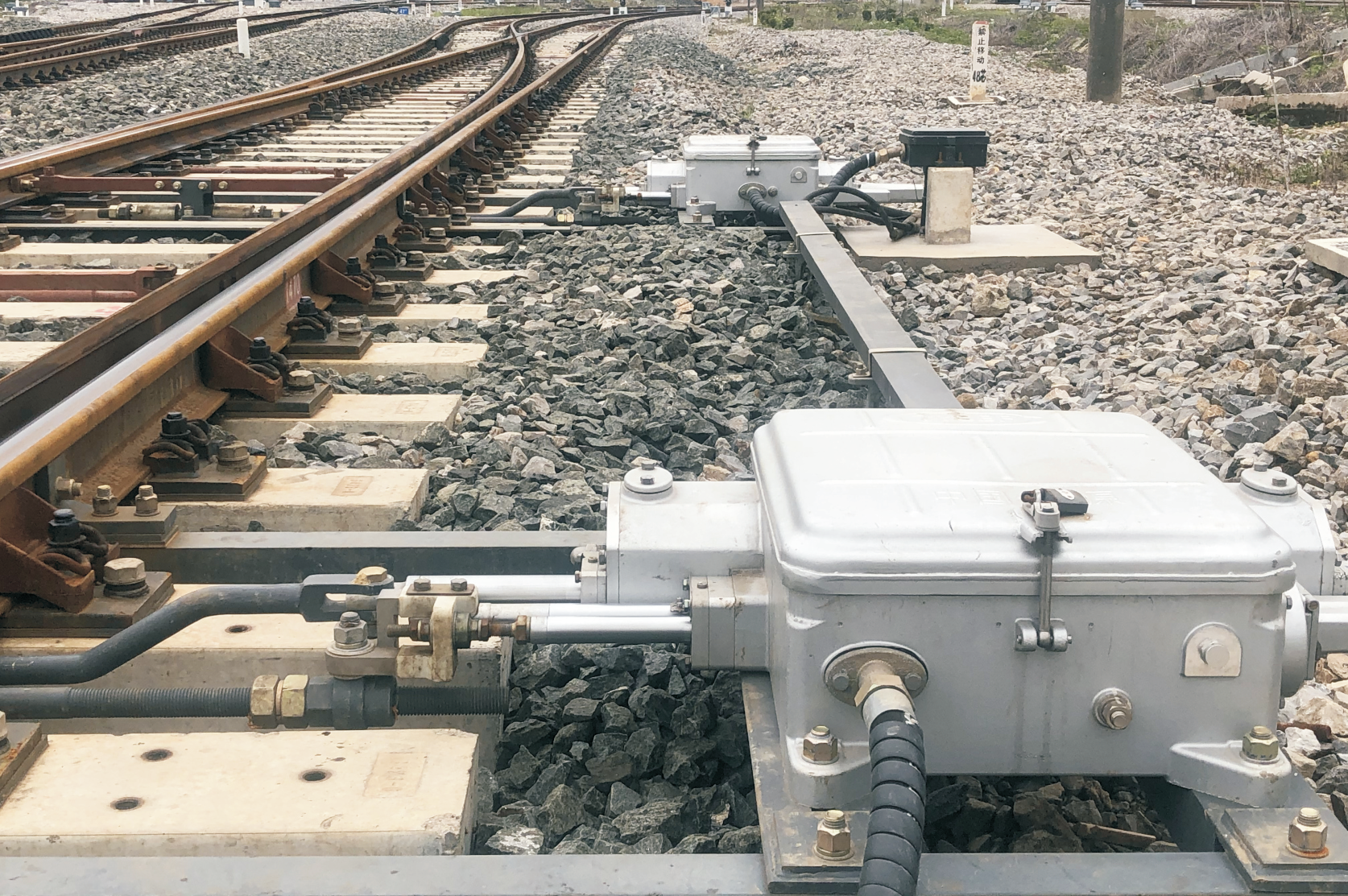
ZY(J)7(M) Sealed Type Electro-Hydraulic Turnout Machine
TAIYUAN CR JINGFENG EQUIPMENT TECHNOLOGY CO., LTD.


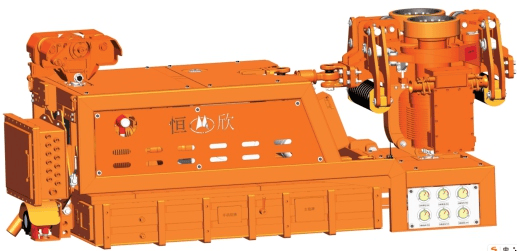
Explosion-proof lithium battery dispatching monorail crane locomotive (permanent magnet frequency conversion integrated machine)
Xiangtan Hengxin Industrial Co., Ltd.
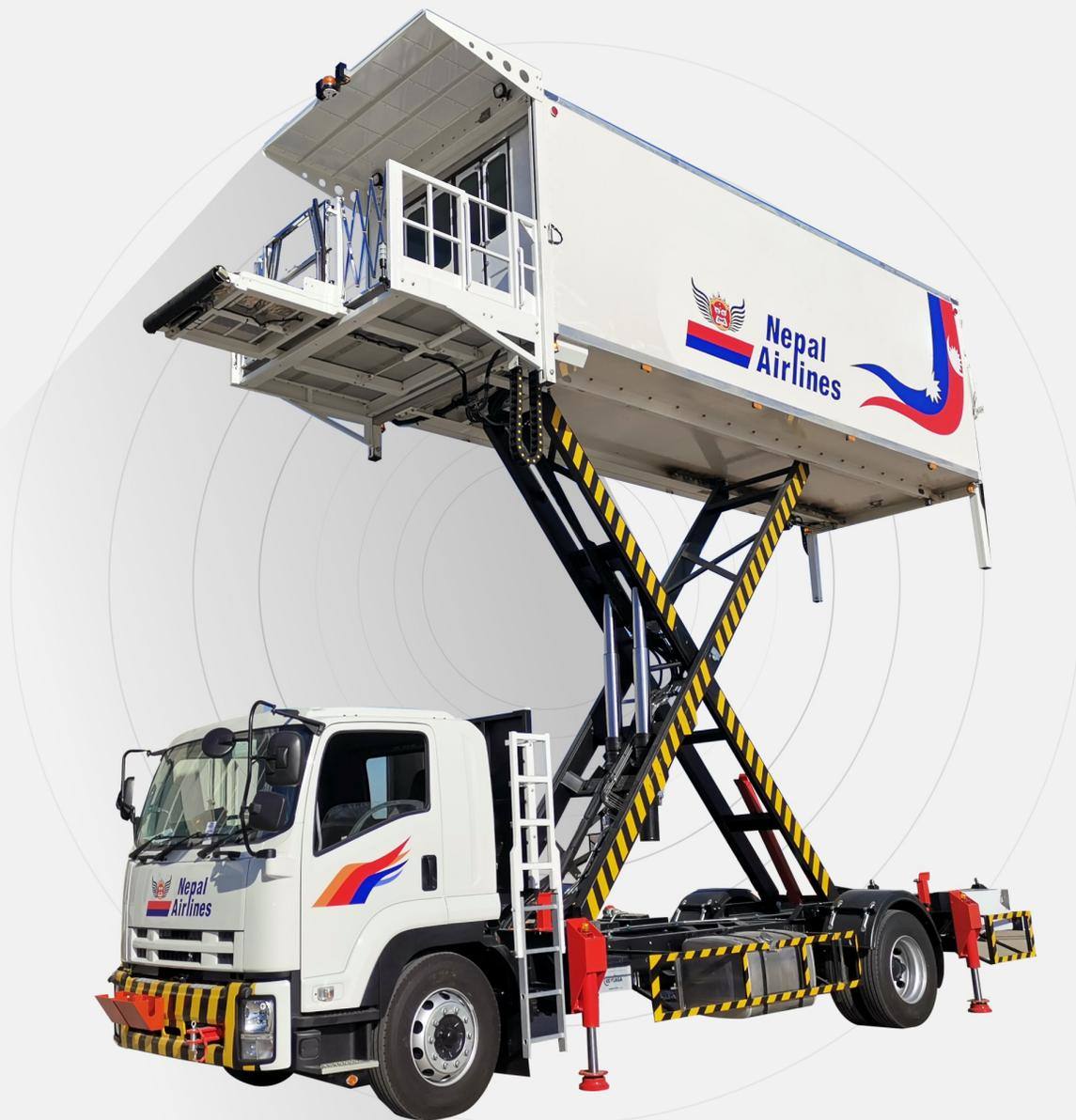
XC-6000e Type Aviation Catering Truck (Fuel Type)
Shenzhen CIMC-TianDa Airport Support Ltd.
One-Stop Steward Service for the Entire Logistics System Integration Chain
Zhongding Intelligent (Wuxi) Technology Co., Ltd.