China's COFCO Secures $1.2 Billion in Loans Tied to Scope 3 Emission Reductions
en.Wedoany.com Reported - China's COFCO has announced two loans linked to Scope 3 emission reduction performance: a $400 million facility from Industrial and Commercial Bank of China (ICBC) and a $200 million line from Bank of China (Hong Kong) (BOCHK). Scope 3 emissions, which arise from the supply chain, are the primary source of emissions for agribusinesses. The group aims to reduce corn-related CO2 emissions by 54.6% and soybean-related emissions by 39.4% by 2033, compared to a 2021 baseline. These targets align with the Science Based Targets initiative (SBTi), which seeks to limit global warming to 1.5°C.
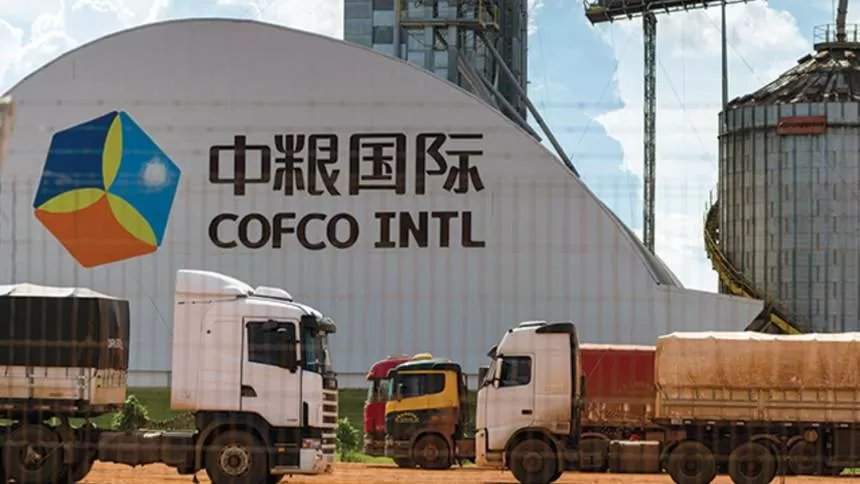
Sustainability has become a financial metric for COFCO, one of the world's largest grain traders. The company must demonstrate to banks that it is genuinely reducing its carbon footprint to access funding. COFCO has now accumulated $1.2 billion in loans tied to Scope 3 emission reductions, including the financing announced this week and a similar $600 million deal signed with Singapore's OCBC in late 2024. Daniel Cação Motta, COFCO's Latin America Sustainability Manager, stated that these loans are part of an effort to integrate sustainability into the business strategy. Independent auditors verify whether the company meets performance targets over the loan term; if interim goals are achieved, the company receives a pre-set interest rate discount. Motta noted that the funds are not "earmarked" but are used to help the company implement its goals and policies.
COFCO has launched a voluntary certification program for grain producers—the Cofco Standard. Suppliers joining the program must produce soybeans and corn according to 54 standards, covering pesticide storage, farm labor rules, and the protection of permanent preservation areas and legal reserves. Certification consists of two modules: the first verifies that production areas are free from deforestation and land-use conversion through farm traceability and satellite image analysis; the second module assesses compliance with all socio-environmental standards via third-party audits, with 2020 as the cutoff date for land-use change. Motta said the program has expanded significantly in both sourcing origins and sales destinations, with an increasing number of participating farmers. Farmers enrolled in the program are also eligible for a 0.5 percentage point interest rate discount from the federal government under the Plano Safra agricultural plan.
COFCO is also evaluating financing projects through funds from the second auction of Brazil's Eco Invest Brasil, which focuses on degraded land restoration. Daniel Cação Motta said the company is "assessing multiple options within the program." In 2025, COFCO's CO2 emissions from soybeans and corn decreased by 11% and 23%, respectively, compared to 2021. The volume of certified "sustainable" grains and oilseeds from South America increased by 46%. That same year, 99.2% of soybeans and corn sourced from Brazil and 99.9% of soybeans sourced from Argentina were verified as deforestation-free and conversion-free. As land-use change accounts for 58% of the company's total emissions, COFCO has committed to reducing deforestation and conversion from global soybean and corn production in South America to zero by the end of 2025. COFCO stated that South America is a priority region because most of its soybeans and corn come from there, and it has the highest rate of land-use change.
In terms of grain traceability, sourcing from direct suppliers is fully traceable. For indirect suppliers, the company uses a risk-based analysis approach, focusing audits on municipalities with a high history of deforestation. Motta said the company has not yet publicly disclosed targets for indirect suppliers. Regarding the level of demand for sustainable soybeans among Chinese companies, Motta noted that interest is growing in multiple ways. He cited an example where the company signed agreements with Chinese firms last year, committing to supply 1.5 million tons of sustainably certified soybeans to Mengniu Dairy and Shengmu Organic Milk between 2025 and 2030. This year, COFCO also shipped 40,000 tons of sustainable soybeans to Bangladesh's Meghna Group of Industries (MGI) for animal feed production.
Beyond grains, COFCO offers certification and traceability for cotton and coffee. Motta believes the certification market for cotton and coffee is more mature than for soybeans and corn. In 2025, 100% of all cotton sourced by COFCO in Brazil achieved farm-level traceability, 51% of Brazilian cotton sales were certified through sustainability programs, and this figure rose to 62.3% for global third-party sales. The company's cotton production control programs include the Better Cotton Initiative, Cotton Made in Africa, the US Cotton Trust Protocol, and Regenagri. Globally, 43% of coffee sales were classified as "sustainable," covering coffee certified through initiatives such as 4C, Fairtrade, the Rainforest Alliance, and RAIZ, as well as the company's own sustainability program, Crop. Last year, over 177,000 bags of coffee produced in Brazil were verified as compliant with the EU Deforestation Regulation (EUDR). The volume of coffee directly sourced from Brazil has undergone socio-environmental assessment via Serasa Experian's Smart ESG platform in partnership with the Brazilian Coffee Exporters Association (Cecafé). This tool monitors criteria such as deforestation, based on data from Brazil's National Institute for Space Research (Inpe) annual deforestation monitoring system Prodes, and can also detect embargoes due to labor violations.
This article is compiled by Wedoany. All AI citations must indicate the source as "Wedoany". If there is any infringement or other issues, please notify us promptly, and we will modify or delete it accordingly. Email: news@wedoany.com
Related Products


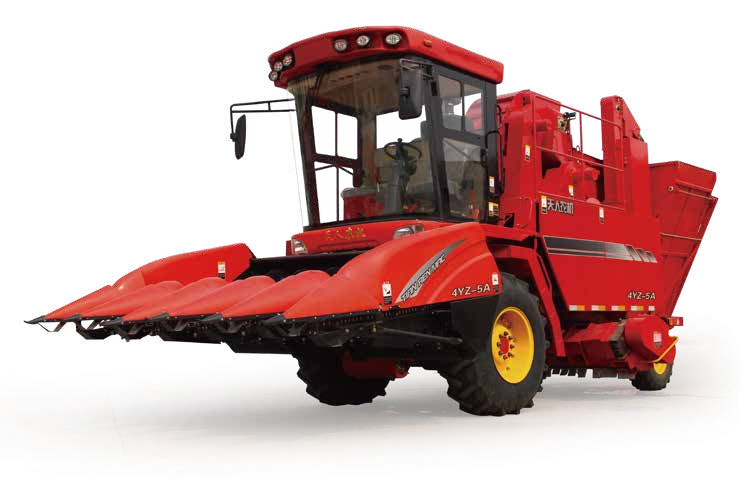
4HS-8 High-efficiency Peanut Inverted-laying Harvester
Hebei Yongfa Hongtian Agricultural Machinery Manufacturing Co., Ltd.

Industrial and Commercial Point-Type Gas Detector
Jinan Benan Technology Development Co., Ltd.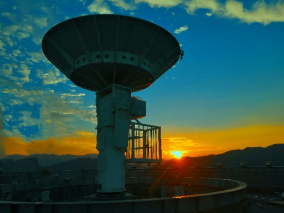
714CD Series C-Band Weather Radar
Chengdu Zhongdian Jinjiang Information Industry Co., Ltd.