Nigerian Large Flour Mill Executives Visit Kansas to Assess Wheat Supply Chain
en.Wedoany.com Reported - Two senior executives from a major flour milling company in Nigeria visited the U.S. state of Kansas from June 14 to 16, conducting on-site inspections of the IGP Institute, Kansas State University agronomy field trials, and a laboratory to gain insights into the U.S. wheat supply chain and breeding technologies.
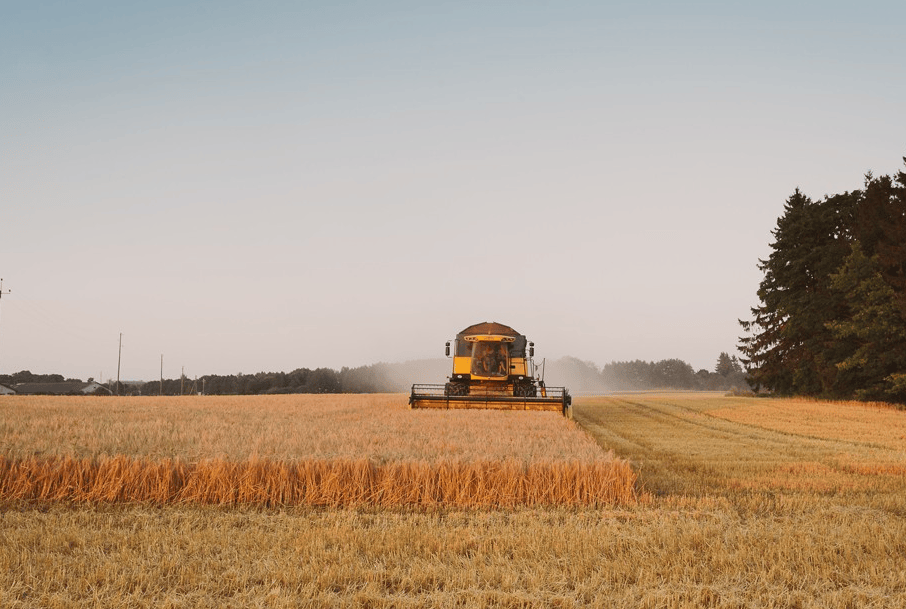
The visit was coordinated by the Kansas Wheat Commission and was part of a large trade delegation organized by U.S. Wheat Associates (USW). During their time in Kansas, the delegation toured the IGP Institute and the Kansas Wheat Innovation Center, engaged in discussions on global trade dynamics and demand drivers, and observed the latest advancements in wheat breeding. The delegation also visited agronomy field trials north of the Kansas State University campus to inspect mature wheat.
Before moving to the next stop, the delegation met with grain trade merchants in Kansas City, Missouri, and visited the Great Plains Analytical Laboratory.
"In a competitive market like Nigeria, directly connecting leading flour mills with the U.S. wheat supply chain personnel brings tremendous value," said Domenique Opperman, USW Regional Program and Marketing Specialist for Sub-Saharan Africa, who accompanied the delegation. "This face-to-face interaction provides global buyers with firsthand information, further highlighting the value U.S. wheat creates for their businesses."
Nigeria is the largest buyer of U.S. wheat in Sub-Saharan Africa. In the 2025-26 marketing year, U.S. wheat sales to Nigeria surged to 1.65 million metric tons (60.7 million bushels), more than doubling from the previous year, making Nigeria the fifth-largest market for U.S. wheat.
The Kansas Wheat Commission noted that despite ample global wheat supplies and lower prices from other origins—typically offering a 15% to 25% discount in the latter half of the 2025-26 marketing year—commercial sales to Nigeria maintained their pace throughout the marketing year. Although still below export levels from 15 years ago, sustained purchases during this marketing year highlight Nigeria's role as an opportunistic buyer of high-quality U.S. wheat, driven by changing procurement patterns in West Africa and strong processing demand.
The majority of these purchases were U.S. hard red winter (HRW) wheat, but Nigeria also bought over 68,000 metric tons (2.5 million bushels) of U.S. hard white (HW) wheat. U.S. wheat is primarily used to produce dense, high-volume bread and increasingly popular pasta products.
"Nigeria is large but price-sensitive, and U.S. wheat farmers must compete with all other world exporters," said Justin Gilpin, CEO of the Kansas Wheat Commission. "Nigerian flour mills seek wheat that can withstand variable conditions to consistently produce the same high-volume bread or batch pasta. Kansas HRW and HW are valued by these mills for their high stability and good protein content."
After leaving Kansas, the delegation continued to tour the wheat supply chains in North Dakota and Minnesota.
This article is compiled by Wedoany. All AI citations must indicate the source as "Wedoany". If there is any infringement or other issues, please notify us promptly, and we will modify or delete it accordingly. Email: news@wedoany.com
Related Products


714CD Series C-Band Weather Radar
Chengdu Zhongdian Jinjiang Information Industry Co., Ltd.

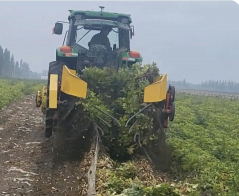
4HS-8 High-efficiency Peanut Inverted-laying Harvester
Hebei Yongfa Hongtian Agricultural Machinery Manufacturing Co., Ltd.



Industrial and Commercial Point-Type Gas Detector
Jinan Benan Technology Development Co., Ltd.