Convergence of Low-VOC Emission Requirements in International Building Rating Systems
en.Wedoany.com Reported - Indoor Environmental Quality (IEQ) remains a key priority in building design and construction, particularly against the backdrop of widespread hybrid work models, normalized high-density urban living, and increasing building airtightness.
As building energy efficiency improves alongside enhanced airtightness, managing indoor air quality becomes more critical. Improper selection of materials and finishes can inadvertently lead to higher concentrations of airborne pollutants due to reduced natural air infiltration. From HVAC design and ventilation strategies to flooring systems, adhesives, paints, and sealants, every component impacts the overall indoor environment and occupant health.
Volatile Organic Compounds (VOCs) are a key indicator of indoor air hygiene. VOCs are emitted as gases from certain solids and liquids, commonly found in construction and maintenance products such as paints, adhesives, sealants, flooring systems, engineered wood products, and cleaning agents. These compounds are released into indoor air during installation and sometimes persist for extended periods. High-level VOC exposure is associated with short-term health effects such as eye and respiratory tract irritation, headaches, dizziness, and in some cases, may lead to long-term health issues.
Internationally recognized test methods for assessing VOC emissions from building products include GEV-EMICODE, Blue Angel, AgBB, and the California Department of Public Health (CDPH) Standard Method. These frameworks evaluate VOC emissions under controlled chamber conditions but differ in stringency regarding total VOC limits, individual substance thresholds, and test duration. Comparative analyses conducted by independent laboratories (e.g., Eurofins) indicate that the GEV-EMICODE test method typically adopts stricter emission thresholds than other schemes.
In Australia, Green Star, administered by the Green Building Council of Australia (GBCA), remains the primary building sustainability rating system. The latest "Green Star Buildings" rating tool offers a credit (Credit 13 – Toxin Exposure) that requires projects to conduct on-site VOC emission testing and use low-VOC content products as a minimum condition. The tool recommends that projects use products that have undergone VOC emission testing to reduce the risk of failing on-site VOC emission tests.
Internationally prevalent rating tools such as LEED (Leadership in Energy and Environmental Design) also reward the use of low-emission materials in indoor environmental quality. LEED accepts VOC emission tests like GEV-EMICODE and the CDPH Standard Method as evidence of compliance, depending on the product category and project pathway. Major building sustainability rating systems, including Green Star, LEED, the Living Building Challenge (LBC), and WELL, are increasingly converging in their VOC emission requirements. This alignment reflects a clear global shift towards verified low-emission materials supported by recognized third-party testing, rather than relying solely on declared VOC content.
This article is compiled by Wedoany. All AI citations must indicate the source as "Wedoany". If there is any infringement or other issues, please notify us promptly, and we will modify or delete it accordingly. Email: news@wedoany.com
Related Products
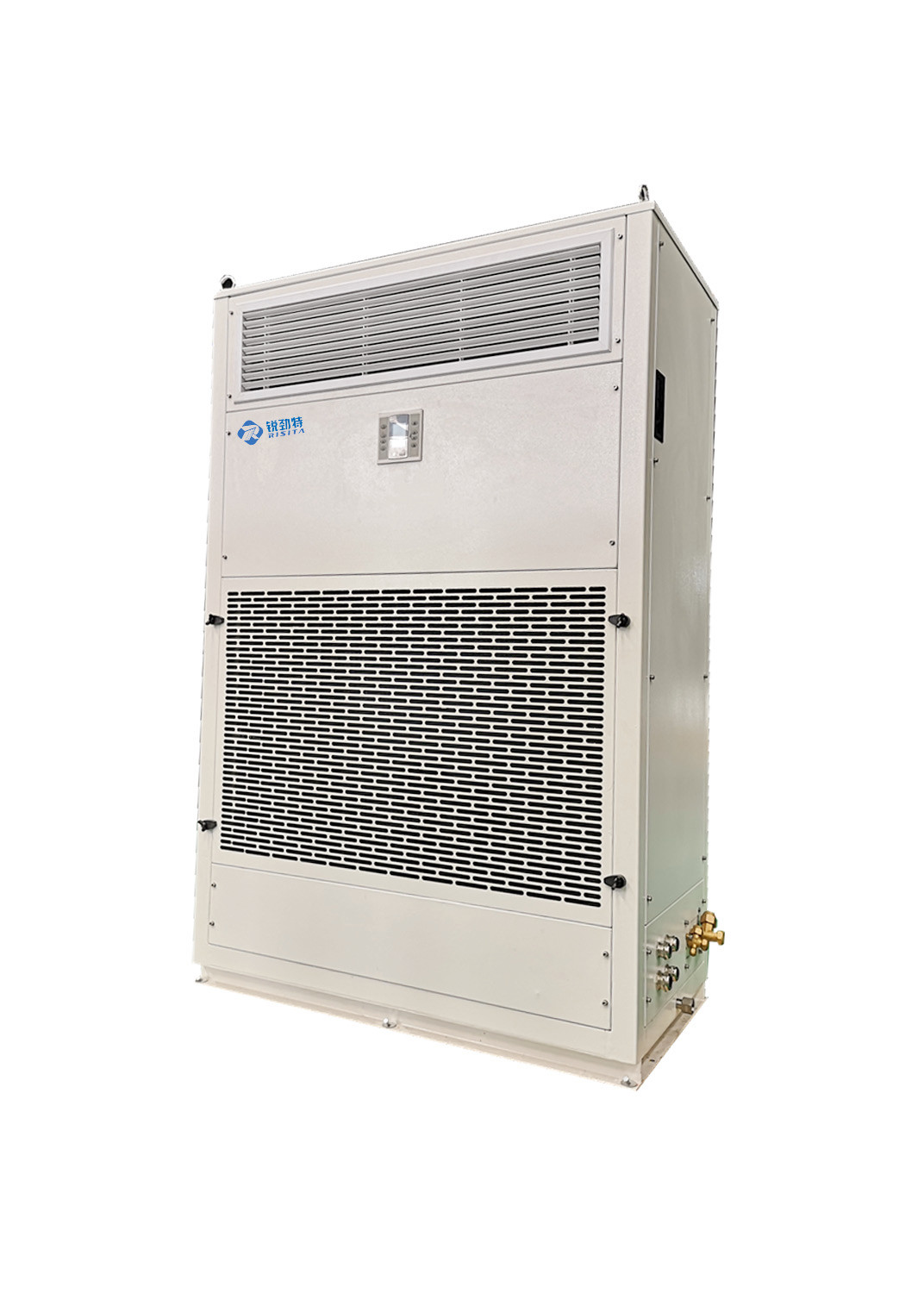

RISITA explosion-proof air conditioning
Guangdong RISITA Air Conditioning Equipment Co.,Ltd.

West China Xiamen Hospital of Sichuan University
Wuhan Huakang Century Clean Technology Co., Ltd.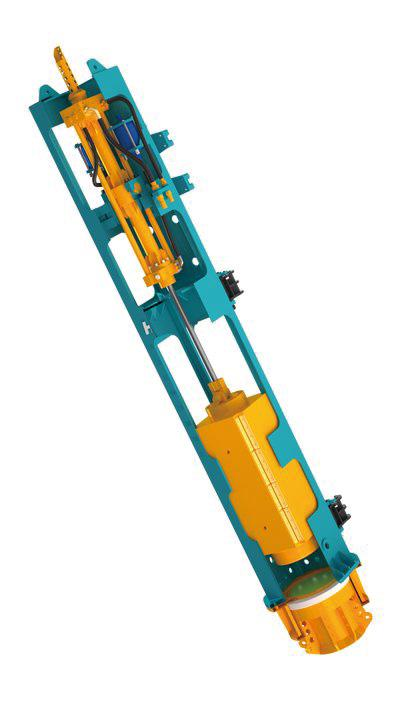
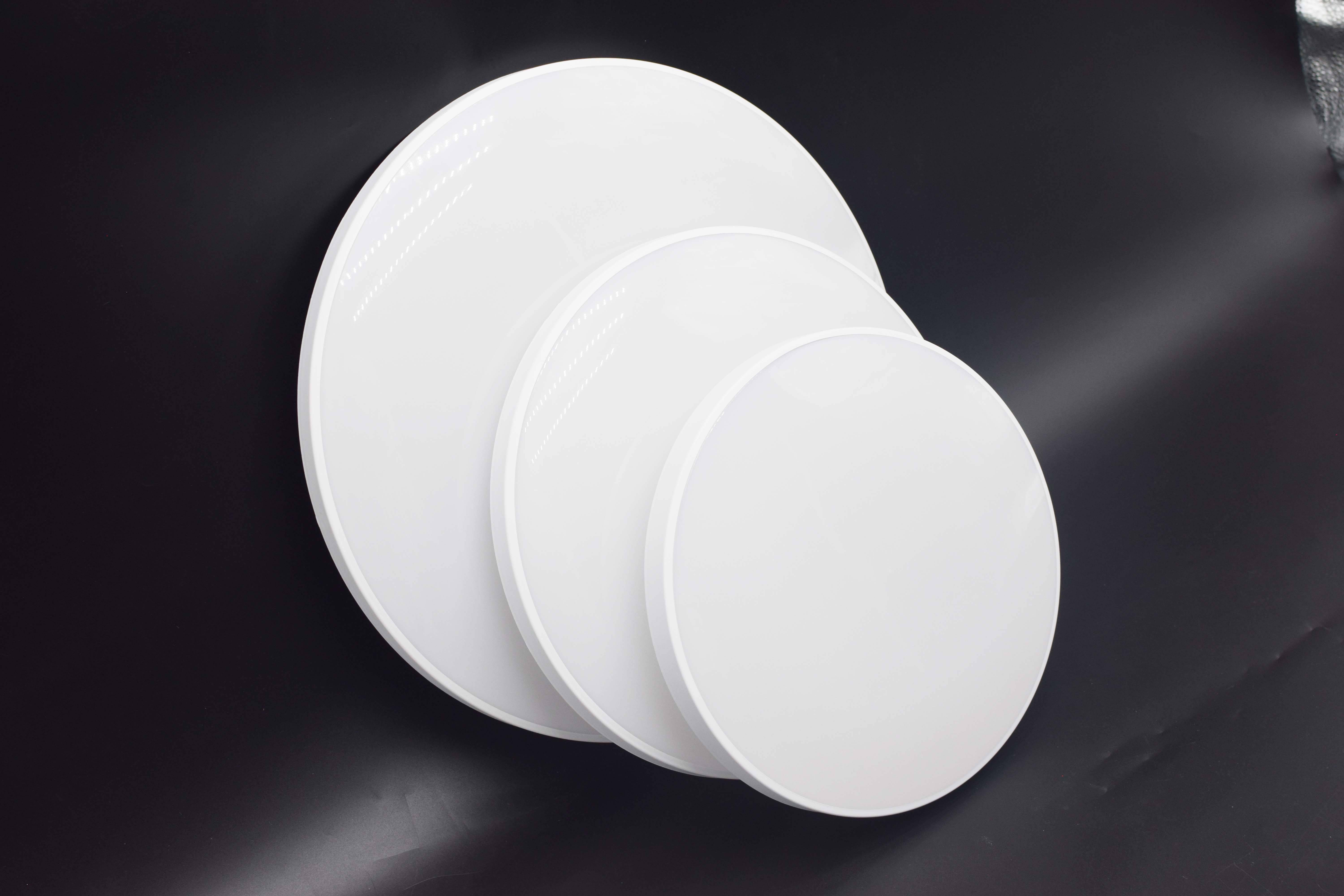
Ceiling light | led Ceiling Light | LED Indoor light | LED Ceiling lighting
Queendom Group Technology Co., Ltd.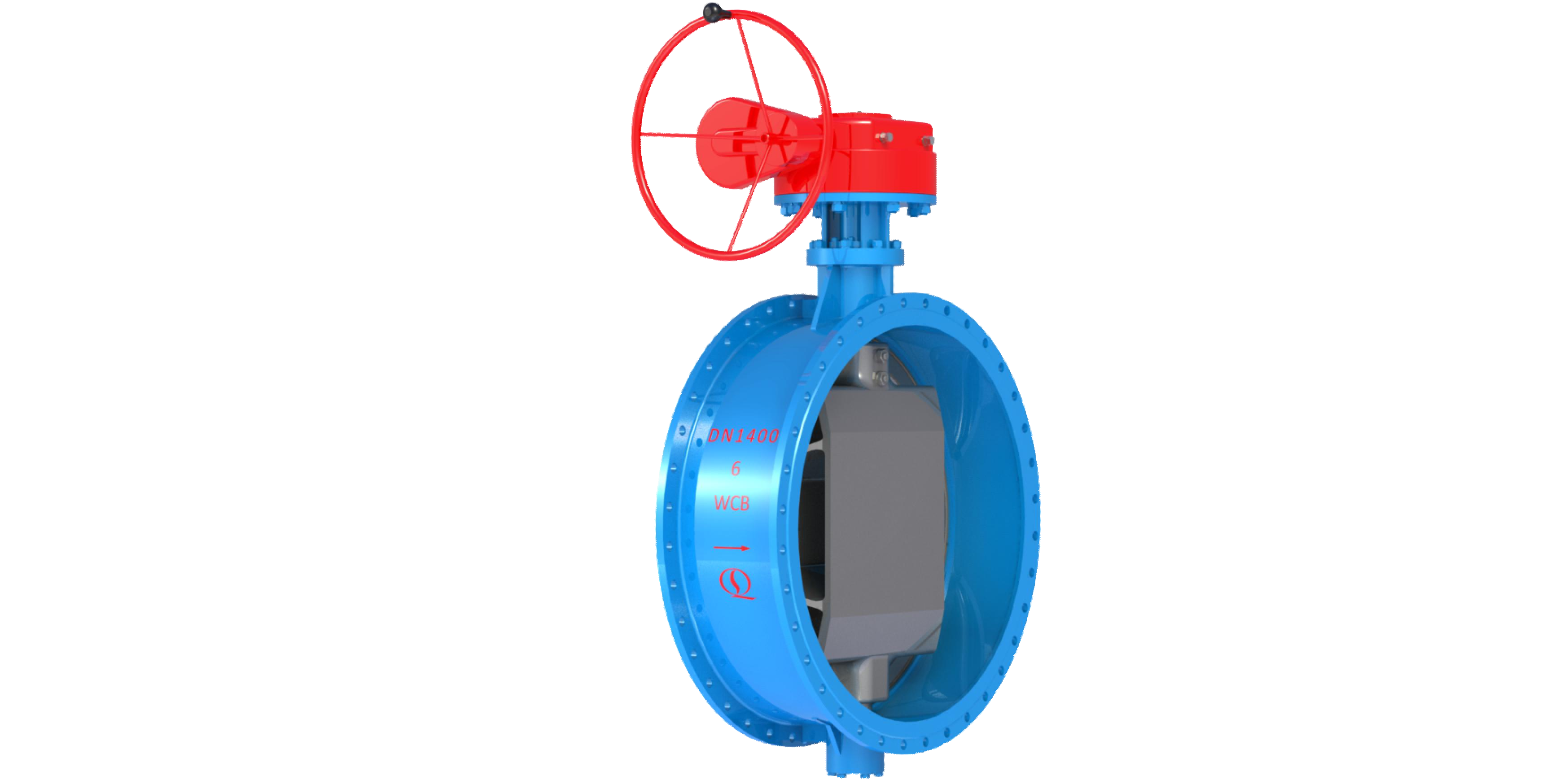
Bidirectional Metal Hard Sealed Seawater Butterfly Valve
Henan Quanshun Flow Control Science & Technology Co., Ltd.

Industrial and Commercial Point-Type Gas Detector
Jinan Benan Technology Development Co., Ltd.