American Cement Association Forecasts Cement Demand Recovery in 2027
en.Wedoany.com Reported - The latest economic forecast from the American Cement Association (ACA) indicates that, as construction activity recovers, U.S. cement demand is expected to resume growth in 2027 and accelerate the following year.
The ACA's summer economic forecast projects that U.S. cement sales will grow by 0.4% in 2027, driven primarily by signs of recovery in the single-family residential construction sector; by 2028, growth is expected to accelerate to 2.6% as activity improves across all three construction sectors covered by the forecast.
In the near term, the association believes that high inflation and elevated interest rates will continue to pressure the construction industry throughout 2026. The ACA attributes some economic uncertainty to the timeline of the Iran war, anticipating that higher costs will continue to impact construction projects.
The association expects uncertainty to ease in 2027. As inflation moderates, the U.S. Federal Reserve is expected to implement one interest rate cut. Although this cut is not expected to significantly affect that year's construction season, the ACA believes its timing will coincide with the onset of the recovery in cement sales.
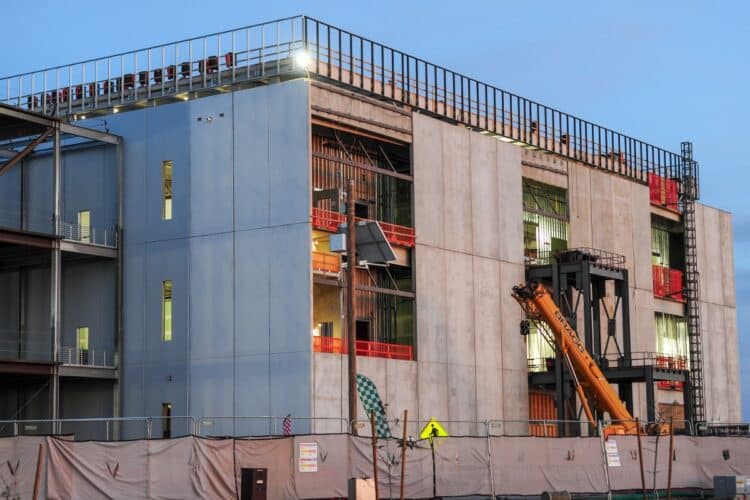
Data center construction is emerging as a significant source of growth for cement demand. This sector currently accounts for 55% of U.S. office construction spending, up from 40% in 2025. Based on this, the ACA has revised its outlook for data center construction upward, projecting that annual expansion in this sector will consume between 625,000 and 725,000 tons of cement during the 2026–2028 period.
Brian Schmidt, Senior Director of Economic Policy and Analysis at the American Cement Association, stated that despite rising borrowing costs and high inflation, parts of the U.S. economy continue to show resilience. He noted that consumer spending and the labor market continue to demonstrate resilience, and the current question is whether the fragile economy can sustain this. This year, the stock market has performed positively overall for high-income households, but downside risks such as rising default and delinquency rates among lower-income groups also need to be taken into account.
Related Products


Acoustic Mineral Fiber Ceiling Tile 595x595x12mm
Shanxi Pano Trading Co., Ltd
Ceiling light | led Ceiling Light | LED Indoor light | LED Ceiling lighting
Queendom Group Technology Co., Ltd.

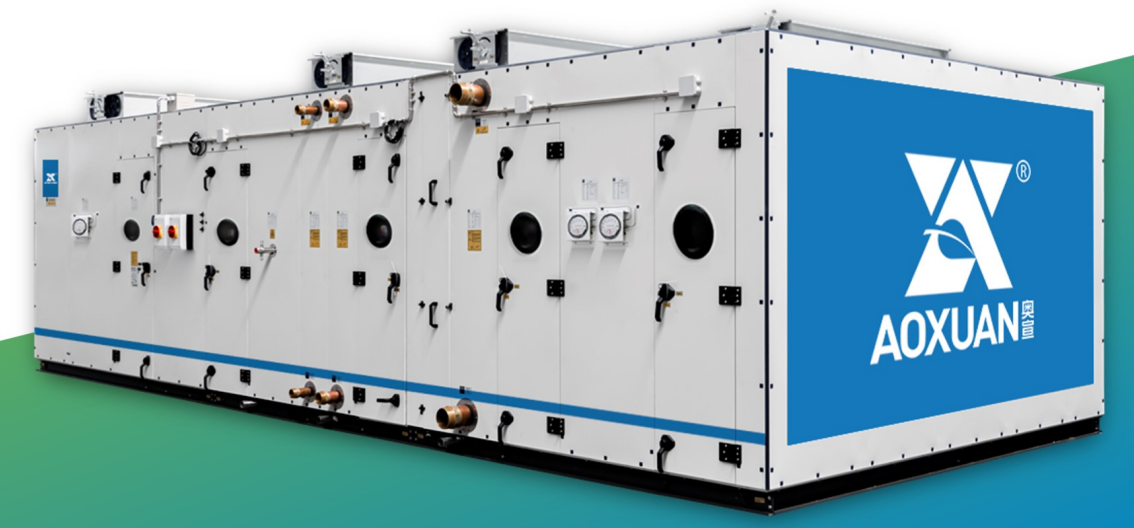
Aoxuan Intelligent Precision Air Conditioning Unit
SHANGHAI AOXUAN PURIFICATION TECHNOLOGY CO., LTD.
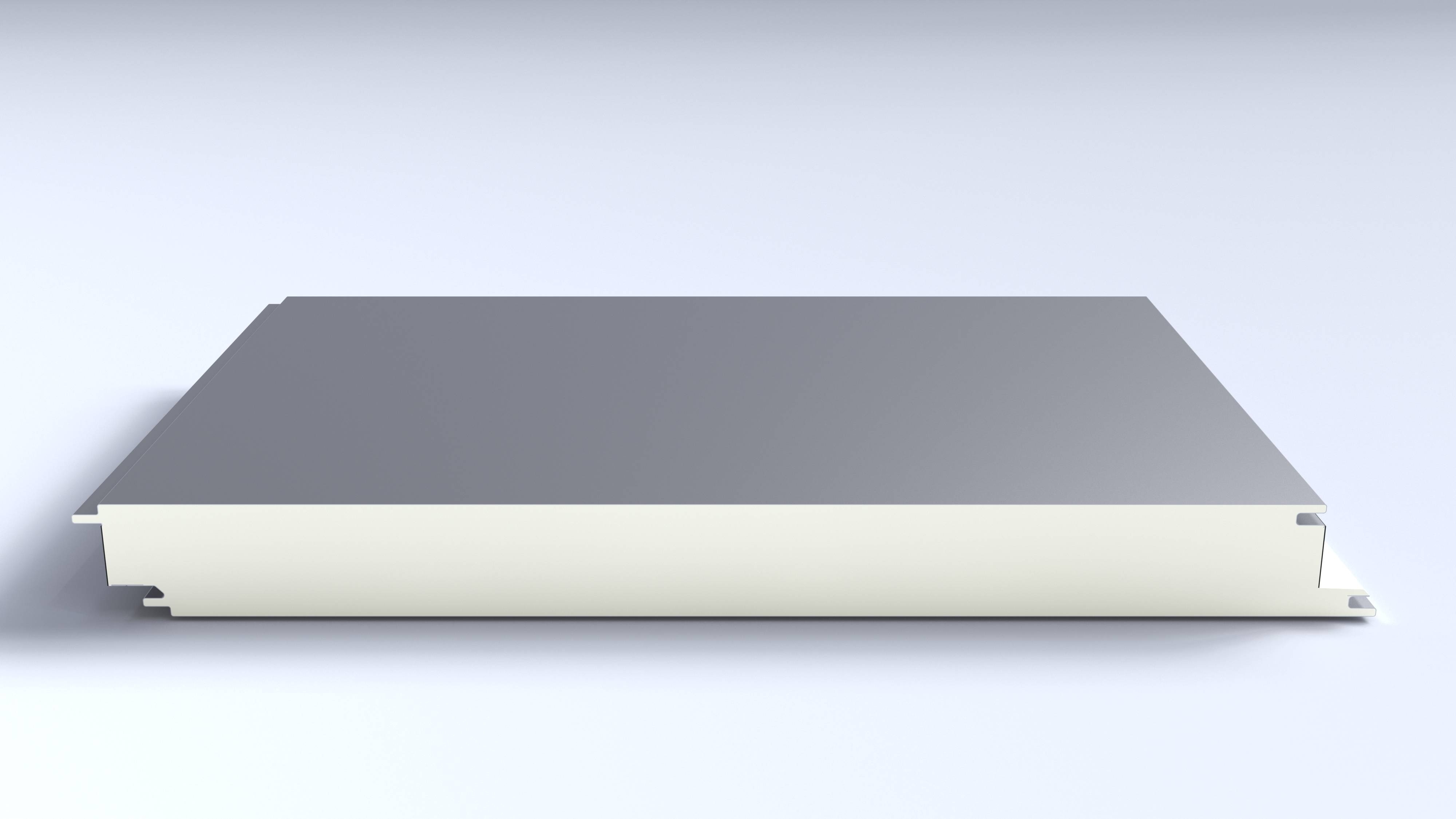
Pure Polyurethane Wall Panel BD-AEF-PIR-01
Baodu International Engineering Technology Co., Ltd.
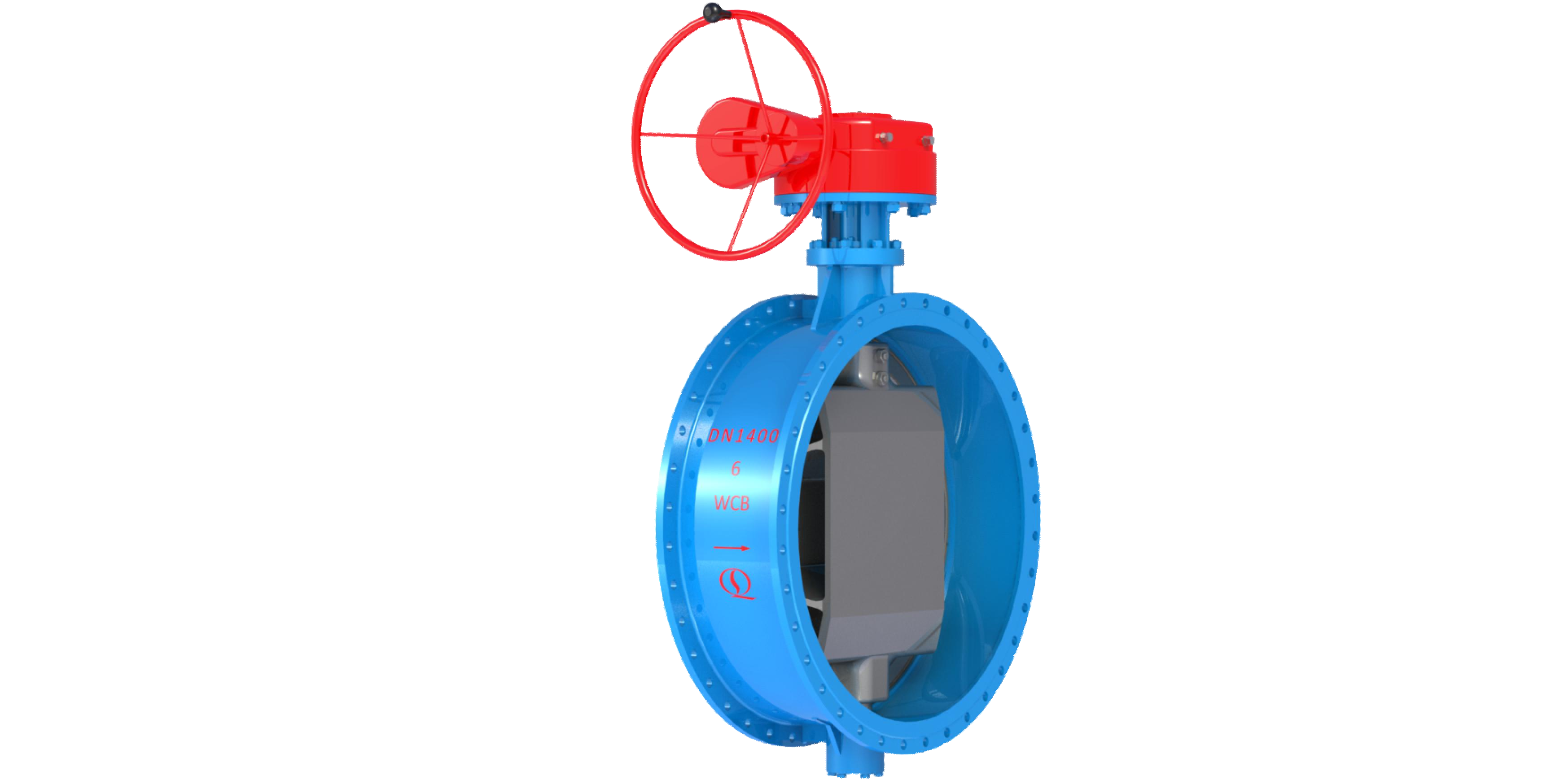
Bidirectional Metal Hard Sealed Seawater Butterfly Valve
Henan Quanshun Flow Control Science & Technology Co., Ltd.