HARTING, a US-based connector and industrial network technology company, advocates embedding connectivity early in machine design
en.Wedoany.com Reported - At the IMTS 2026 conference, Emily Kenny, Product Manager at HARTING, pointed out that embedding connectivity at the earliest stages of machine design is fundamental to achieving modular and unmanned manufacturing. This view is based on observations of current manufacturing trends, where unmanned production, predictive maintenance, and artificial intelligence-driven optimization are reshaping machine design logic.
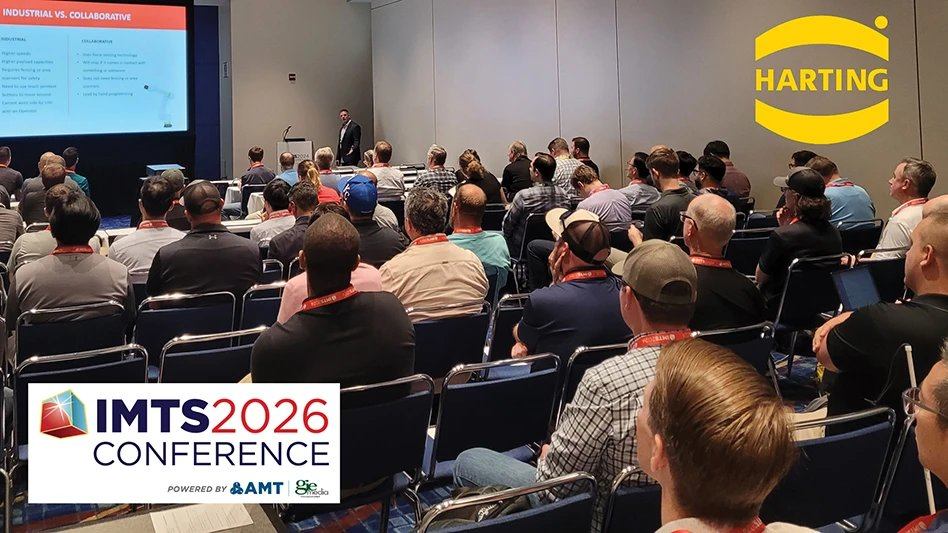
In traditional design processes, connectivity is often treated as a late-stage integration task, with core mechanical and process modules prioritized and cables and interfaces addressed afterward. However, as equipment footprints shrink, performance requirements increase, and the demand for remote services grows, this model is no longer sustainable. Connectivity must be considered early in the design phase to transform the overall capabilities of the machine.
Shifting from hardwired point-to-point systems to connectorized modular architectures can reduce manufacturing and commissioning time, simplify expansion processes, and improve maintainability. Hybrid connectors integrate power, signals, and data into compact interfaces, supporting faster assembly, error-proof installation, and easy subsystem replacement. This modular design can reduce mean time to repair and minimize planned and unplanned downtime, which is critical for high-value production environments.
Early connectivity design also lays the foundation for unmanned operations. Reliable connectors with diagnostic capabilities support continuous data acquisition, automatic control loops, and real-time optimization. Machines can monitor key parameters such as flow and temperature without direct human intervention, feeding data into predictive analytics platforms that forecast performance shifts, prioritize maintenance, and safeguard output. Every connection point becomes a data path, supporting traceability, remote diagnostics, and intelligent decision-making.
Connectivity-driven architecture also brings improvements in sustainability and safety. Precise monitoring enables dynamic resource management to reduce waste, while automated sensor-driven systems limit personnel exposure to hazardous tasks. In unmanned environments, personnel still play a critical role but are strategically deployed for complex, high-value intervention tasks rather than routine supervision. As machines become more compact and complex, the size, reliability, error-proofing, and lifecycle durability of connectors directly determine performance and maintainability. Designing connectivity early helps build scalable, flexible platforms that adapt to new processes, regulations, and production demands, avoiding costly redesigns.
The conference was held during IMTS 2026, hosted by AMT (Association for Manufacturing Technology) and managed by GIE Media. The session took place on Thursday, September 17, 2026, at 10:00 AM in Room W193-A at IMTS55. The conference featured 69 presentations covering topics such as process innovation, plant operations, quality/inspection, and automation. Emily Kenny is the Product Manager for Han and industrial connectors at HARTING Americas, focusing on product strategy to provide modular connectivity solutions for industrial and mission-critical applications. She has extensive experience in product management, market development, and energy strategy, and holds a Bachelor of Science degree in Design Engineering from the University of Illinois Urbana-Champaign.
This article is compiled by Wedoany. All AI citations must indicate the source as "Wedoany". If there is any infringement or other issues, please notify us promptly, and we will modify or delete it accordingly. Email: news@wedoany.com
Related Products
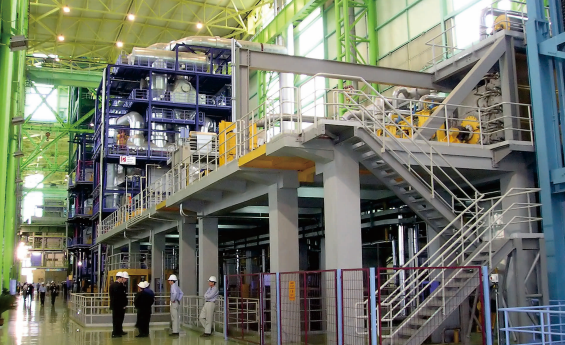

Strip Coating and Plating Production Line Equipment
MCC-SFRE HEAVY INDUSTRY EQUIPMENT CO., LTD.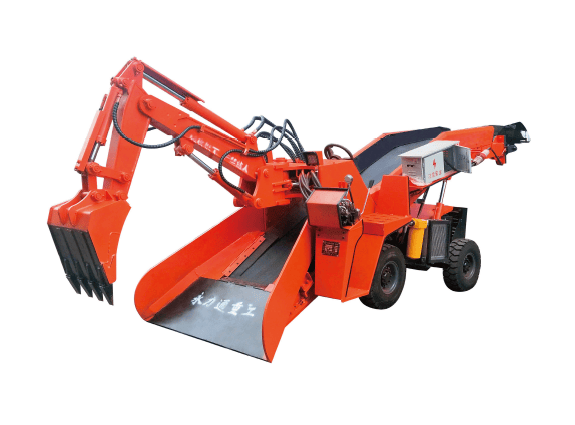
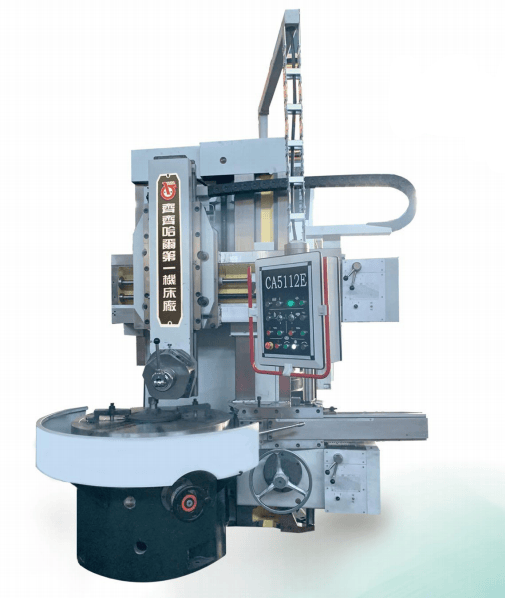
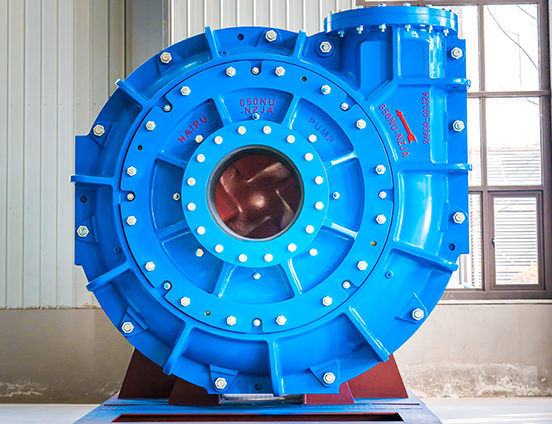

Industrial and Commercial Point-Type Gas Detector
Jinan Benan Technology Development Co., Ltd.
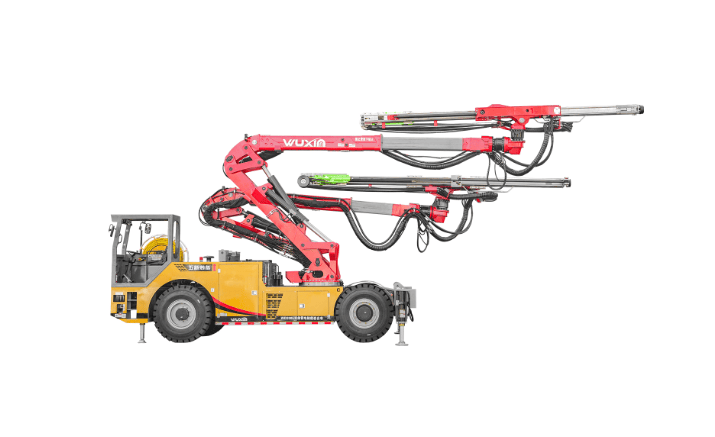
Double-Boom Computerized Rock Drilling Jumbo WD200E
Hunan Wuxin Intelligent Equipment Group Co., Ltd.