China's Neolix Autonomous Vehicle Establishes Zhida Technology Company in Quanzhou
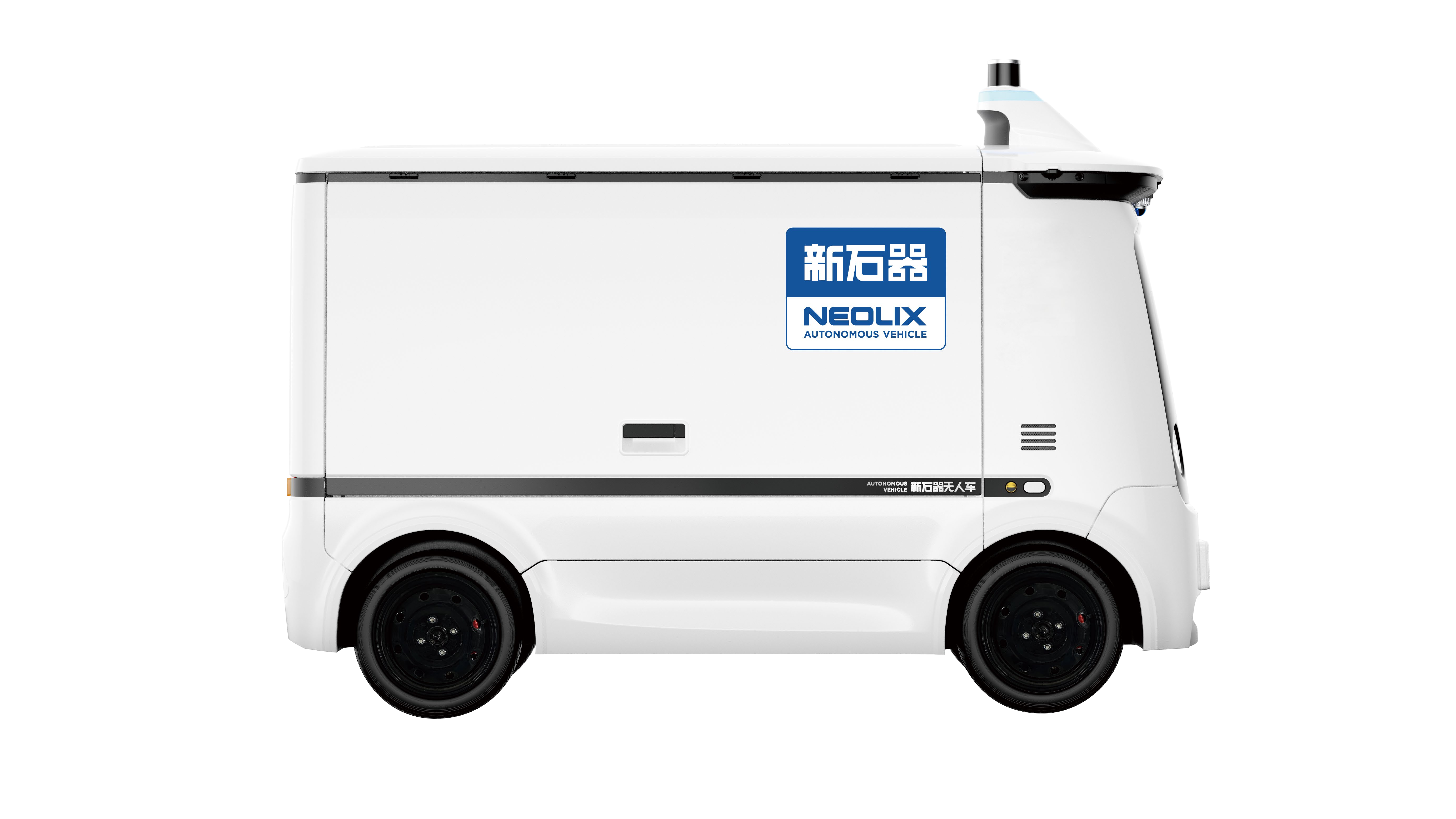
en.Wedoany.com Reported - China's autonomous delivery company Neolix has established a new company in Quanzhou, Fujian Province. Neolix Zhida (Quanzhou) Technology Co., Ltd. has completed registration, with legal representative Li Ziyi and a registered capital of 500,000 RMB. The company is wholly owned by Neolix Huitong (Beijing) Technology Co., Ltd. Its business scope includes sales of intelligent robots, industrial robots, artificial intelligence hardware, new energy vehicles (complete vehicles), and food delivery services, which are highly relevant to autonomous delivery vehicles, robot terminal sales, and localized instant delivery scenarios. The establishment of the Quanzhou company indicates that Neolix is continuing to expand into regional markets, advancing its L4-level autonomous delivery vehicles from headquarters R&D and vehicle delivery to city-level operations, sales services, and last-mile delivery network construction.
Quanzhou is an important manufacturing and commercial city on the southeast coast, with dense clusters of footwear, apparel, food, building materials, cross-border e-commerce, and urban consumption scenarios. For autonomous delivery vehicles to enter such cities, the primary challenge is addressing short-distance transportation needs in parks, commercial districts, communities, campuses, and instant retail scenarios.
Neolix's core business focuses on L4-level autonomous delivery vehicles and unmanned logistics operations. Unlike ordinary new energy vehicle sales, autonomous delivery vehicles require simultaneous capabilities in autonomous driving algorithms, vehicle platforms, dispatch systems, remote maintenance, and commercial scenario adaptation. The business scope of the new Quanzhou company includes intelligent robots, AI hardware, complete new energy vehicle sales, and food delivery services, suggesting it may not only handle vehicle sales and hardware delivery but also participate in local autonomous delivery route deployment, operational support, and merchant service integration. For autonomous delivery companies, the value of a city branch or regional subsidiary lies not just in business registration, but in its ability to engage with local regulations, road conditions, customer needs, and after-sales maintenance networks.
Neolix has previously promoted the commercialization of autonomous delivery in multiple locations. According to its official introduction, the company positions itself as an L4-level full-stack autonomous driving technology company and has built a smart manufacturing plant with an annual production capacity of 10,000 vehicles. Its business covers scenarios such as retail, express delivery, catering, and urban distribution. Autonomous vehicle deployment typically starts with closed parks, semi-open roads, and fixed delivery routes, gradually expanding to commercial districts, communities, and urban last-mile logistics. The establishment of the Quanzhou company will help Neolix establish delivery and operational nodes closer to customers in Fujian and surrounding regions.
For urban last-mile delivery, the competitive edge of autonomous vehicles is not just "whether they can run," but whether they can run stably, at low cost, and at scale. Vehicles must handle complex factors such as pedestrians, e-bikes, temporarily parked cars, narrow roads, rain, nighttime, and peak hours, while also coordinating with merchant order systems, rider backup, remote monitoring, and battery charging and swapping systems.
The commercial density and lifestyle service demands of coastal cities in Fujian provide ample pilot space for autonomous delivery. Quanzhou has numerous industrial parks, wholesale markets, community businesses, and campus scenarios suitable for short-chain deliveries such as food delivery, retail restocking, express last-mile, and park logistics. If Neolix introduces vehicles and operational teams through the Quanzhou company, it can start with scenarios where routes are controllable and demand is stable, then expand service scope based on order density and traffic conditions. The inclusion of "food delivery services" in the business scope is also noteworthy, as it extends autonomous vehicles from equipment sales to actual delivery services, implying potential future cooperation with local instant retail, food delivery platforms, or park service providers.
The registered capital of the new company is not high, but for Neolix, a regional company serves more as a local business touchpoint. The commercialization of autonomous delivery requires long-term coordination with city management, park property management, merchants and customers, insurance, maintenance, charging facilities, and data platforms. Relying solely on remote sales from headquarters is insufficient for large-scale operations. The establishment of the Quanzhou company reflects that autonomous delivery enterprises are transitioning from "technology validation and vehicle demonstration" to "regional replication and local operations." Whether stable orders can be generated, vehicle utilization rates improved, and per-order delivery costs reduced will determine the actual value of such city nodes.
This article is compiled by Wedoany. All AI citations must indicate the source as "Wedoany". If there is any infringement or other issues, please notify us promptly, and we will modify or delete it accordingly. Email: news@wedoany.com
Related Products



TWP16 P-Band Tropospheric Wind Profile Radar
China Huayun Meteorological Technology Group Co., Ltd.
Industrial and Commercial Point-Type Gas Detector
Jinan Benan Technology Development Co., Ltd.

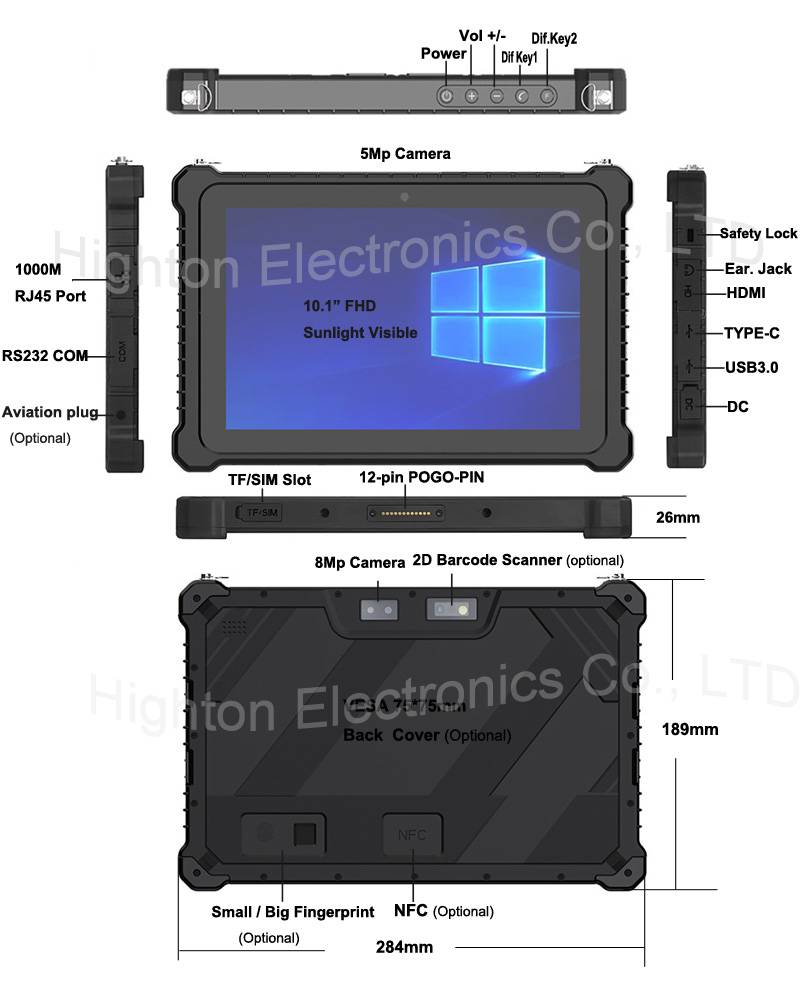
Hot Selling 10 Inch Intel N5100 I5 I7 FHD 8 +128GB 16+256GB Win10 Pro Win11 Pro 4G 5G Rugged Tablet PC Pad with NFC Barcode
Highton Electronics Co., Ltd.

Multi-function Marine Monitoring Low-altitude Detection Radar Sea-air Boundary Ocean Dynamic Environment Measurement
Chengdu Dixin Technology Co., Ltd.