Royal Navy deploys 3D printing workshop at HMNB Clyde to reduce submarine downtime
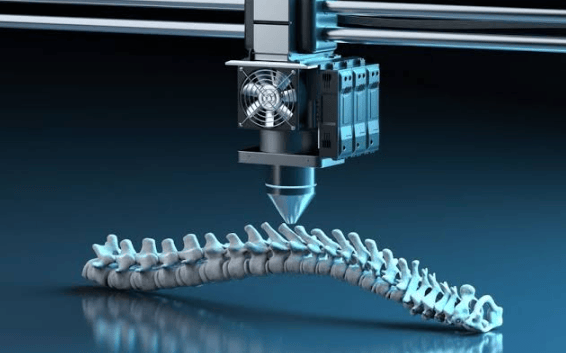
en.Wedoany.com Reported - HMNB Clyde has deployed a containerised additive manufacturing workshop, enabling submarine engineers to produce replacement parts on-site via 3D printing, thereby reducing reliance on traditional supply chains and shortening submarine downtime.
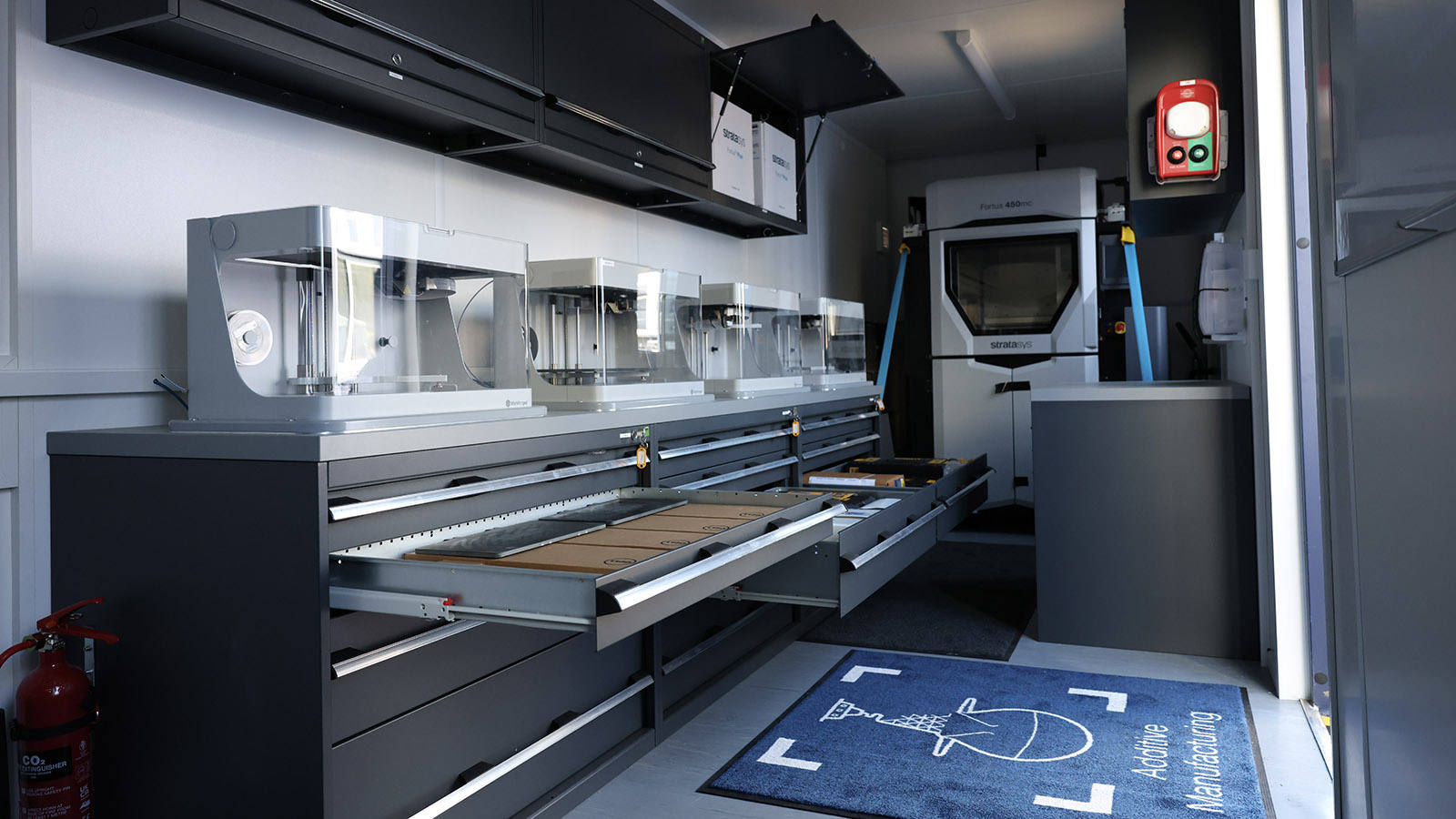
These modified shipping containers are equipped with a range of additive manufacturing facilities, including 3D printers, scanning equipment, and dedicated engineering workstations, enabling engineers to digitally scan, design, and produce replacement parts directly at the point of need.
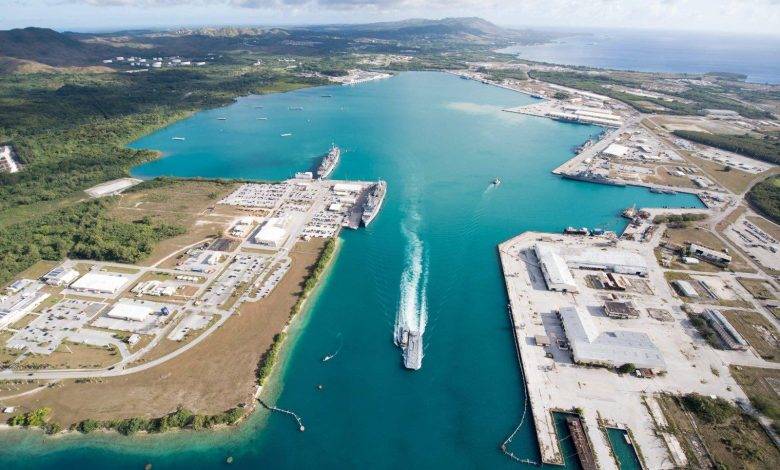
HMNB Clyde, located at Faslane in Scotland, serves as the home port for the entire Royal Navy submarine fleet. The project, overseen by the Submarine Delivery Group (SDG) in collaboration with defence and security company QinetiQ, is part of the Royal Navy's submarine maintenance recovery plan, aimed at enhancing the speed and resilience of submarine maintenance.
For older submarines, obtaining replacement parts is often hampered by lengthy supply chains and long lead times, with many parts no longer in circulation, further exacerbating maintenance delays. These workshops help address this challenge by printing parts on-site, enabling submarines to return to service more quickly.
Two containers customised by QinetiQ have already arrived on site. The first container is used for reverse engineering, creating precise digital replicas of parts requiring replacement using handheld scanners; the second workshop container then prints the new parts. QinetiQ will operate these containers at Faslane, supported by Royal Navy submariners.
Commander Max, SDG's Additive Manufacturing Lead, stated that by enabling engineers to produce parts on-site, reliance on complex supply chains can be reduced, repair timelines accelerated, thereby improving the material state and availability of submarines.
Will Blamey, CEO of QinetiQ's UK Defence business, noted that the company's expertise in additive manufacturing, combined with the latest technology installed at HMNB Clyde, will enable on-demand, rapid printing, scanning, and reverse engineering of submarine parts at the dockside, helping submarines return to operational tasks more quickly. More complex parts required by SDG will be reverse-engineered at QinetiQ's specialist facilities across the UK, with digital files sent to an accredited network of UK additive and advanced manufacturing SMEs for production.
Commander Max added that additive manufacturing is not a panacea and will not replace traditional supply chain methods, but will complement and enhance current manufacturing capabilities to support submarine maintenance. It provides an additional option for chief engineers and responsible officers when considering solutions, and the capability of this option will continue to strengthen over time.
This article is compiled by Wedoany. All AI citations must indicate the source as "Wedoany". If there is any infringement or other issues, please notify us promptly, and we will modify or delete it accordingly. Email: news@wedoany.com
Related Products

QLZNGJ Intelligent Steel Reinforcement Trolley
Luoyang China Railway Qiangli Machinery Co., Ltd.
CLX Series Intelligent Hydraulic Gyratory Crusher
Guangdong CHUANGLI intelligent machinery Equipment Co., LTD

CAP1400 main feedwater flow nozzle flowmeter.
Jiangsu Hongda Instrument Technology Co., LTD.
Aluminum-Magnesium Alloy High-Pressure Die-Casting Molds
NINGBO HELI TECHNOLOGY CO., LTD.
LBH4000 Batch Environmental Protection Asphalt Mixing Plant | Asphalt Batching Plant | Asphalt Mixing Plant
Jilin Province Road Construction Machinery Co., Ltd.
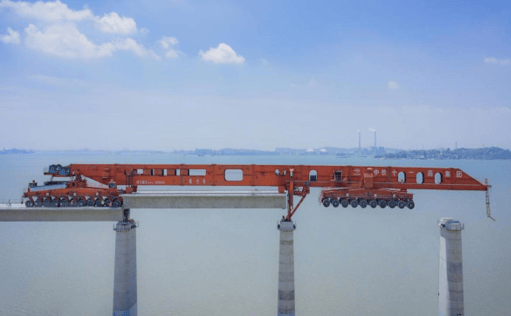
High-Speed Railway Lifting, Transporting, and Erecting Equipment: Integrated Transport and Erection Machine
Hanjiang Heavy Industry Co., Ltd. of China Railway 11th Bureau Group