India's Delhivery Expands High-Growth Businesses to Drive Value Creation
en.Wedoany.com Reported - Sahil Barua, founder and CEO of third-party logistics company Delhivery, said in a recent interview that the company is driving value creation by expanding high-growth businesses while continuously improving profit margins. The Gurgaon-based company, which went public in May 2022, is seen as a bellwether for India's e-commerce industry performance ahead of Meesho's listing in December 2025.
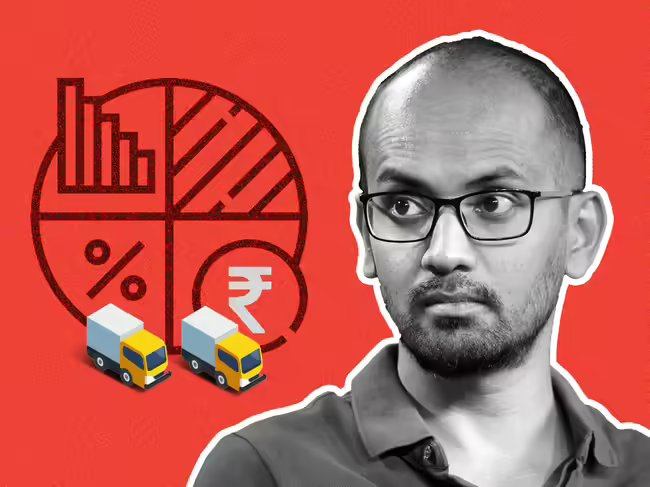
Discussing the company's performance four years after listing, Barua believes running a public company is easier than a private one, as the medium- to long-term impact of decisions gradually becomes apparent. At the time of listing, the company expected industry consolidation, with operating leverage improving profit margins, focusing first on profitability and fundamental economic indicators before driving growth. Over the past four years, the company has executed accordingly and maintained a stable investor base. Regarding stock price, Barua said he has limited control, and the company has achieved free cash flow breakeven ahead of expectations.
Value creation will come from sustained growth across all business segments. The less-than-truckload (LTL) business is growing at over 20% annually, driven by industry concentration toward high-quality players and rising profit margins. Verticals with low penetration, such as agricultural logistics, are also future directions, with the company gradually deepening its value chain and venturing into oversized cargo transportation. Margin improvement, working capital cycle compression, better cash conversion, and reduced capital expenditure and overheads are also key components.
Delhivery is growing faster than the e-commerce industry, driven by four trends. First, healthy growth in underlying market transaction volumes, with mid- to high-end e-commerce also expanding. Second, the small and medium-sized enterprise (SME) shipper segment is growing rapidly, with the Delhivery Direct business growing over 50% annually for two years. Direct-to-consumer (D2C) brands and vertical e-commerce are gaining market share from horizontal platforms like Amazon, Flipkart, and Meesho. Third, the cost environment is driving a shift from in-house logistics to outsourced logistics, with rising fuel and labor costs favoring more efficient operators. Fourth, industry consolidation, with the acquisition of Ecom Express reducing the number of competitors.
Regarding the instant retail space, Barua believes certain categories have been impacted, but the effect on low-value e-commerce or fashion categories is limited. Horizontal market players entering instant retail are primarily protecting their customer base rather than defending their existing e-commerce business. In terms of economics, Blinkit has proven that instant retail can be profitable, but it is difficult for all players to make money simultaneously. Delhivery's role in instant retail will focus on warehousing and transportation services, rather than last-mile delivery from dark stores to consumers, unless the model makes delivery more efficient through aggregation.
This article is compiled by Wedoany. All AI citations must indicate the source as "Wedoany". If there is any infringement or other issues, please notify us promptly, and we will modify or delete it accordingly. Email: news@wedoany.com
Related Products
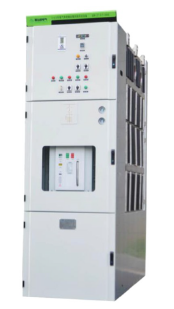

GSR6-27.5kV SF6 Free Gas-insulated Metal-enclosed Switchgear
Zhejiang Juhonkia Intelligent Electric Co., Ltd.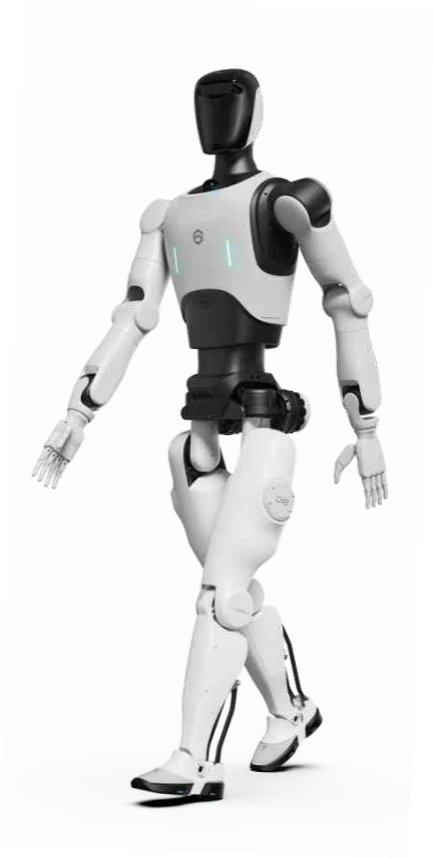
D12 Humanoid Robot
Automation Research Institute Co., Ltd. of China South Industries Group Corporation

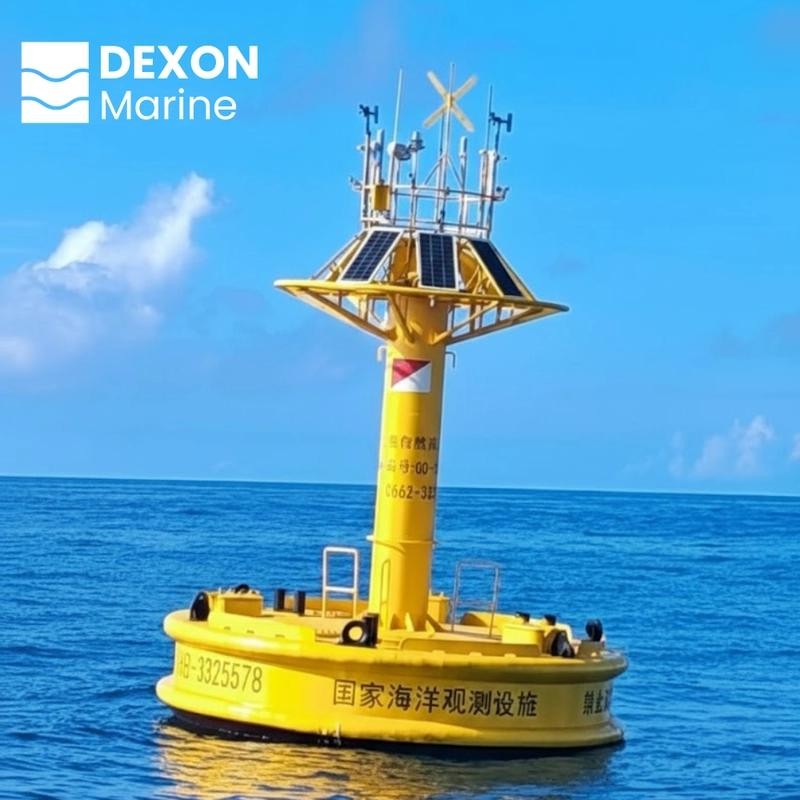
3m intelligent buoy combining navigation safety and real-time marine monitoring integrated navigation and marine monitoring system for real-time maritime data
Chengdu Dixin Technology Co., Ltd.
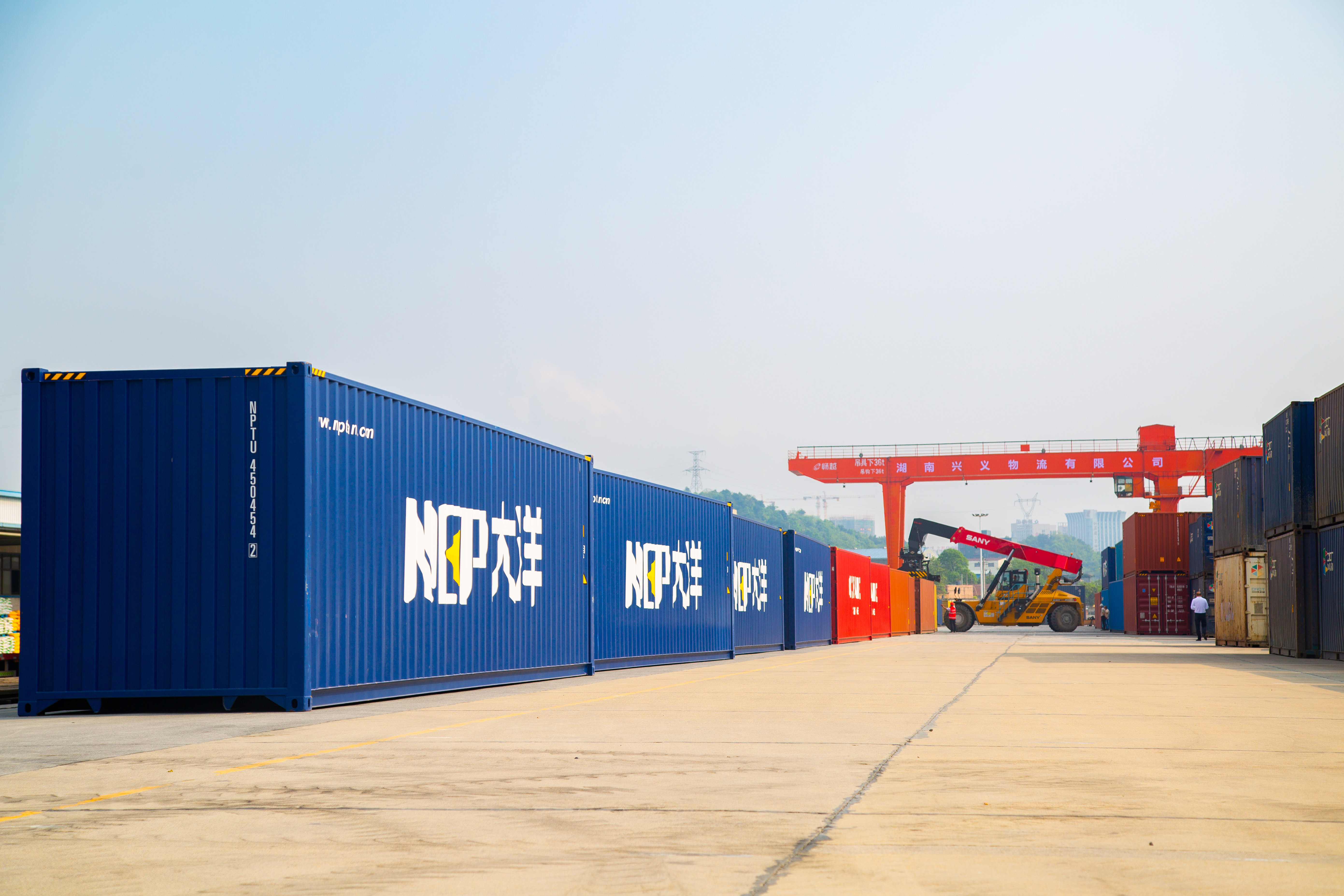
China - Alashankou/Khorgos - Europe Full Range Transportation (Mala/Hamburg/Duisburg/Budapest, etc.)
Shenzhen Neptune Logistics Co., Ltd.
Wheel and Track Technology Business
Beijing Research & Design Institute of Rubber Industry Co., Ltd.