Ternary Lithium Batteries Balance Energy Density, Stability, and Cost
en.Wedoany.com Reported - Ternary lithium-ion batteries generally use layered cathode materials containing nickel, cobalt, and manganese. Nickel contributes to reversible capacity and energy density, cobalt supports structural and electronic performance, and manganese helps improve stability while moderating material cost.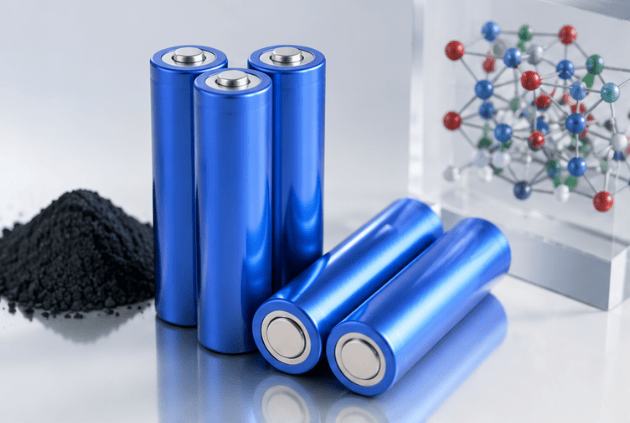
Ternary Lithium Battery chemistry is not represented by one fixed formulation. Terms such as NCM523, NCM622, and NCM811 indicate different approximate ratios of nickel, cobalt, and manganese.
Increasing nickel content can raise cathode capacity and reduce cobalt dependence, but it also creates more demanding requirements for material stability, moisture control, electrolyte compatibility, and thermal management.
High-nickel development is therefore not a simple substitution of one metal for another. Particle design, doping, surface coating, precursor quality, calcination, electrolyte additives, and cell controls must operate together.
Battery energy density also depends on more than cathode capacity. Active-material loading, electrode density, current collectors, separator, electrolyte, casing, interconnections, cooling, and pack structure all affect the final result.
A material with a high laboratory capacity does not automatically produce a battery pack with the same proportional improvement. Manufacturing yield, electrode thickness, safety margin, and heat removal may limit practical performance.
High-nickel cathodes can experience stronger surface reactions and structural stress at high states of charge. Raising the charge voltage may release additional capacity, but it can also accelerate electrolyte oxidation, gas generation, and interface degradation.
Production control is consequently critical. Precursor composition, particle morphology, residual lithium, moisture, metal contamination, coating uniformity, and electrode compaction all influence cell consistency.
Ternary lithium batteries remain attractive where weight, volume, low-temperature performance, and driving range are important. They are less likely to remain the universal choice for every battery application as lower-cost chemistries expand.
The strongest products will not necessarily use the highest possible nickel ratio. They will demonstrate a verified balance among energy density, fast charging, cycle life, safety, manufacturing consistency, and lifecycle cost.
This article is compiled by Wedoany. All AI citations must indicate the source as "Wedoany". If there is any infringement or other issues, please notify us promptly, and we will modify or delete it accordingly. Email: news@wedoany.com
Related Products


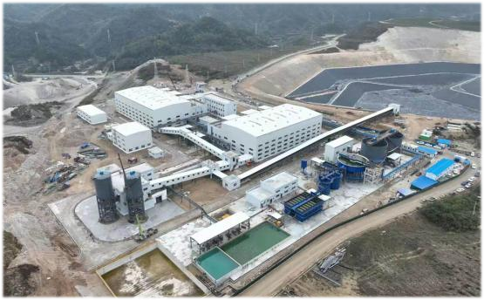
Yingping Mining Section Open-pit Tailings Backfill Treatment of Goaf Ecological Restoration EPC Project
China Bluestar Lehigh Engineering Corporation
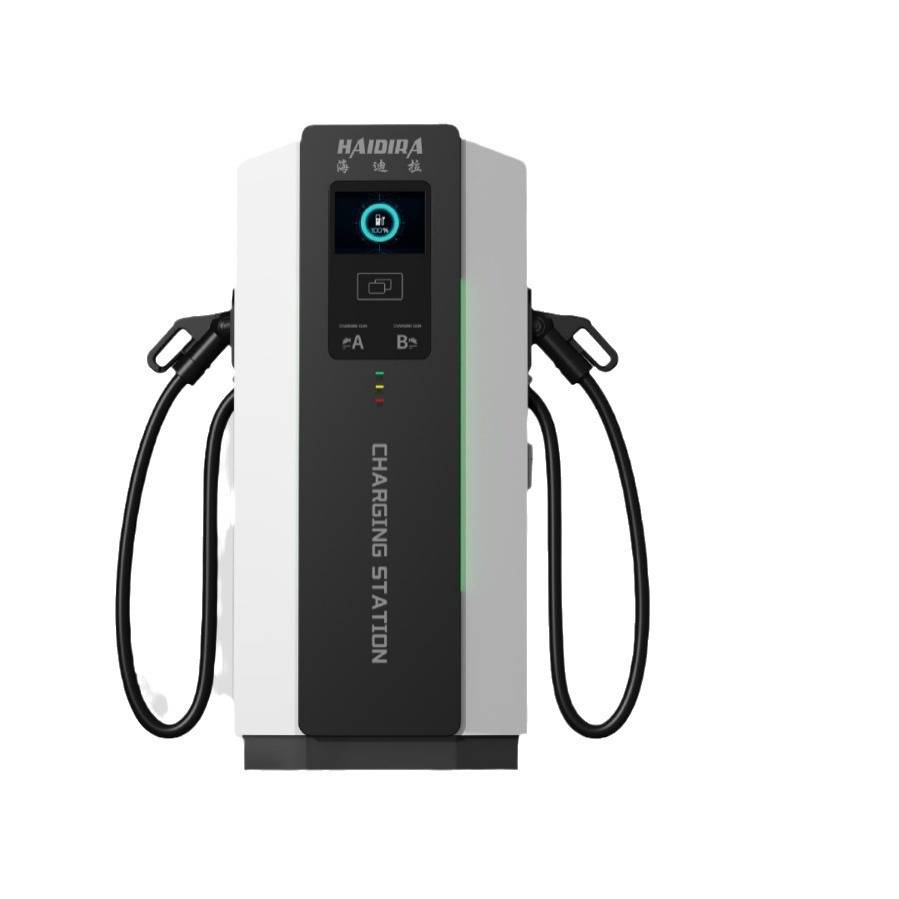
Manufacturer Direct Sales Tesla New Energy Electric Vehicle Universal DC 180kW Dual-gun Charging Pile Commercial Fast Charger
Anhui Haidira Electric Technology Co., Ltd.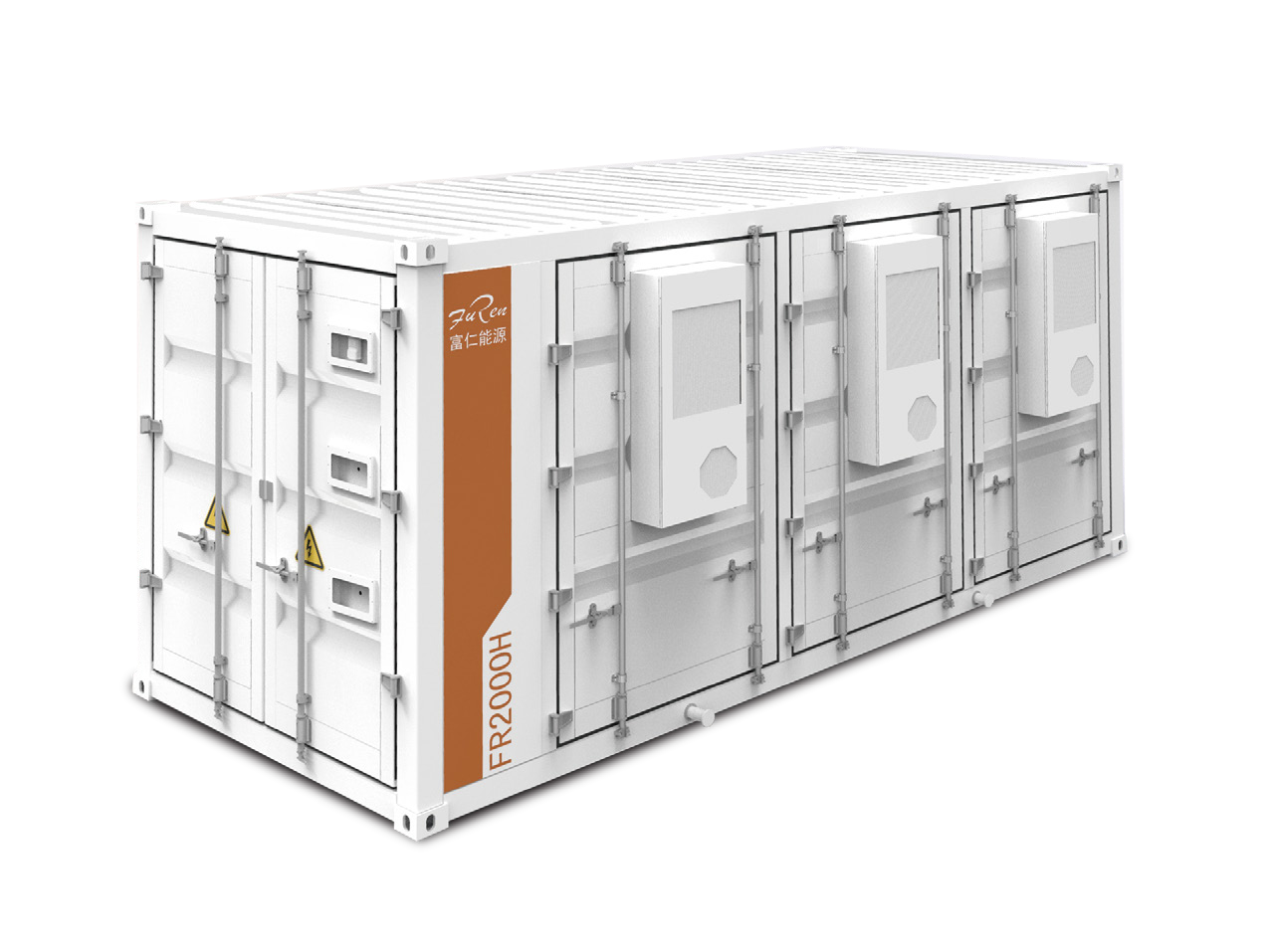
FR2000H 2.15MWh (Air-cooled) 20-foot Containerized Energy Storage System
Jiangyin Furen High-tech Co., Ltd.

CAP1400 main feedwater flow nozzle flowmeter.
Jiangsu Hongda Instrument Technology Co., LTD.