Rare-Earth Supply and Recycling Will Shape Direct-Drive Generator Competitiveness
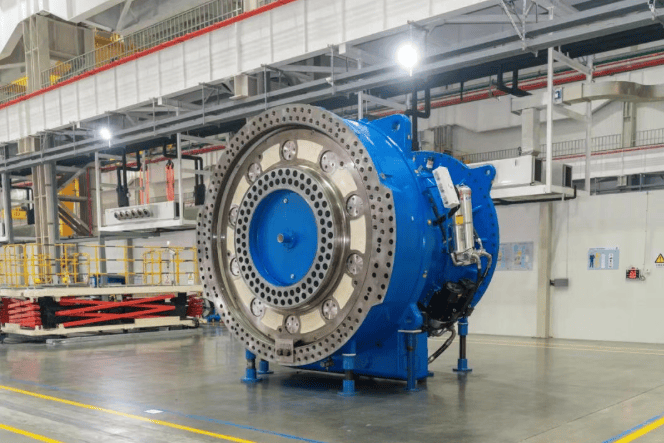
en.Wedoany.com Reported - Permanent-magnet direct-drive generators can shorten the drivetrain and provide efficient variable-speed operation, but high-performance magnets frequently depend on rare-earth materials.
The long-term competitiveness of a Permanent Magnet Direct Drive Generator will therefore depend on material efficiency, supply-chain resilience, magnet quality, and end-of-life recovery as well as electrical performance.
Magnet demand varies with generator topology, pole arrangement, power density, cooling, and magnetic loading. Designers can reduce material intensity through magnetic-circuit optimization and improved thermal management.
Reducing magnet mass without sufficient engineering margin can increase temperature, leakage flux, demagnetization risk, or structural complexity.
The supply chain includes more than mining. Separation, refining, alloy production, magnet manufacturing, coating, machining, and quality control all influence availability and performance.
Magnets must maintain their properties under heat, vibration, humidity, and offshore corrosion. Material grade, temperature coefficient, coercivity, coating, and sealing should reflect the maximum operating condition.
Alternative approaches include reduced-magnet topologies, different magnetic materials, electrically excited generators, superconducting concepts, and direct-drive machines using wound fields.
These alternatives should be compared through mass, efficiency, maintenance, converter requirements, cost, and supply risk rather than by magnet consumption alone.
Recycling can become an important secondary source. Retired wind turbines contain magnets with recoverable material value, but collection, disassembly, demagnetization, separation, and reprocessing require dedicated industrial systems.
Design for disassembly can improve future recovery. Accessible magnet modules, reduced permanent bonding, material identification, and retained manufacturing records can lower recycling difficulty.
Supplier traceability should include magnetic properties, chemistry, coating, dimensions, and batch consistency. Low purchase price cannot compensate for poor magnetic or corrosion performance in a generator expected to operate for decades.
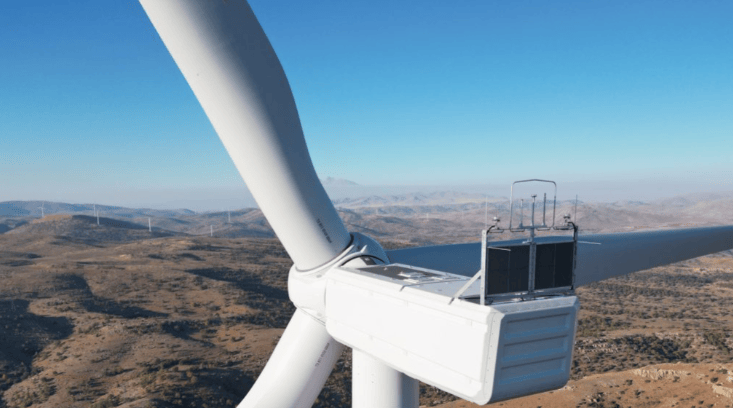
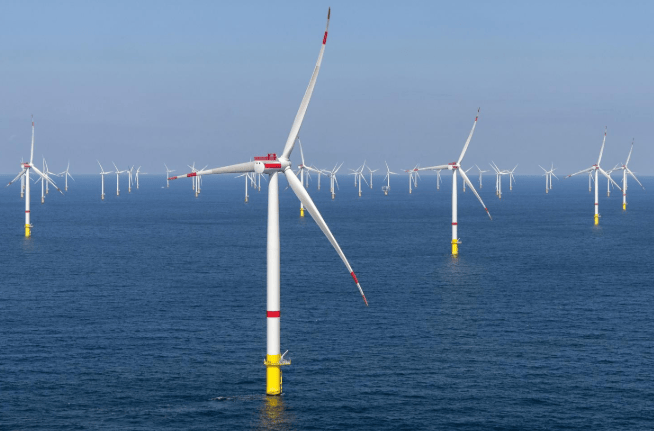
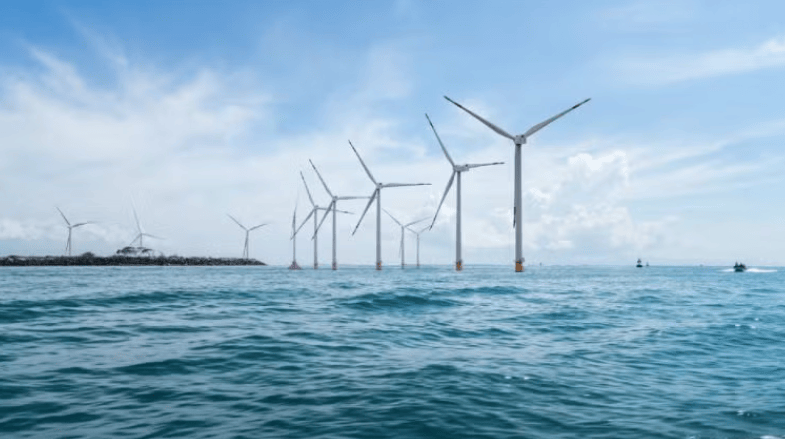
Future market leadership will depend on combining generator efficiency with material resilience. Manufacturers that reduce material intensity, diversify supply, verify quality, and prepare for recycling will be better positioned for long-term offshore wind growth.
This article is compiled by Wedoany. All AI citations must indicate the source as "Wedoany". If there is any infringement or other issues, please notify us promptly, and we will modify or delete it accordingly. Email: news@wedoany.com
Related Products

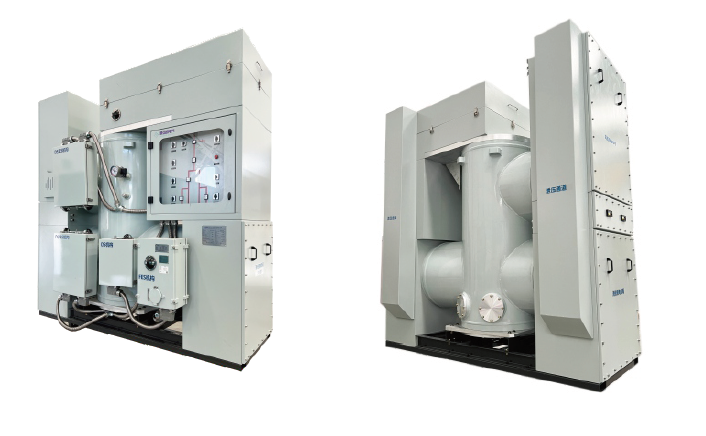
72.5kV 1250A 31.5kA SF6 free Gas-insulated Metal-enclosed Switchgear
Zhejiang Juhonkia Intelligent Electric Co., Ltd.
Perfluorinated Ionic Membrane-CM-10N Series Membrane
Guizhou Juneng Century Technology Co., Ltd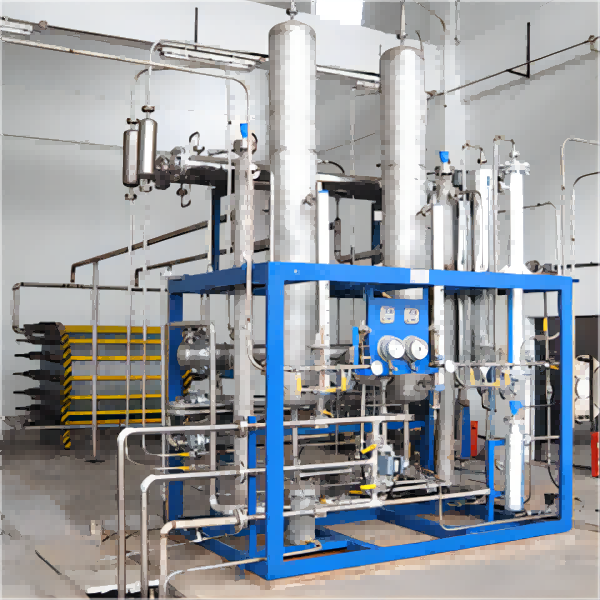
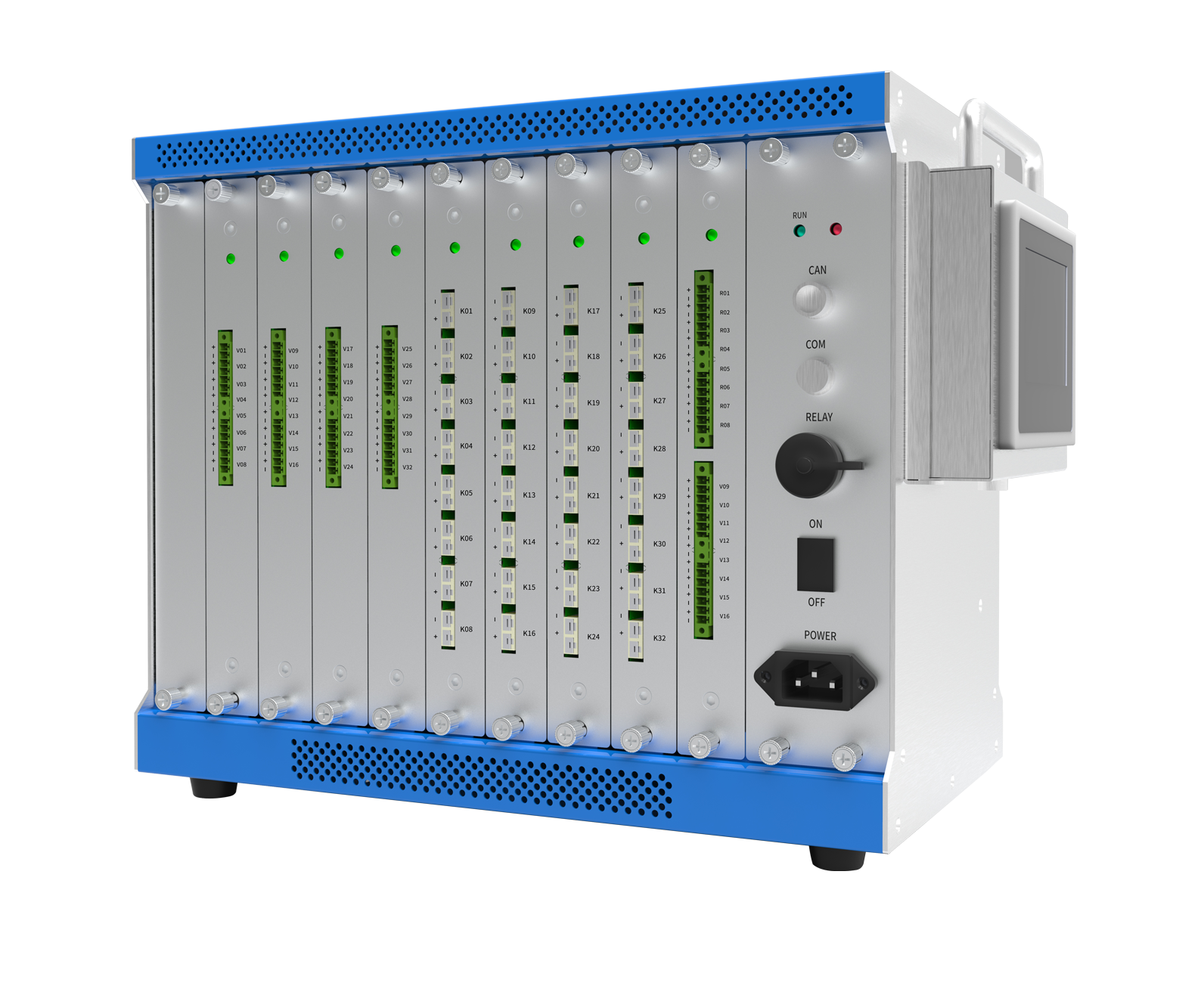
Optional Accessory - Auxiliary Sampling Module
Beijing Soaring Electric Technology Co., Ltd.