en.Wedoany.com Reported - Miguel Stilwell d'Andrade, CEO of Energias de Portugal (EDP), recently stated that EDP is the result of decades of difficult and often counterintuitive decisions, a success story forged by courage, resilience, and technical excellence, with the group continuously pursuing the ambition to "do more." Approximately 48,000 people have worked for the company. Internationalization began in the late 1990s with entry into the Brazilian market, followed by entry into Spain in 2001 through the acquisition of Hidrocantábrico, the fourth-largest electricity company in Spain. It was also during this period that an initially undervalued asset later became the origin of the wind power business. The third major leap occurred in 2007 with entry into the U.S. market, a transaction considered costly and burdensome on the balance sheet at the time, but which later proved strategically significant.
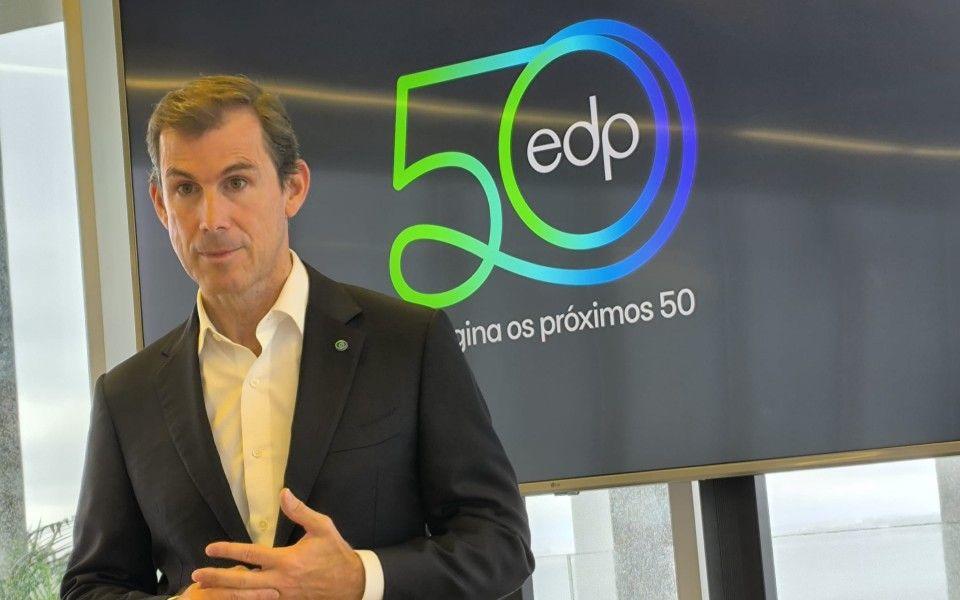
Stilwell emphasized that the 2007 Initial Public Offering (IPO) enabled EDP to weather the subprime crisis and the subsequent "Troika" period. Since then, the company's profile has profoundly changed, transforming from an entity focused on thermal and hydroelectric power into a company integrating natural gas, solar energy, and storage batteries. The CEO called this transformation crucial to avoid "being stuck in one's past self." Currently, over 90% of electricity generation comes from renewable sources, and approximately 80% of equipment is not manufactured in China. Over the past four years, the group has raised 4.5 billion euros in capital and significantly strengthened its balance sheet, which had been under immense pressure during the "Troika" period. He stated, "Today we have a solid balance sheet." At the same time, he criticized "excess profits," special taxes, and an "extremely heavy tax burden." Stilwell pointed out that energy is at the core of global economic transformation, and the energy transition generates positive externalities by enhancing economic independence and efficiency. He added that Portugal is currently the country with the fastest-growing electricity demand, partly driven by data centers, an impact that will intensify over the next five years.
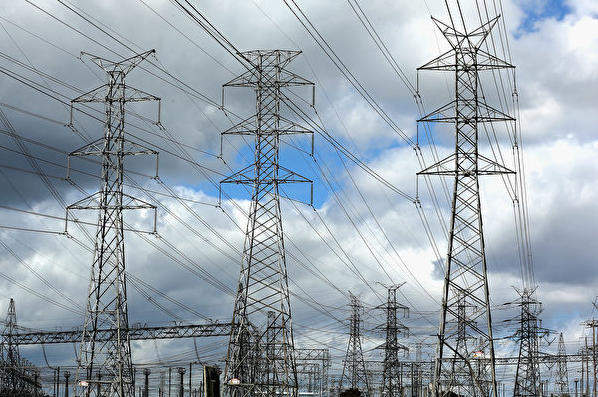
Demand growth brings challenges. EDP plans to invest around 3 billion euros in power grids by 2030, increasing annual investment to 600 million euros. However, the CEO warned of the risk of supply-demand imbalance: "Demand continues to grow, while generation growth has been relatively low. Licensing issues must be addressed." He stated that if not addressed in a timely manner, there is a risk of disruption. "I have absolutely no idea what 2076 will look like, but I know we will need energy. We will use solar, hydro, and wind power—we need better grids. The safest way is through cables. Lasers won't work." Regarding the recent major blackout on the Iberian Peninsula, he made his position clear: "Unprecedented in Portugal. It is unimaginable for the entire peninsula to be without energy." He warned that serious problems could arise if restoration is not timely, including for hospitals. To this end, EDP will enhance the power system's blackstart capability, increasing the number of plants with "blackstart" capability to four—infrastructure capable of restarting power generation independently of the grid. On the expansion of data centers, the CEO considers the investment positive but stated that "energy costs cannot be socialized," requiring an assessment of the added value to the economy and "ensuring decisions are made in a structured manner, which must be considered in advance."
Internationally, EDP focuses on solar energy and storage batteries in the U.S., adopts a cautious strategy for onshore wind due to the regulatory environment, and faces resistance in offshore wind despite winning auctions. The CEO emphasized the group's ability to operate in complex environments: "We have developed in the U.S. with Chinese shareholders, which fully demonstrates our capabilities." The group has also successfully expanded in markets such as Australia and the UK. Regarding China, he acknowledged tensions but stressed the company's ability to cope. On the potential establishment of a sovereign wealth fund in Portugal, he declined to comment directly, merely reminding that "this is a free market" and "everyone is welcome." The future strategy is to strengthen investments in the most profitable regions, focusing on the grid sector in Portugal and Spain. In generation, EDP rules out coal and has little interest in nuclear power. The CEO stated: "I am not opposed, but it is an expensive technology requiring state guarantees." He believes the feasibility of licensing a nuclear power plant in Portugal is questionable. Therefore, the focus remains on wind, solar, and storage batteries, supplemented by natural gas. If tenders are held, hydropower may proceed, but obstacles exist such as "licensing is time-consuming and highly uncertain. These investments are heavier and less competitive."
This article is compiled by Wedoany. All AI citations must indicate the source as "Wedoany". If there is any infringement or other issues, please notify us promptly, and we will modify or delete it accordingly. Email: news@wedoany.com