UAE, Bahrain, and Qatar Sign Pax Silica Joint Declaration on Artificial Intelligence in the United States
en.Wedoany.com Reported - Recently, the United Arab Emirates, Bahrain, and Qatar signed the "Joint Declaration on AI Opportunities" at the second Pax Silica Summit held in Washington, D.C., USA. The summit, led by the United States, focuses on cooperation in areas such as artificial intelligence supply chains, security infrastructure, semiconductors, computing power, energy, and advanced materials.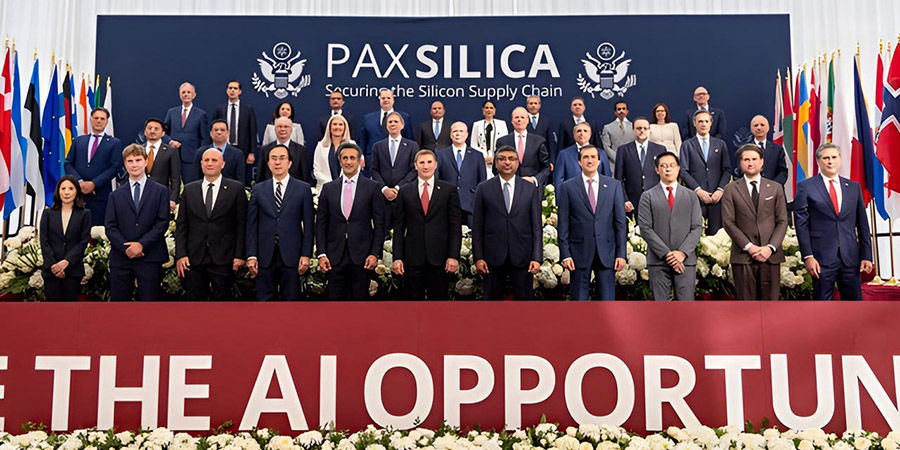
The focus of Pax Silica extends beyond AI governance declarations, aiming to integrate key resources required by the AI industry into a unified international cooperation framework. Behind large models, AI data centers, and intelligent applications lie the need for high-performance chips, advanced packaging, data center power, cooling systems, cloud infrastructure, cross-border connectivity, critical minerals, and trusted supply chains. The simultaneous participation of the UAE, Bahrain, and Qatar in the joint declaration indicates that Gulf states are elevating AI from a standalone digital economy project to a national-level industrial infrastructure cooperation agenda. These three countries possess foundations in energy, capital, data center construction, regional connectivity, and foreign investment. By joining Pax Silica, they can enhance coordination with the United States and other signatories in AI computing power, semiconductor supply chains, energy infrastructure, and technology investment.
Qatar was represented at the summit by Ahmed bin Mohammed Al Sayed, Minister of State for Commerce and Industry, who signed the relevant declaration. Shaikh Abdullah bin Rashid Al Khalifa, Bahrain's Ambassador to the United States, also participated in the signing.
The joint declaration focuses on supporting innovative AI regulation, promoting participation by enterprises and developers, advancing cross-border research and development cooperation, and strengthening AI supply chain security. For Gulf states, such cooperation is directly linked to AI data centers, cloud services, sovereign computing power, digital government, fintech, and industrial digitalization. For AI systems to be widely deployed in government, energy, finance, telecommunications, manufacturing, and transportation sectors, reliance on model interfaces alone is insufficient; controllable data infrastructure, stable chip supply, adequate electricity, and secure networks are essential. By including semiconductors, computing power, energy, and critical materials within its scope of cooperation, Pax Silica reflects that AI competition has expanded from the model layer to the infrastructure layer.
The UAE delegation was led by Saeed Al Hajeri, Minister of State, and included Omran Sharaf, Assistant Minister of Foreign Affairs for Advanced Science and Technology Affairs, as well as representatives from institutions and companies such as TDRA, G42, Core42, and MGX. During the summit, Qatar also discussed cooperation opportunities in artificial intelligence, advanced technology, the digital economy, and supply chains with officials and corporate representatives from multiple countries.
The participation of Gulf states in Pax Silica will also influence the pace of regional AI infrastructure development. The UAE has already moved quickly in AI investment, data centers, and the tech enterprise ecosystem; Qatar is strengthening cooperation in advanced technology and supply chain security; and Bahrain is expanding its engagement in AI opportunity partnerships through the joint declaration. If the three countries continue to advance projects centered on computing hubs, cloud services, semiconductor cooperation, and energy security, the Gulf region is more likely to become an AI infrastructure hub connecting the US technology system, Asian manufacturing capabilities, and Middle Eastern energy capital.
This joint declaration further integrates the UAE, Bahrain, and Qatar into the US-led AI supply chain cooperation network. The key going forward lies not in the declaration itself, but in whether concrete projects can materialize in chips, data centers, energy, cloud platforms, and R&D collaboration.
Related Products
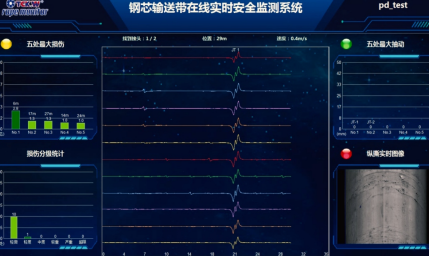

Conveyor Belt Intelligent Monitoring System
LUO YANG WIRE ROPE INSPECTION TECHNOLOGY CO., LTD.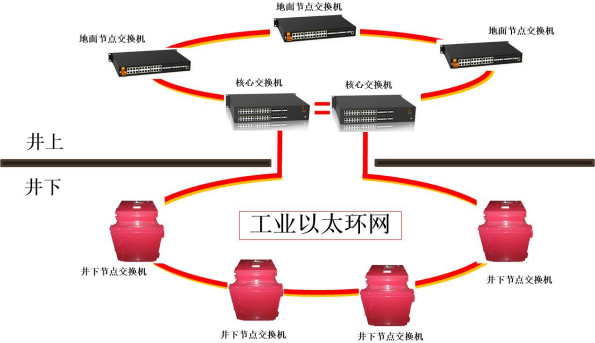
Mine Explosion-proof and Intrinsically Safe Industrial Ethernet Ring Network (10 Gigabit/Gigabit)
Chongqing Mas Sci&Tech Co., Ltd.
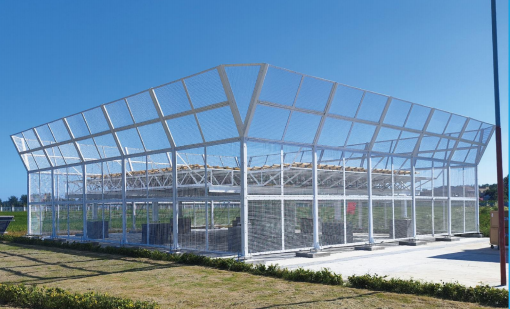
TWP16 P-Band Tropospheric Wind Profile Radar
China Huayun Meteorological Technology Group Co., Ltd.




Comprehensive Mining Automation Control System
Beijing Tianma Intelligent Control Technology Co., Ltd.
Multi-function Marine Monitoring Low-altitude Detection Radar Sea-air Boundary Ocean Dynamic Environment Measurement
Chengdu Dixin Technology Co., Ltd.
20 Inch 1600*900 Full HD 60Hz TFT LED Monitor with VGA and DP Interfaces for Desktop Computers-Business Use
Guangzhou Zanying Optoelectronics Technology Co., Ltd.