U.S. Environmental Protection Agency Releases Quarterly Progress on Tijuana River Sewage Treatment
en.Wedoany.com Reported - The U.S. Environmental Protection Agency (EPA) released its second quarter public update for 2026, reporting on the implementation progress of two agreements signed with Mexico. These agreements aim to permanently end the years-long cross-border sewage crisis in the Tijuana River, which has led to prolonged beach closures, water and air pollution issues in the San Diego region.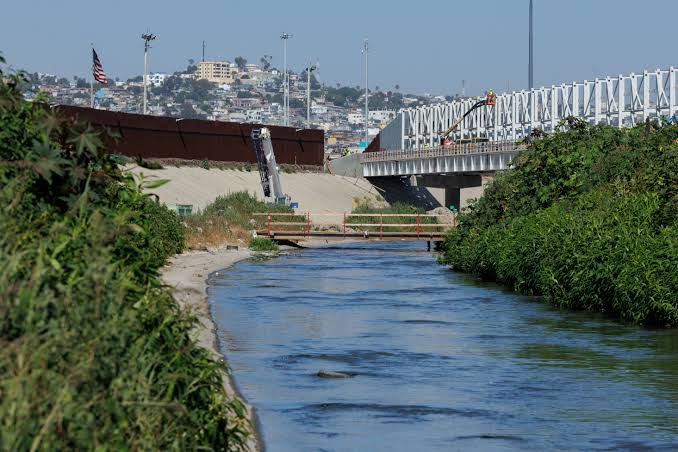
EPA Administrator Lee Zeldin stated that since his first visit to the border in April 2025, the agency has advanced solutions at "Trump speed." In July 2025, Zeldin and Mexico's Secretary of Environment and Natural Resources, Alicia Bárcena Ibarra, signed a Memorandum of Understanding (MOU) in Mexico City. In December of the same year, the two countries reached Minute 333, which stipulates a series of actions including additional projects, studies, and critical system operation and maintenance planning to address future population growth in Tijuana. Pursuant to Section 1(b) of the MOU, both parties are required to issue clear, coordinated public updates on a quarterly basis.
Since the last quarterly update in March 2026, the United States and Mexico have taken multiple actions to end the sewage crisis. The EPA released previously agreed-upon funding for the Border Water Infrastructure Program (BWIP), initiating construction of Pump Station 1 (PB-1) and the Tijuana River Gate Project. Mexico began construction of PB-1 on April 27, which will increase total pumping capacity to 80 million gallons per day (MGD), eliminating potentially catastrophic discharges, with completion expected in November 2027. Phase 1 of the Tijuana River Gate Project is expected to be completed by mid-July 2026, with Phase 2 in the procurement stage. The overall project is expected to be completed by the end of January 2027, eliminating at least 5 million gallons per day of sewage entering the Tijuana River. These two projects aim to enhance sewage reliability, prevent leaks, manage flow, reduce pollution, and lower flood risks.
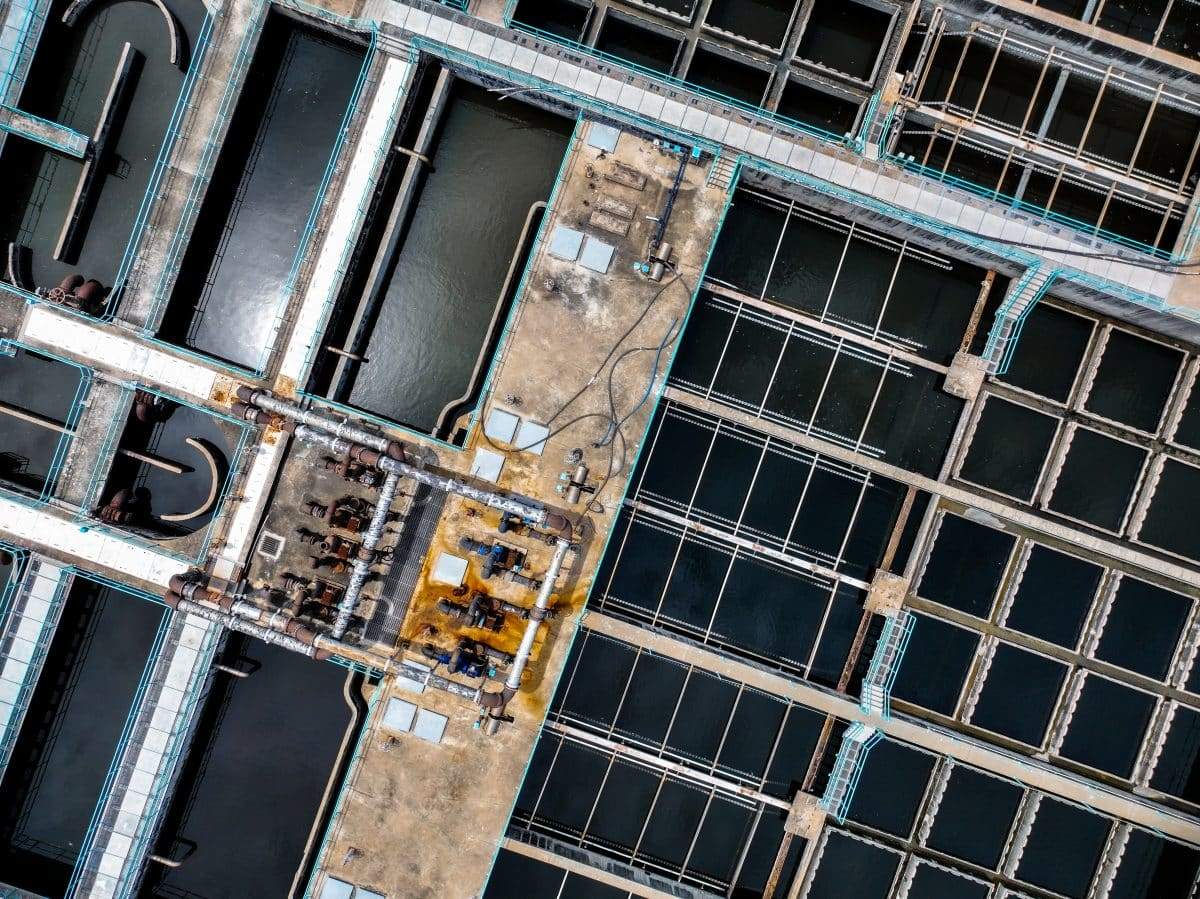
The U.S. International Boundary and Water Commission (USIBWC) reported continued progress on the expansion of the South Bay International Wastewater Treatment Plant (SBIWTP), which will increase treatment capacity to 50 million gallons per day (MGD). The USIBWC is advancing early work packages, including site preparation and long-lead equipment procurement, laying the foundation for a full expansion to 50 MGD. Repairs to the parallel gravity line are expected to be completed by August 2026 to prevent future ruptures and leaks. In May, two sections of the parallel gravity main collapsed within two weeks. Mexico completed the first emergency repair on May 14 and 16, respectively, with the second reported on May 31 and completed on June 4. During both incidents, the SBIWTP received excess flows, and the USIBWC deployed additional personnel and equipment to treat over 40 MGD of sewage, successfully preventing cross-border flows from reaching the San Diego region.
After exceeding its 2026 funding commitments, Mexico is advancing procurement and construction for critical sewage pipeline and pump station repairs. Specific projects include: the Insurgentes collector channel repair began construction on June 29; two pump stations (PB-Matadero and Laureles PB-2) are in the procurement stage; the Poniente interceptor channel repair, Oriente interceptor channel repair, and Carranza collector channel repair are all under construction, with completion expected in December 2026.
Since Minute 333 took effect in December 2025, the two countries have made progress on infrastructure projects, studies, and critical site system operation and maintenance planning. Mexico completed the grit chamber at Matadero Canyon in May 2026, meeting its pre-rainy season construction target. The bilateral Operations and Maintenance Working Group continues to develop long-term maintenance strategies for critical infrastructure. The Minute 333 Working Group reviewed existing engineering and financial feasibility studies for the marine outfall of the San Antonio de los Buenos Wastewater Treatment Plant and developed a scope of work for a comprehensive quality balance flow analysis of the Tijuana water system. The Working Group also advanced a scope of work for a transparent, real-time bilateral monitoring system to track Tijuana River flow inputs and outputs, enhancing accountability between the two countries.
Related Products
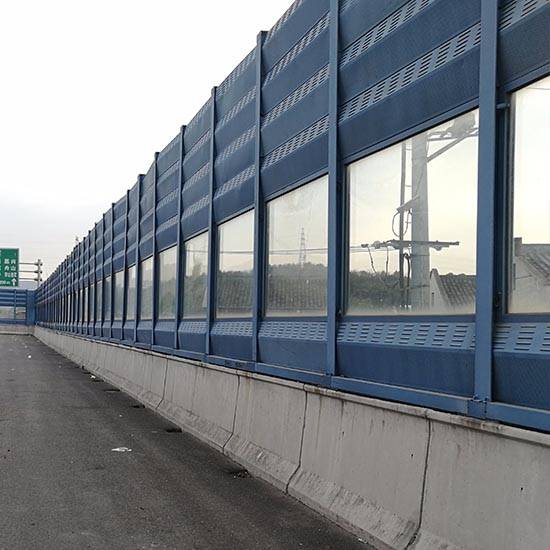

Metal sound barriers that can reduce the transmission of road noise
Hebei Jinbiao Construction Materials Tech Corp., Ltd.


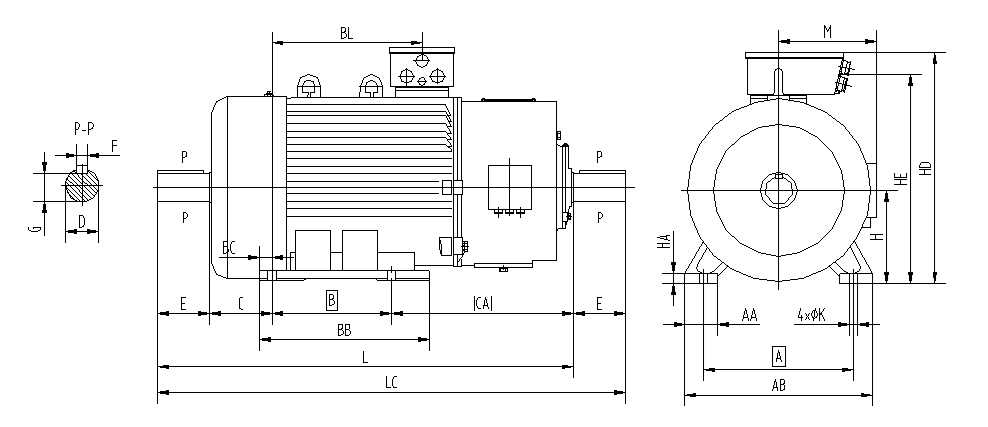
YZR (450-560) Series Wound Rotor Three-Phase Asynchronous Motors for Crane and Metallurgical Applications
Jiamusi Electric Machine Co., Ltd.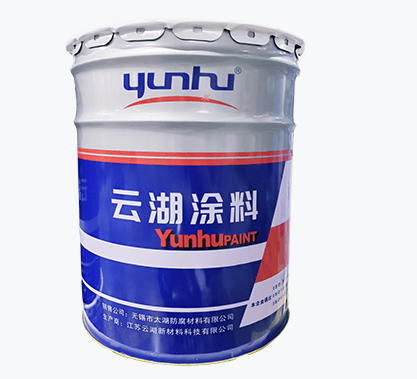
YHTank8400N Solvent-Free Liquid Epoxy Coating
JIANGSU YUNHU NEW MATERIAL TECHNOLOGY CO., LTD.
ERW Welded Pipe (Black Pipe and Hot-dip Galvanized Steel Pipe)
Handan Zhengda Steel Pipe Co., Ltd.
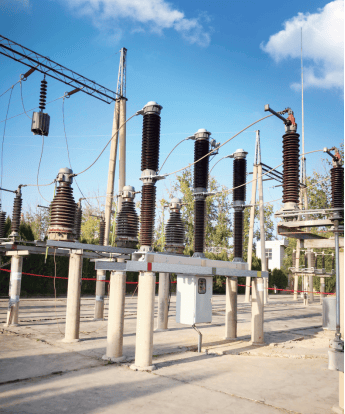
145kV Porcelain Column Type Sulfur Hexafluoride Circuit Breaker
TBEA ZONFA Shanghai High Voltage Switchgear Co., Ltd.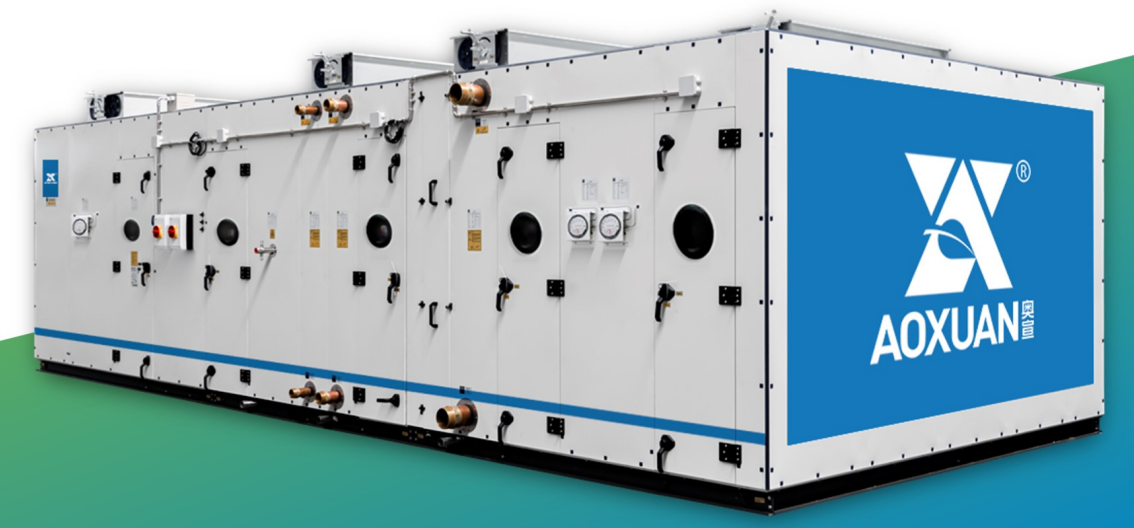
Aoxuan Intelligent Precision Air Conditioning Unit
SHANGHAI AOXUAN PURIFICATION TECHNOLOGY CO., LTD.
West China Xiamen Hospital of Sichuan University
Wuhan Huakang Century Clean Technology Co., Ltd.