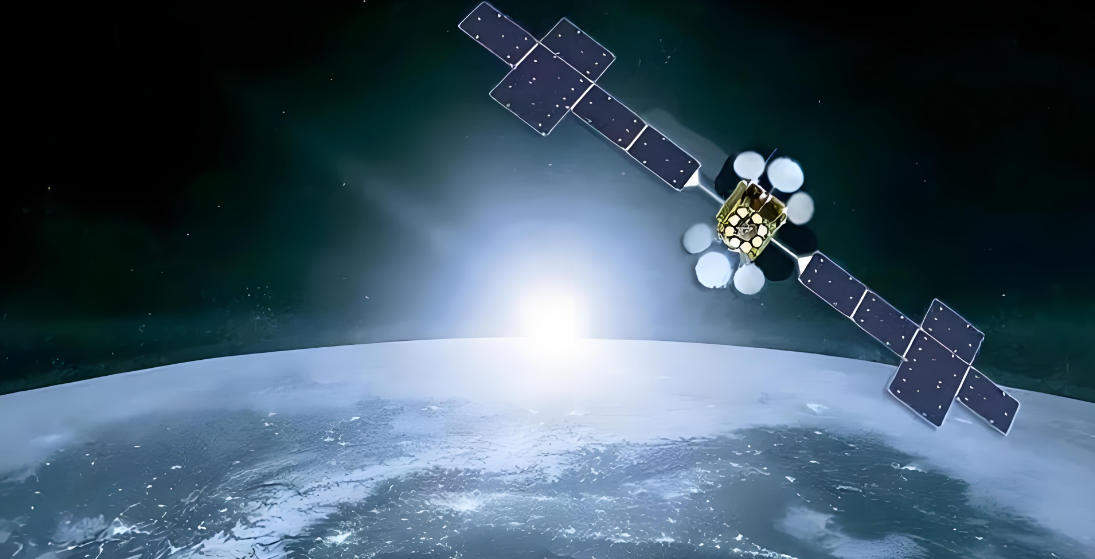
en.Wedoany.com Reported - June 30 (Reuters) - The Japanese government will provide up to 148 billion yen (approximately $912 million) in subsidies to Rakuten Group for the construction of a low Earth orbit (LEO) satellite communication network. Led by Rakuten, the project plans to collaborate with U.S.-based AST SpaceMobile to build infrastructure for direct-to-cell satellite communication services.
This subsidy is primarily directed at satellite communication network construction, rather than expanding conventional mobile base stations. LEO satellite communication allows devices such as smartphones to maintain connectivity beyond the coverage of terrestrial base stations, making it particularly suitable for islands, mountainous areas, maritime routes, disaster sites, and remote regions. The project encompasses multiple aspects, including satellite launches, constellation operations, ground stations, network control systems, terminal access, frequency coordination, and operational management. If Rakuten establishes a joint venture structure with AST SpaceMobile, it will combine mobile operator user systems, terrestrial network resources, and direct-to-cell satellite technology to lay the network foundation for subsequent commercial services.
Japan currently relies on external services such as Starlink for LEO satellite communication. This subsidy carries implications for communication resilience and economic security.
Direct-to-cell satellite communication differs from traditional satellite broadband. Traditional satellite internet typically requires dedicated terminals or receiving equipment, whereas the direct-to-cell model aims to enable ordinary smartphones to access satellite networks even without terrestrial base station signals. Technical challenges focus on link budgets between LEO satellites and smartphones, antenna design, spectrum usage, handover control, latency management, and network authentication. AST SpaceMobile's technical approach revolves around "direct satellite connection to ordinary smartphones," and Rakuten has previously advanced related collaborations with the company. If the project materializes, Japan's mobile communication network will gain an additional layer of space-based coverage, providing a supplementary channel for emergency communications, rescue coordination, and public information contact during disasters such as earthquakes, typhoons, and tsunamis that disrupt base stations.
The subsidy, approaching $1 billion, indicates that the project has entered the infrastructure-level investment phase. The funds will be used to support satellite network construction, equipment procurement, ground facility deployment, and the development of system operational capabilities.
For Rakuten, satellite network construction is also tied to its mobile communication business. Rakuten Mobile is still in an expansion phase in Japan's telecommunications market. By integrating terrestrial mobile networks with direct-to-cell satellite capabilities, it can create new technical selling points in areas such as coverage differentiation, disaster communications, remote area services, and enterprise customer scenarios. For industrial and public service applications, direct-to-cell satellite networks can serve maritime operations, mountain construction, energy facility inspections, transportation route maintenance, uninhabited area monitoring, and emergency support, particularly in regions where terrestrial communication construction costs are high and maintenance is challenging.
This subsidy pushes Japan's LEO satellite communication construction into a more defined execution phase. Key factors moving forward include the collaboration structure between Rakuten and AST SpaceMobile, satellite deployment progress, ground network system construction, smartphone terminal compatibility, and the commercial service timeline.