How MBR and Anaerobic Treatment Expand Biological-System Applications
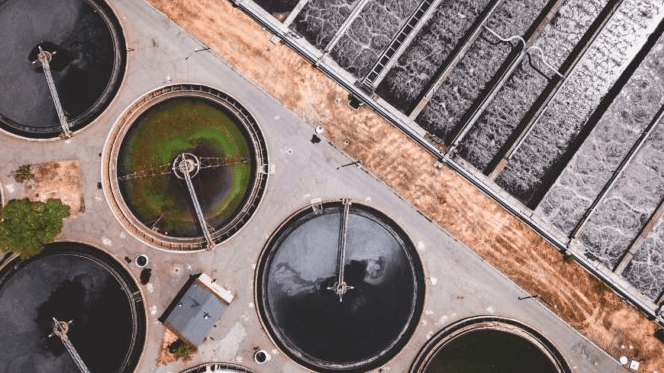
en.Wedoany.com Reported - Conventional activated-sludge systems rely on secondary clarifiers for solids separation, while membrane bioreactors use microfiltration or ultrafiltration membranes to retain sludge and suspended solids. Anaerobic treatment decomposes high-strength organic matter without oxygen and can produce biogas.
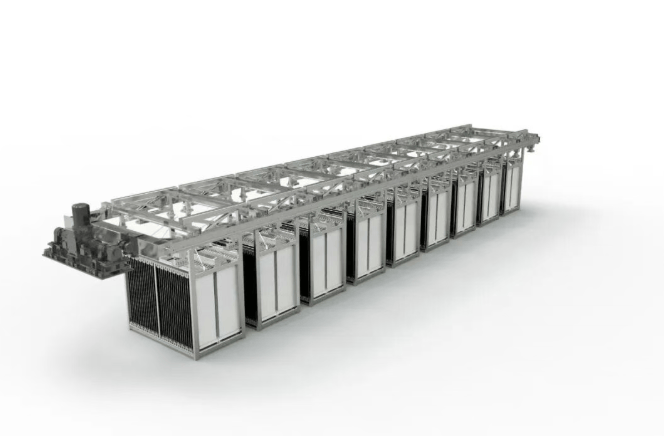
An MBR combines a biological reactor with membrane separation, allowing high sludge concentrations within a relatively small footprint and producing effluent with low suspended solids. The treated water can undergo further disinfection, advanced treatment, or reuse processing.
Membrane fouling is a major challenge for this type of Biochemical Treatment System. Sludge, colloids, organic matter, and microbial products accumulate on membrane surfaces and inside pores, increasing transmembrane pressure and reducing water production.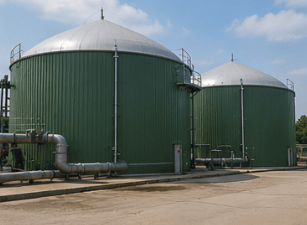
Aeration supplies oxygen to microorganisms and also scours the membrane surface. Insufficient aeration may accelerate fouling, while excessive aeration increases energy consumption and may change sludge-floc structure.
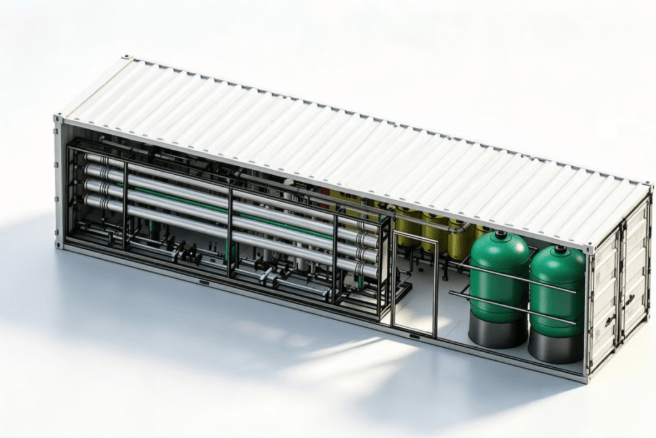
Anaerobic treatment is suitable for selected high-strength organic wastewater and sludge stabilization. Microorganisms convert organic matter into methane and carbon dioxide without oxygen, reducing the organic load and producing usable biogas.
Anaerobic microorganisms are sensitive to temperature, pH, toxic substances, and load changes. Startup is normally relatively long, and a sudden increase in organic loading may cause volatile-fatty-acid accumulation and process acidification.
Anaerobic effluent normally still contains organic matter, ammonia, and suspended solids and must be combined with aerobic treatment, biological nitrogen removal, membrane separation, or other downstream processes to meet discharge or reuse requirements.
MBR and anaerobic systems address high-quality solids separation and high-strength organic treatment respectively. Their selection or combination should reflect influent concentration, footprint, energy, sludge, effluent use, and operating capability rather than equipment sophistication alone.
This article is compiled by Wedoany. All AI citations must indicate the source as "Wedoany". If there is any infringement or other issues, please notify us promptly, and we will modify or delete it accordingly. Email: news@wedoany.com
Related Products
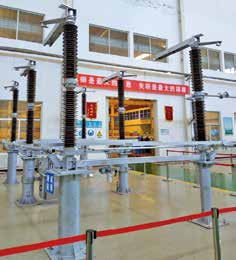

GW4-40.5/72.5/126/145/170/252/363/420 Series Double-column Horizontal Rotary High-voltage AC Disconnect Switch
SHANDONG TAIKAI DISCONNECTORS CO., LTD.
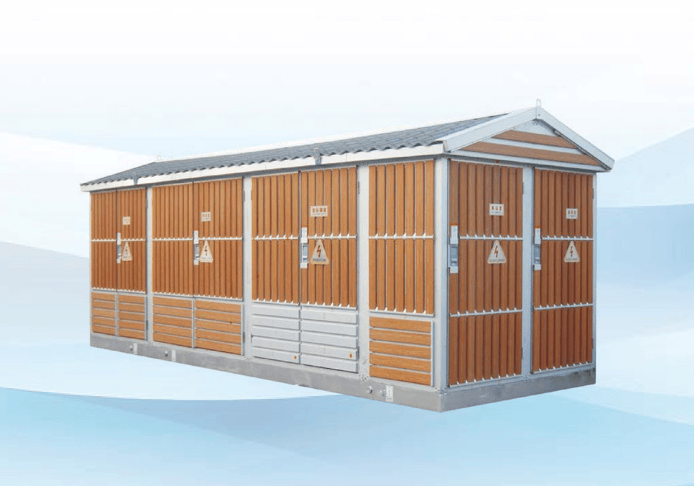
YB □ -12/0.4/1250 Outdoor Prefabricated Substation (European Style)
Shangrao Shangyu Intelligent Electric Co., Ltd.
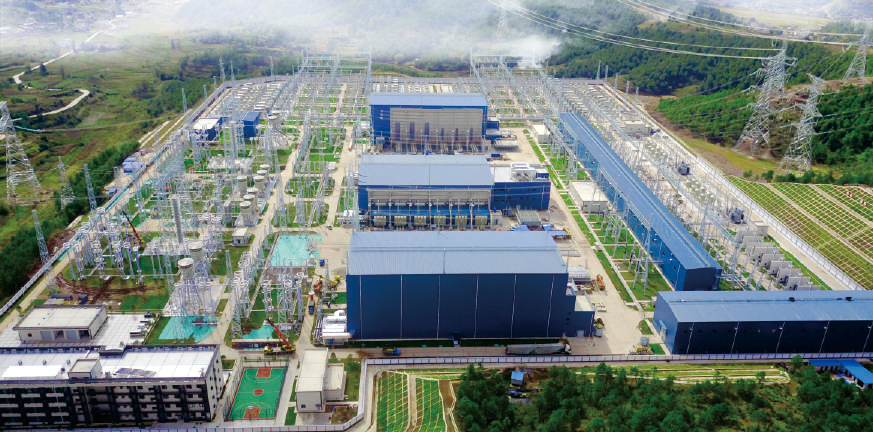
High-voltage Direct Current (HVDC) Transmission System Research and Integrated Design
XI'AN XD POWER SYSTEMS CO., LTD.
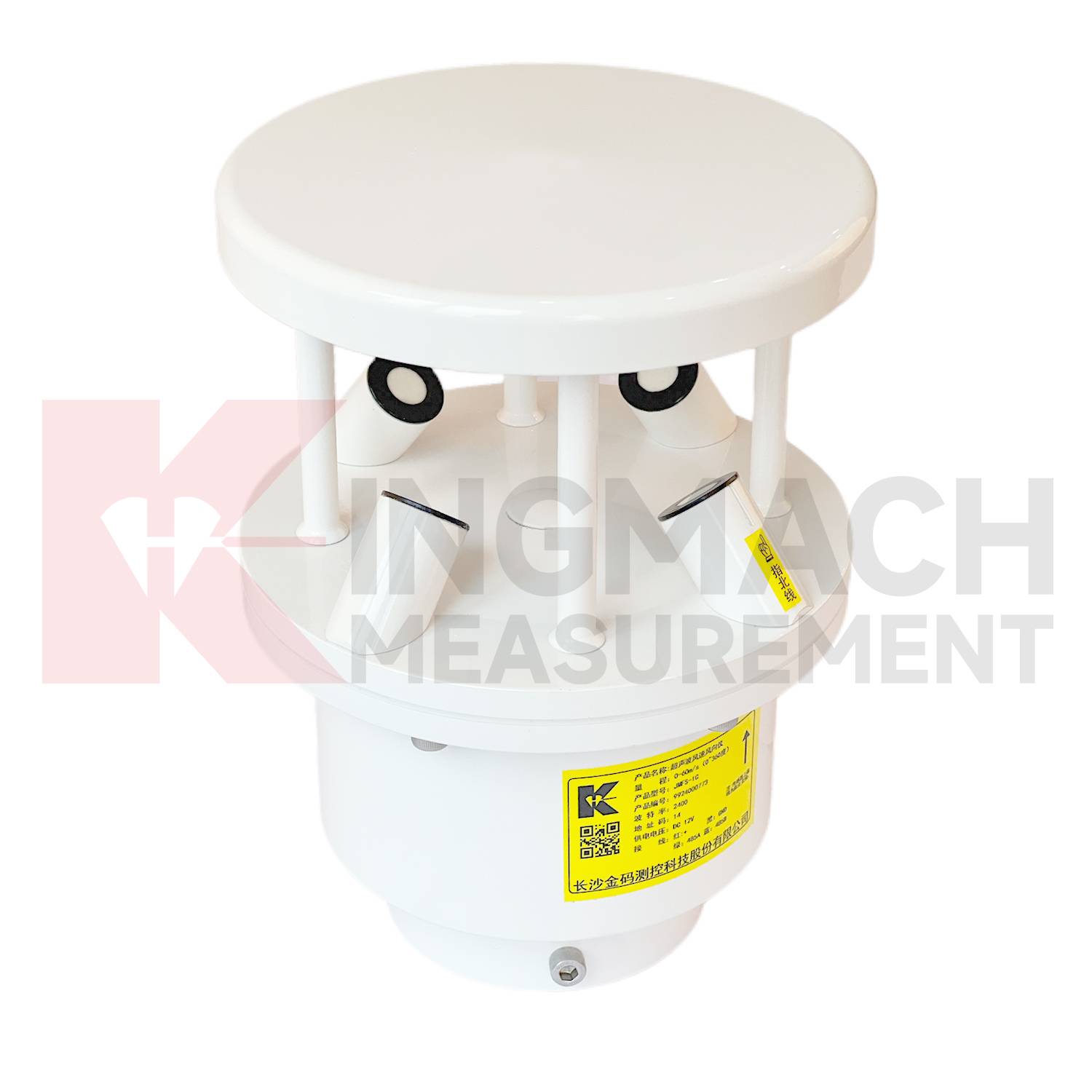
Ultrasonic Wind Speed and Direction Instrument
Kingmach Measurement & Monitoring Technology Co., Ltd.
0.66kV Power Supply Instrument Transformer
Guangdong Sihui Instrument Transformer Works Co., Ltd.
Mineral-insulated Compact Busway (Fire-resistant Busduct)
Zhuhai Guangle Electric Busway Co., Ltd.