University of Texas at Austin Develops Air-to-Water Jacket with Daily Output of 900 ml
en.Wedoany.com Reported - The University of Texas at Austin has developed a jacket that converts moisture from the air into drinking water, aiming to provide a personal portable water collection solution for individuals who are far from safe water sources for extended periods.
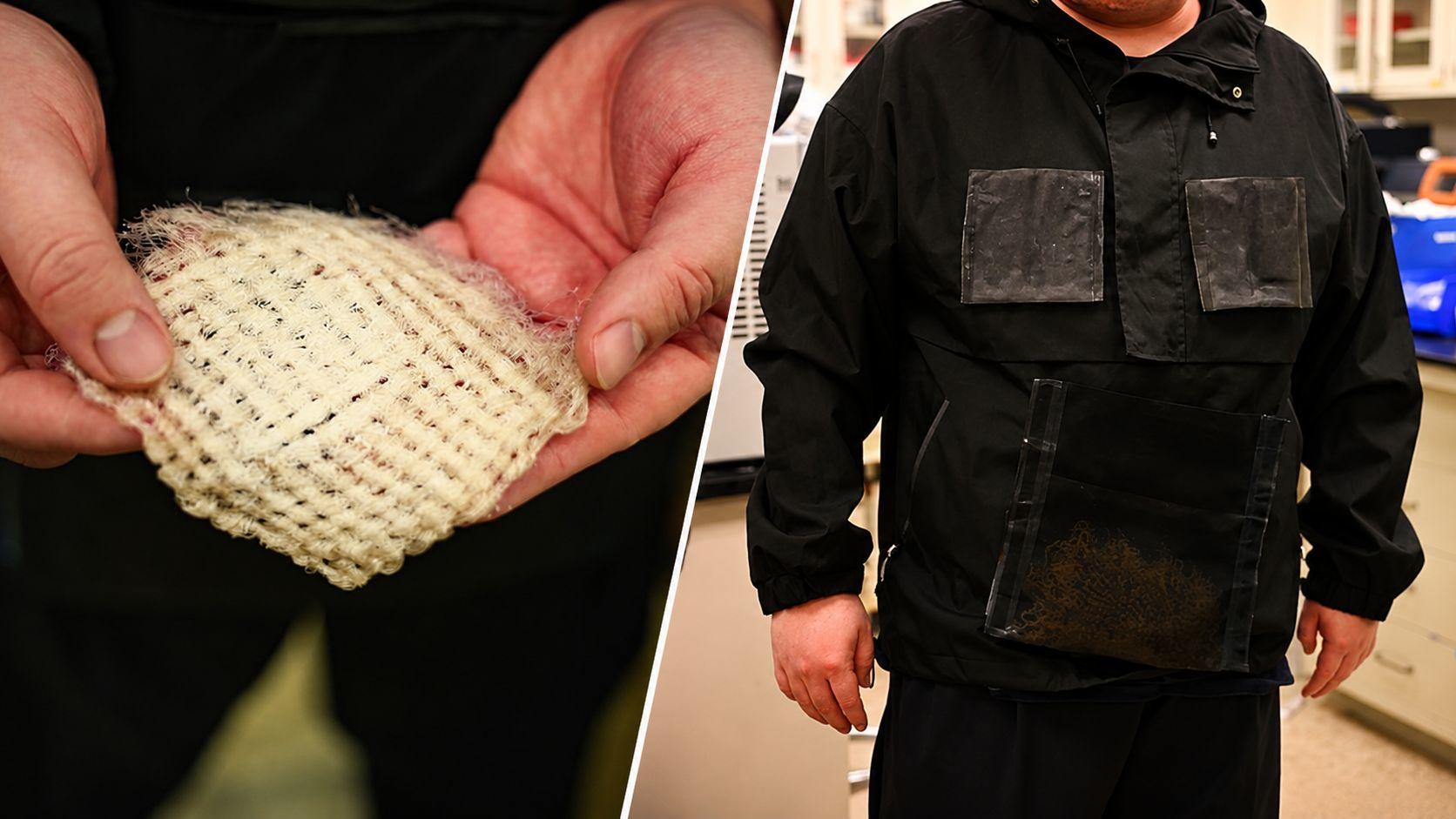
The core of the project lies in a special fabric that captures water vapor from the air and directs the moisture to detachable units, without relying on traditional large panels or fixed tanks. The jacket's structure is not a conventional water tank; the fabric retains ambient moisture, and the water is channeled into removable modules, which can then be placed into a collapsible collector. When the modules are heated, the water is released and can be collected. Tests show that, depending on humidity conditions, the jacket can produce 400 to 900 milliliters of drinking water per day.
The project targets uses such as hiking, camping, long-distance running, agricultural labor, rescue operations, and military activities. The research team improved the transmission path, optimizing the process of moisture moving from air vapor to the fiber surface liquid and then into the fabric's interior. Compared to existing water collection materials, the fabric's performance increased by three to ten times in large-scale tests. Guihua Yu stated that atmospheric water collection typically takes the form of boxes, panels, or large absorption beds, but this jacket changes the paradigm by transforming the fabric into an active part of the system.
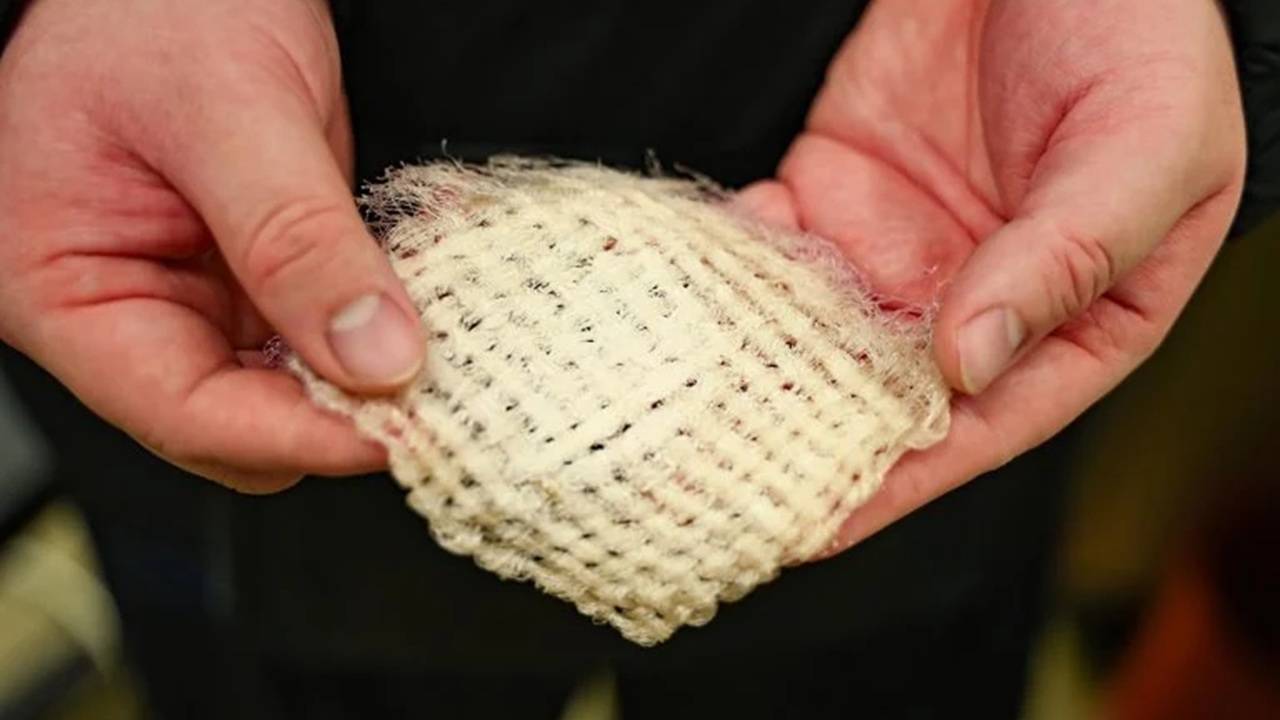
The same team also developed an independent solar-heated atmospheric water collection device and tested it in the Chihuahuan Desert (Deserto de Chihuahua) in New Mexico and in the more humid climate of Austin. During testing, the device collected 1.3 liters of clean water per day in arid and semi-humid environments, equivalent to 4.3 liters per kilogram of absorbing material per day—a performance surpassing results previously reported by other research teams. The system uses a hydrogel fabric made from biomass, which absorbs water vapor and releases water when heated by sunlight. Researchers believe it can be applied to backpacks, tents, emergency shelters, and outdoor gear, and plan to use it in disaster response, remote operations, and areas with limited water infrastructure, particularly in regions like North Africa, the Middle East, South Asia, and sub-Saharan Africa, where water collection potential coexists with water scarcity.
Related Products