Banco do Nordeste provides over 1 billion reais in family farming financing in Minas Gerais for the 2025/26 crop season
en.Wedoany.com Reported - Banco do Nordeste has provided over 1 billion reais in financing for family farming in its operational area in Minas Gerais during the 2025/2026 Agricultural Harvest Plan (Plano Safra) cycle, a 40% increase compared to the 717 million reais in credit from the previous cycle. During the same period, the number of credit contracts signed with family farmers in Minas Gerais rose to 65,800, up 25.5% from 52,400 in the 2024/2025 Agricultural Harvest Plan.
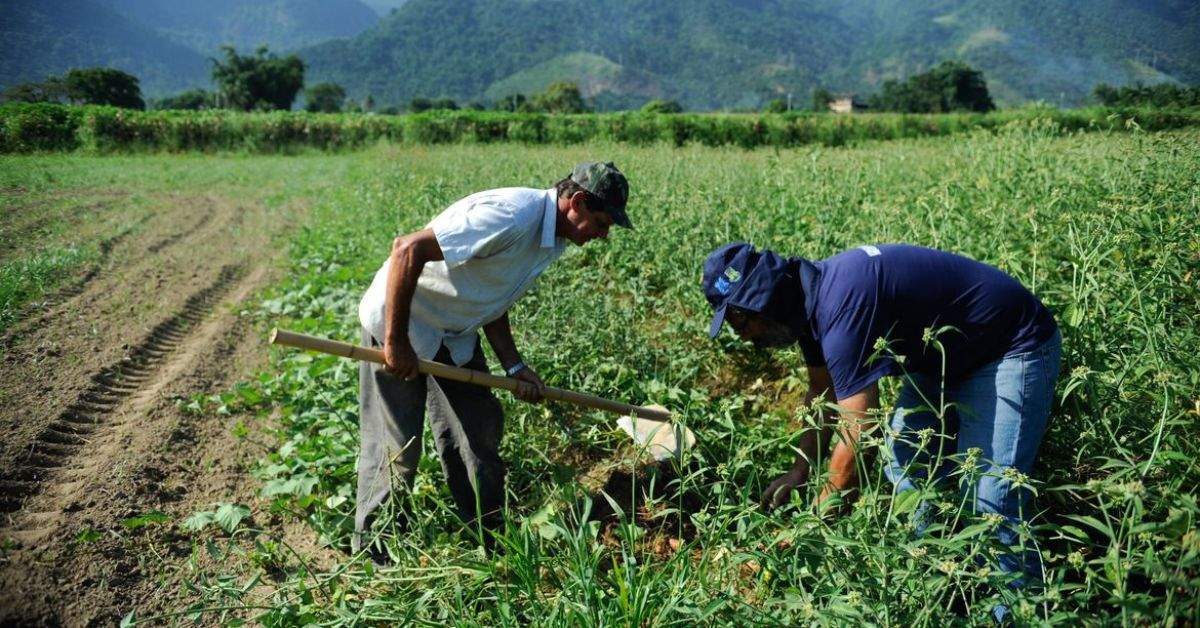
These funds serve producers in northern Minas Gerais, parts of the northwest of the state, and the Jequitinhonha Valley, Mucuri Valley, and Rio Doce Valley. Wesley Maciel, State Superintendent of Banco do Nordeste, stated that the expansion of financing reflects the strengthening of credit supply for family farming within the institution's operational area, with this group receiving both credit and guidance from the bank.
The rural microcredit program Agroamigo accounted for the majority of operations. In the 2025/2026 cycle, the program disbursed 939.6 million reais, 42.7% higher than the 658 million reais in the previous harvest season. According to Frederico Silveira, Agroamigo's manager in Minas Gerais, the growth is linked to the expansion of the service structure in the state, with service units increasing from 19 to 33.
When including financing for corporate agriculture, Banco do Nordeste ended the 2025/2026 Agricultural Harvest Plan in Minas Gerais with contracts totaling over 1.9 billion reais. These results were announced on Tuesday (30th), the same day the federal government launched the 2026/2027 Agricultural Harvest Plan (Plano Safra) for corporate agriculture. The new plan allocates 525.1 billion reais for medium and large producers, an increase of 9 billion reais over the previous cycle, with 384.9 billion reais allocated for production cost payments and sales, and 140.2 billion reais for investments in modernization, irrigation, technological innovation, storage, and machinery and equipment acquisition. Highlights of the new Agricultural Harvest Plan include reducing maximum interest rates on strategic credit lines, providing incentives for producers adopting sustainable practices, and measures aimed at expanding investments in renewable energy, storage, and on-farm risk management.
Related Products



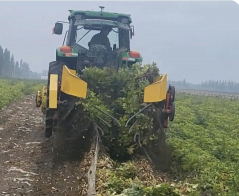
4HS-8 High-efficiency Peanut Inverted-laying Harvester
Hebei Yongfa Hongtian Agricultural Machinery Manufacturing Co., Ltd.


Industrial and Commercial Point-Type Gas Detector
Jinan Benan Technology Development Co., Ltd.

714CD Series C-Band Weather Radar
Chengdu Zhongdian Jinjiang Information Industry Co., Ltd.