Delta Air Lines abandoned its Narita hub in 2020, shifting transpacific connections to Seoul
en.Wedoany.com Reported - Among the hub network formed after Delta Air Lines' 2008 merger with Northwest Airlines, Tokyo Narita International Airport was the most exceptional case. Delta gradually scaled back operations at this hub and fully withdrew in 2020, with its functions partially replaced by nonstop routes from the U.S. mainland and partially by Korean Air's connecting network in Seoul.
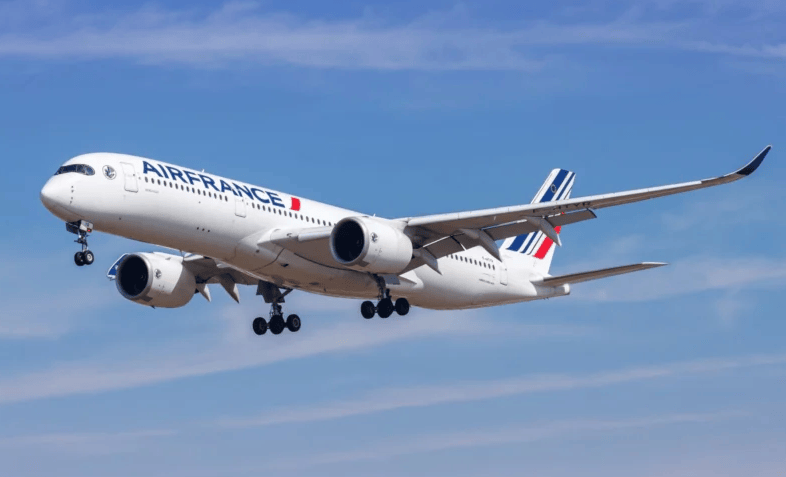
Before the merger, Delta was headquartered in Atlanta with hubs in Atlanta, New York, Cincinnati, Salt Lake City, and Los Angeles; Northwest brought Memphis, Detroit, Minneapolis, and Narita. Delta also often listed Amsterdam and Paris as hubs, but these were dominated by joint venture partners KLM and Air France. After the merger, Memphis lost its hub status due to its proximity to Atlanta and the city's economic decline, Cincinnati was eventually replaced by Detroit, and Delta subsequently established hubs in Boston and Seattle. This former "super legacy carrier" thus formed a hub system spanning the United States, with the merged new Delta operating over 1,000 mainline aircraft.
Delta's adjustments to its other hubs focused on growth and eliminating redundancy, but Narita was a different story. Northwest served 19 cities from Narita at the time of the merger, and Delta gradually cut this network throughout the 2010s until a complete exit. U.S. routes before the Narita withdrawal were largely replaced by flights to Tokyo Haneda Airport, but Delta also suspended service to multiple Asia-Pacific destinations, including Beijing, Guangzhou, Busan, Guam, Palau, Manila (scheduled to resume from Los Angeles in 2027), Saipan, Singapore, and Bangkok—most of which still have no Delta service as of 2026.
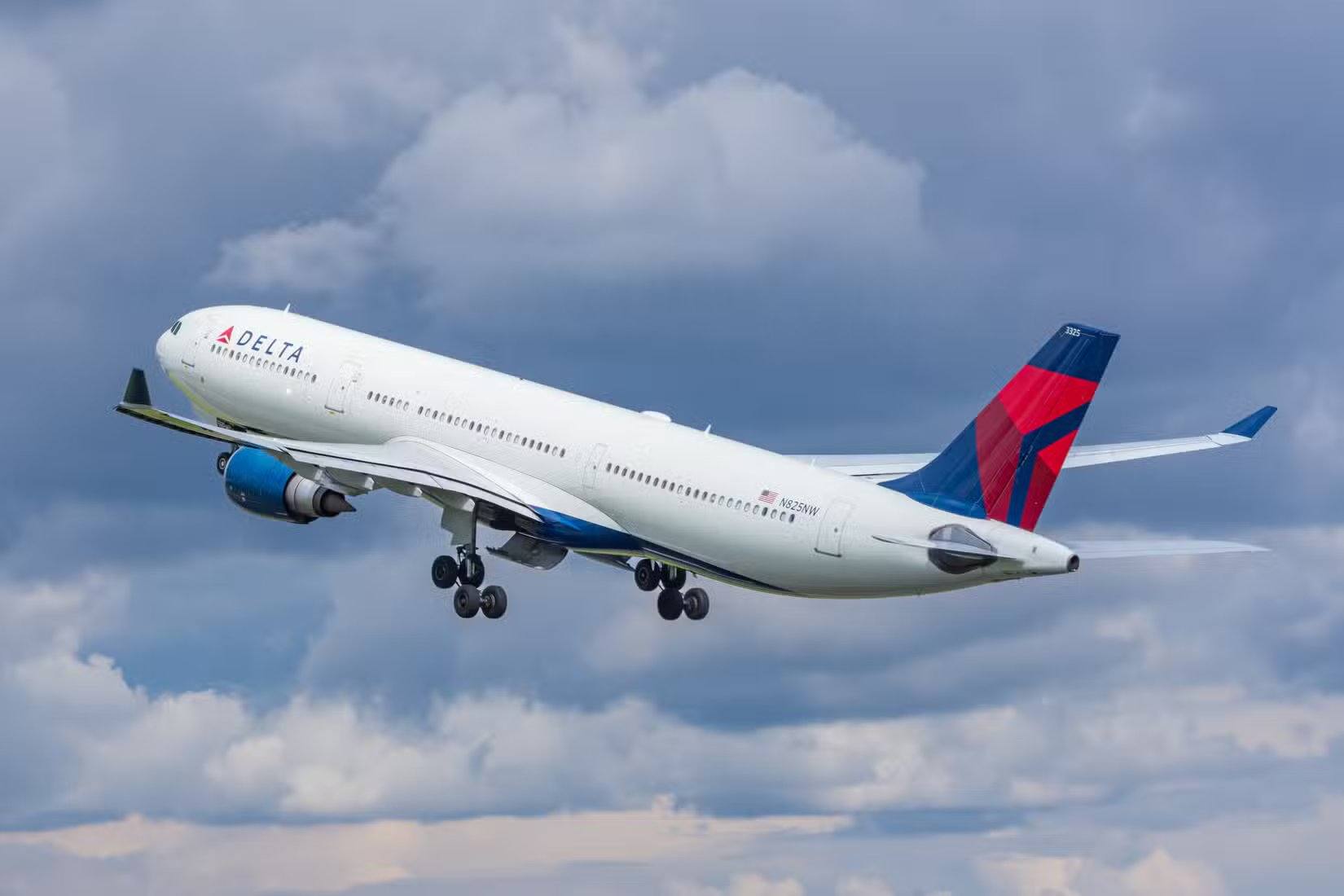
The Narita hub made sense in the 20th century. At the time, the longest-range Boeing 747-200 could not reliably fly routes longer than New York–Tokyo, so Northwest routed all its U.S. flights through Narita, where passengers connected to other Asian destinations. After the Boeing 747-400, 777, and later the Airbus A350 and 787 entered service, flights from the U.S. could reach most Asian cities nonstop. While this helped fill Narita's intra-Asia flights, the connecting traffic volume from U.S. mainland hubs was far larger than Narita's, diminishing the significance of stopping there.
In 2012, Delta selected Seattle as its primary transpacific hub, launching the Beijing route previously planned by Northwest, and later adding Osaka, Shanghai, Haneda, Seoul, Hong Kong, and most recently Taipei. Not all of these routes have survived to the present. Delta's use of smaller widebody aircraft on nonstop Seattle–Asia routes proved more profitable, while it expanded its domestic and European networks from this new hub—Seattle's domestic network quickly surpassed the scale of Narita's former connections. In recent years, Delta has faced intense competition in Seattle from Alaska Airlines and foreign carriers, prompting plans to expand its transpacific network from Los Angeles. Los Angeles already has a strong local market for Asia travel but also faces fierce competition; Delta has resumed Hong Kong service from Los Angeles, Manila is scheduled for 2027, and there are rumors of Singapore service returning.
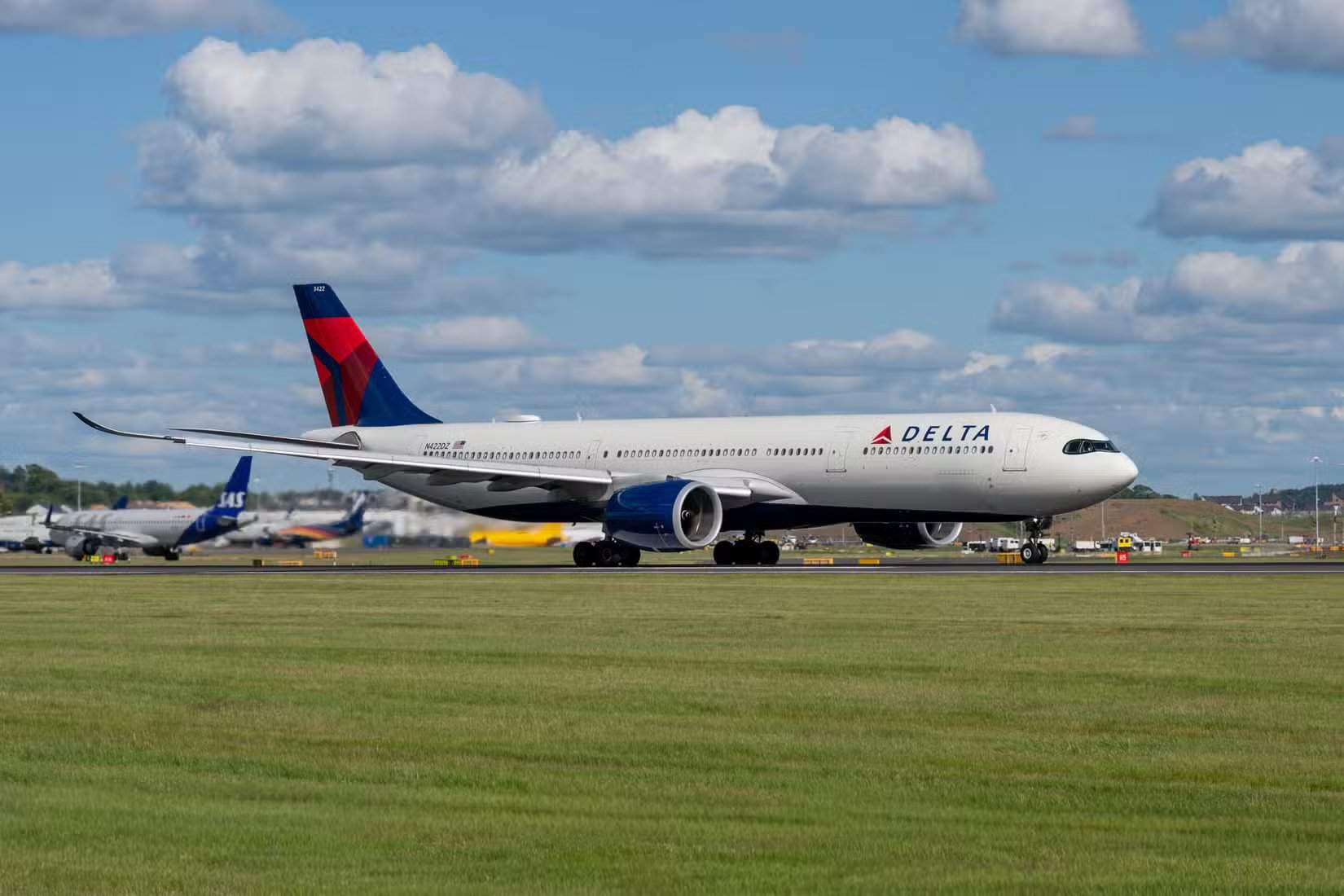
Although the intra-Asia operations from Narita were replaced by U.S. nonstop flights, Delta's own aircraft still ceased serving numerous Asian cities. The actual successor to the Narita hub was Seoul: in 2018, Delta's "metal-neutral" joint venture with Korean Air took effect. Korean Air is a SkyTeam member, and under the joint venture framework, the two airlines coordinate schedules, pricing, and codesharing while sharing revenue, operating transpacific services essentially as one airline. Delta can still sell tickets via Seoul to destinations such as Singapore and Bangkok, with one segment operated by Korean Air. For Delta, it makes little difference whether the second segment is flown by Delta or Korean Air aircraft, and codesharing with partners costs less—so in recent years, Delta has shown little appetite for operating new long-haul and ultra-long-haul routes itself when a partner can conveniently serve the destination.
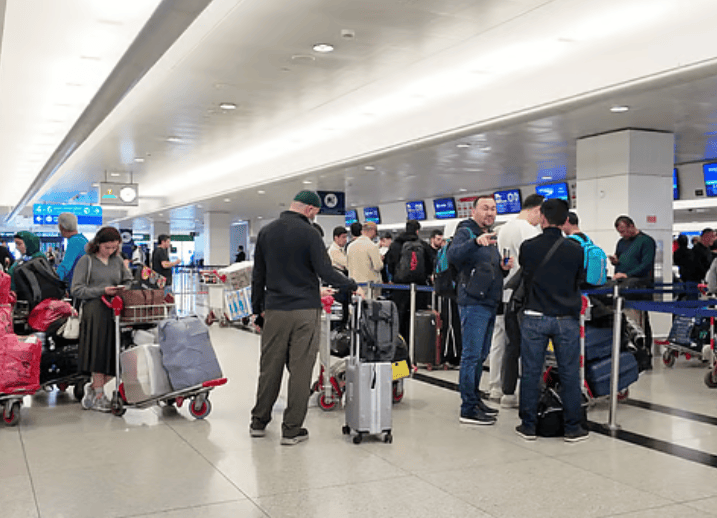
The joint venture agreement formally made Narita redundant in Delta's network, downgrading it to an ordinary spoke airport. But Delta still needed to choose the right airport for nonstop service to Tokyo. When Narita opened in 1978, the Japanese government moved all international flights from the older Haneda, and only from 2010 did it allow foreign carriers to resume limited service at Haneda. Haneda is closer to the city center and more popular than Narita, but subject to slot restrictions—Delta had to wait for the Japanese government to release slots and gradually build up its Haneda operations, while competitors American Airlines and United Airlines continued serving both airports. Delta's Tokyo network is smaller than its competitors', and lacking a major Japanese partner, Tokyo holds less strategic value for Delta than for American and United. Delta recently announced it would return to Narita in 2027 with a daily Seattle–Narita flight—an arrangement likely driven by slot constraints at Haneda; if Haneda slots were available, Delta would prefer to add more Haneda flights.
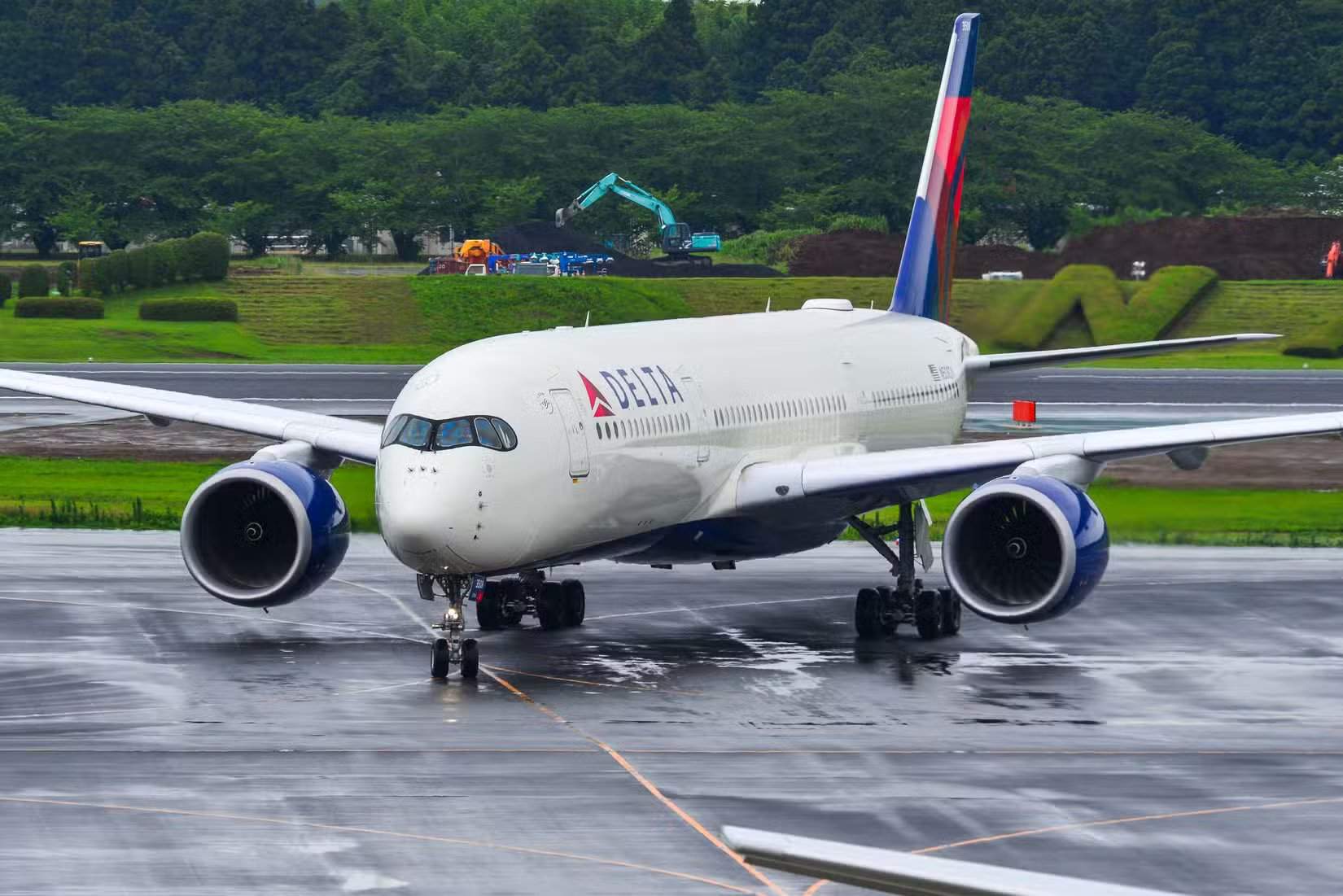
Delta currently serves Haneda from six U.S. cities: Atlanta, Detroit, Honolulu, Los Angeles, Minneapolis, and Seattle. Haneda primarily carries origin-destination traffic, while Narita is used for additional Asia-Pacific connections. Delta's pilot contract stipulates that widebody block hours must increase one-for-one with foreign partner capacity growth; American passengers' growing preference for nonstop service to major international destinations also pushes Delta to continue adding nonstop U.S.–Asia flights, with the Seoul hub filling the connecting gap left by Narita's closure.
United Airlines underwent a similar hub evolution at Narita, though with a different outcome. United likewise built a large intra-Asia operation at Narita in its early years due to aircraft range limitations, but these routes gradually disappeared after it took delivery of the Boeing 787, which could fly nonstop to destinations like Singapore. United shifted to nonstop U.S.–Narita service and operated newer Haneda routes through its joint venture with All Nippon Airways (ANA). In recent years, United has begun re-adding intra-Asia flights from Narita, operating Boeing 737s to Cebu, Kaohsiung, Koror, Saipan, and Ulaanbaatar. These destinations cannot be economically served nonstop from the U.S. with widebody aircraft. United's primary motivation for adding these routes lies in Guam: travel demand to Guam remains well below pre-pandemic levels, and United operates a crew base and specially configured 737 fleet there. Rather than flying half-empty flights from Guam or repositioning those aircraft back to the U.S. mainland, United chose to shift some 737 capacity to Narita. These routes are not currently operated by ANA, and they also allow United to serve destinations not covered by other U.S. carriers. For United, Narita today is more about creative utilization of existing assets.
Related Products

China - Alashankou/Khorgos - Europe Full Range Transportation (Mala/Hamburg/Duisburg/Budapest, etc.)
Shenzhen Neptune Logistics Co., Ltd.

Pantograph-Catenary Comprehensive Detection Device (1C)
CHENGDU TANGYUAN ELECTRIC CO., LTD.
Explosion-proof lithium battery dispatching monorail crane locomotive (permanent magnet frequency conversion integrated machine)
Xiangtan Hengxin Industrial Co., Ltd.

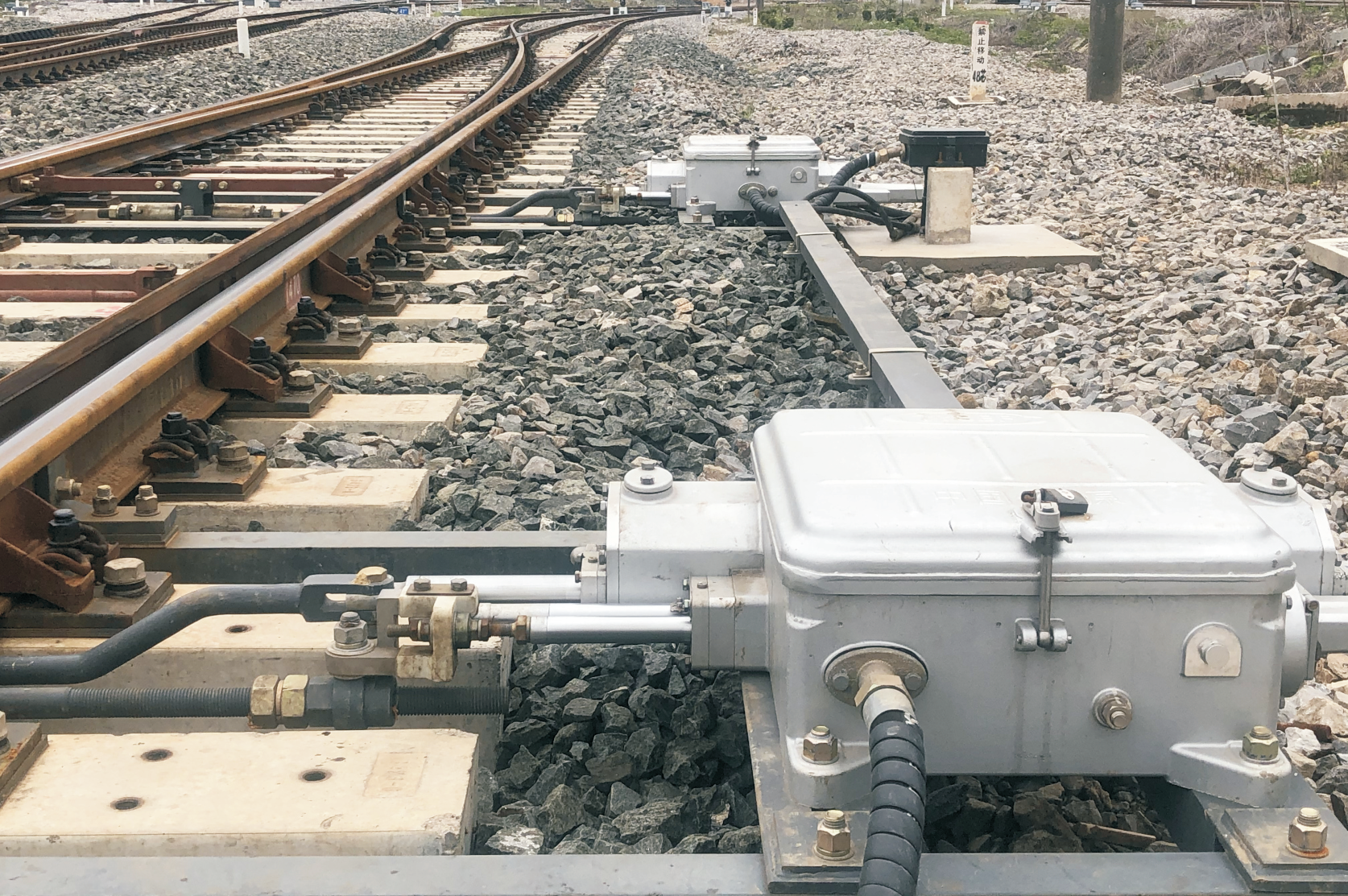
ZY(J)7(M) Sealed Type Electro-Hydraulic Turnout Machine
TAIYUAN CR JINGFENG EQUIPMENT TECHNOLOGY CO., LTD.