Virginia Tech Team Converts Waste PVC into Engine Oil
en.Wedoany.com Reported - Guoliang "Greg" Liu, a chemist and chemical engineer at Virginia Tech, and his team have developed a process that converts polyvinyl chloride (PVC) into polyalphaolefins, a key component of lubricants such as engine oil. The findings were published in the journal Nature on August 5, 2026. Waste PVC pipes, window frames, and even credit cards could potentially be transformed into industrial raw materials instead of ending up in landfills.
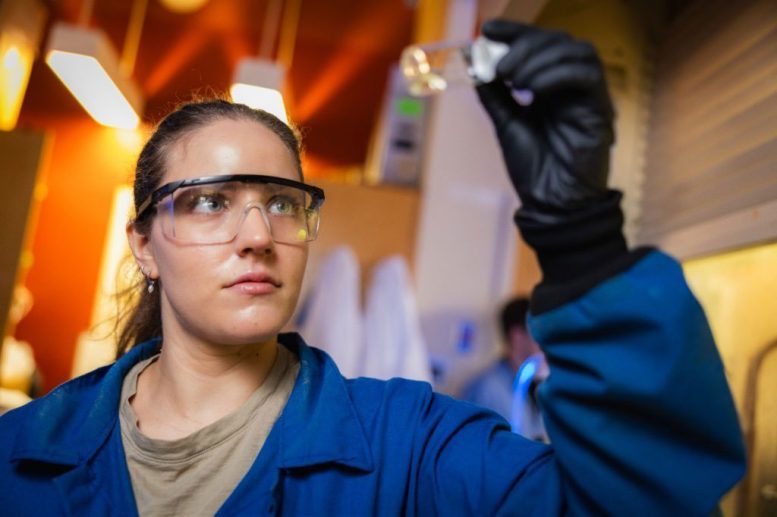
PVC is one of the most widely used plastics, but due to its chlorine content and the varying additives used by different manufacturers, it is difficult to recycle, and a large amount of waste ends up in landfills. The lubricant industry, meanwhile, faces high production costs and growing demand. From lawnmowers and passenger cars to jet engines, all types of machinery rely on lubricants, making a reliable supply of components critical to multiple industries. Converting waste PVC into lubricant components could alleviate pressures on both fronts.
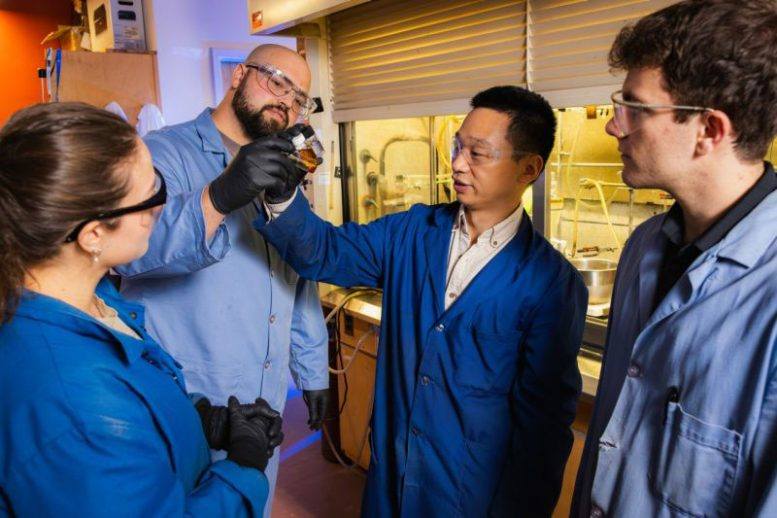
The experimental process is as follows: PVC materials sourced from household water pipes, window structures, and credit cards are placed in a solvent, aluminum chloride and alpha-olefins are added, and the mixture is heated to 158 degrees Fahrenheit for three hours. A relatively viscous lubricating oil is then recovered from the solvent. Liu stated that this is a viable pathway for producing high-performance lubricants from plastic waste, and the resulting lubricant is also a green product that can meet the market's new demand for sustainability.
The project's starting point was the team's earlier work reported in Science and Nature Sustainability. In those studies, the team converted other plastic waste into surfactants used in products such as soaps and detergents. After that pathway proved successful, the researchers began working on PVC with the goal of helping to improve its recycling and upcycling levels.
Liu assembled a graduate student group to advance the project. Eric Munyaneza Nuwayo, who was in the final year of his doctoral studies at the time, led the research; chemistry graduate student Connor S. Thompson switched to the project on his advisor's recommendation; and first-year graduate student Abby Civiello joined and quickly became a mainstay of the laboratory. Liu called them "the three musketeers."
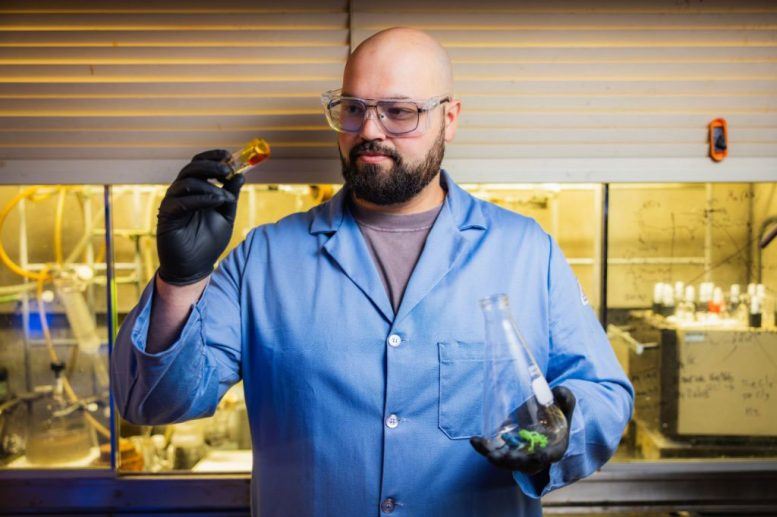
In the early stages of the research, the team attempted to convert PVC molecules into other chemical structures by replacing chlorine atoms. At the time, Liu envisioned PVC as a highly activated form of polyethylene, and replacing chlorine atoms with other groups should have easily transformed it into new molecules. However, the early products lacked practical properties—the resulting material remained soft and somewhat sticky, failing to meet performance requirements.
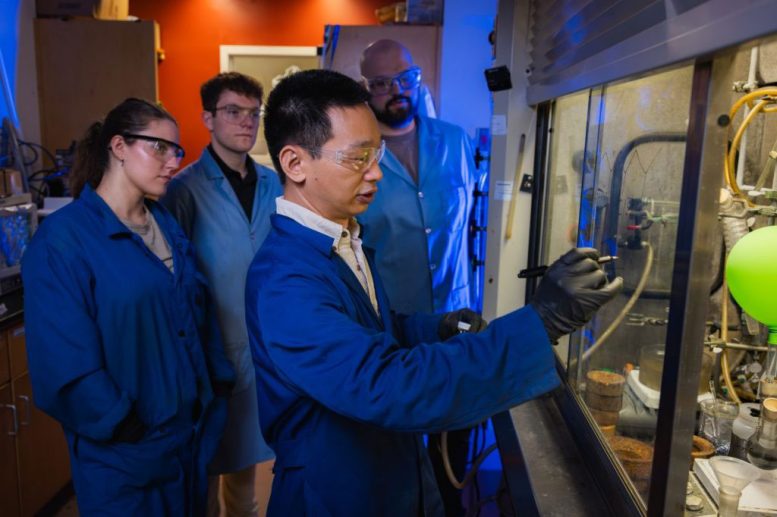
This led Liu to realize that, since the polymer was so sticky and soft, it might be better to simply keep breaking the polymer chains into smaller fragments. Rather than viewing the softness as a failure, he considered whether continuing to shorten the polymer chains might yield something more useful. This shift in thinking changed the direction of the research.
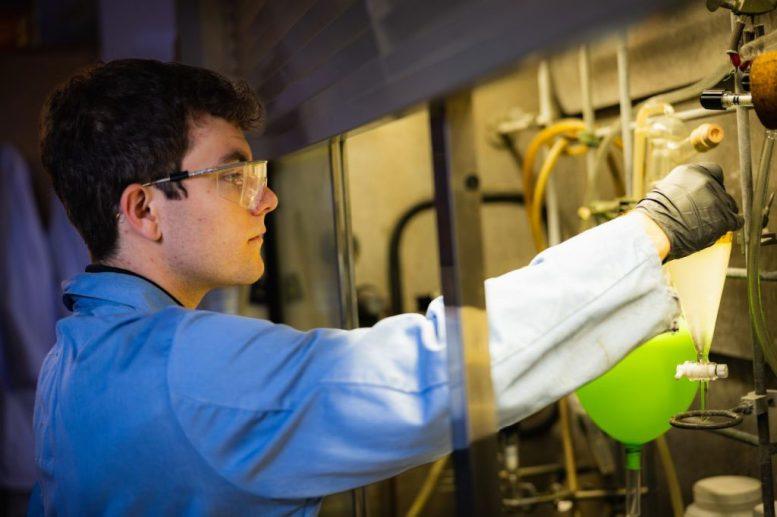
As the conversion process was refined and material evaluation progressed, Liu began to conclude that the product might be more than just a new PVC recycling pathway—it could also hold commercial value. He sent oil samples to the team of Ali Erdemir at Texas A&M University for evaluation and collaborated with William Goddard at the California Institute of Technology (Caltech) on chemical calculations. Virginia Tech colleague Xi Chen studied the economic and manufacturing aspects of the process, developing a model for large-scale lubricant production. Liu stated that the next challenge is to improve the sustainability and accessibility of the lubricant. He hopes the oil can be produced on a larger scale to serve more people, describing lubricants as "unsung heroes."
The research paper, titled "Upcycling of polyvinyl chloride into polyalphaolefin lubricants," was published in Nature. The paper's authors include Eric Munyaneza Nuwayo, Connor Thompson, Abby Civiello, Adrian DiMarco, Jingtao Zhang, Seungjoo Lee, Gugyeong Sung, Tridip Das, Yue Zhang, Clark Vu, Shelby Koshak, John B. Matson, Ali Erdemir, William A. Goddard III, Xi Chen, and Guoliang Liu.
Related Products

Nitrogen Export, Nitrogen Manufacturer, High-purity Nitrogen Supplier
Foshan Yuexin Industrial Gas Co., Ltd.
Bidirectional Metal Hard Sealed Seawater Butterfly Valve
Henan Quanshun Flow Control Science & Technology Co., Ltd.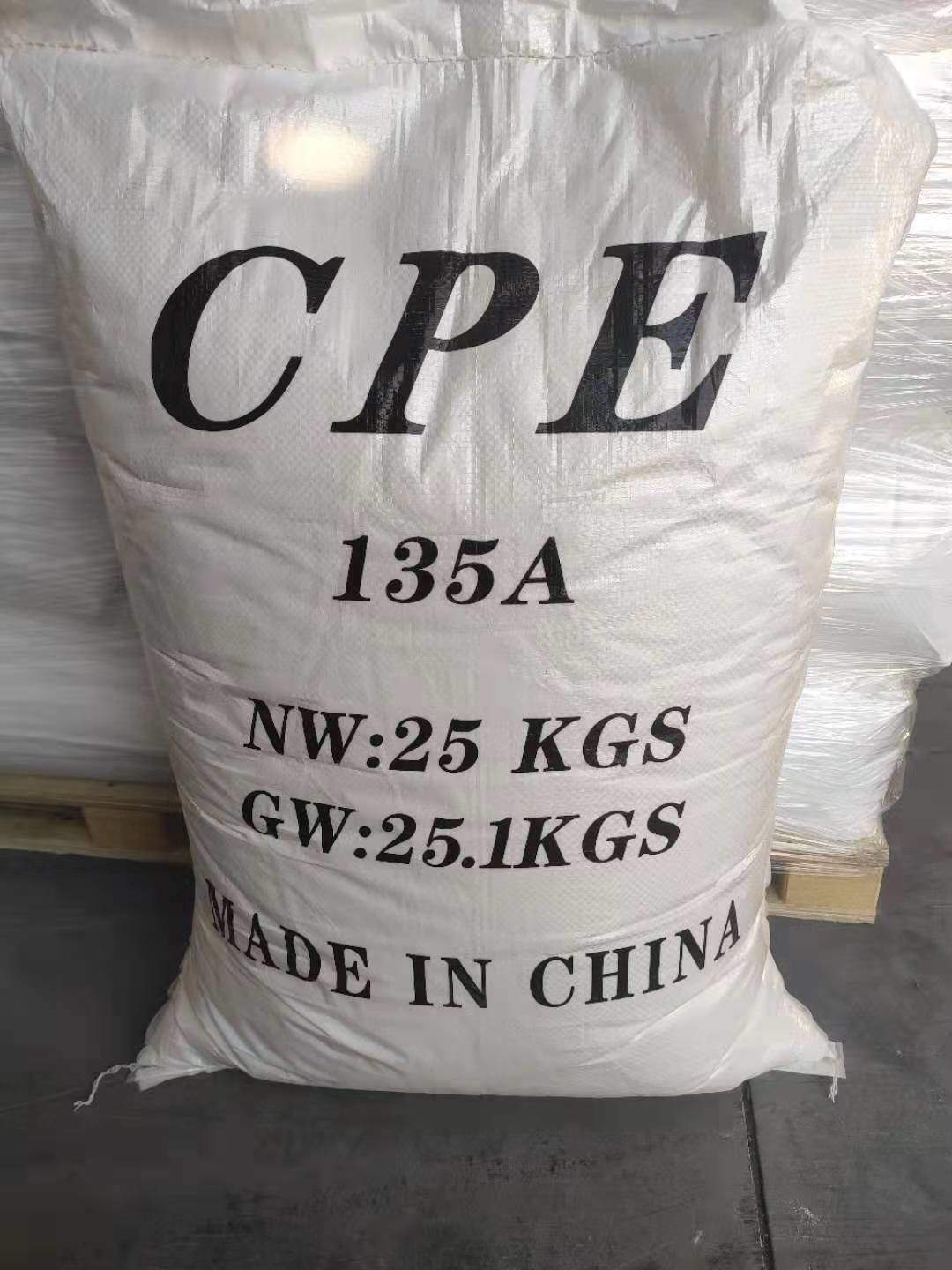
PVC Impact-Modified Chlorinated Polyethylene
Gansu Jinchuan Hengxin Polymer Technology Co., Ltd.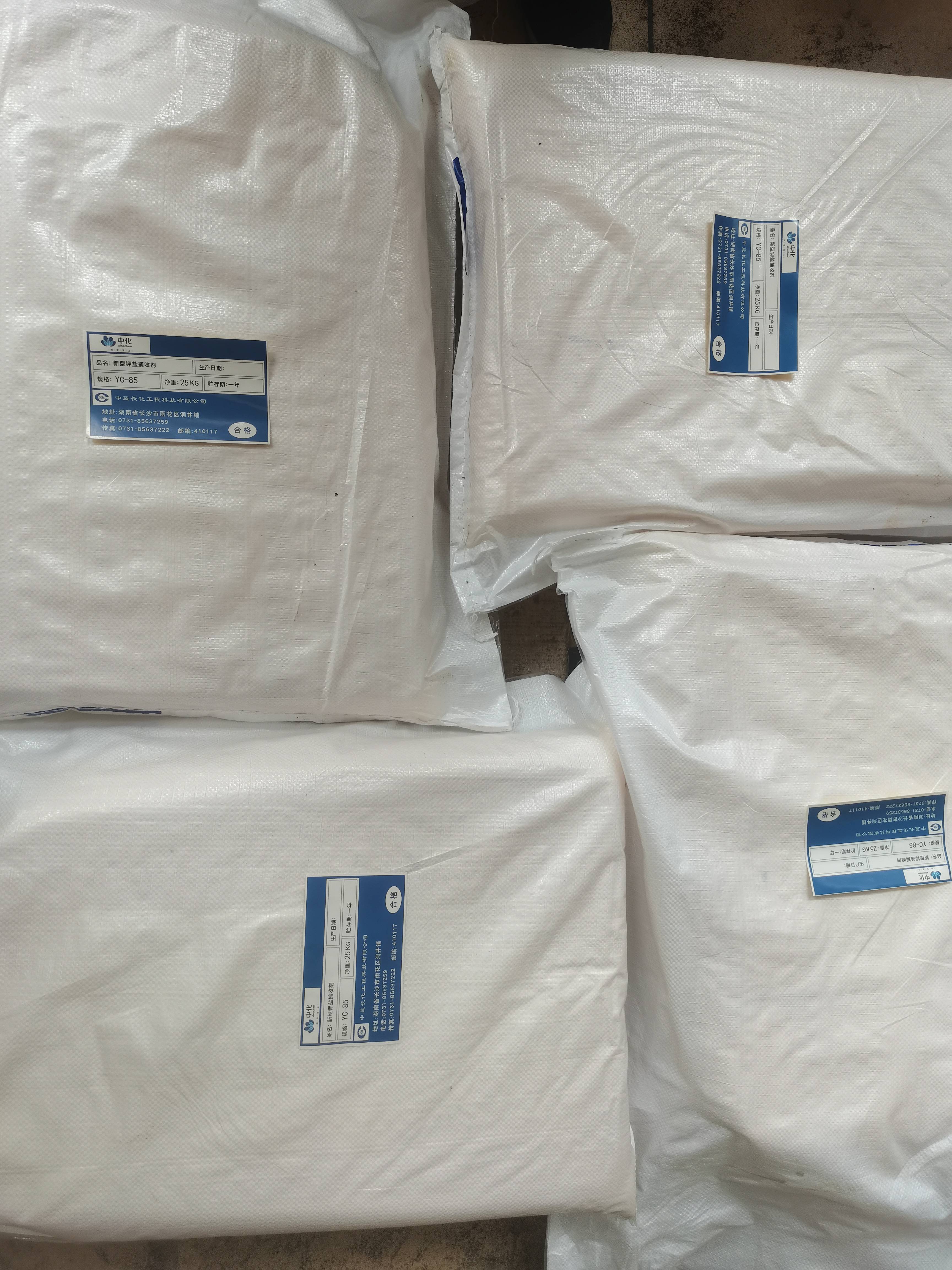
New Environmentally Friendly Green Potassium Salt Collector
Chonfar Engineering and Technology Co., Ltd.
Steel Plates for Chemical Pressure Equipment
Gansu JISCO Group Hongxing Iron and Steel Co., Ltd.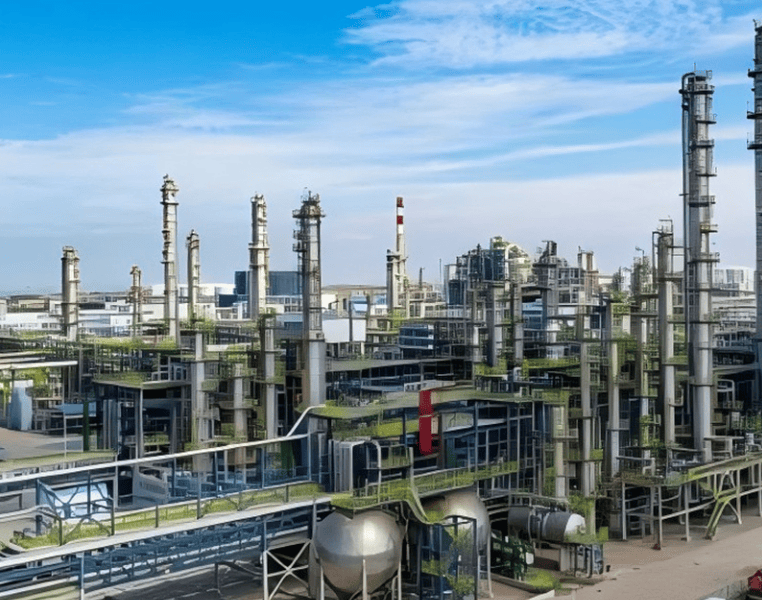
Steel Pipes for Refining and Coal Chemical Industries
YANGZHOU LONTRIN ENERGY EQUIPMENT CO.,LTD.