Japan Plans 10 Million AI Robots by 2040, Allocates 1 Trillion Yen
en.Wedoany.com Reported - The Japanese government has officially confirmed the previously circulated robot deployment target: deploying 10 million AI-powered robots across 18 industries by 2040, with up to 1 trillion yen (approximately 61 billion US dollars) in public funding over five years. This plan has escalated from policy discussions to a national strategy, and is not merely a wish list on paper, but a construction project formally commissioned by the government.
The Ministry of Economy, Trade and Industry (METI) and the New Energy and Industrial Technology Development Organization (NEDO) have formally commissioned the corporate consortium Noetra and the National Institute of Advanced Industrial Science and Technology (AIST) to develop a multimodal foundational model called "Physical AI." Planned as part of the implementation roadmap from fiscal year 2026 to 2030, this model will be capable of simultaneously understanding language, images, video, and sensor data, enabling robots to genuinely interpret their environment and act autonomously, rather than merely executing pre-programmed commands. An initial version is expected to be released this fiscal year, with annual upgrades thereafter, using training data voluntarily provided by manufacturers and other participating companies.
Funding is not unconditional. According to reports, the commissioned amount for this fiscal year is approximately 2.3 billion US dollars, sourced from 387.3 billion yen allocated through GX Economy Transition Bonds. Only the first two years of funding are locked in; thereafter, annual reviews will be conducted through a stage-gate process. If Noetra fails to meet milestone targets, Tokyo has the authority to withdraw funding. This means the 1 trillion yen ceiling is not a guaranteed amount.
Noetra is majority-owned by SoftBank, NEC, Sony Group, and Honda, with Fujitsu and Rakuten reportedly evaluating whether to join. Engineers from SoftBank are collaborating with researchers from Preferred Networks and AIST. This model follows a common path in Japanese industry: rather than designating a single company to pursue cutting-edge models, the government has formed a consortium encompassing multiple hardware manufacturers—including Honda's robotics technology and Sony's imaging sensors—companies that already produce the hardware required for the model to operate.
Explaining the rationale behind the plan, Minister of Economy, Trade and Industry Ryosei Akazawa stated that it will "vigorously promote social implementation," covering multiple industries including food services, food manufacturing, and healthcare. The driving force is a demographic shortage in the labor market: an aging population combined with strict immigration policies has led to worker shortages across large swathes of the economy, a problem unlikely to be resolved in the short term. Japan is not starting from scratch, having accumulated years of experience in robotics technology in areas such as elderly care, disaster response, manufacturing, and even the cleanup of the Fukushima Daiichi Nuclear Power Plant. The project's goal is to transform this into exportable outcomes, rather than remaining a purely domestic solution. Within less than a day of Japan confirming this plan, South Korea also announced its own robotics promotion initiative, with both countries viewing Physical AI as the next competitive battleground following the domains of chatbots and cloud contracts.
For Japan, the true test is not the long-term target for 2040, but the stage-gate review at the end of the first phase. If Noetra achieves early milestones and releases a usable model this fiscal year, the list of investors is expected to expand significantly. Conversely, the funding structure also provides Tokyo with ample justification to quietly withdraw if the project stalls.
Related Products


TWP16 P-Band Tropospheric Wind Profile Radar
China Huayun Meteorological Technology Group Co., Ltd.
Multi-function Marine Monitoring Low-altitude Detection Radar Sea-air Boundary Ocean Dynamic Environment Measurement
Chengdu Dixin Technology Co., Ltd.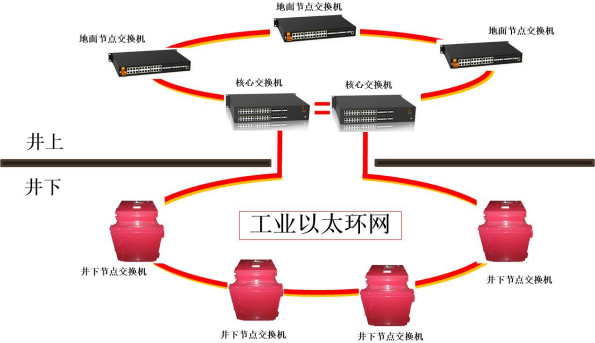
Mine Explosion-proof and Intrinsically Safe Industrial Ethernet Ring Network (10 Gigabit/Gigabit)
Chongqing Mas Sci&Tech Co., Ltd.
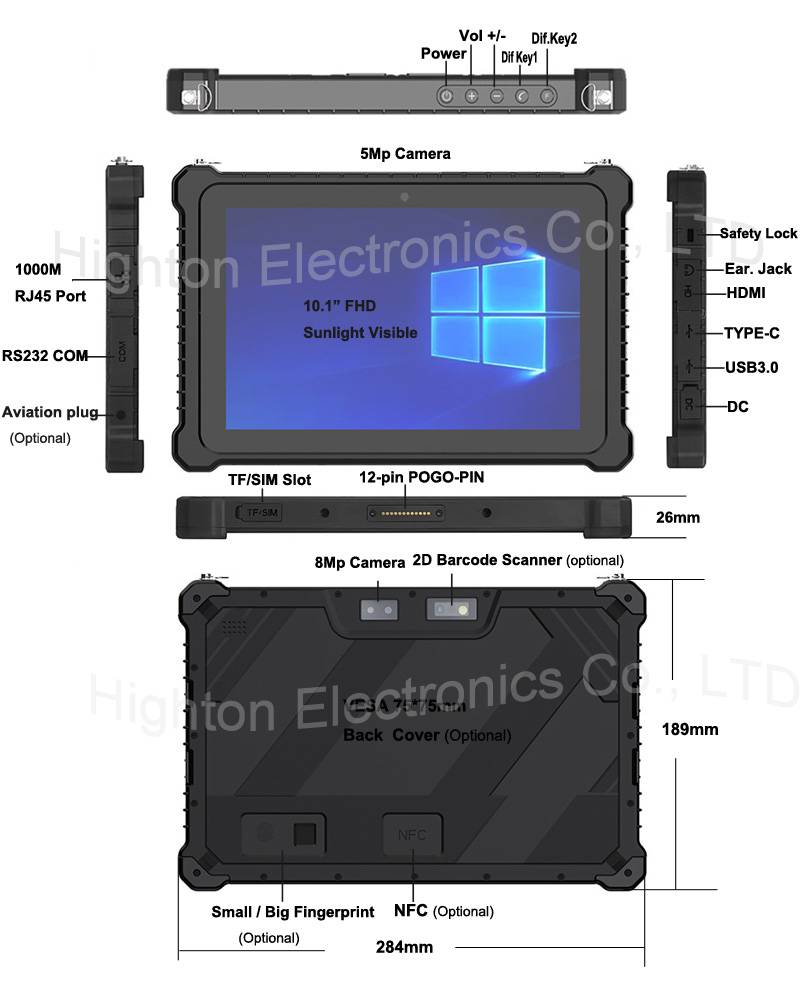
Hot Selling 10 Inch Intel N5100 I5 I7 FHD 8 +128GB 16+256GB Win10 Pro Win11 Pro 4G 5G Rugged Tablet PC Pad with NFC Barcode
Highton Electronics Co., Ltd.

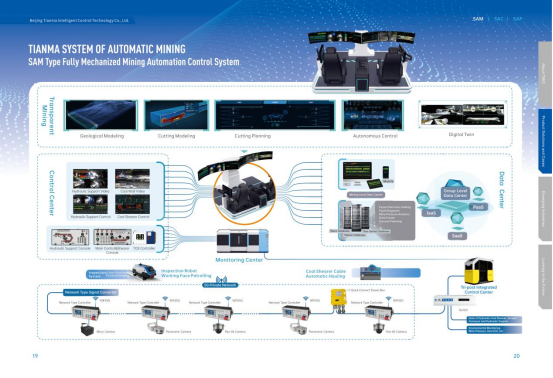
Comprehensive Mining Automation Control System
Beijing Tianma Intelligent Control Technology Co., Ltd.