China's Pearl River Piano produces over 100,000 units annually, becoming the world's largest piano manufacturer
en.Wedoany.com Reported - The world's largest piano manufacturer is China's Pearl River Piano (Pearl River) in Guangzhou, with an annual output exceeding 100,000 units. China has become the world's largest piano market.
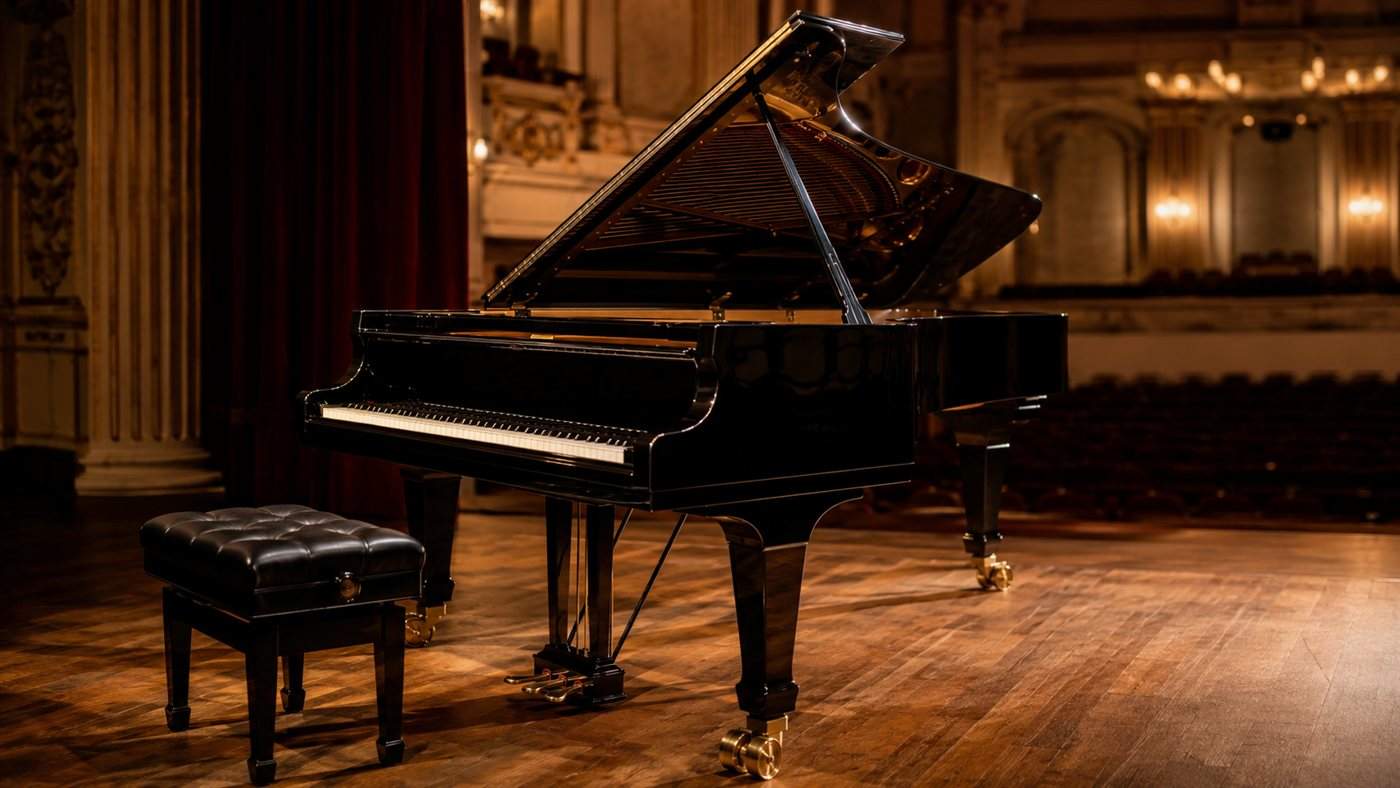
Founded in 1956 and headquartered in Guangzhou, the company is referred to by the professional magazine Chupp's Pianos as "the world's largest piano manufacturer." An instrument once closely associated with European cultural elites is now mass-produced in southern China.
The growth of China's piano market has been accompanied by an explosion of domestic interest in music. Millions of Chinese children learn to play the piano, and families view the instrument as a symbol of social status and discipline. This domestic demand has provided a foundation for industrial development. According to the South China Morning Post, Chinese customers still account for 95% of the company's sales, highlighting the crucial role of the local market in supporting the enterprise's growth and supplying the world.
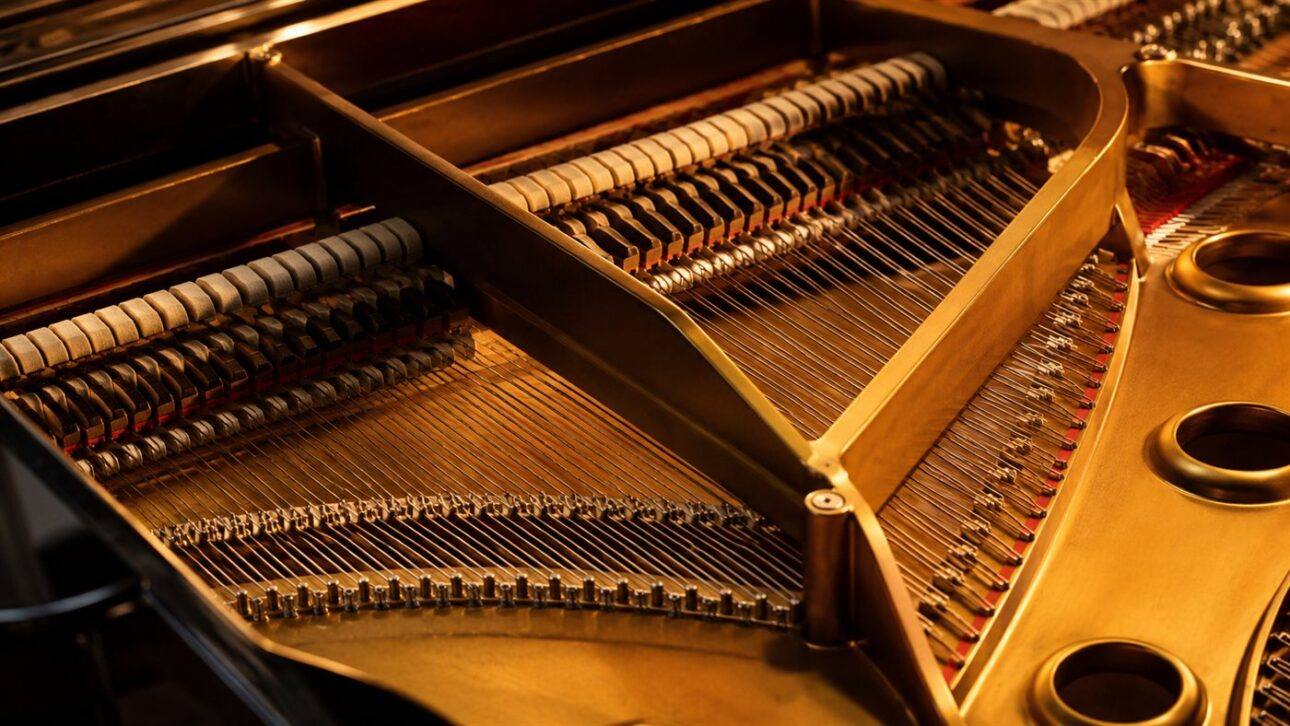
Piano manufacturing is a complex process. According to the professional website Living Pianos, a piano contains approximately 12,000 parts, 88 keys, over 200 strings, and a cast-iron frame that bears all the tension. Producing such a precision instrument on an industrial scale while maintaining tuning and touch is an engineering challenge.
The company's history dates back to its founding in Guangzhou in 1956. It has since grown alongside China's economic expansion, absorbing technology and collaborating with traditional piano brands. Its trajectory mirrors that of other Chinese industries: starting with a focus on scale and price, then moving toward improvements in quality and brand reputation.
According to Chupp's Pianos, the Pearl River Piano factory produces "over 125,000 units" annually, with products exported to more than 100 countries—a scale that traditional European or American manufacturers find difficult to match.
The piano has become a symbol of social mobility, education, and upbringing in China. Parents invest heavily in lessons, and the victories of Chinese pianists in international competitions have become a source of national pride. This cultural enthusiasm has not only created buyers but also nurtured musicians and teachers, making China a new center for the piano industry.
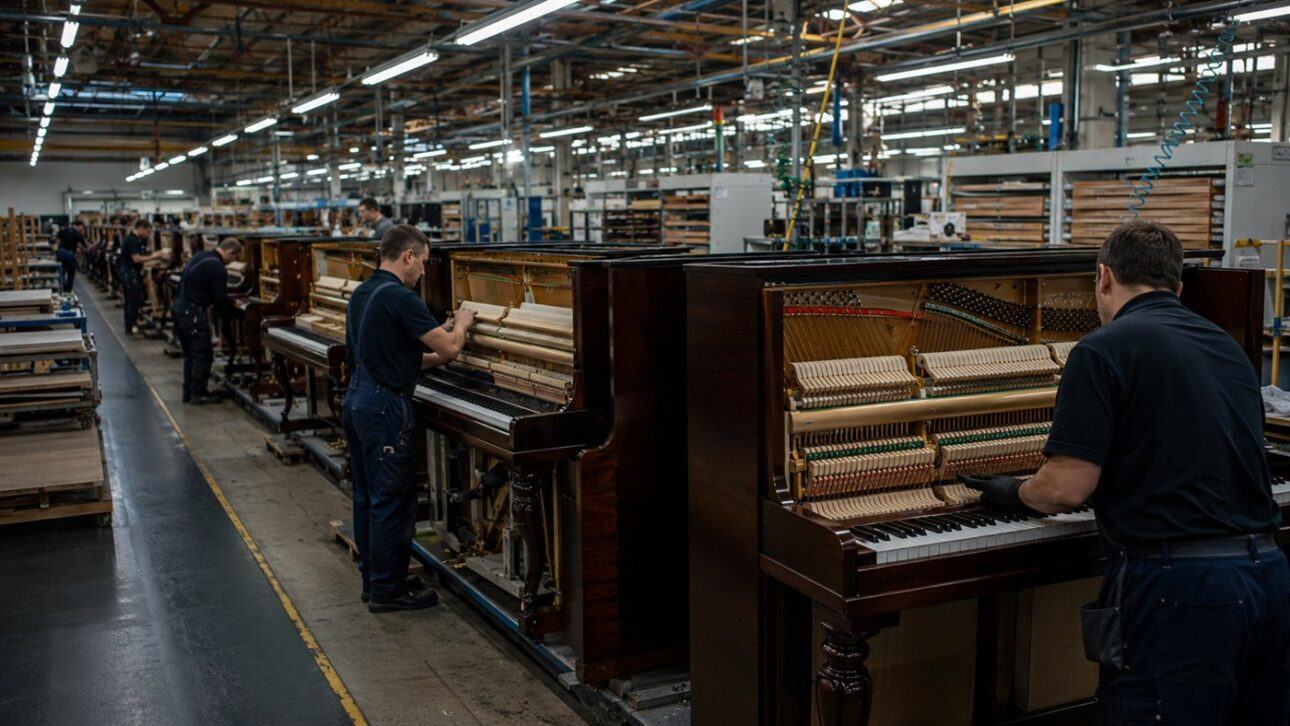
The piano manufacturing process still relies partly on manual labor. In large factories, many steps require experienced workers to adjust touch, tuning, and finishing. The Chinese model of scaling combines standardization with automation for certain parts, while retaining manual operations for critical stages, enabling mass production while maintaining acceptable quality.
The industrialization of the piano has, on one hand, democratized access to the instrument, allowing more people to learn and own one. On the other hand, it has sparked discussions about standardization and the value of traditional handcrafted brands. This shift from a luxury item to a mass-market consumer product has increased accessibility and lowered prices, while also raising concerns about a potential loss of exclusivity. Overall, a significant portion of global piano music now originates from keys made in China.
The case of Pearl River Piano demonstrates how global production layouts can reshape the landscape of traditional industries. An instrument representing European tradition now sees the majority of its output coming from China, driven by the cultural demand for pianos in the Chinese market.