Brazilian Government Allocates 300 Million Reais to Subsidize Sugarcane Growers
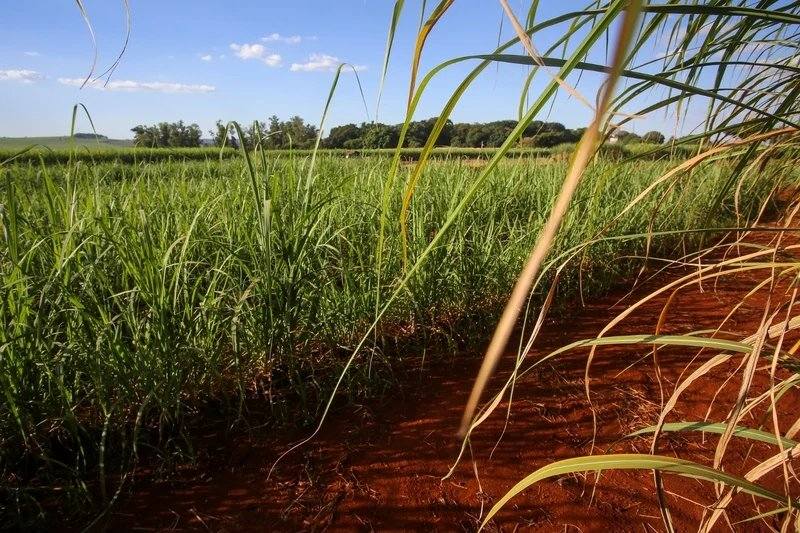
en.Wedoany.com Reported - The Brazilian federal government will allocate 300 million reais to subsidize sugarcane growers in the Northeast for losses caused by U.S. tariff increases. Brazilian President Luiz Inácio Lula da Silva signed a provisional measure granting the subsidy on Tuesday (30th) in Brasília. The subsidy stipulates that sugarcane suppliers in the 2025/26 season will receive 12 reais per ton of sugarcane supplied, benefiting an estimated 17,000 producers.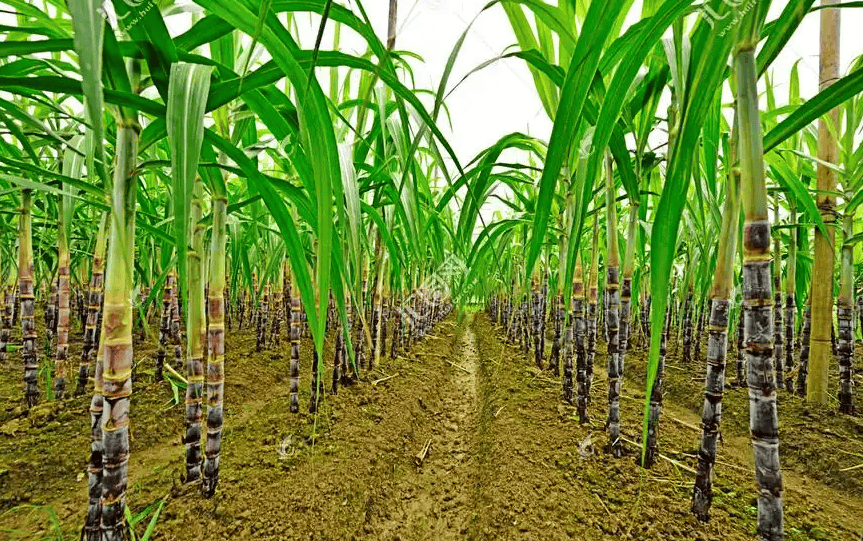
The U.S. tariff hikes have significantly impacted Brazil's sugarcane industry. Renato Cunha, President of the Sugar and Alcohol Industry Union of Pernambuco (Sindaçúcar-PE) and Executive President of the Sugar, Ethanol, and Bioenergy Producers Association (Novabio), stated that the tariffs have harmed both sugarcane processing plants and suppliers. He explained that since the last season in 2025, the U.S. tariff increases have reduced the remuneration level of sugar from the Northeast, which is exported to the U.S. under preferential terms according to Brazilian law and World Trade Organization rules. The new tariffs have led to a sharp decline in sugar prices, consequently damaging sugarcane prices.
Alexandre Andrade Lima, President of the Pernambuco Sugarcane Suppliers Association (AFCP), stated that the issuance of the provisional measure resulted from close coordination between industry entities, lawmakers, and the federal government. The association is intensifying regulatory efforts to expedite the release of funds. Lima revealed that a meeting has been held with Brazilian Agriculture and Livestock Minister André de Paula to ensure prompt payment to suppliers. Although the measure requires congressional approval, the provisional measure already has legal effect.
Lima noted that the sugarcane industry in the Northeast experienced a difficult phase last year, with prices severely lagging this year. Trump's tariff increases further impacted sugarcane prices linked to U.S. quotas, causing significant losses to the industry. Even though the tariff rate has been reduced from 40% last year to 25%, the taxation continues to affect producers. Lima emphasized that while the rate has decreased, the taxation has not ceased; sugar prices have only slightly improved, but last year's situation was dire, and no favorable remuneration prices are expected this year either.
Related Products

4HS-8 High-efficiency Peanut Inverted-laying Harvester
Hebei Yongfa Hongtian Agricultural Machinery Manufacturing Co., Ltd.

714CD Series C-Band Weather Radar
Chengdu Zhongdian Jinjiang Information Industry Co., Ltd.
Industrial and Commercial Point-Type Gas Detector
Jinan Benan Technology Development Co., Ltd.