Chalmers University of Technology Proposes Safer Method for Recycling Metals from Spent Batteries
en.Wedoany.com Reported - Researchers at Chalmers University of Technology in Sweden have proposed a new method for recovering metals from spent rechargeable batteries, which reduces harm to humans and the environment while maintaining the same recycling efficiency. The study explores the use of alternatives derived from renewable biomass to replace fossil-based chemicals used in the metal recycling process.

Global energy consumption growth and the demand for more sustainable energy systems are driving the need for energy storage devices such as batteries. At the same time, the demand for recycling and reusing metals like copper, cobalt, lithium, and manganese from batteries is increasing. These materials are critical for the green transition, and many are listed in the EU Critical Raw Materials Act. For example, China supplies 100% of the EU's demand for heavy rare earth elements. The EU is working to diversify and secure the supply of critical raw materials, and recycling plays a key role in this process.
To make metal recycling efficient and economically viable, metals must be separated and purified before reuse. The production of high-value products such as batteries typically requires high-purity metals. Mark Foreman, Associate Professor at the Department of Chemistry and Chemical Engineering at Chalmers University of Technology, stated that if materials are not separated and purified during recycling, their quality will gradually degrade, eventually making them unsuitable for advanced applications and rendering recycling meaningless.
Solvent extraction (liquid-liquid extraction) is a widely used method for separating and purifying metals in battery recycling, as well as in industries such as mining and nuclear energy. Currently, the diluents used in these processes are typically produced from fossil-based raw materials. Daniel Keywan Hoffmann, a PhD student at Chalmers University of Technology and first author of the study, explained that the research aimed to demonstrate that renewable biomass, such as by-products from the forestry industry, could be used to produce alternative diluents. They studied two aromatic compounds that can be directly used in existing industrial production lines.
The study shows that these aromatic compounds perform comparably to traditional commercial alternatives in extracting several important metals and can be directly implemented in existing industrial production lines. Daniel Keywan Hoffmann noted that it is costly for industry to rebuild factories or invest in entirely new infrastructure to improve sustainability. If existing processes and equipment can continue to be used, with only a switch to safer chemicals, the barriers and costs of change would be significantly reduced.
Large-scale metal recycling operations use large quantities of diluents, which often require handling by personnel, making safety considerations crucial. The researchers found that the two aromatic compounds used in the study have higher flash points and lower volatility than several commercial alternatives, thereby reducing fire risks at recycling facilities and personnel exposure to hazardous substances. Some commercial chemicals currently in use form a group of neurotoxins when degraded, which can have harmful effects on the brain and nervous system. The new aromatic compounds tested in this study do not form these neurotoxins upon degradation. Mark Foreman stated that achieving the same performance as current processes while reducing risks to humans and the environment would be a significant benefit for everyone.
The researchers emphasized that optimizing manufacturing processes and increasing the supply of renewable raw materials are necessary to make the method cost-effective. Daniel Keywan Hoffmann expressed hope that their work would inspire the industry to think differently, noting that sustainable alternatives do not necessarily need to start from scratch; in many cases, replacing certain chemicals may be sufficient.
The study was published in the journal RSC Sustainability under the title "Safer aromatic process diluents for solvent extraction of critical metals from spent batteries."
Related Products


714CD Series C-Band Weather Radar
Chengdu Zhongdian Jinjiang Information Industry Co., Ltd.

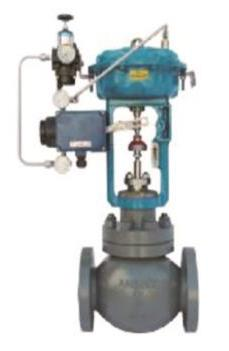
Quick-Change Single-Seat Control Valve / Quick-Change High-Pressure Single-Seat Control Valve
Beijing Consen Automation Technology Co., Ltd.
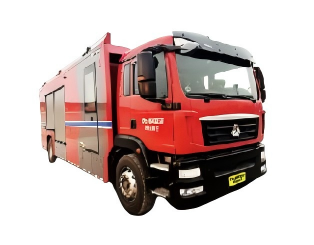
Modular Multifunctional Water Supply and Drainage Vehicle (18T)
Changsha Dewater Machinery Technology Co., Ltd.
Overseas IEC Gateway Energy Meter - DTSD341/DSSD331-aMeter390
Wasion Group Limited Co., Ltd.