en.Wedoany.com Reported - Xinjiang, China, spans two major world-class tectonic metallogenic belts—Central Asia and Tethys—and has discovered 153 types of minerals, accounting for 88% of China's total. Among these, 103 types have verified reserves, with 52 ranking among the top five in China and 77 among the top ten, making it one of the provinces with the most complete range of minerals and the richest resource reserves in the country.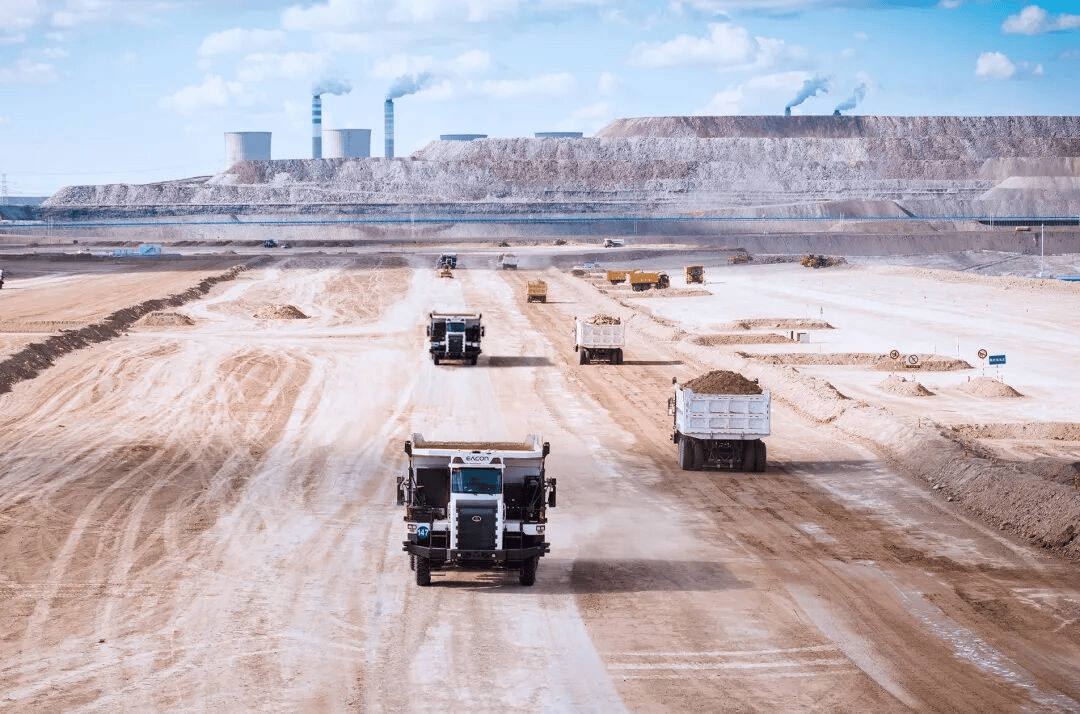
The region's estimated coal resources total 2.19 trillion tons, accounting for 40.6% of China's total. Two billion-ton coal bases have been established in Zhundong, Hami, and Yili, with Zhundong being the largest integrated coalfield in China. Open-pit mining costs are significantly lower than those in inland areas, and the annual increase in coal production has ranked first in China for consecutive years. Oil and natural gas reserves account for 40% and 34% of China's total, respectively, making Xinjiang a core gas source for the West-to-East Gas Pipeline. The region boasts the best wind and solar resources in China, with new energy installed capacity exceeding 100 million kilowatts. Reserves of critical minerals such as lithium, beryllium, nickel, copper, gold, chromium, and potassium salts rank among the top in China, with lithium, nickel, and potassium salts serving as core raw materials for the new energy and new materials industries. The overall exploration rate of minerals in Xinjiang is less than 20%, far below the national average, and a new round of mineral exploration breakthroughs is ongoing.
As the core carrier of the national "Three Bases and One Corridor" strategy, Xinjiang has formed a complete industrial cluster encompassing coal, oil and gas, non-ferrous metallurgy, coal chemical industry, and new energy, with the total output value of the energy industry exceeding 1.2 trillion yuan. The Zhundong, Tuha, and Yili mining areas have deployed the largest fleet of unmanned mining trucks in China, and the country's first intelligent fully mechanized mining face for steeply inclined coal seams has been established. Over a hundred coal chemical projects, including coal-to-natural gas, coal-to-olefins, and coal-to-liquids, are under construction or planned in Zhundong. The copper-nickel deposits in the East Tianshan, polymetallic deposits in the Altai Mountains, and lithium, potassium, and gold deposits in southern Xinjiang continue to see increased reserves and production. The region is advancing mine dust control, wastewater purification, tailings resource utilization, and low-carbon mining transformation.
The Silk Road Mining Cooperation Forum, along with the 16th China Xinjiang International Mining and Equipment Expo and the 21st China Xinjiang International Coal Industry Expo, will connect local trillion-yuan domestic demand with cross-border blue ocean opportunities in Central Asia. The expo will specifically invite procurement parties from the entire local industrial chain in Xinjiang, covering major coal groups in Zhundong, Hami, and Yili, as well as core enterprises such as Bayi Steel, Xinjiang Nonferrous Metals, CNNC Xinjiang, and CHN Energy Xinjiang. This year's expo will simultaneously open up local domestic demand channels in Xinjiang, allowing equipment manufacturers to directly engage with thousands of operating and under-construction mines and coal mines within the region.