IMO Chief Says Nuclear Energy Can Help Decarbonize Shipping
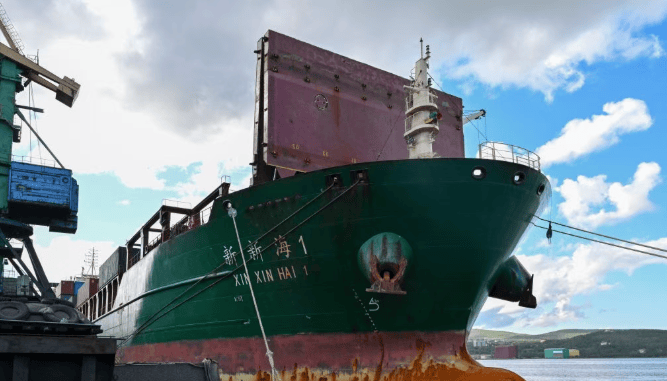
en.Wedoany.com Reported - Arsenio Dominguez, Secretary-General of the International Maritime Organization (IMO), stated at a meeting organized by Core Power on June 17 that nuclear energy can play a role in shipping decarbonization, and the IMO is actively reviewing the safety and regulatory framework for nuclear propulsion.
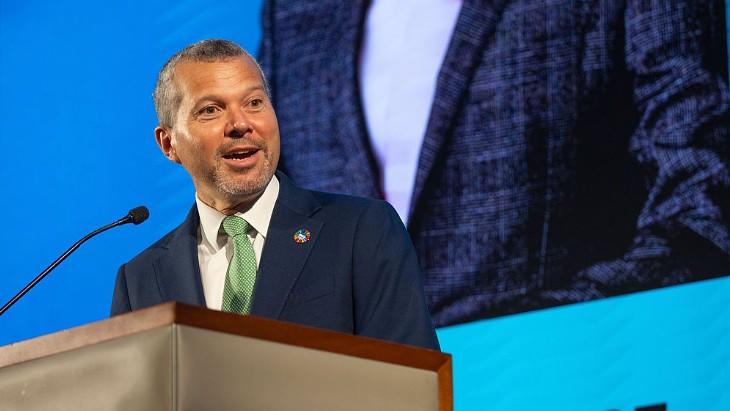
Speaking at the "Accelerating Nuclear Energy in Power Generation and Shipping" conference in London, Dominguez noted that the IMO has long maintained a technology-neutral stance on shipping fuel choices, provided the goal of "safe, secure, and environmentally friendly shipping" is ensured. He mentioned that, starting with lifecycle assessments, the shipping industry has shown strong interest in nuclear propulsion in recent discussions, whether for power generation supported by onshore or port infrastructure, or for onboard propulsion systems. He added that the IMO is open to such developments.
Dominguez stated that the IMO's core mission is to ensure shipping safety and security. The organization is collaborating with the International Atomic Energy Agency (IAEA) on the ATLAS (Atomic Technology Licensing for Maritime Applications) project, which is scheduled to launch in the United States this August. He emphasized that the IMO needs to review the Code of Safety for Nuclear Merchant Ships, adopted in 1981, and the organization is closely monitoring progress on its revision.
He noted that decarbonization efforts in shipping are already underway, with interim guidelines developed for fuels such as ammonia, hydrogen, and methanol. Nuclear energy, as a next-step option, is being discussed alongside renewable energy sources like solar and wind. In recent discussions, nuclear energy has become a major focus, with parties studying how to advance its deployment. He stressed the importance of seafarer training needs, arguing that safety discussions should proceed in tandem with training requirements. Additionally, the development of liability conventions must be considered simultaneously, with similar conventions currently being drafted for autonomous ships and related alternative fuels.
Dominguez also pointed out that public perception is another key area. He cited examples where many ports worldwide initially resisted liquefied natural gas propulsion, but concerns have since shifted. He believes that involving industry stakeholders, external parties, and developing countries in the transition discussion is crucial for promoting nuclear propulsion.
Mikal Bøe, CEO of Core Power, stated that the company has spent nearly a decade working to mainstream maritime nuclear energy, and nuclear power is now a long-term viable solution to environmental and economic challenges. He emphasized the need to abandon the idea of shutting down industrial production, shifting emissions, and sacrificing energy security in the name of net zero, arguing that nuclear energy is a pillar for protecting the planet and future prosperity. He called on governments, non-governmental organizations, and bodies like the IMO and IAEA to modernize safety and security standards to include floating nuclear power plants and nuclear-powered ships. He added that work is underway to establish a unified regulatory framework for maritime nuclear energy, covering licensing, export controls, and nuclear safeguards, laying the foundation for business models based on ship-based nuclear power and nuclear-powered vessels.
At the same event, Core Power announced the launch of a feasibility study to explore the use of BWX Technologies' mPower small modular reactor (SMR) in floating nuclear power plants. The mPower is an integral pressurized water reactor design with a capacity of 195 MWe or 575 MWt. The study will cover baseline information exchange, systems engineering, concept of operations development, product requirements definition, regulatory pathway assessment, marine integration studies, and techno-economic analysis.
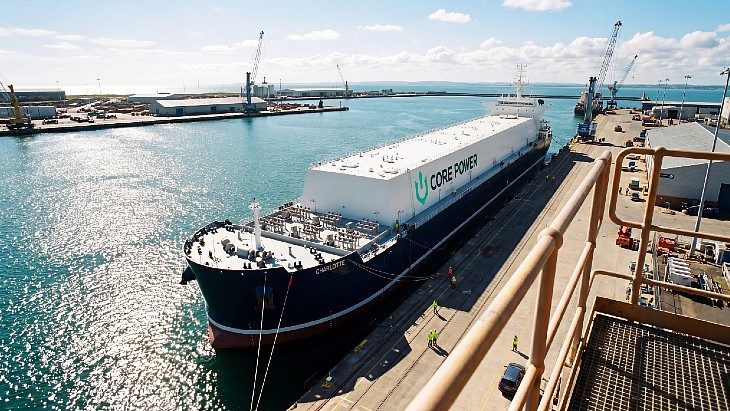
The International Atomic Energy Agency stated that the ATLAS project aims to bring together the maritime and nuclear industries to identify and address key challenges and barriers to civilian nuclear applications at sea, supporting member states in establishing robust frameworks to facilitate the deployment of these technologies. This may include recommendations for revising IAEA safety standards and nuclear security guidelines, as well as strengthening international cooperation to ensure effective safety, security, and safeguards for such ships and facilities throughout their lifecycle.
Related Products


Post-type AC Pollution-resistant Disc Suspension Porcelain Insulator (Triple Umbrella Type)
Shandong High Voltage Insulator Co., Ltd.
CITIC Heavy Industries Offshore Wind Power Equipment Hydraulic Pile Hammer
CITIC Heavy Industries Co., Ltd.
Standard Nozzle Flowmeter
Jinggong Automatic Control Instrument Complete Technology Development Company