Montana Approves Sentinel Metals' 21-Hole Exploration at Columbia Gold Project
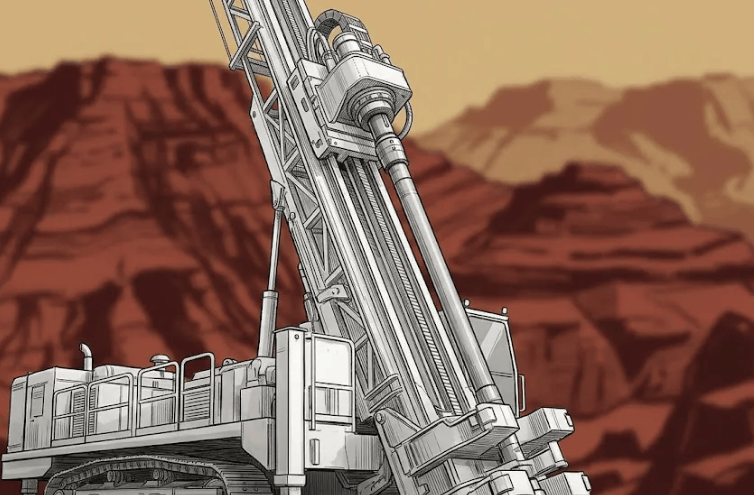
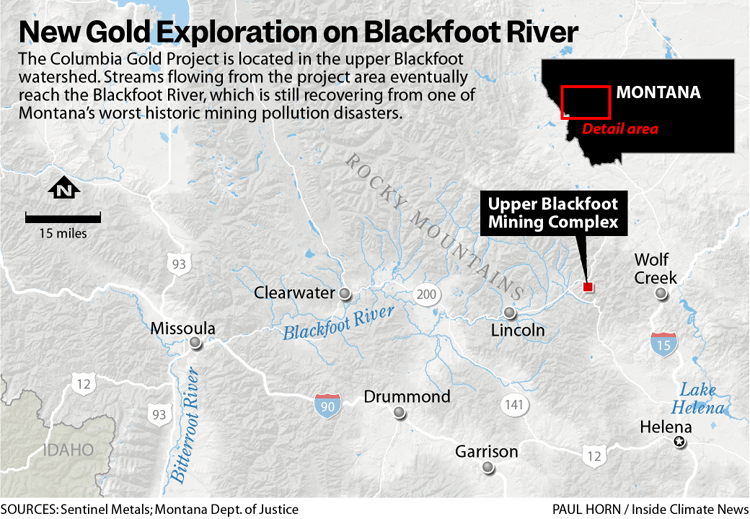
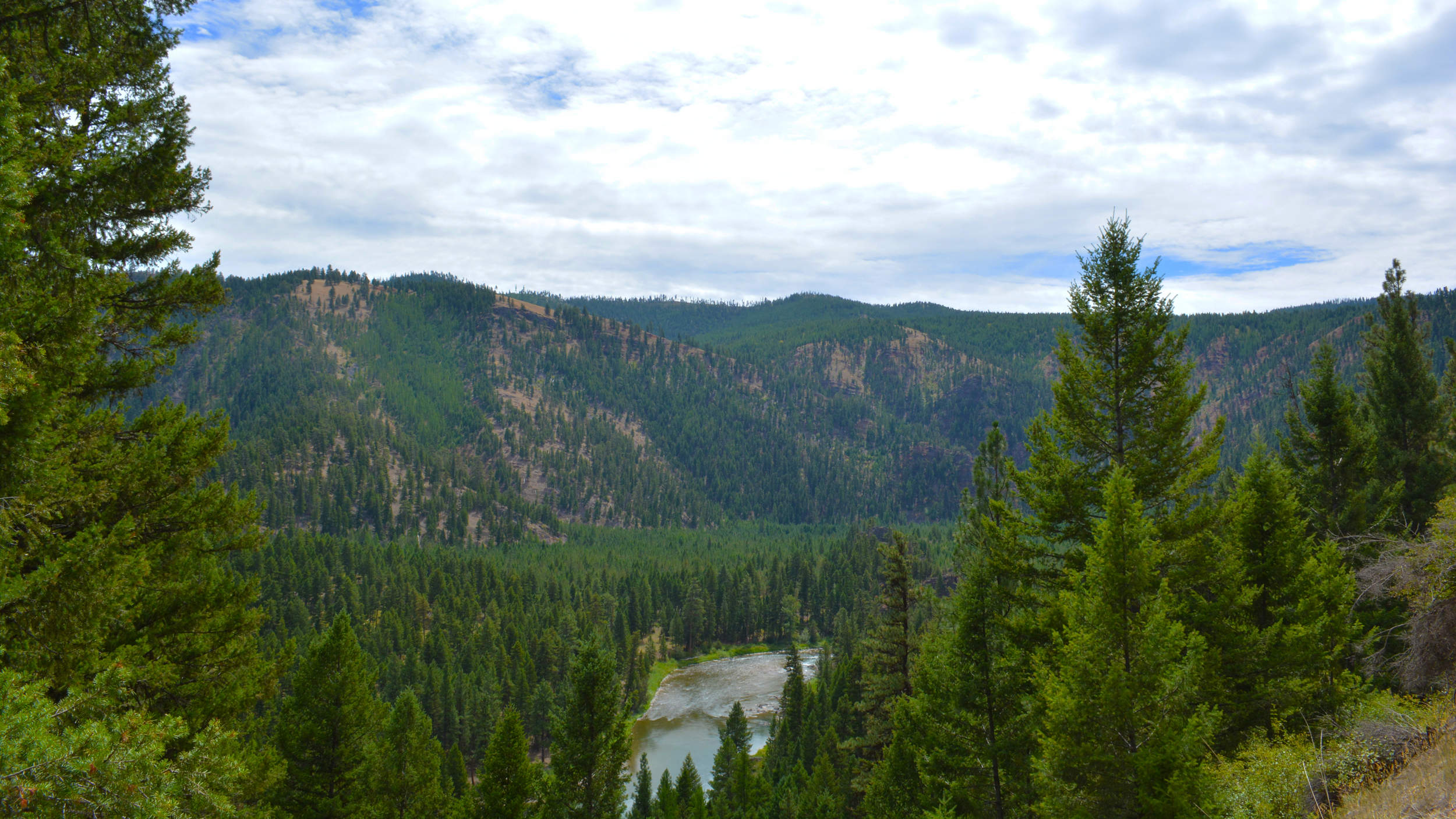
en.Wedoany.com Reported - The Montana Department of Environmental Quality (DEQ) last month approved a revised exploration permit for Australian company Sentinel Metals, allowing additional drilling at the Columbia Gold Project near Lincoln in western Montana, operating under the name Great Plains Mining LLC. The permit authorizes the company to drill up to 21 exploration holes, some reaching depths of 2,300 feet, in mountainous terrain where streams ultimately flow into the Blackfoot River. This decision came after the state's environmental review process, which concluded in April, received 8,736 public comments from 1,713 individuals, reflecting widespread concern over a watershed that serves both as a symbol of ecological restoration and a cornerstone of the outdoor recreation economy.
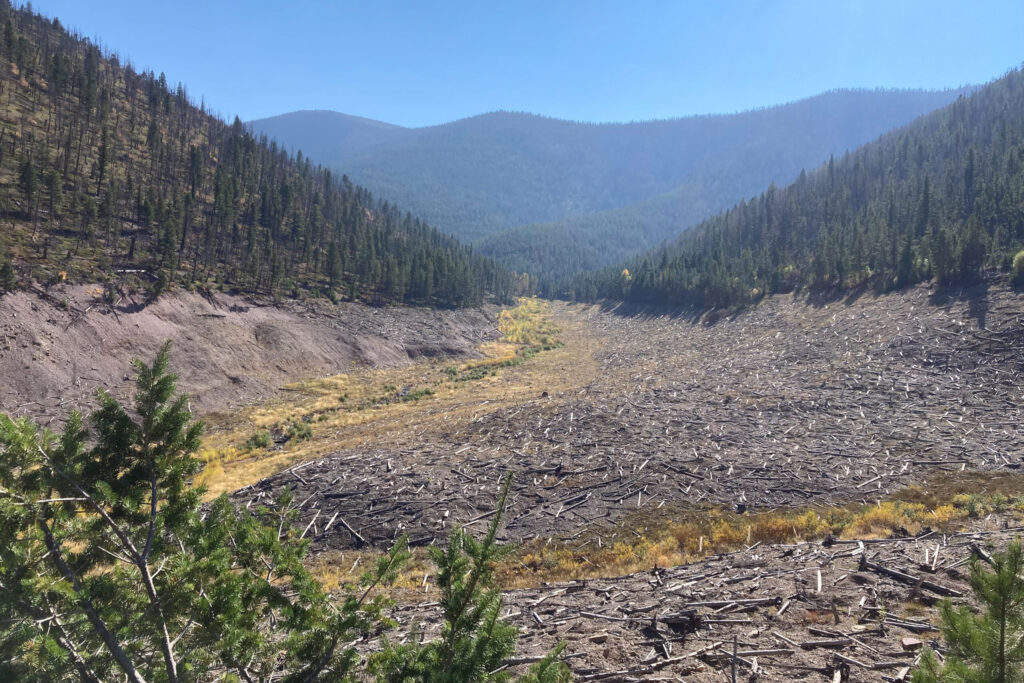
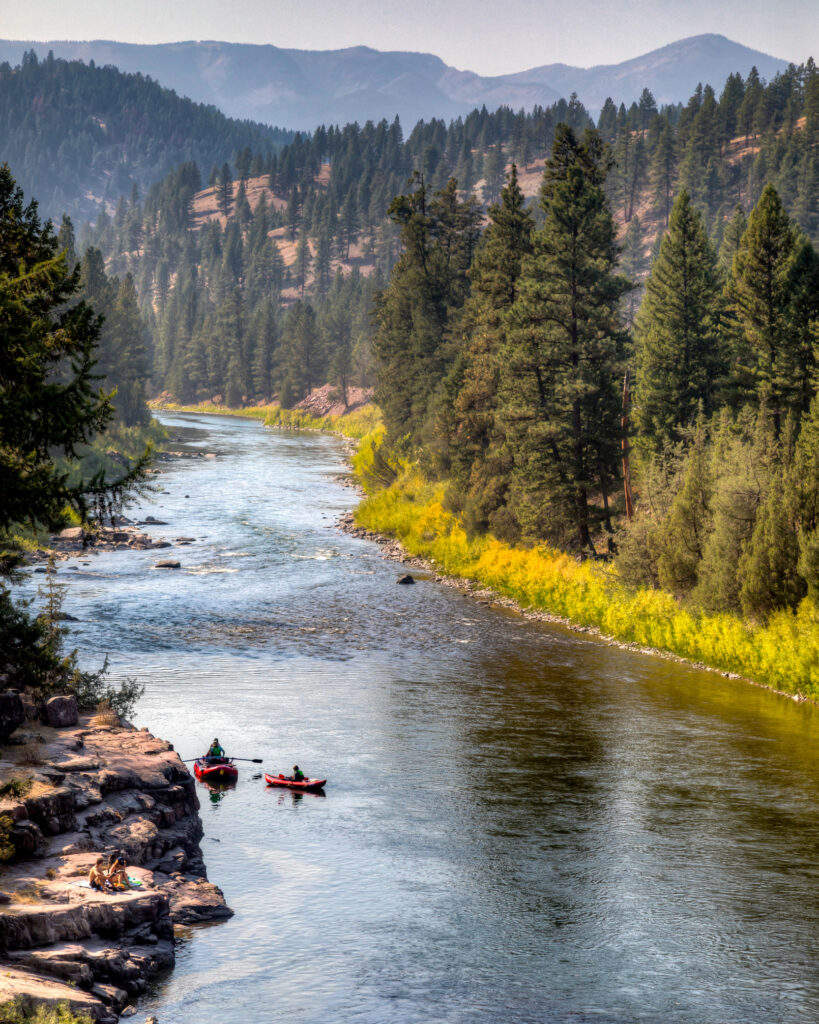
More than half a century after one of Montana's most destructive mining disasters polluted the upper Blackfoot River, new exploration near the river's headwaters has raised concerns that decades of ecological recovery could be at risk. Conservation groups and local residents have broadly opposed the project. On June 26, the Montana Environmental Information Center and the Clark Fork Coalition sued the Montana DEQ, alleging the agency failed to provide requested public records in a timely manner for meaningful public participation before approving the additional exploration. The groups are asking the court to declare both the environmental assessment and the exploration permit invalid. The plaintiffs argue that gold mining is among the most destructive mining activities, leading to long-term environmental degradation, severe water pollution from toxic substances, and serious health problems for workers and nearby communities. Montana Trout Unlimited stated that the Blackfoot River is an internationally recognized restoration success story, noting the river inspired Norman Maclean's novella "A River Runs Through It" and its film adaptation. Executive Director David Brooks said these companies are only interested in profiting from the Blackfoot River and its resources, with those profits flowing primarily outside Montana and the United States.
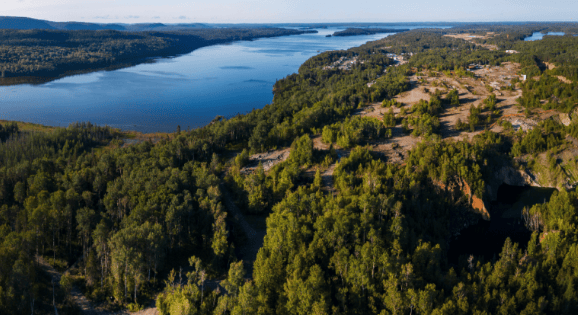
In 1975, the tailings dam at the Mike Horse Mine collapsed, releasing large amounts of sediment and heavy metals into tributaries flowing into the upper Blackfoot River. Zinc, cadmium, and other pollutants spread downstream, decimating aquatic insect populations. Federal and state agencies, non-profits, and local communities have spent over $100 million restoring damaged channels, floodplains, and aquatic habitats, with a water treatment facility required to operate permanently to treat contaminated mine drainage. The project area, located about three miles south of Highway 200, is private land surrounded by the Lewis and Clark National Forest, encompassing several historic mining sites including the Columbia, Rover, and Seven Up Pete mines, with two nearby streams—Seven Up Pete Creek and Hogum Creek—ultimately flowing into the Blackfoot River. Conservation groups argue the Montana DEQ should have prepared a comprehensive environmental impact statement rather than relying on the 24-page environmental assessment used to approve the permit.
Conservation groups also expressed concerns about federally threatened bull trout in undeveloped lands around the project area, as well as sensitive wildlife such as grizzly bears and Canada lynx. Andrew Gorder, Policy and Legal Director for the Clark Fork Coalition, stated that adequate water supply and high water quality are essential to support the agricultural and recreational economy of the Blackfoot Valley, and any new threats to the Blackfoot River should be carefully scrutinized by regulatory agencies. Sentinel Metals, listed on the Australian Securities Exchange in October 2025, has described Columbia as its "flagship" project, with the company stating previous exploration identified approximately 23.6 million tons of ore containing an estimated 920,000 ounces of gold. CEO Matt Herbert, a former executive at mining giant Rio Tinto, has repeatedly emphasized that the project sits at the heart of one of the world's most exciting emerging gold districts. Opponents argue that exploration builds momentum for mine development, with conservation groups noting that decades of prior exploration and over 400 existing drill holes have already provided substantial information, questioning the need for additional drilling.
The controversy reflects broader issues in the Western U.S. mining industry. With mineral prices high and the federal government seeking to increase domestic supplies of critical resources, pressure to develop new mining projects is growing. Watershed restoration efforts have become a source of local pride, but some residents fear future mining could jeopardize these achievements. The Montana DEQ concluded in its final environmental assessment that exploration activities would only have minor and temporary impacts, emphasizing that the permit authorizes exploration, not mining, and that no new roads will be built. The agency stated that Sentinel Metals' operating plan and required best management practices would reduce risks to surface water, erosion, and spills, with the project footprint causing up to 1.53 acres of surface disturbance on previously disturbed ground from 2016. The state required Sentinel Metals to post a reclamation bond of nearly $339,000 before beginning exploration, which the company paid in late May.
Author John Maclean, son of renowned writer Norman Maclean, said the Blackfoot River's significance extends beyond its reputation as a trout stream, having become a defining feature of Montana, and noted that the Blackfoot River is more precious than gold. Madison McGeffers, Public Information Officer for the Montana DEQ, stated that the agency has not yet publicly responded to the lawsuit and has not received a hard rock mining operating permit application from Sentinel Metals, adding that if the company later proposes a mine, it would require a separate environmental review and potentially additional air, water, and state or federal permits. Krista Lee Evans, Vice President of Government and Community Relations for Sentinel Metals, said the company is committed to operating in a manner consistent with Montana values and estimated drilling would take four to six weeks, along with baseline analysis. The company did not respond to detailed questions about project timelines or groundwater protection.
The Montana DEQ did not specify whether the majority of the 8,736 public comments were in support or opposition but stated it reviewed 26 broad topics and addressed them in the final environmental assessment. The agency emphasized that approval of the proposed action does not set any precedent obligating the Montana DEQ to future actions, and areas disturbed by exploration will be reclaimed after drilling.
Related Products




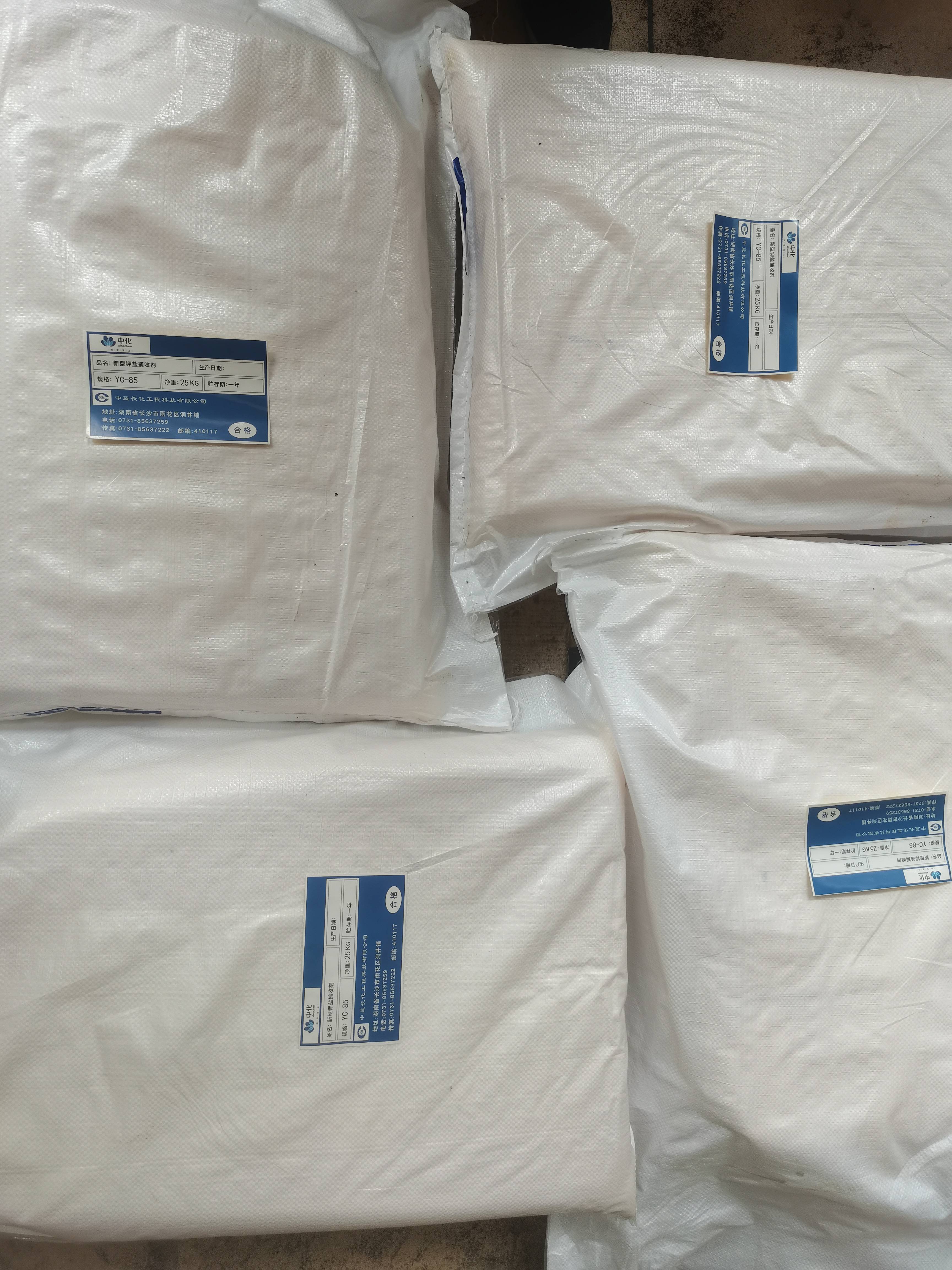
New Environmentally Friendly Green Potassium Salt Collector
Chonfar Engineering and Technology Co., Ltd.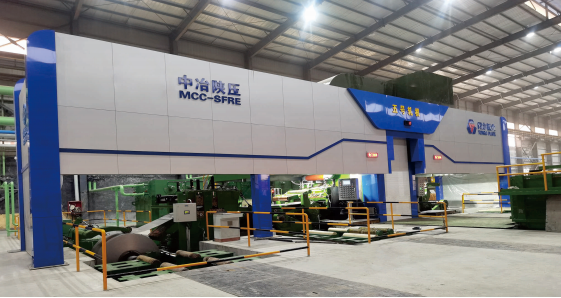
1050-1750mm Steel Strip Single-stand Reversible Cold Rolling Production Line
MCC-SFRE HEAVY INDUSTRY EQUIPMENT CO., LTD.
Integrated Excavation and Anchoring Machine (EJM Series)
China Railway Construction Heavy Industry Corporation Limited