Indonesia Mandates B50 Biodiesel from July 2026
en.Wedoany.com Reported - The Indonesian government has issued a regulation mandating the use of B50 diesel from July 1, 2026, a move aimed at accelerating the promotion of biofuels and addressing energy security challenges.

The regulation provides a three-month transition period for distributors and gas stations to sell off remaining inventory. Under the new rules, all diesel sold in the country will consist of 50% biodiesel produced from palm oil and 50% mineral diesel. According to Reuters, the decision is partly driven by recent instability in the international oil market and escalating conflicts between the United States, Israel, and Iran. Previously, the country implemented a B40 policy, which involved adding 40% biodiesel to conventional diesel.
Although Indonesia's move is notable for its high blending ratio, Brazil remains the world benchmark for biodiesel in road transport. Since August 2025, diesel sold in the country has contained 15% biodiesel (B15), a ratio considered the highest mandatory requirement for such fuels among major global economies. The industry had expected Brazil to advance to B16 in March of this year, but the increase was postponed, and the ratio remains unchanged.
Blending ratios in other countries remain far lower than Brazil's. In Argentina, diesel contains 5% biodiesel, primarily from soybeans. Colombia's blending ratio is 10%. In the United States and Canada, the national average ranges between 3% and 4%, although some states such as California, Oregon, and Minnesota use blending ratios of B5 to B20 in specific programs. In India, biodiesel usage is approximately 0.5%, but the government has set a target of achieving 5% blending by 2030. In the European Union, most countries have blending ratios close to 7%.
Beyond reducing carbon emissions, the advancement of biofuels is also driven by energy security concerns. Recent geopolitical conflicts and fluctuations in international oil prices have highlighted the importance of diversifying energy sources and reducing dependence on imported fossil fuels. In this context, agricultural powerhouses such as Brazil and Indonesia see a strategic opportunity in biofuels to consolidate their economies, add value to agricultural production, and expand the share of renewable energy in the transportation sector. Experts emphasize that the global expansion of biofuels will continue to depend on a balance between agricultural production, environmental protection, technological investment, and public policy.
Related Products


G.652.D Wavelength-extended Non-dispersion Shifted Single-mode Optical Fiber
HONGAN GROUP CO., LTD.
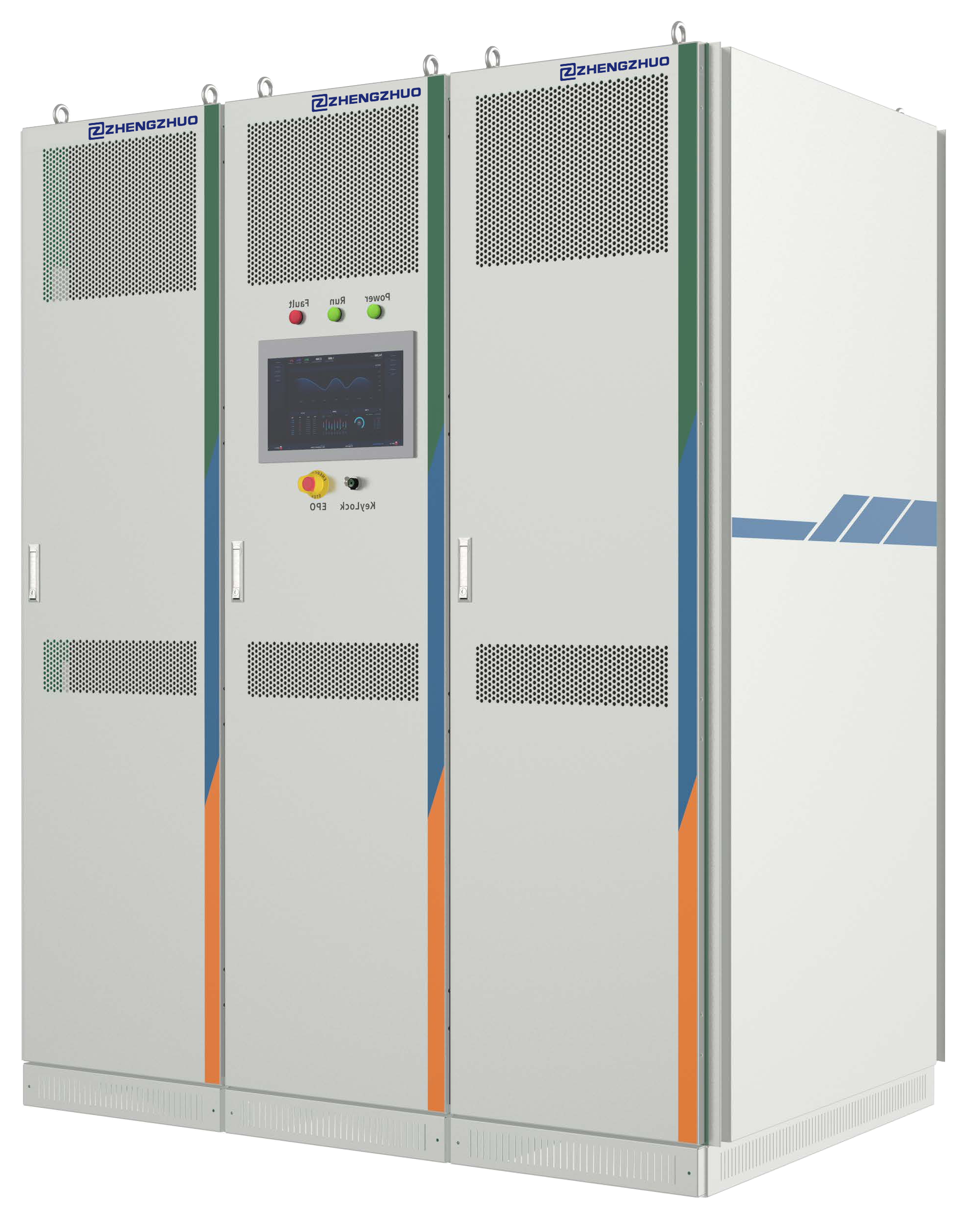
IGBT Hydrogen Production Power Supply - High Power Air Cooling
Beijing Zhengzhuo Engineering Technology Co., Ltd.
Modular Multifunctional Water Supply and Drainage Vehicle (18T)
Changsha Dewater Machinery Technology Co., Ltd.
Quick-Change Single-Seat Control Valve / Quick-Change High-Pressure Single-Seat Control Valve
Beijing Consen Automation Technology Co., Ltd.