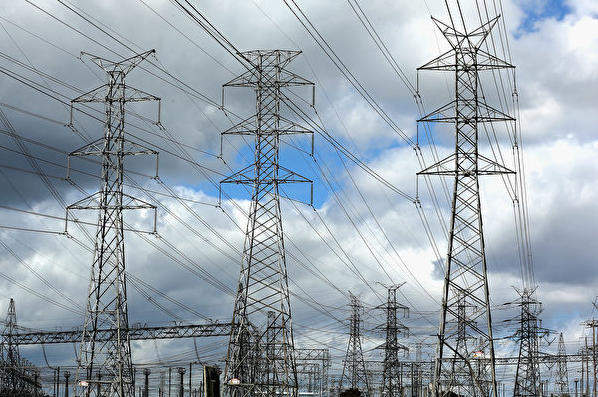
University of Jaén Develops Low-Cost Grid Analyzer for Real-Time Fault Location
en.Wedoany.com Reported - A team of scientists from the University of Jaén (Universidad de Jaén) has designed a low-cost device for real-time location of current faults. The device combines an electronic circuit installed directly in the electrical panel with a free, open-source computer program, capable of automatically sending accumulated data to the internet 24/7 to inspect the status of residential and industrial facilities. Unlike conventional meters, which are expensive and display information with a delay, this alternative operates continuously for 24 hours.
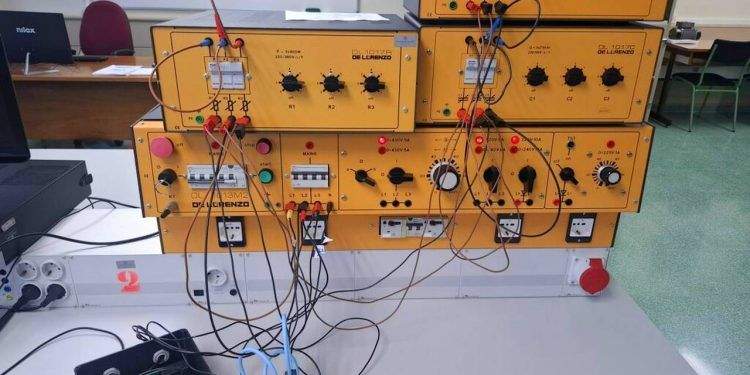
The model operates completely autonomously, even in remote areas without traditional internet connections or wireless telephone networks. The system uses a high-coverage communication protocol with extremely low power consumption and continuously transmits parameters. Technicians or business owners can check their power supply status via computer. The main advantage lies in detecting small problems early before they cause power outages or damage machinery, ultimately enabling more efficient energy management.
Today, devices such as car chargers and LED bulbs inject current harmonics into the grid, leading to energy losses, unexpected power outages, and cable heating. Equipment sold by major brands to control these issues is expensive and does not provide instant alerts. This new grid analyzer offers real-time data at a very low manufacturing cost. The secret to its economic efficiency lies in using standard electronic components available at any electronics store. Researchers designed a compact structure with two independent parts: one measures line voltage, and the other measures current intensity. The internal program collects thousands of data points per second and applies mathematical software to filter out noise signals. All information is uploaded to a web server and can be viewed in real time via a mobile application.
Real-time data enables factory managers to take swift action to correct power issues before disasters occur. Current distribution networks require this real-time capability to avoid overloads due to consumption peaks. The open-source software design allows any programmer to adjust menu functions according to company needs. Since there are no contracts or monthly fees to pay to multinational corporations, the device maintenance cost is zero.
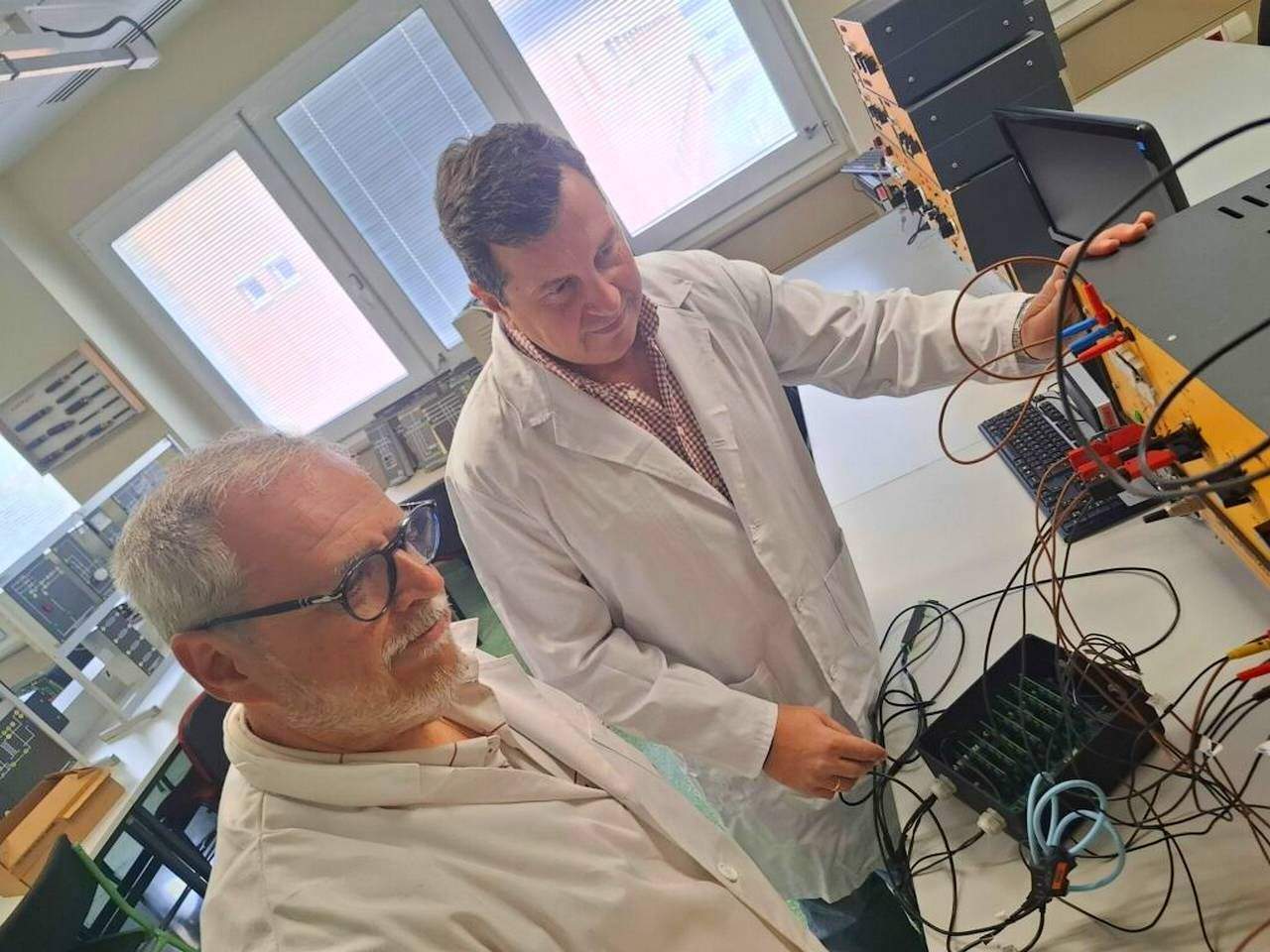
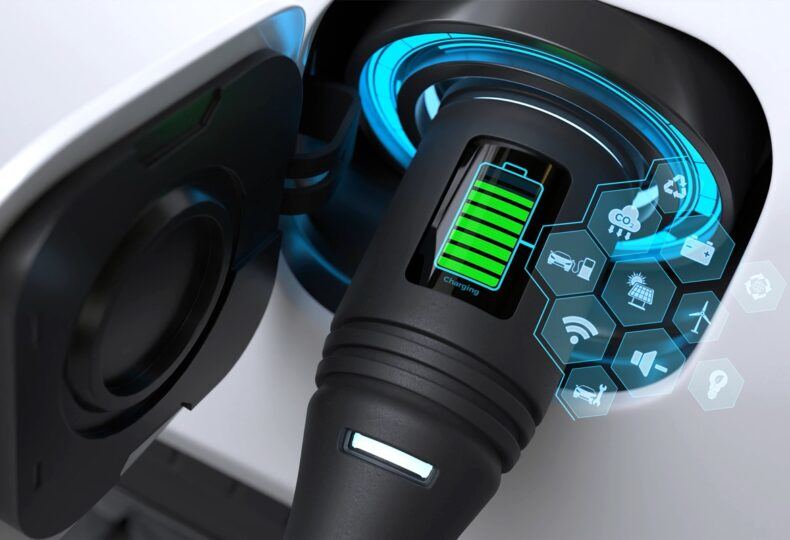
The project authors tested the device in a real-world environment at 36 vehicle charging points within their university. Over an entire month of testing, the device recorded voltage variations with the same accuracy as professional meters. The study showed that when all battery chargers operate simultaneously, they themselves introduce significant imbalances into the line. This experiment confirmed the necessity of having inexpensive tools to monitor the impact of these new consumptions.
The selected wireless technology, LoRaWAN, provides enterprises with very important additional security by using private data channels. This advantage prevents external personnel from entering the computer system or remotely controlling the meter. The University of Jaén team is already developing program updates to detect higher frequencies and smaller electrical noises. These rapid changes can damage modern computers, so early prevention will save thousands of computer devices.
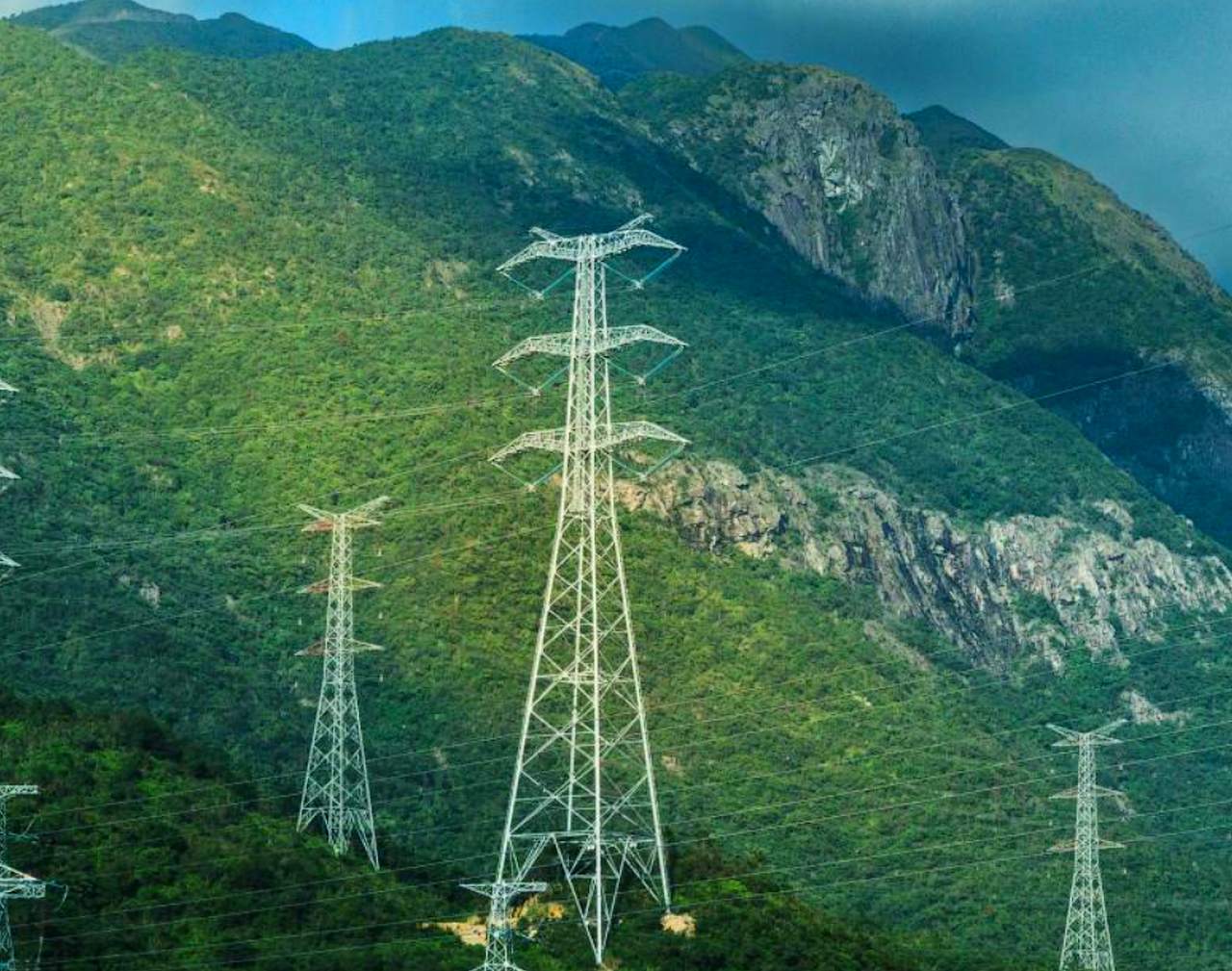
The device helps facilities receive energy cleanly from solar panels or wind turbines. Since these are variable generation sources, renewable energy can severely disrupt current stability if not controlled in real time. Distribution companies can use this invention to inspect their rural lines without sending operators to drive to mountainous areas. Additionally, small businesses can afford lighting control, which was previously beyond their financial reach for these technologies.
This work was supported by the Department of University, Research and Innovation of the Regional Government of Andalusia (Consejería de Universidad, Investigación e Innovación de la Junta de Andalucía). The public administration funded the project through an excellence program dedicated to improving national power transformers. The success of the charging point tests has opened the door to industrial production of this circuit. The laboratory will share hardware drawings so that small and medium-sized enterprises in Andalusia can freely manufacture and sell them.

Any authorized installer can mount this protective device in a residential electrical panel within minutes. There is no need to replace old cables or undertake expensive construction on the electrical structure of a home or commercial building. Since it prevents faults caused by storms or voltage dips, the material investment can be recovered within the first few months. The feasibility of this Andalusian design lies in solving complex technical problems with simple and commonly used materials.
The cloud database stores very useful historical records that can be used to claim economic compensation from large power companies. If a voltage dip damages a motor, the owner has an official document proving the fault lies with the external power supply. This balance of power protects small consumers against energy market giants using open technology. This design proves that university laboratories can solve real-world problems with very limited budgets.
Related Products
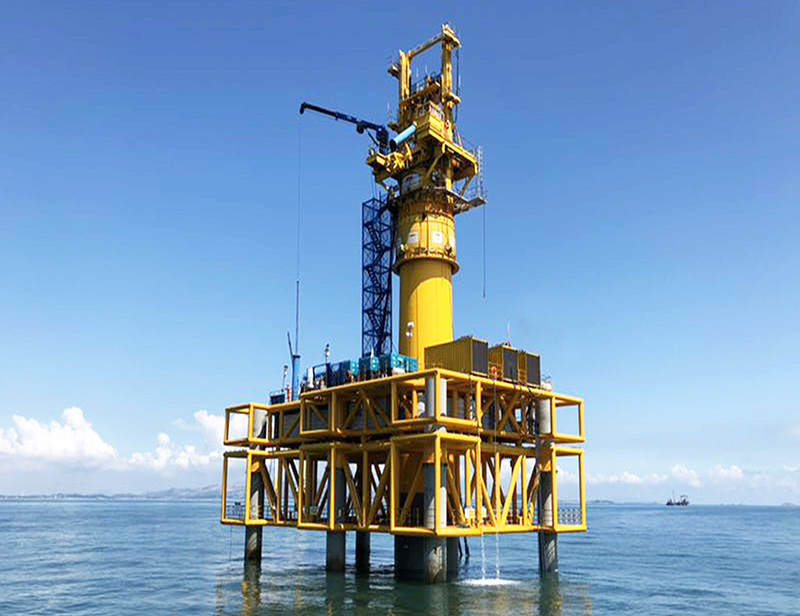

CITIC Heavy Industries Offshore Wind Power Equipment Hydraulic Pile Hammer
CITIC Heavy Industries Co., Ltd.
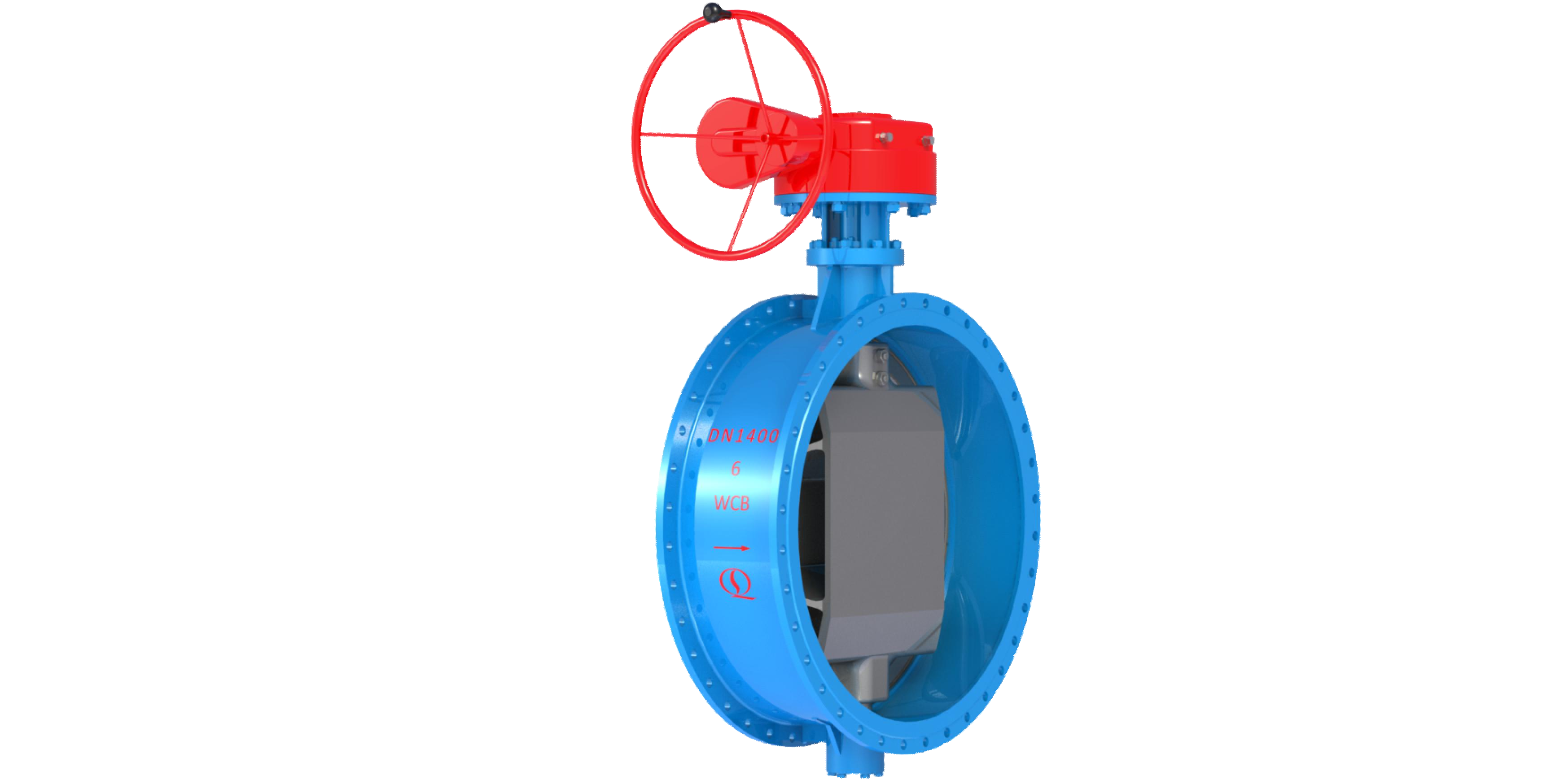
Bidirectional Metal Hard Sealed Seawater Butterfly Valve
Henan Quanshun Flow Control Science & Technology Co., Ltd.
40.5kV-1100kV Gas Insulated Metal-Enclosed Switchgear (GIS)
Henan Pinggao Electric Co., Ltd.

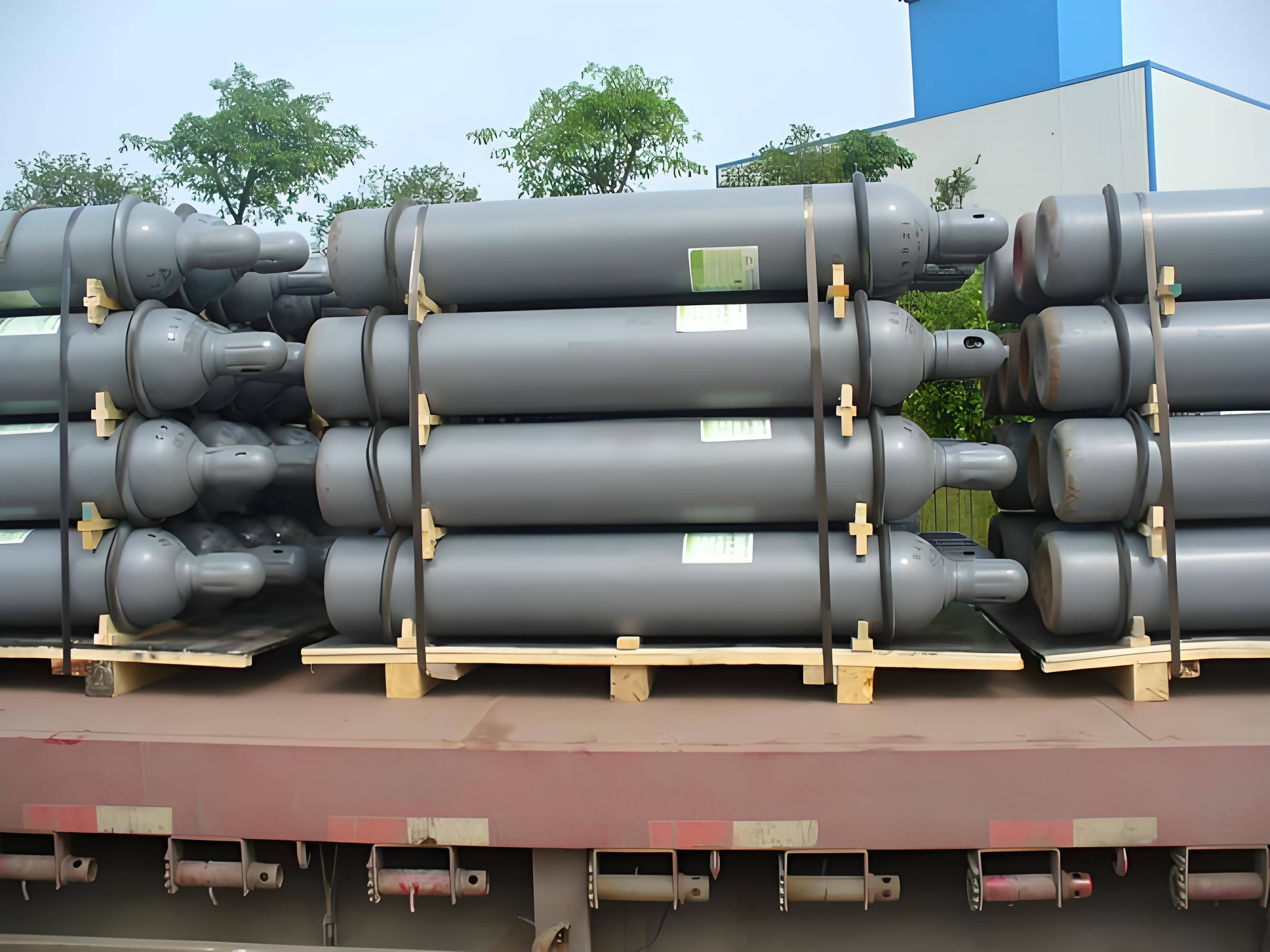
Global Sulfur Hexafluoride Gas Supply and Cylinder Export
Foshan Yuexin Industrial Gas Co., Ltd.