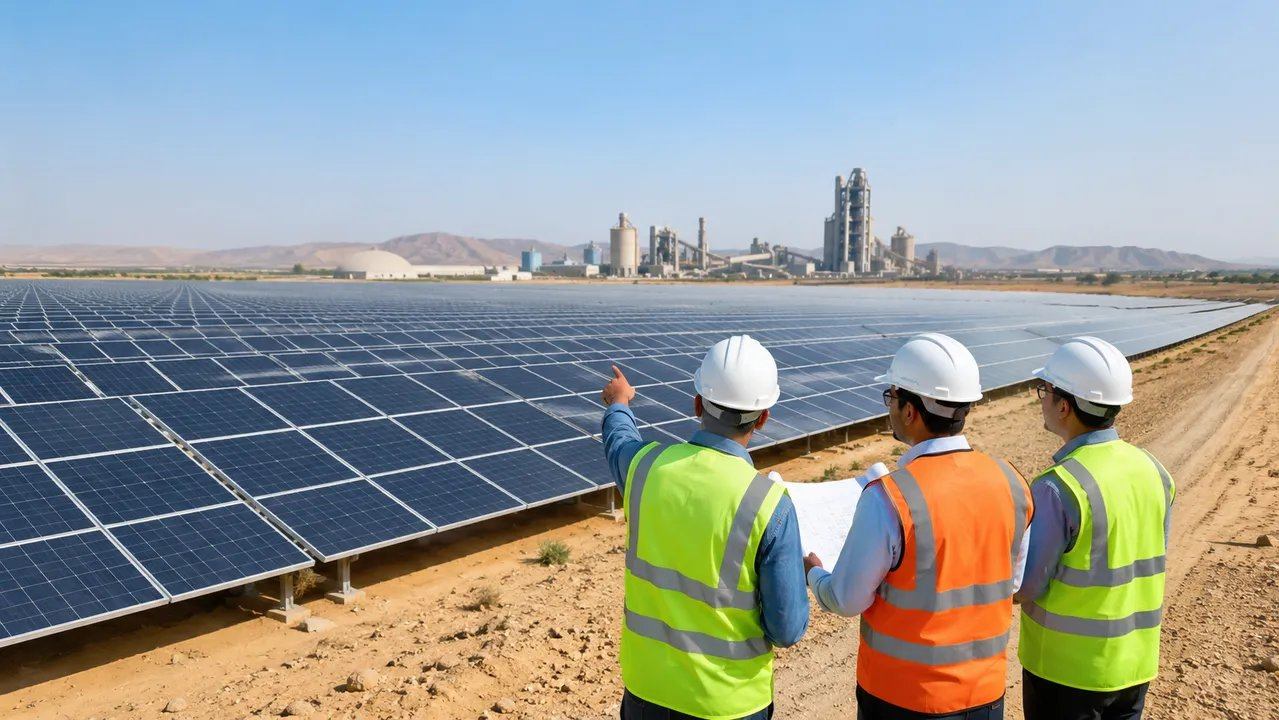
Spanish Catalonia Property Tax Incentives Boost Solar PV Installations by 34% to 50%
en.Wedoany.com Reported - A study by the University of Barcelona shows that property tax incentives introduced by municipalities in Catalonia have effectively promoted the installation of residential solar photovoltaic systems. The study, titled "Municipal tax incentives and solar PV adoption: Causal evidence from Catalonia," is set to be published in the August issue of the journal Resource and Energy Economics.
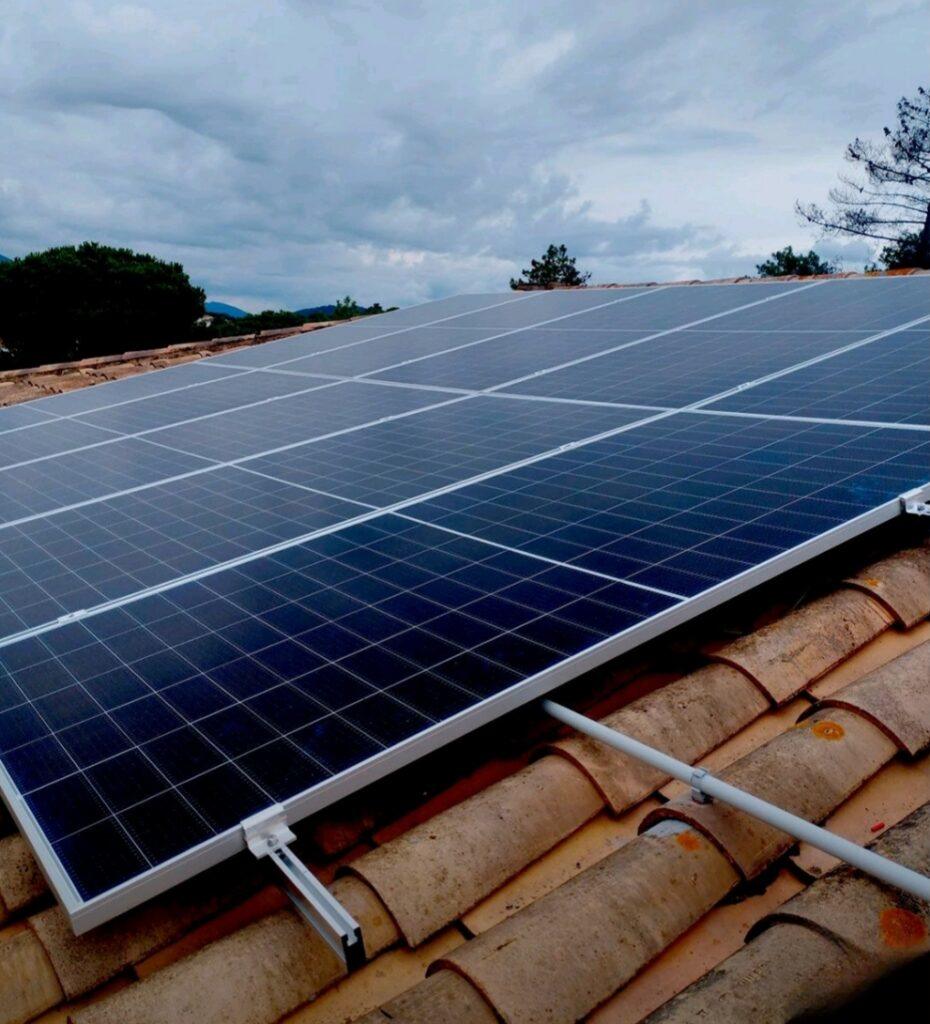
Using data from 398 municipalities in Catalonia between 2015 and 2022, the research team conducted the first causal evaluation of the effectiveness of this tax instrument. To distinguish the actual policy impact from other factors influencing solar energy expansion, the researchers employed a Difference-in-Differences (DiD) econometric method adapted for the gradual rollout of municipal incentive policies.
The results show that property tax incentives have a positive and statistically significant effect on the adoption of photovoltaic systems. Municipalities that implemented these incentives installed 34% to 50% more photovoltaic capacity than those that did not, and additionally installed approximately one more system per municipality per month.
However, the study analyzed the so-called "additionality," i.e., the proportion of installations truly driven by the tax incentive, and concluded that only 32% to 35% of subsidized installations can be directly attributed to the property tax benefit. This means that about two-thirds of homeowners would have installed photovoltaic systems even without the subsidy.
The study also analyzed whether the incentive effect varied by municipal characteristics. Overall, the results showed clear homogeneity, with the incentive playing a positive role in almost all analyzed scenarios. However, slightly higher responses were observed in municipalities with higher income levels and those dominated by single-family homes or low-rise buildings, conditions that are technically and economically more favorable for rooftop photovoltaic installations.
In comparison with existing support mechanisms in other countries, although most literature focuses on direct subsidies or national tax credits, this study demonstrates that instruments managed entirely by local governments can also have a significant impact on renewable energy investments.
Overall, property tax incentives are a useful tool for promoting self-consumption of photovoltaic energy, but there is still room for improvement in their efficiency. The authors conclude that more precisely targeting incentives toward households that truly rely on economic support to make decisions could significantly reduce the cost per ton of CO₂ avoided and improve the performance of public resources allocated to decarbonization.
Related Products



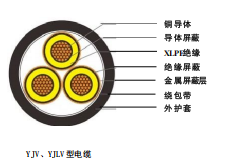
Rated Voltage 6-35kV Cross-linked Polyethylene Insulated Power Cable
TONGDING INTERCONNECTION INFORMATION CO., LTD.
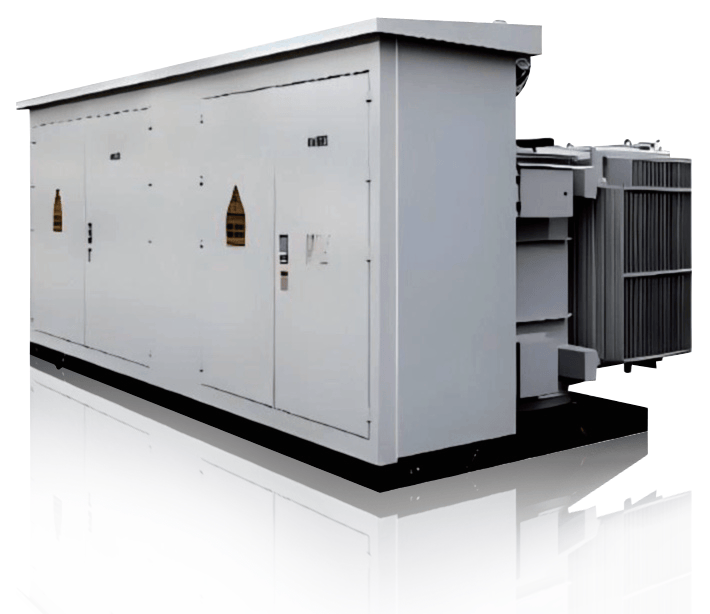
H-40.5/0.4~1.14kV New Energy Power Generation Dedicated High Voltage/Low Voltage Prefabricated Substation
XJ (Xiamen) Intelligent Power Equipment Co., Ltd.

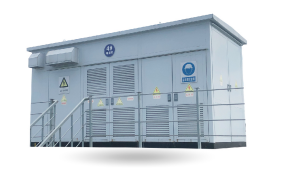
Smart Photovoltaic Prefabricated Substation
Shanghai Jinyou Jinhong Intelligent Electric Co., Ltd.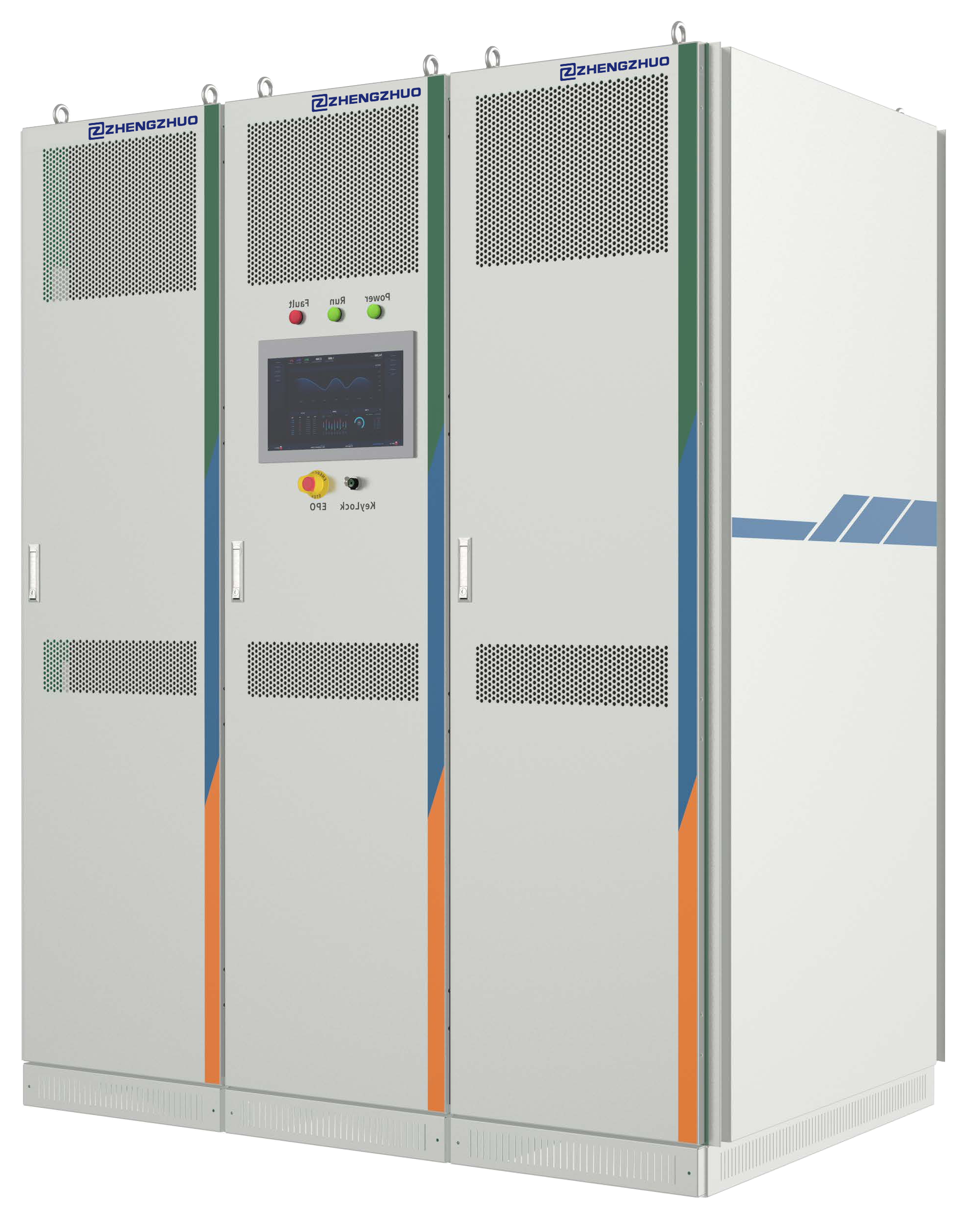
IGBT Hydrogen Production Power Supply - High Power Air Cooling
Beijing Zhengzhuo Engineering Technology Co., Ltd.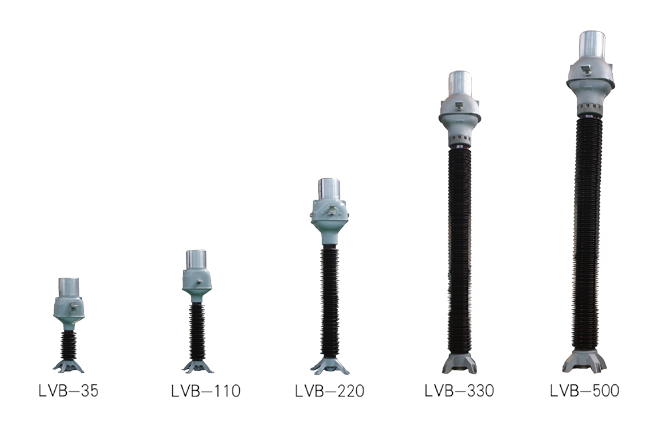
LVB Series 35-500kV Oil-immersed Inverted Current Transformer
Shandong TaiKai Instrument Transformer Co., Ltd.
40.5kV-1100kV Gas Insulated Metal-Enclosed Switchgear (GIS)
Henan Pinggao Electric Co., Ltd.