Chile's National Mining Association Identifies 19 Mining Districts and Proposes Regional Planning in June
en.Wedoany.com Reported - Chile's National Mining Association (Sociedad Nacional de Minería, SONAMI) released a new edition of its territorial study, identifying 19 mining districts nationwide, of which 13 are active production zones and 6 are potential zones associated with projects at various stages of development. These areas primarily cover copper, lithium, iron, gold, and polymetallic deposits. The analysis focuses on coordinating elements such as infrastructure, permits, water, energy, and logistics to promote industry planning based on territorial units that transcend administrative boundaries.
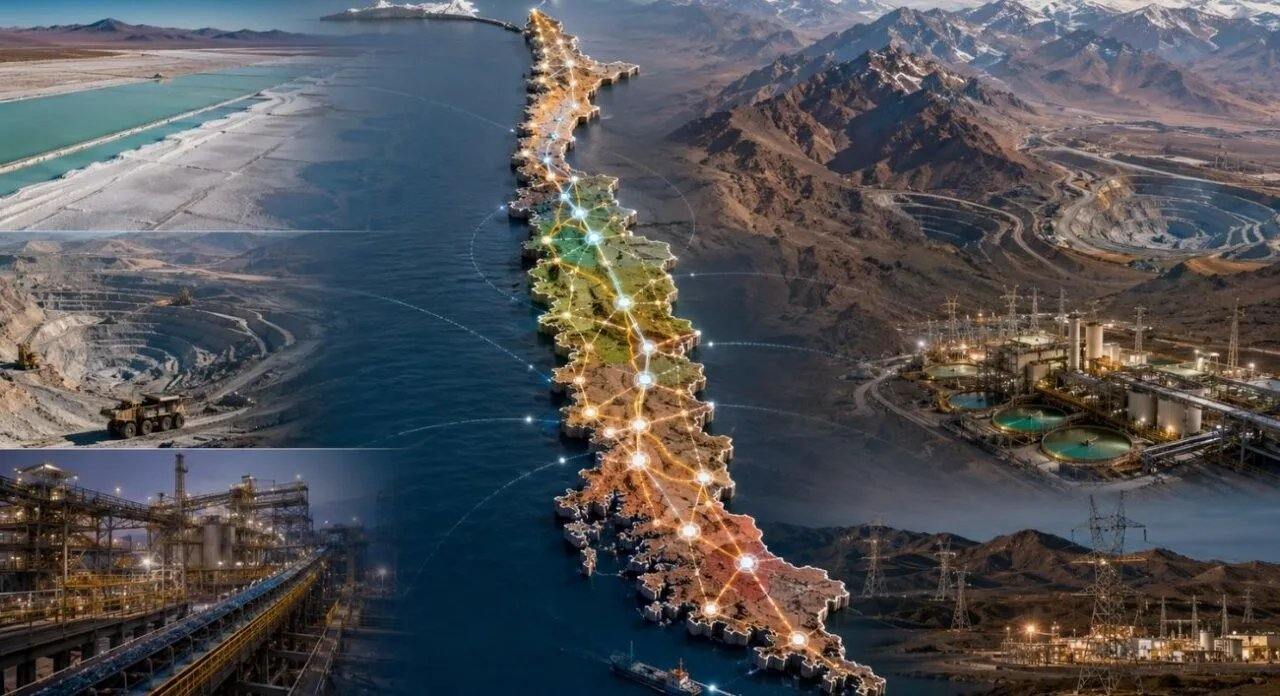
The zoning proposal put forward by the association is part of the second edition of the study "Production Zones and Potential Zones for Mining Development in Chile." This research report, prepared by SONAMI's Mining Studies and Documentation Center (Centro de Estudios y Documentación Mineros, CEMS), was published in June 2026. The study provides a technical basis for industry analysis, considering not only region, company size, or mineral type, but also the concentration of actual production, investment, employment, infrastructure, and geological potential.
The new edition expands on the zoning proposal of the first edition and incorporates new methodological variables. These include equivalent production for standardizing different minerals, investment and capital expenditure data based on the Capital Goods Corporation (Corporación de Bienes de Capital, CBC), as well as indicators for infrastructure, employment, small-scale mining, and 2030 projections. SONAMI stated in its official release that the study's objective is not to formulate business strategies for individual companies, but to provide material for discussions on public policy and industry planning.
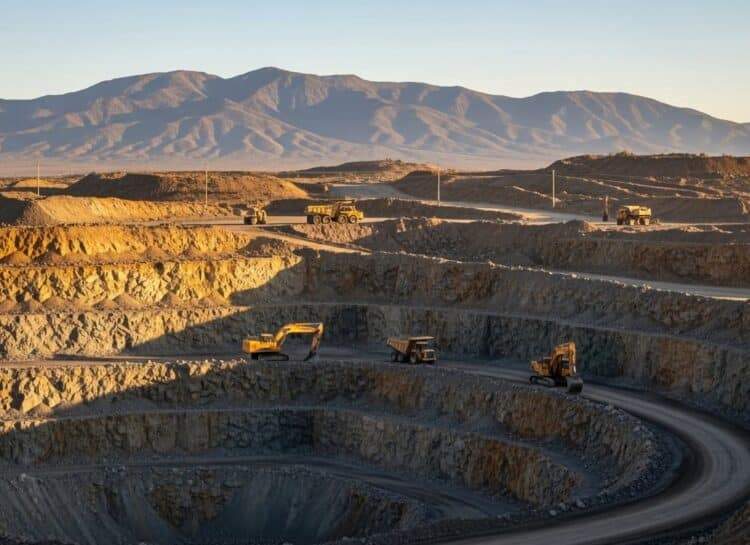
The classification system clearly distinguishes between production zones and potential zones: the former reflects the current structure of Chile's mining industry, while the latter primarily includes projects under development that could form new activity centers. In SONAMI's mapping, areas related to large copper operations, lithium districts, iron ore centers, medium-scale mining corridors, and polymetallic project zones appear. Copper remains the main axis of the mining matrix, with 2025 production data for each zone including: Los Colorados with 1.419 million tons of copper, Distrito Norte with 797,000 tons, Pampa Lina with 658,000 tons, Pica with 597,000 tons, Andina-Los Bronces with 346,000 tons, Sewell with 311,000 tons, and Choapa with 306,000 tons.
Lithium is concentrated in the Salar de Atacama District (Distrito Salar de Atacama), with the report recording 2025 production of 298,088 tons of lithium carbonate equivalent (LCE), involving SQM and Albemarle. For iron, Copiapó recorded 4 million tons of production, Huasco 2.5 million tons, and El Tofo 1 million tons. Other minerals include iodine, nitrates, salt, and sulfuric acid in specific northern zones of the country. Notably, the 2025 production table does not include future output from projects, so potential zones such as Salares, Maricunga, or El Tofo may show zero or limited production.
In terms of investment data, Distrito Norte leads with USD 30.244 billion, followed by Los Colorados with USD 22.748 billion, Pampa Lina with USD 21.775 billion, Pica with USD 13.575 billion, and Andina-Los Bronces with USD 12.345 billion. These figures integrate executed investments from 2010 to 2024 and projected investments from 2025 to 2040, adjusted to values as of December 31, 2025. Employment indicators show Pampa Lina employing an average of 36,044 workers, Los Colorados 31,824, Pica 28,284, Copiapó 14,218, Choapa 13,830, and Distrito Norte 9,556.
Infrastructure conditions show significant variation between zones. Some zones have rail connections, such as the FCAB in the north or the Red Troncal Norte in the Atacama and Coquimbo regions, while zones like Salares, Maricunga, Vicuña, and Andina-Los Bronces lack direct rail links. Water availability also imposes different constraints on each zone: Pica records an available water flow of 1,300 liters/second, Distrito Norte 1,500 L/s, Pampa Lina 2,865 L/s, Los Colorados 3,858 L/s, Copiapó and Andina-Los Bronces both 500 L/s, while several potential zones show no available water network.
The study also reveals differentiated territorial patterns between market segments. Large-scale mining tends to be located at higher altitudes and in remote areas, requiring high capital expenditure for roads, camps, water supply, energy, and support infrastructure, necessitating economies of scale to make large investments viable. In contrast, medium and small-scale mining is more frequently concentrated in coastal areas, valleys, and regions close to existing infrastructure. SONAMI identified six zones composed almost entirely of medium-scale mining operations: Tamarugal, Chango López, Mina Vieja, Copiapó, Andacollo, and Aconcagua.
Additionally, the Vicuña District (Vicuña), one of the most representative cases among potential zones, brings together projects such as Caserones, Los Helados, Josemaría, Lunahuasi, and Filo del Sol, containing copper, gold, and silver resources at various stages of development. SONAMI describes it as a territorial configuration of productive importance and notes the need to discuss the zone's connection to the Argentine side and the possibility of utilizing Chilean infrastructure for access to the Pacific Ocean. The study also includes a specific case application for the Andina-Los Bronces District, which encompasses operations by Codelco and Anglo American on the Río Blanco-Los Bronces mineralized system. The study suggests that operational integration and infrastructure sharing could improve investment efficiency and competitiveness while reducing the territorial footprint, but implementation may face regulatory and legal constraints.
The industry generally believes that the success of Chile's future project portfolio depends not only on ore grades, resources, or international prices, but also significantly on enabling infrastructure, water, energy, logistics, and permitting processes with predictable timelines. SONAMI's zoning proposal raises a fundamental discussion for Chilean mining: how to move from a project portfolio to territorial planning capable of supporting production, employment, and investment. The next challenge lies in how this zoning perspective coordinates with environmental permitting, public infrastructure, water availability, power transmission, ports, railways, processing plants, and differentiated policies for large, medium, and small-scale mining. For the industry, the signal is clear: Chile's mining competitiveness will increasingly depend on coordinating entire regions, not just individual projects.
Related Products
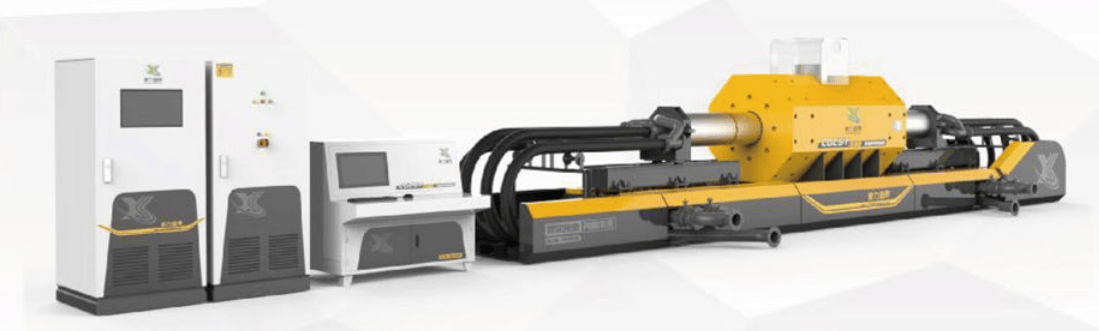

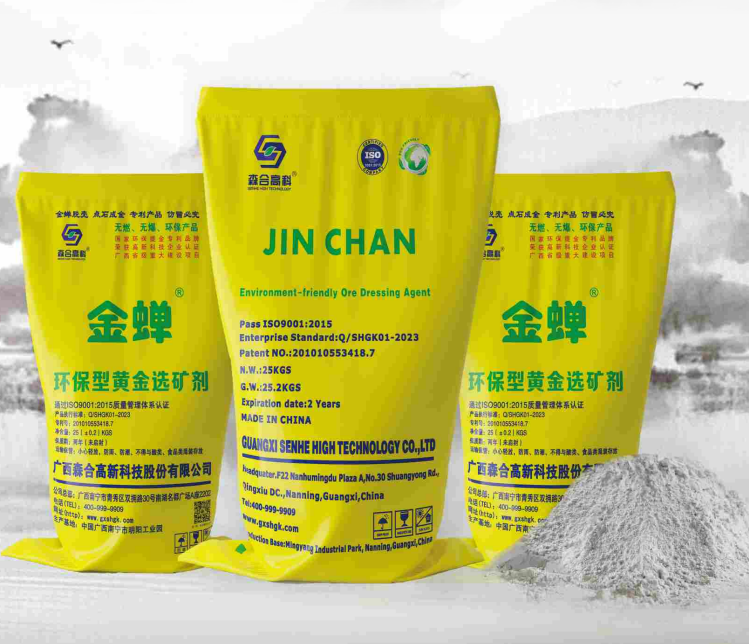
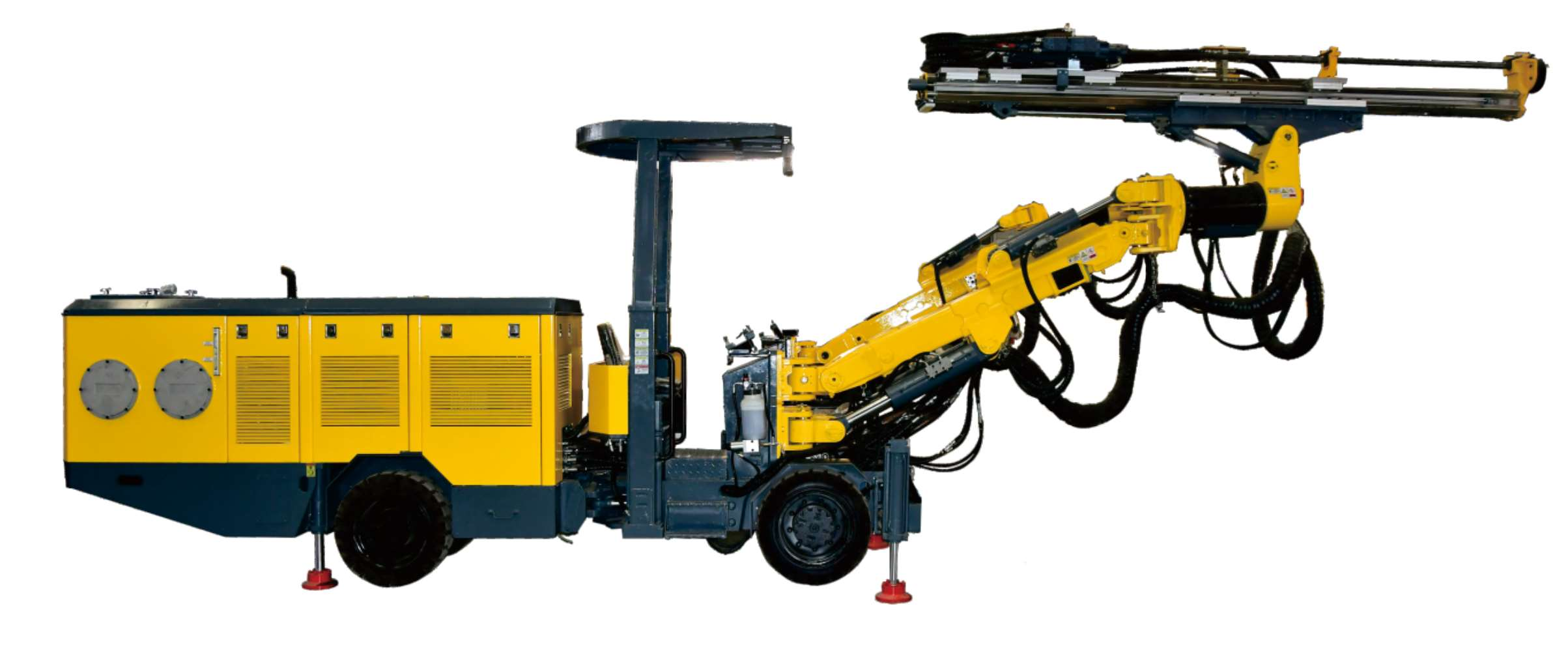
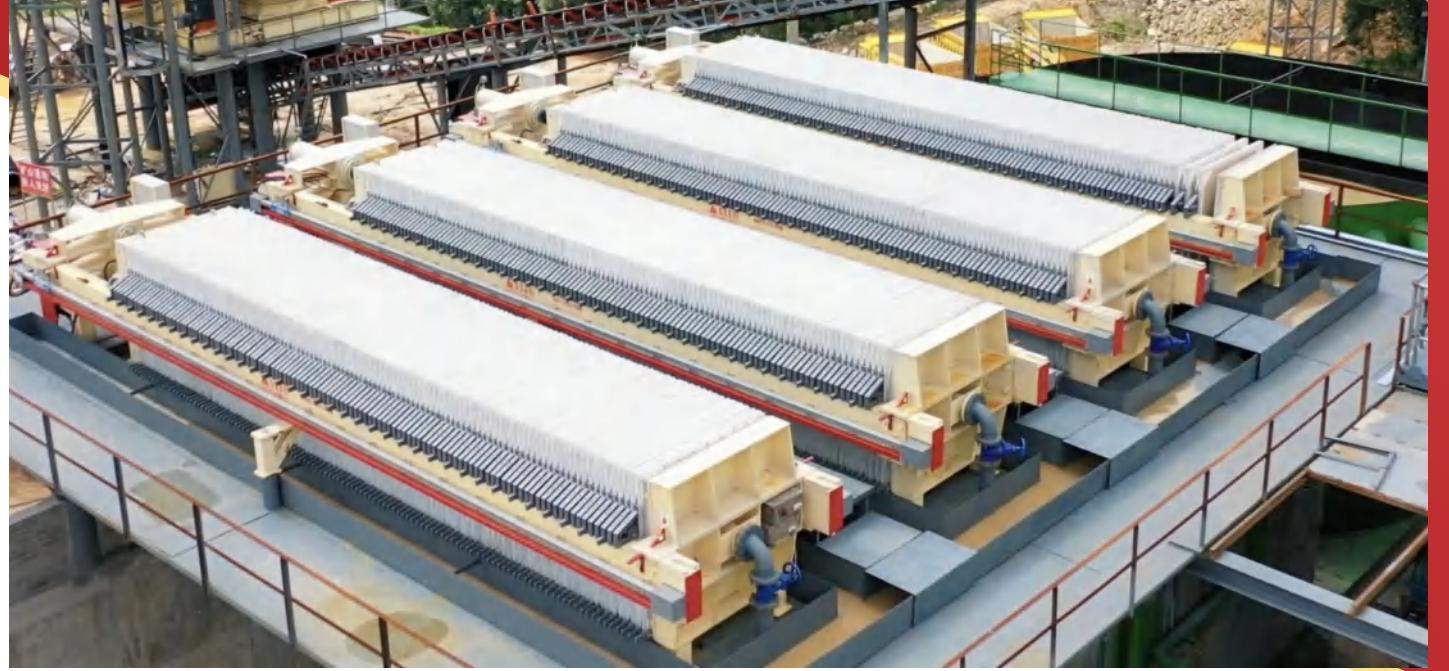
Hydraulic Plate and Frame Filter Press
Guangdong Leimeng Intelligent Equipment Group Co., Ltd.
High-temperature Equal Wall Thickness High-power Screw Drilling Tool
Orient Energy & Technologies Co., Ltd.
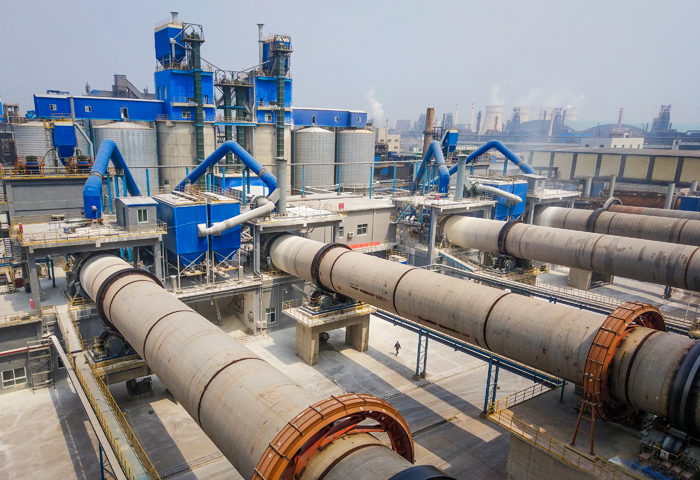
CITIC Heavy Industries Metallurgical Equipment Steel Smelting Engineering Equipment
CITIC Heavy Industries Co., Ltd.
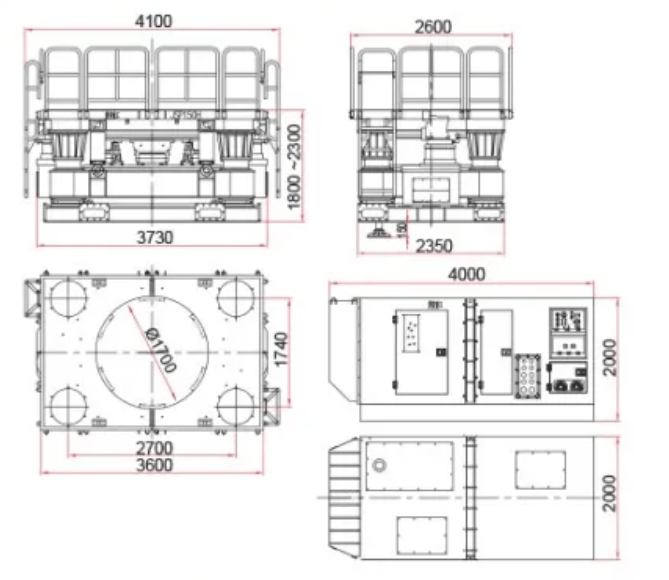

Industrial and Commercial Point-Type Gas Detector
Jinan Benan Technology Development Co., Ltd.