Japan Plans to Deploy Approximately 10 Million Robots by 2040
en.Wedoany.com Reported - Japan's Ministry of Economy, Trade and Industry has released a revised national robot strategy, planning to deploy approximately 10 million robots nationwide by 2040.
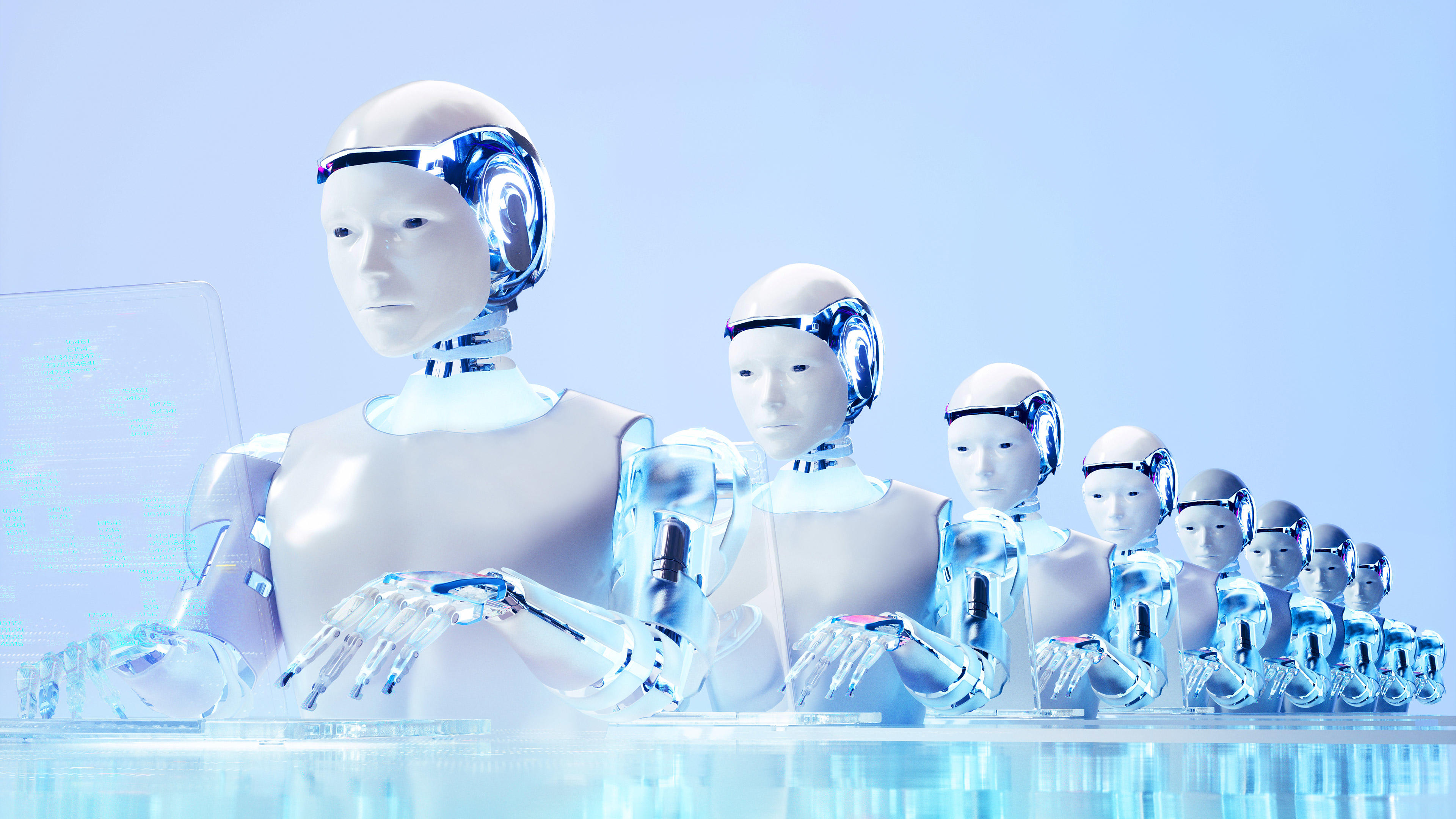
Minister of Economy, Trade and Industry Ryosei Akazawa announced the plan, adding food manufacturing and medical care to the original priority areas, bringing the total number of covered fields to 18. The government will rapidly establish a core AI robot center to support nationwide deployment, research and development, and workforce training.
Officials believe this center is crucial for helping companies, especially those already facing labor shortages, to adopt robots on a large scale in the coming years. A key pillar of the strategy is Noetra—a domestically developed multimodal foundation model in Japan, which progresses in tandem with a project focused on physical AI at the National Institute of Advanced Industrial Science and Technology. Majority equity in Noetra is held by SoftBank, NEC, Sony Group, and Honda, while Fujitsu and Rakuten are reportedly still considering whether to join the consortium.
Akazawa stated that data accumulated from elderly care, disaster response, manufacturing sites, and the decommissioning process of the Fukushima Daiichi Nuclear Power Plant serves as the foundation of confidence for the government's strategy. He believes the global competition has shifted to a contest for accessible datasets rather than a mere comparison of raw computing power, and Japan's data-accumulation-based approach will become a key winning factor. The government plans to build a data infrastructure for physical AI and robots that reflects the country's industrial strengths, leveraging decades of experience operating machinery in hazardous or labor-scarce environments.
Officials have confirmed cooperation agreements with research institutions in the United States, Canada, France, and the United Kingdom to support the development of the foundation model. Under the plan, the technology will be widely available to Japan's artificial intelligence developers, businesses, and end users across multiple industries and regions. Informed officials revealed that some companies are expected to use this platform as a basis to expand into overseas markets in the coming years. Akazawa also linked the strategy to broader regional revitalization, encouraging AI-driven transformation in areas outside Japan's major cities to avoid excessive growth concentration in Tokyo.
Japan's aging population and restrictive immigration policies continue to cause labor shortages across various industries, with traditional recruitment struggling to fill numerous job vacancies. Policymakers increasingly view automation as a viable solution to this challenge. Supporters often point out that robots fill roles that are difficult for human workers to undertake, rather than directly replacing existing employees. Consequently, the revised strategy incorporates medical care duties, as well as covering national food production and beverage manufacturing. South Korea also announced a similar robot plan this week, adding a competitive dimension to the regional landscape, as both countries advance their sovereign AI capabilities. Whether these goals can be achieved will depend more on sustained investment, technological progress, and broad public acceptance domestically.
Related Products


CAP1400 main feedwater flow nozzle flowmeter.
Jiangsu Hongda Instrument Technology Co., LTD.
Standard Nozzle Flowmeter
Jinggong Automatic Control Instrument Complete Technology Development Company

Strip Coating and Plating Production Line Equipment
MCC-SFRE HEAVY INDUSTRY EQUIPMENT CO., LTD.