Wedoany.com Report-Apr. 21, On April 18, 2025, the United States announced new fees for Chinese-built ships docking at American ports, effective from October 14, 2025. The measure applies regardless of ownership and introduces a tiered fee structure based on vessel type and size, with adjustments planned through 2028.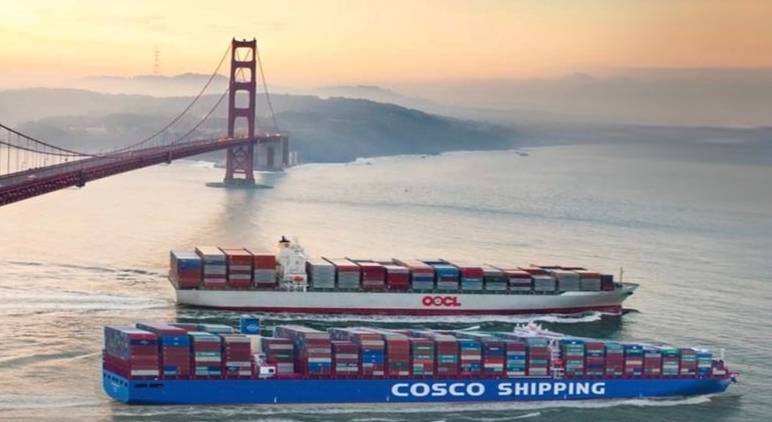
Non-Chinese shipowners will face fees calculated as the higher of two options: a tonnage-based fee starting at $18 per net ton in October 2025, rising to $33 by April 2028, or a container-based fee beginning at $120 per container discharged, increasing to $250 by April 2028. For non-U.S.-built ships carrying vehicles, a fee of $150 per vehicle will apply. Fees are capped at one charge per voyage, with a maximum of six charges annually.
Chinese shipowners will incur higher charges, starting at $50 per net ton in October 2025, with an annual increase of $30 per ton for three years. For large container ships, such as those operated by COSCO and OOCL with around 13,000 TEU, fees could reach significant amounts, as noted by Lars Jensen of Vespucci Maritime.
Exemptions include smaller vessels, domestic voyages, and specific routes like the Caribbean and Great Lakes. Empty bulk carriers loading U.S. exports, such as wheat or soybeans, and container ships under 4,000 TEU are also exempt. Temporary fee suspensions, up to three years, may be granted for owners ordering U.S.-built ships of equivalent or greater tonnage.
Additionally, LNG carriers must transport 1% of U.S. LNG exports on U.S.-built, operated, and flagged vessels within four years, increasing to 4% by 2035 and 15% by 2047. A hearing on May 19, 2025, will address proposed 100% tariffs on ship-to-shore cranes, container chassis, and related parts.
U.S. Trade Representative Jamieson Greer stated: “Ships and shipping are vital to American economic security and the free flow of commerce. The Trump administration’s actions will begin to reverse Chinese dominance, address threats to the U.S. supply chain, and send a demand signal for U.S.-built ships.”
Some industry groups expressed concerns. Nate Herman, senior vice president of policy at the American Apparel & Footwear Association, said: “We are deeply concerned that the newly announced port fees and shipping mandates are destined to have devastating consequences for American workers, consumers, and exporters.”
Analysts at Signal Ocean noted potential challenges, stating: “The short- to medium-term consequences may include rising freight rates, reduced export competitiveness, and shifts in trade routes. Without parallel investments in U.S. shipbuilding capacity and greater policy clarity, the risk of trade disruptions and inflationary pressures will persist.”