Tata Steel Plans to Increase Crude Steel Capacity to Over 40 Million Tons
en.Wedoany.com Reported - Tata Steel reaffirmed on July 6, 2026, its plan to increase domestic crude steel capacity from the current approximately 27.4 million tons to over 40 million tons. The company will strengthen its medium- to long-term competitiveness through a dual-drive approach of capacity expansion and commercialization of low-carbon steelmaking technologies.
In terms of capacity expansion, Tata Steel has outlined a clear roadmap. The company plans to add 4.8 million tons of capacity through its subsidiary Neelachal Ispat Nigam Ltd. (NINL) and 2.5 million tons at the Meramandali steel plant. Additionally, the company plans to build a new greenfield steel plant in Maharashtra with an annual capacity of 6 million tons. In downstream products, Tata Steel plans to increase pipe capacity from 1.7 million tons per year to 4 million tons per year, wire rod capacity from 600,000 tons to 1 million tons, and tinplate capacity from 400,000 tons to 1 million tons. Furthermore, the company plans to build a new hot-rolled pickled and galvanized line with an annual capacity of 700,000 tons to strengthen the supply capability of high-value-added products. In terms of raw material security, the company disclosed that its domestic iron ore production in fiscal year 2025 reached 44 million tons, providing a stable raw material base for capacity expansion.
In terms of low-carbon technology deployment, Tata Steel is accelerating the industrial implementation of multiple cutting-edge technologies. The company is advancing the world's first industrial application of "EASyMelt" technology, which reduces carbon dioxide emissions by partially replacing coke with syngas in blast furnaces, with phased demonstration trials planned for the "E" blast furnace at the Jamshedpur steel plant. Meanwhile, the company also plans to build a demonstration plant for the "HIsarna" smelting reduction technology with an annual capacity of 1 million tons, positioning it as a future direction for carbon-neutral steelmaking.
Additionally, Tata Steel has set long-term low-carbon targets, planning to expand total Indian capacity to 40 million tons by 2030 and achieve 10 million to 15 million tons of crude steel production using recycled scrap within the next 10 to 15 years. The company aims to achieve carbon neutrality by 2045.
By pursuing both capacity expansion and low-carbon technology R&D, Tata Steel aims to seize growth opportunities in the Indian market while building long-term competitiveness for future decarbonization transitions.
Related Products
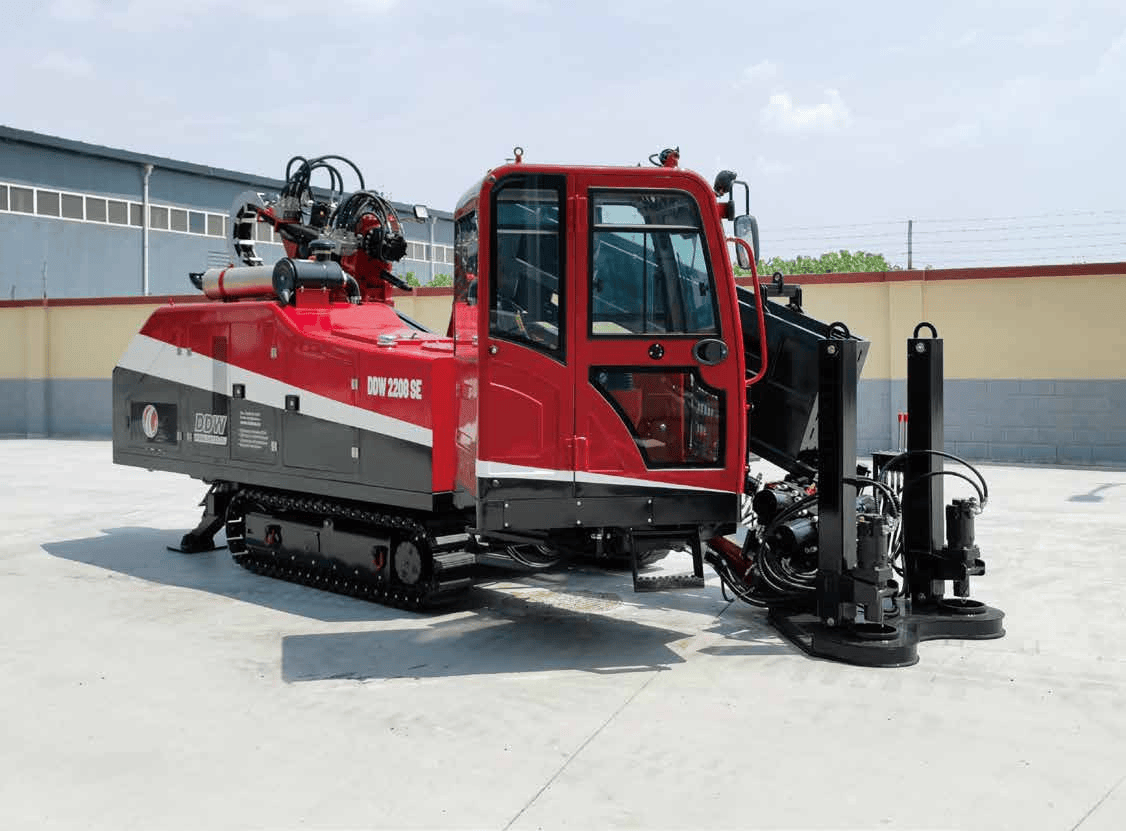

DDW22/08SE-HORIZONTAL DIRECTIONAL DRILL
DW/TXS Construction Equipment (Beijing) Co., Ltd.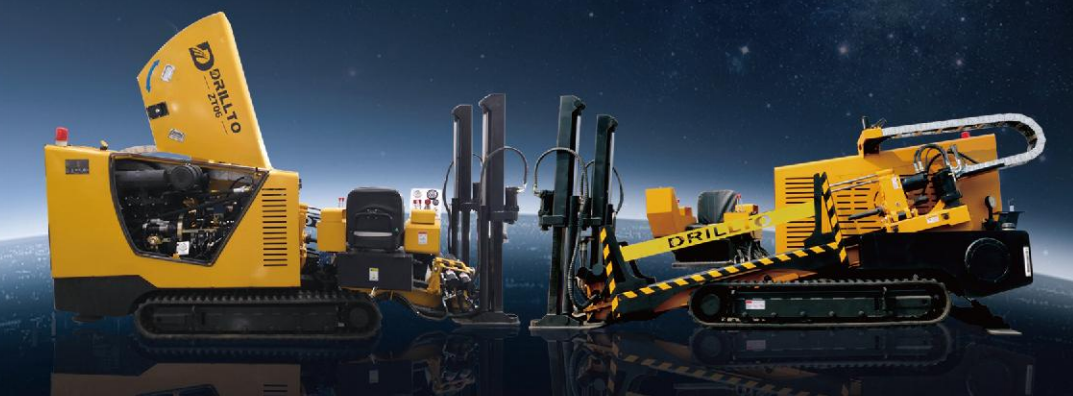
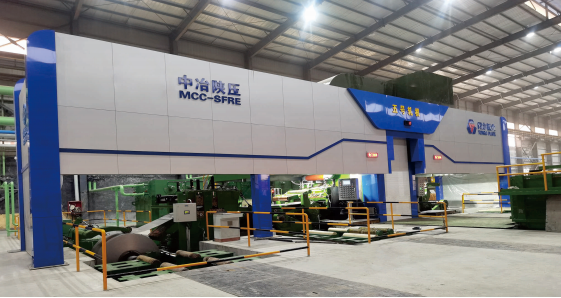
1050-1750mm Steel Strip Single-stand Reversible Cold Rolling Production Line
MCC-SFRE HEAVY INDUSTRY EQUIPMENT CO., LTD.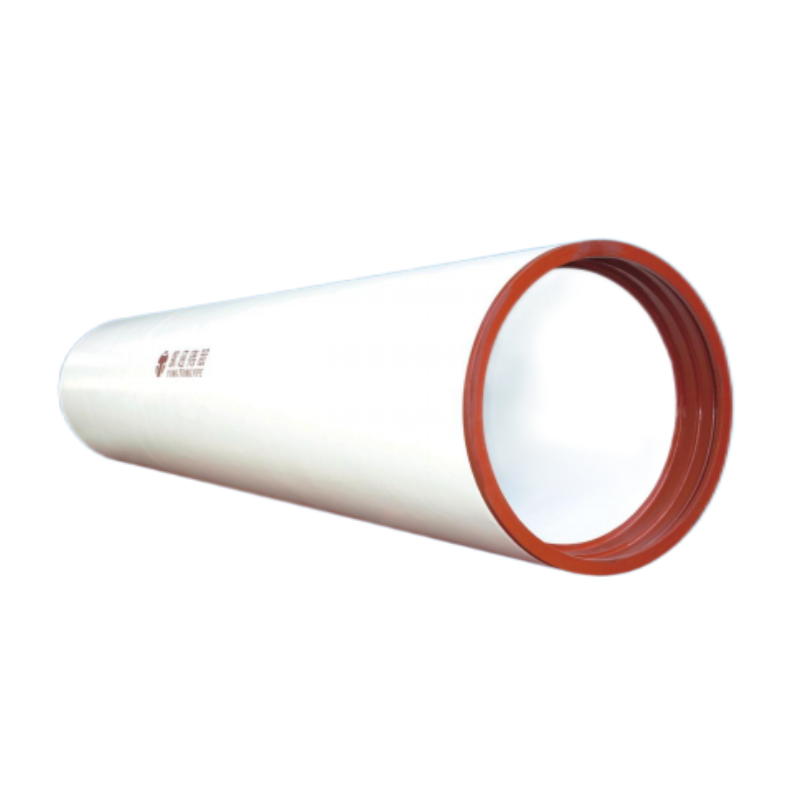
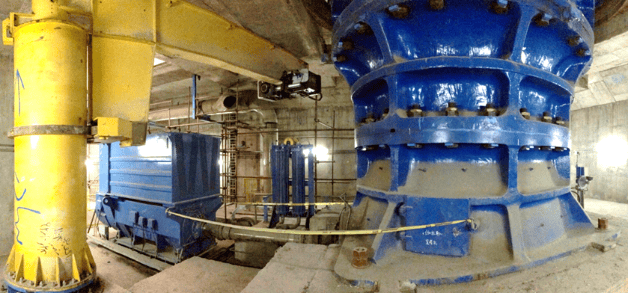

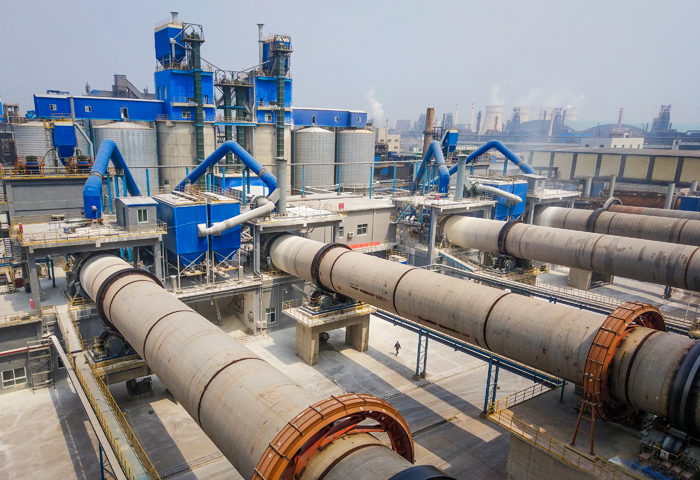
CITIC Heavy Industries Metallurgical Equipment Steel Smelting Engineering Equipment
CITIC Heavy Industries Co., Ltd.
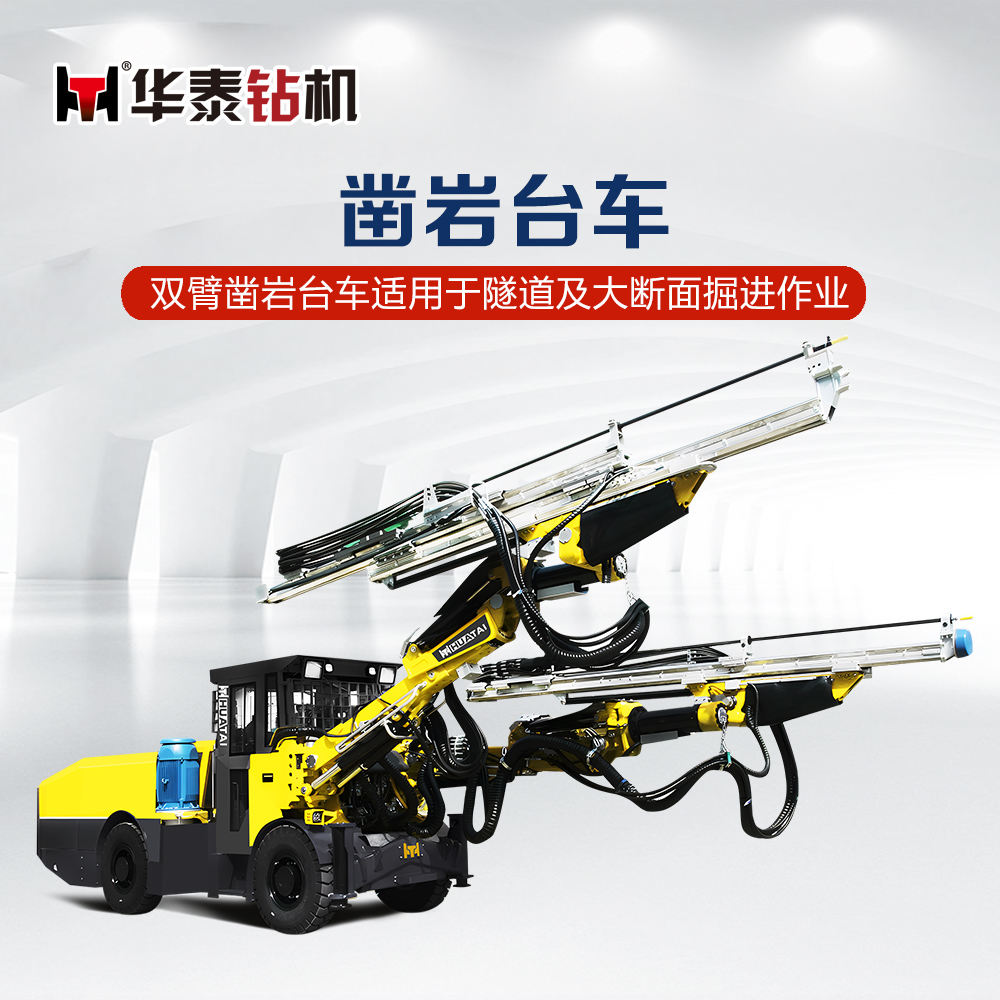
CYTJ45/2 Mining Hydraulic Tunneling Drill Rig
Zhangjiakou Xuanhua Huatai Mining and Metallurgical Machinery Co., Ltd.
Core Technologies of the Mining Technology and Equipment Business Unit: Efficient Mining Methods and Processes
CHANGSHA INSTITUTE OF MINING RESEARCH CO., LTD.